
Mushrooms popping up in your yard are a common sight, especially after a good rain. Mushrooms grow in your yard primarily due to the presence of decaying organic matter and suitable environmental conditions like moisture and shade. This article will delve into the reasons behind this phenomenon, explore ways to manage them, and highlight their impact on overall lawn health.
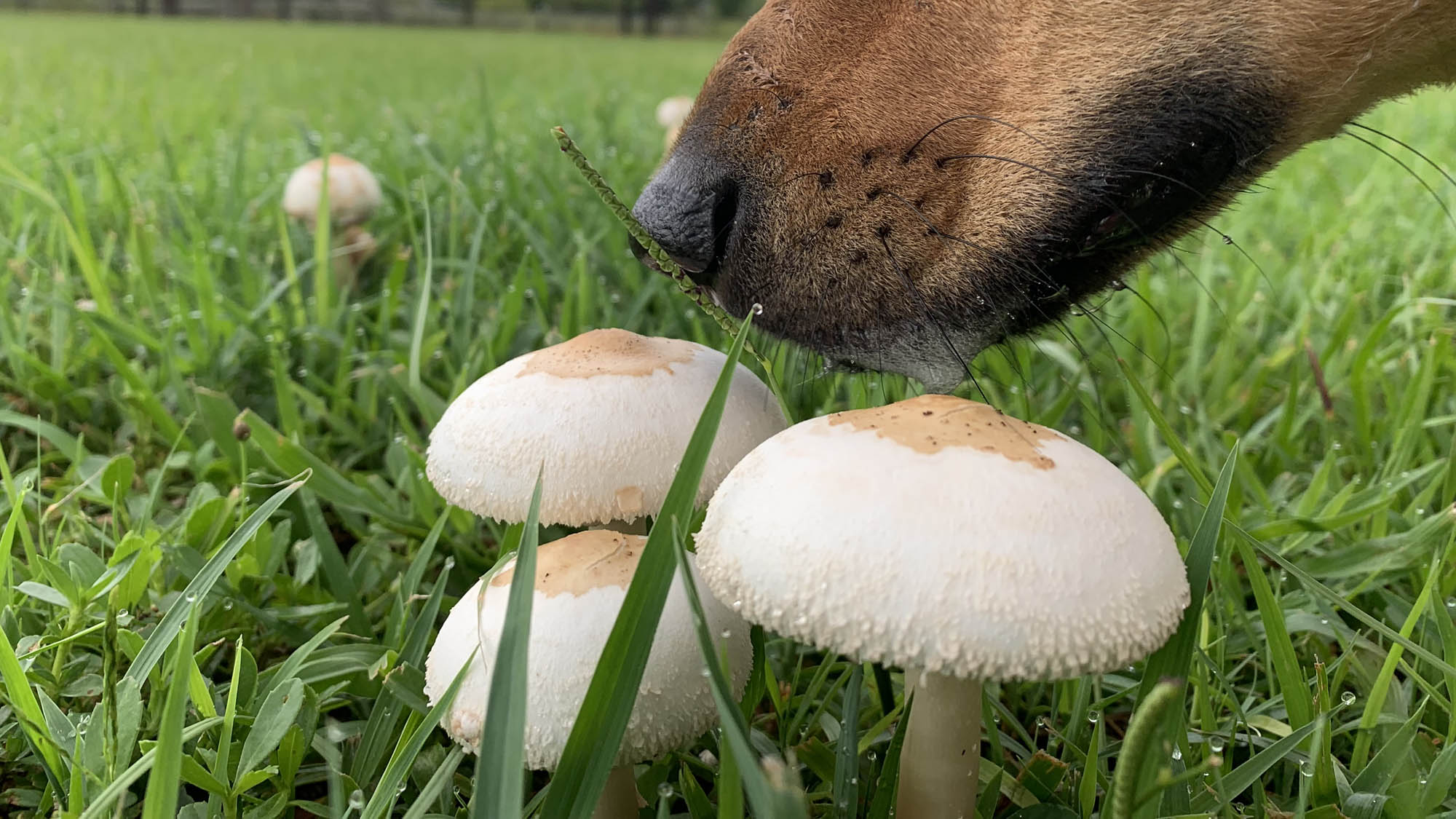
Image Source: homegrown.extension.ncsu.edu
Deciphering Mushroom Growth Triggers
Mushrooms are the fruiting bodies of fungi, which are nature’s essential recyclers. These microscopic organisms live underground in a vast network called mycelium. When conditions are just right, the mycelium sends up mushrooms to release spores and continue the cycle of life.
Key Factors Fueling Fungal Growth
Several environmental and soil-related factors contribute to mushroom proliferation in your lawn:
- Moisture Levels: Fungi thrive in damp environments. Consistent moisture from frequent rain, overwatering, or poor drainage creates an ideal breeding ground for fungal spores. The mycelium absorbs water to produce the mushrooms we see.
- Shade and Reduced Airflow: Areas of your yard that receive shade from trees, buildings, or dense shrubs tend to stay moister for longer periods. This lack of sunlight and reduced airflow can also encourage fungal growth.
- Soil Conditions and Organic Matter: The type of soil conditions you have plays a significant role. Compacted soil with poor drainage often leads to waterlogging, benefiting fungi. However, the most crucial factor is the presence of organic matter. This includes dead grass clippings, fallen leaves, decaying roots, and even buried pet waste. Fungi feed on this decomposition process.
- Decomposition at Work: Think of mushrooms as the visible signs of decomposition. They are breaking down dead plant material, returning nutrients to the soil. This is a natural and beneficial process for lawn health in the long run, although the mushrooms themselves can be unsightly.
- Spore Dispersal: Fungal spores are microscopic and are constantly present in the air. When they land in an area with the right conditions (food source, moisture), they germinate and begin to grow. Wind, rain, and even animals can aid in spore dispersal.
- Fertilizer Application: While not a direct cause, certain fertilizer practices can indirectly contribute. If fertilizer is over-applied or if it contains a lot of organic components, it can provide additional food for fungi.
Mushroom Forms and Their Meanings
Mushrooms don’t always appear as the classic toadstool. They can manifest in various forms, each indicating a different aspect of the fungal life cycle and its interaction with your lawn.
- Fairy Rings: These are circular patterns of mushrooms that appear in lawns. They form as the mycelium grows outwards from a central point, feeding on organic matter. The grass within the ring may be greener due to the extra nutrients released by the fungi.
- Puffballs: These round or pear-shaped mushrooms release their spores when disturbed, creating a “puff” of dust. They typically grow on decaying organic matter in the soil.
- Mushroom “Raindrops”: Sometimes, after heavy rain, you might see clusters of small, delicate mushrooms emerging. These are often saprophytic fungi, breaking down thatch or woody debris.
Fathoming the Causes: A Deeper Dive
To truly address mushroom growth, we need to understand the underlying environmental and soil-related causes in more detail.
The Role of Moisture and Shade
Moisture is arguably the most critical element for mushroom development. Fungi require a consistent water supply to grow and reproduce.
- Natural Rainfall: Regular rain cycles provide ample moisture, triggering mushroom growth in areas where other conditions are met.
- Overwatering: Excessive watering can saturate the soil, creating an anaerobic (oxygen-deficient) environment that favors fungal activity and hinders grass root health.
- Poor Drainage: Lawns with compacted soil or low-lying areas that collect water will remain damp, providing the necessary hydration for fungi.
- Shade: Shade reduces evaporation rates. This means that areas under trees, dense shrubs, or even tall grass will retain moisture longer, creating microclimates suitable for fungal colonies. The lack of direct sunlight also means lower soil temperatures, which some fungi prefer.
Soil Conditions and Organic Matter as Food
Soil conditions are a complex interplay of texture, structure, and nutrient content. Fungi, however, are primarily interested in the organic component of your soil.
- Thatch Buildup: A thick layer of thatch (dead grass and roots) on your lawn acts as a sponge, retaining moisture and providing a rich food source for fungi.
- Buried Debris: Old tree stumps, buried wood chips, or even forgotten pet waste provide excellent food for mycelium, leading to mushroom clusters.
- Nutrient Imbalance: While fungi are decomposers, overly rich soil with abundant organic matter can sometimes fuel their rapid growth.
Decomposition: The Silent Recycler
The presence of mushrooms is a clear indicator that decomposition is actively occurring in your yard.
- Breaking Down the Dead: Fungi are nature’s primary decomposers. They break down dead grass blades, fallen leaves, and woody materials. This process releases essential nutrients back into the soil, which is beneficial for plant life.
- Mycelial Networks: The visible mushroom is just the tip of the iceberg. Beneath the surface, a vast network of thread-like hyphae (collectively called mycelium) spreads through the soil, consuming dead organic matter.
The Impact of Fertilizers and Lawn Care Practices
Your lawn care routine can influence mushroom growth, sometimes unintentionally.
- Over-Fertilization: Applying too much fertilizer, especially high-nitrogen varieties, can stimulate rapid grass growth and increase thatch production, providing more food for fungi.
- Organic Fertilizers: While generally beneficial for soil health, organic fertilizers like compost or manure also introduce organic matter that fungi can utilize.
- Aeration and Dethatching: Infrequent aeration and dethatching can lead to compacted soil and thatch buildup, creating ideal conditions for mushrooms.
Managing Mushroom Growth: Practical Fixes
Seeing mushrooms in your yard doesn’t necessarily mean your lawn is unhealthy, but you might want to reduce their appearance. The key is to address the underlying causes rather than just removing the visible mushrooms.
Modifying Moisture and Shade
The first step is to control the environmental factors that fungi love.
- Improve Drainage:
- Aeration: Regularly aerate your lawn to reduce soil compaction and improve airflow. This allows excess water to drain away more effectively.
- Dethatching: Remove any thick layers of thatch. This prevents moisture from being trapped against the soil surface.
- Leveling: Fill in low-lying areas where water tends to pool.
- Adjust Watering:
- Water deeply but less frequently. This encourages deeper root growth in your grass and allows the soil surface to dry out between waterings.
- Ensure your sprinklers aren’t creating consistently wet patches.
- Manage Shade:
- Trim overhanging branches from trees to allow more sunlight and airflow to reach the grass.
- Consider removing dense shrubs that contribute to shade and poor air circulation.
Addressing Soil Conditions and Organic Matter
Making your soil less hospitable to fungi requires a focus on reducing their food source and improving soil structure.
- Remove Visible Organic Matter:
- Rake up fallen leaves and grass clippings promptly.
- Remove any visible dead plant material or woody debris from the lawn surface.
- If you suspect buried wood, excavate it.
- Soil Amendments:
- For very acidic soil conditions, a light application of lime can help raise the pH, making it less favorable for some fungal species. Test your soil first to determine if this is necessary.
- Incorporate compost sparingly if you are amending your soil. While compost is beneficial, too much can create a food source for fungi.
Dealing with the Mushrooms Themselves
While addressing the root causes is paramount, you may also want to physically remove the mushrooms.
- Manual Removal: Simply pick or hoe the mushrooms and dispose of them in a trash can or compost bin (if you’re not concerned about spreading spores). Remember, this is a temporary fix.
- Avoid Spreading Spores: If you have mushroom-producing diseases in your lawn, avoid walking on them and then moving to other areas of your yard without cleaning your shoes.
- Fungicides: In cases of widespread or persistent fungal growth, a fungicide might be considered. However, this is often a last resort, as it doesn’t address the underlying issues and can sometimes harm beneficial soil organisms. Always choose a fungicide labeled for lawn use and follow application instructions carefully.
Lawn Health: The Interplay with Fungi
The presence of mushrooms in your yard is not always a sign of an unhealthy lawn. In fact, fungi play a vital role in the ecosystem of your yard.
Fungi as Lawn Allies
- Nutrient Cycling: As decomposers, fungi are essential for breaking down dead organic matter. This process releases nutrients that your grass needs to grow. Without fungi, dead plant material would accumulate, locking up essential nutrients.
- Soil Structure: The mycelial networks help bind soil particles together, improving soil structure and aeration. This can be particularly beneficial in sandy or clay soils.
- Symbiotic Relationships: Some fungi form mycorrhizal associations with grass roots. These fungi extend the reach of the grass’s root system, helping it absorb water and nutrients more efficiently.
When Mushrooms Signal a Problem
While generally beneficial, an excessive or persistent presence of mushrooms can indicate underlying issues that are detrimental to your lawn health:
- Compacted Soil: Mushrooms can thrive in compacted soil due to poor aeration and drainage. Compacted soil restricts grass root growth, making it weaker and more susceptible to drought and disease.
- Excess Thatch: A thick thatch layer suffocates grass roots, reducing nutrient and water uptake. The fungi feeding on this thatch are a symptom of this problem.
- Overwatering: Consistently wet conditions weaken grass roots and can lead to root rot diseases, creating an environment perfect for fungal growth.
Promoting a Healthy Lawn to Discourage Fungi
A healthy, well-maintained lawn is naturally more resistant to excessive fungal growth.
- Proper Mowing: Mow at the correct height for your grass type, typically higher to encourage deeper root growth and shade out weeds.
- Adequate Watering: Water deeply and infrequently to promote strong root systems.
- Regular Aeration and Dethatching: Keep your soil aerated and thatch levels low to ensure good airflow, drainage, and nutrient availability to grass roots.
- Balanced Fertilization: Apply fertilizer according to soil test recommendations and at the right times of the year. Avoid over-fertilizing.
- Overseeding: Fill in bare patches with grass seed to maintain a dense turf, which naturally suppresses weed growth and reduces opportunities for fungi to establish.
Frequently Asked Questions (FAQ)
- Are mushrooms in my yard poisonous?
Some mushrooms are poisonous, while others are not. It’s best to assume all wild mushrooms are potentially harmful and keep pets and children away from them. Do not attempt to eat any mushrooms found in your yard unless you are an expert mycologist. - Will removing the mushrooms stop them from coming back?
No, simply removing the visible mushrooms will not stop them from returning. The underlying mycelium in the soil will continue to produce mushrooms as long as conditions are favorable. You must address the causes of their growth. - Can I use salt to kill mushrooms?
Using salt is generally not recommended for controlling mushrooms. While it might kill the mushrooms temporarily, it can also harm your grass and soil, making your lawn unhealthy in the long run. - How do I know if my lawn is unhealthy because of mushrooms?
Look for signs like yellow or brown patches of grass, thin turf, or grass that wilts easily. If mushrooms are accompanied by these symptoms, it suggests an underlying issue like poor drainage, compacted soil, or a disease. - Is it okay to let mushrooms grow in my yard?
It’s generally okay if you don’t mind their appearance and if they aren’t accompanied by signs of lawn distress. They are a natural part of the ecosystem, aiding in decomposition. However, if you prefer a manicured look or if they indicate problems, you’ll want to manage them.
By understanding the causes of mushroom growth and implementing appropriate management strategies, you can enjoy a healthier, more aesthetically pleasing lawn. Remember that a healthy lawn is your best defense against unwanted fungal growth. The key is to focus on improving your soil conditions, managing moisture and shade, and promoting robust lawn health through good cultural practices, rather than just reacting to the mushrooms themselves.