
Mushrooms popping up in your yard are a common sight, and they are usually a sign that your soil is healthy and rich in organic matter.
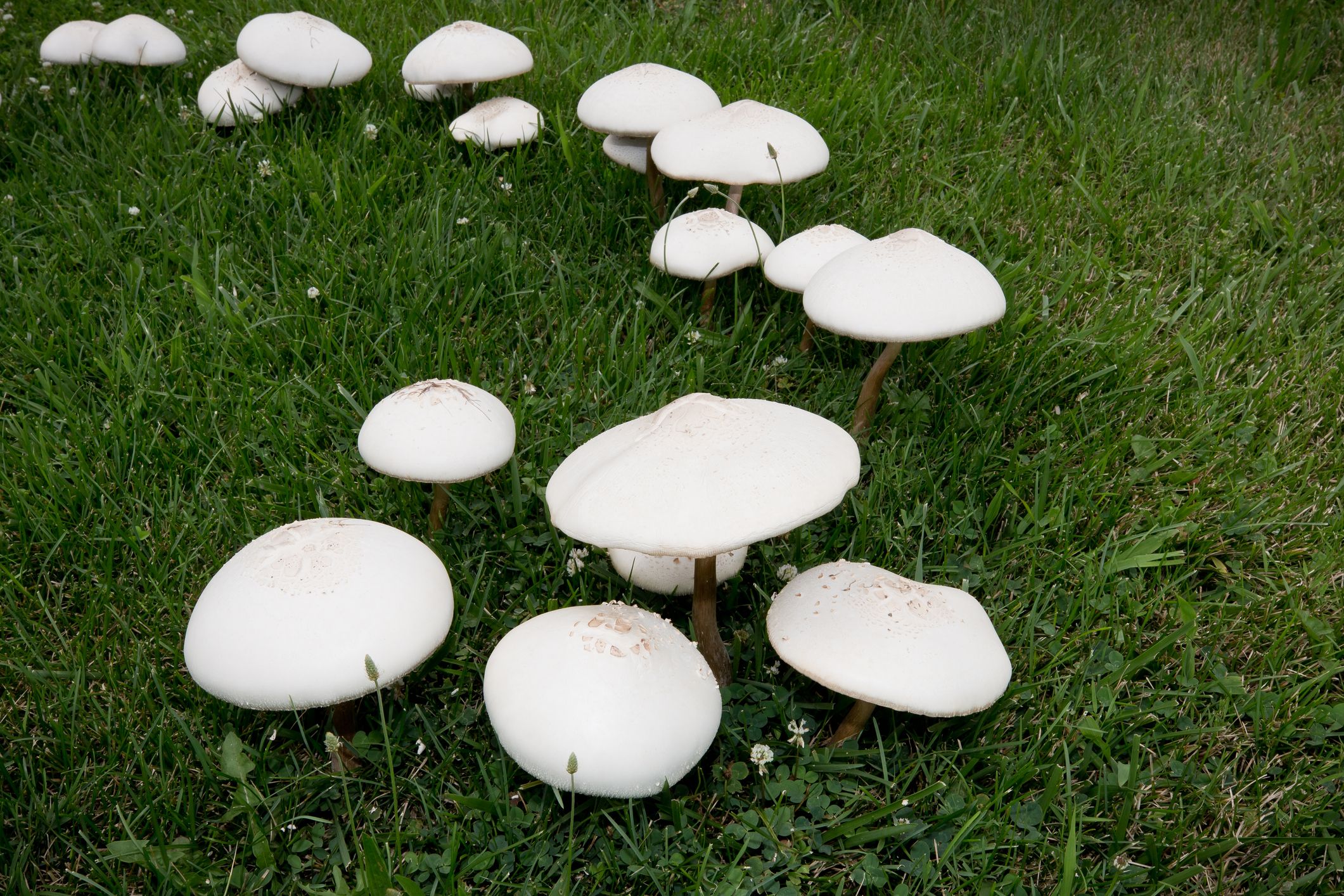
Image Source: hips.hearstapps.com
Fungal Foundations: The Secret Life of Your Lawn
Have you noticed those delightful or sometimes surprising mushrooms gracing your lawn or garden beds? Seeing these fruiting bodies emerge from the earth can spark curiosity. Are they a nuisance? A sign of trouble? Or something else entirely? Let’s delve into the fascinating world of fungal growth and explore why these ephemeral organisms choose your yard as their stage.
Mushrooms are the visible reproductive structures of a much larger, hidden organism: mycelium. Think of it like an apple on a tree; the apple is what you see, but the tree is the main organism. The mycelium is a vast network of thread-like hyphae spreading through the soil, wood, or other organic material, tirelessly working to break it down. The appearance of mushrooms is a natural part of their life cycle, often triggered by specific environmental conditions.
What Causes Mushrooms to Appear in My Yard?
Several factors contribute to the appearance of backyard fungi. It’s not magic; it’s a symphony of nature.
The Role of Moisture
Mushrooms thrive in moist environments. Rain, heavy dew, or overwatering can provide the essential hydration for the mycelium to produce mushrooms. When the soil is consistently damp, especially after a dry spell, it signals to the mycelium that it’s time to reproduce.
- Recent Rainfall: A good soaking rain is often the primary catalyst.
- Damp Areas: Shady spots, areas near leaky faucets, or poorly draining sections of your yard are prime real estate for mushrooms.
- Humidity: High atmospheric humidity also plays a role, keeping the surface of the soil and the developing mushrooms moist.
Decomposing Organic Matter: The Mushroom’s Buffet
Mushrooms are nature’s recyclers. They feed on decomposing organic matter. Your yard is likely a smorgasbord for these fungi.
- Leaf Litter: Fallen leaves, especially if they haven’t been raked up, provide an excellent food source.
- Dead Grass Clippings: If you leave grass clippings on the lawn, they break down and feed the mycelium.
- Buried Wood: Old tree stumps, buried branches, or even construction debris can harbor extensive mycelium networks.
- Animal Waste: Droppings from pets or wild animals can also be a food source.
Soil Conditions: The Foundation for Fungi
The type of soil you have can also influence mushroom growth.
- Rich Soil: Soils high in organic content are particularly attractive to mushroom-forming fungi.
- Compacted Soil: While fungi can grow in various soils, compacted soil can sometimes trap moisture, creating favorable conditions.
- pH Levels: Different fungi prefer different soil pH levels, but many common lawn mushrooms are not overly picky.
Common Types of Lawn Mushrooms and Their Significance
Not all mushrooms in your yard are created equal. Some are common, some are rare, and some are potentially toxic. Mushroom identification is key to knowing what you’re dealing with.
Fairy Rings
One of the most striking displays of backyard fungi is the “fairy ring.” These are circular or semi-circular patterns of mushroom growth.
- How they form: Fairy rings start when a single mushroom spore lands on a patch of soil and germinates. The mycelium grows outwards underground in a circular pattern. As it spreads, it consumes the nutrients in the soil. The outer edge of the ring is where the mycelium is still actively growing and feeding, and this is where mushrooms will appear.
- Benefits: While they can sometimes create a dead or discolored patch of grass in the center (due to nutrient depletion), fairy rings are generally a sign of a healthy, established lawn and a robust mycelium network that is beneficial for soil health.
Agaric Mushrooms (Common Cap and Stem)
These are the classic umbrella-shaped mushrooms you most commonly associate with the word “mushroom.”
- Examples: Species like Agaricus campestris (meadow mushroom) or various types of Marasmius can be found in lawns.
- Significance: Many of these are saprophytic, meaning they feed on dead organic material. Their presence is usually harmless and indicates good soil structure and moisture.
Puffballs
These round or pear-shaped fungi lack a distinct stem and cap and release their spores from a central cavity.
- Examples: Giant puffballs (Calvatia gigantea) can grow to impressive sizes.
- Significance: Puffballs are also decomposers and generally indicate healthy soil with plenty of decaying matter. Ensure they are eaten only when pure white and firm inside, as older ones can cause digestive upset if inhaled.
Inky Caps
These distinctive mushrooms start as small eggs and then develop into bell-shaped caps that dissolve into a black, inky liquid.
- Examples: Coprinus species are common in lawns and gardens.
- Significance: They are decomposers and often appear after heavy rains, especially in areas with rich organic matter.
Are Mushrooms in My Yard a Bad Sign?
Generally, no! The appearance of mushrooms in your yard is more often a positive indicator than a negative one.
- Healthy Soil: The presence of mushrooms suggests that your soil is alive with microbial activity, including beneficial fungi. This means nutrients are being cycled effectively.
- Decomposition: They are actively breaking down dead organic material, which is a crucial ecological process that enriches your soil over time.
- Mycelium’s Role: The mycelium network itself plays a vital role in soil structure, aeration, and water retention.
However, there are a few caveats:
- Toxicity: Never assume a mushroom is safe to eat. Some lawn mushrooms can be poisonous. If you’re interested in foraging, thorough research and expert guidance are essential. It’s best to err on the side of caution and keep pets and children away from mushrooms in your yard.
- Underlying Issues: In rare cases, mushroom growth might indicate an underlying issue like poor drainage or an excessive amount of decaying organic matter that’s not breaking down efficiently.
Deciphering the Conditions: Why Now?
If you’ve never seen mushrooms before and they’ve suddenly appeared, consider what might have changed:
- Recent Weather Patterns: Was there a period of drought followed by significant rainfall? This is a common trigger.
- Yard Maintenance: Did you recently add a new layer of mulch, compost, or topsoil? This introduces new food sources and potentially new fungal spores.
- Tree Removal: If you had a tree removed, the buried root system can become a food source for fungi, leading to mushroom blooms.
- Changes in Watering: Have you started watering your lawn more frequently or for longer periods?
Can I Eat the Mushrooms Growing in My Yard?
This is a critical question, and the answer is almost always: NO.
While some mushrooms found in yards might be edible, many are not, and some can be deadly. Mushroom identification is extremely difficult, even for experts, and requires microscopic examination and detailed knowledge of various species.
- Visual Identification is Unreliable: Many edible mushrooms have poisonous look-alikes. Features like shape, color, and gill structure can be misleading.
- Location Matters: Even edible species can absorb toxins from the soil or pollutants from the environment.
- Digestive Upset: Some mushrooms might not be poisonous but can cause stomach upset or allergic reactions.
For your safety and the safety of your family and pets, it is strongly advised not to consume any wild mushrooms found in your yard. If you have an interest in foraging, seek out guided tours with experienced mycologists or join a local mushroom club.
What To Do About Mushrooms in Your Yard
For most homeowners, the best approach to dealing with backyard fungi is to leave them be. They are a natural part of a healthy ecosystem.
Embracing the Fungi
- Enjoy the Sight: Appreciate them for their ephemeral beauty and the ecological service they provide.
- Leave Them: Unless they are in a high-traffic area where someone might trip or ingest them, it’s best to let them decompose naturally.
When Removal Might Be Considered
While not usually necessary, you might want to remove mushrooms if:
- Safety Concerns: You have young children or pets who might be tempted to eat them.
- Aesthetics: They are in a highly visible area and you find them unsightly.
- Tripping Hazard: They are in a pathway.
Methods for Mushroom Removal
If you decide to remove them, here are a few methods:
Manual Removal
- What to do: Gently pull the mushrooms out of the ground, roots and all. You can use a trowel or spade to help loosen the soil if needed.
- Disposal: Dispose of them in a sealed plastic bag in your trash or compost them (though some advise against composting potentially toxic species if you’re unsure).
Reducing Moisture and Organic Matter
This is a more proactive approach to discouraging future mushroom blooms.
- Improve Drainage: Aerate your lawn, especially in damp areas. Address any low spots where water collects.
- Rake Regularly: Remove fallen leaves and grass clippings promptly.
- Thin Thatch: A thick layer of thatch can hold moisture. Dethatching your lawn can help.
- Manage Debris: Remove any buried wood or excessive dead plant material from the soil surface.
- Adjust Watering: Ensure you are watering efficiently, allowing the soil surface to dry out between waterings if possible.
Mushroom Removal Products (Use with Caution)
There are some products marketed for mushroom removal, often based on fungicides. However, their effectiveness can be limited as they typically only affect the visible mushroom, not the extensive underground mycelium.
- Fungicides: These can kill the mushrooms, but they may also harm beneficial soil microbes and fungi. They are generally not recommended for routine use in a healthy lawn.
- Chemical Treatments: Be cautious with any chemical treatment. Always follow label instructions precisely and consider the environmental impact.
The Mycelium Network: A Hidden Ally
It’s important to remember that removing the visible mushroom doesn’t eliminate the mycelium. This underground network is a crucial component of your soil’s health.
- Soil Structure: Mycelium binds soil particles together, improving soil structure and preventing erosion.
- Nutrient Cycling: It breaks down organic matter and makes nutrients available to plants.
- Water Retention: The network helps soil hold moisture.
- Plant Health: Some mycorrhizal fungi form symbiotic relationships with plant roots, enhancing nutrient and water uptake for your grass and other plants.
Common Questions About Lawn Mushrooms
Here are some frequently asked questions about those mushrooms in your yard.
Q1: Are the mushrooms in my yard poisonous?
A1: It is impossible to tell for sure without expert mushroom identification. Many common lawn mushrooms are not poisonous, but some are, and many edible varieties have toxic look-alikes. It is always safest to assume any mushroom you find in your yard is potentially harmful and keep pets and children away from them.
Q2: Why do mushrooms grow in rings?
A2: Rings, known as fairy rings, form when a single mushroom spore germinates and the mycelium grows outwards underground in a circular pattern. The mushrooms appear at the outer edge of this expanding network as it exhausts nutrients in its path.
Q3: How can I stop mushrooms from growing in my yard?
A3: You can’t entirely stop them, as the mycelium is a natural part of the soil ecosystem. However, you can reduce their appearance by improving drainage, removing excess organic debris like leaves and thatch, and ensuring your lawn doesn’t stay consistently wet.
Q4: Are mushrooms bad for my grass?
A4: Generally, no. Mushrooms are a sign of decomposing organic matter and a healthy soil microbiome. While fairy rings can sometimes cause a temporary discolored patch of grass due to nutrient use by the mycelium, the fungi themselves are usually beneficial to the soil’s long-term health.
Q5: What are these small white mushrooms all over my lawn?
A5: Small white mushrooms are often species of Marasmius or related genera. They are saprophytic, meaning they feed on dead organic material like thatch and dead grass roots. Their presence indicates a good amount of organic material in the soil.
Q6: Can I compost mushrooms?
A6: You can compost mushrooms, but it’s advisable to do so cautiously. If you are unsure about the species, it might be safer to discard them in the trash, especially if you suspect they could be toxic. Composting them in a hot compost pile might break down any potential toxins, but this is not guaranteed.
Q7: Is it normal to see mushrooms after watering my lawn?
A7: Yes, it is very normal. Watering provides the moisture that the underground mycelium needs to produce the visible mushroom fruiting bodies. If you water and then experience humid conditions, this creates an ideal environment for them to pop up.
Q8: Should I remove mushrooms if I have pets?
A8: Yes, if you have pets, especially curious ones, it’s a good idea to remove mushrooms. This is to prevent them from ingesting potentially toxic species. Even non-toxic mushrooms can cause digestive upset.
Q9: Are these mushrooms a sign of disease in my lawn?
A9: In most cases, mushrooms are not a sign of lawn disease. They are indicators of a healthy, biologically active soil environment rich in decomposing organic matter. Lawn diseases that cause fungal growth usually manifest as spots, patches, or wilting on the grass blades themselves, not as fruiting bodies.
Q10: How do I identify the specific type of mushroom in my yard?
A10: Mushroom identification is a complex skill. For accurate identification, you would typically need to consult field guides, local mycological societies, or experienced mushroom experts. Online resources can be helpful but should be used with extreme caution, as visual identification from photos can be unreliable. If you’re interested in eating them, professional guidance is non-negotiable.
By appreciating the natural processes at play, you can better understand and coexist with the fungi that grace your yard. They are a testament to a living, breathing ecosystem right beneath your feet.