
Can I get rid of mushrooms in my lawn? Yes, you can effectively get rid of mushrooms in your lawn, and this guide will show you how. What is the main reason mushrooms grow in lawns? Mushrooms are a sign of an underlying issue, usually excess moisture, nutrient-rich soil, or decaying organic matter. They are the fruiting bodies of fungi that live underground.
Mushrooms popping up in your lawn can be unsightly and sometimes alarming, especially if you have children or pets. While they aren’t typically harmful to your grass, their appearance indicates conditions that might be less than ideal for a healthy lawn. This comprehensive guide will delve into identifying lawn mushrooms, why they appear, and provide practical, actionable steps for their removal and prevention.
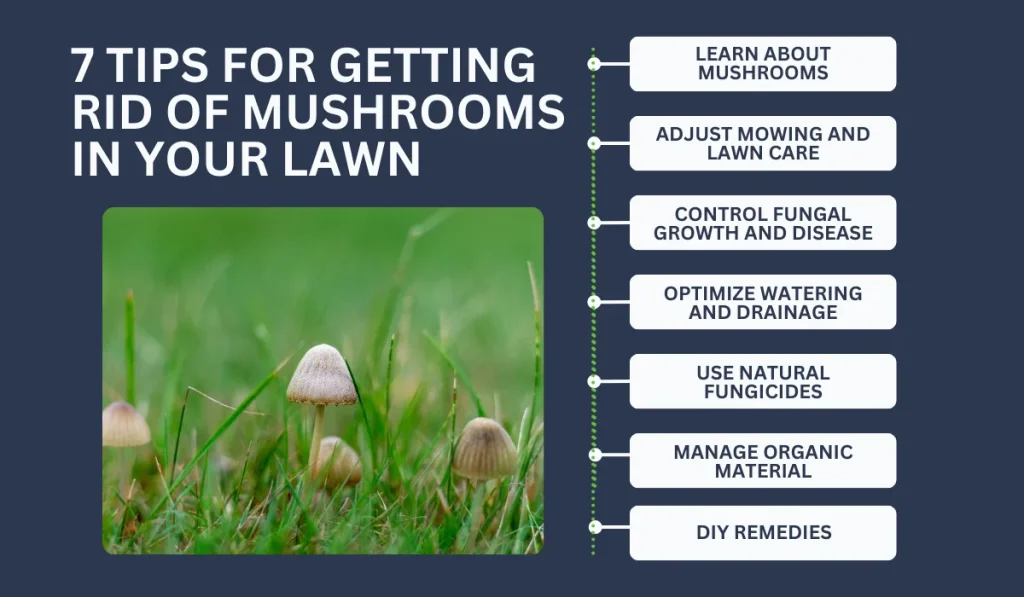
Image Source: sodlawn.com
Why Do Mushrooms Grow in My Lawn?
Mushrooms are nature’s way of recycling. They are the reproductive structures of fungi that exist as a network of thread-like hyphae beneath the soil surface. These fungi are often present in your lawn all the time, but they only become visible when conditions are right for them to produce mushrooms.
Several factors contribute to mushroom growth:
- Excess Moisture: Fungi thrive in damp environments. Lawns that are overwatered, have poor drainage, or are consistently wet due to excessive rainfall are prime locations for mushrooms.
- Nutrient-Rich Soil: Mushrooms feed on decaying organic matter. This can include dead grass clippings, thatch, fallen leaves, old mulch, or even buried wood or animal waste. If your soil is rich in these materials, it provides a buffet for fungi.
- Shady Conditions: Many types of lawn mushrooms prefer shady spots where the soil stays moist for longer periods.
- Thatch Buildup: A thick layer of thatch (dead and living organic matter that accumulates on the soil surface) can retain moisture and provide a food source for fungi.
- Compacted Soil: Compacted soil restricts air and water movement, leading to waterlogging and creating an environment conducive to fungal growth.
Deciphering Lawn Mushroom Types
It’s helpful to know that not all lawn mushrooms are the same. While most common lawn mushrooms are harmless, some can be toxic if ingested. It’s crucial for safety, especially with children and pets, to be aware of what you’re dealing with.
Common Lawn Mushrooms
Many mushrooms found in lawns are part of the natural decomposition cycle and are not actively harming your grass. These often appear in fairy rings.
- Marasmius oreades (Fairy Ring Mushroom): These are small, tan mushrooms that often grow in a circular pattern. They feed on decaying matter in the thatch layer.
- Agaricus campestris (Field Mushroom): Similar to cultivated mushrooms, these can appear in lawns, especially after rain.
- Coprinus spp. (Ink Caps): These mushrooms start as white or grey caps and often dissolve into a black, inky liquid as they mature.
Potentially Toxic Mushrooms
While less common in typical residential lawns, it’s good to be cautious. If you suspect any mushroom is toxic, do not touch it and keep pets and children away.
- Amanita phalloides (Death Cap): This is a highly poisonous mushroom, and while less common in lawns, awareness is key. It typically has a greenish-yellow cap and a ring on the stem.
- Galerina marginata: A small, brown mushroom that can be found on decaying wood.
Important Note: If you are unsure about the identification of mushrooms in your lawn, especially if you have pets or children, it is best to err on the side of caution and remove them.
Strategies for Lawn Mushroom Removal
Getting rid of mushrooms isn’t just about picking them. It’s about addressing the conditions that allow them to grow in the first place. Here’s a multi-pronged approach to lawn mushroom removal.
1. Manual Removal: The Quick Fix
The most immediate way to deal with visible mushrooms is to simply remove them.
- Pull them out: Gently pull mushrooms from the soil by the stem. Try to get the entire mushroom, including the base, to prevent regrowth from spores.
- Bag and dispose: Place the removed mushrooms in a plastic bag, seal it, and discard it in the trash. This helps prevent the spread of spores.
- Avoid composting: Do not add mushrooms to your compost bin unless you are certain they are non-toxic and you have a hot composting system that will kill any remaining spores.
This method is a temporary solution as it doesn’t address the underlying fungal problem.
2. Improving Lawn Health: The Long-Term Solution
Focusing on improving your lawn’s overall health is the most effective way to prevent future mushroom outbreaks. This involves addressing moisture, thatch, and soil conditions.
Addressing Moisture Issues
- Adjust Watering Schedule: Overwatering is a primary culprit. Water deeply but infrequently. Aim for about an inch of water per week, delivered in one or two sessions. Water in the morning so the grass has time to dry before evening.
- Improve Drainage: If certain areas of your lawn consistently stay wet, investigate drainage. This might involve:
- Soil Aeration: This process creates small holes in the soil, allowing air, water, and nutrients to penetrate more easily. It helps reduce compaction and improves drainage.
- Dethatching: Thick thatch layers trap moisture. Regular dethatching removes this layer, allowing the soil to dry out more effectively.
- Regrading: In severe cases, you might need to regrade your lawn to direct water away from problem areas.
Managing Thatch
Thatch is a spongy layer of dead and living grass stems and roots that accumulates between the green grass blades and the soil surface. A thatch layer of more than half an inch can create a perfect habitat for fungi.
- Thatch Removal (Dethatching):
- Raking: For light thatch, a stiff-tined rake can work.
- Power Raking/Scarifying: For thicker thatch, a power rake or scarifier is more effective. This machine has rotating blades that cut into the thatch layer.
- Timing: The best time to dethatch is during your lawn’s active growing season. For cool-season grasses (like fescue, ryegrass, bluegrass), this is spring or fall. For warm-season grasses (like Bermuda, zoysia, St. Augustine), it’s late spring or early summer.
Soil Aeration
As mentioned, soil aeration is crucial for improving drainage and reducing compaction.
- How it Works: Core aerators pull out plugs of soil, leaving small holes. This allows water and air to reach the root zone and helps break down organic matter more efficiently.
- Frequency: Aerate once a year, or twice if your soil is heavily compacted.
- Timing: Like dethatching, aerate during the active growing season for your grass type.
3. Using Lawn Mushroom Killer Sprays
If you want a more direct approach to killing existing mushrooms, a mushroom killer spray can be used. These products typically contain ingredients that target fungal growth.
-
Types of Sprays:
- Fungicides for Lawns: These are chemical treatments designed to combat various fungal diseases. Look for products specifically labeled for mushroom control or broad-spectrum fungicides.
- Natural Fungicides: Some products use natural ingredients like copper sulfate or specific beneficial microbes to control fungi.
-
Application:
- Read the Label: Always follow the manufacturer’s instructions carefully regarding application rates, timing, and safety precautions.
- Spot Treatment: It’s often best to spot-treat the affected areas rather than broadcasting the spray over the entire lawn.
- Timing: Apply when mushrooms are visible, but remember that the spray targets the fungal growth above ground. The underground network may persist.
Considerations for Fungicides:
While effective for immediate removal, chemical fungicides can sometimes impact beneficial soil microbes. It’s important to use them judiciously and consider them as part of a broader lawn health strategy.
4. Natural Mushroom Removal Methods
For those who prefer to avoid chemicals, several natural mushroom removal techniques can be employed. These often focus on improving soil conditions or using natural deterrents.
- Vinegar Solution: A diluted solution of white vinegar (about 1 part vinegar to 10 parts water) can be sprayed directly on mushrooms. Vinegar is acidic and can kill the fungal growth on contact. Be cautious not to overspray, as it can also harm grass if applied too strongly or too frequently.
- Baking Soda: Similar to vinegar, baking soda can alter the pH of the soil surface, making it less hospitable to fungi. Sprinkle a light layer of baking soda on the mushroom clusters.
- Corn Gluten Meal: This is a natural pre-emergent herbicide and fertilizer. When applied in the fall or spring, it can inhibit fungal spore germination.
- Beneficial Microbes: Some products introduce beneficial bacteria and fungi to the soil that compete with the mushroom-causing fungi, helping to balance the soil ecosystem.
5. Addressing the “Fairy Rings”
Fairy rings are circles or arcs of mushrooms, often accompanied by a ring of darker green or brown grass. The mushrooms are just the tip of the iceberg; the fungus is actively decomposing organic matter in a circular pattern beneath the soil.
- Why They Appear: They are caused by certain types of fungi that feed on thatch and organic debris.
- How to Combat Them:
- Golf Course Method (for severe rings): This involves spiking the entire ring deeply with a fork or aerator and then watering heavily to dilute the fungal growth and encourage healthy grass growth within the ring.
- Fertilization: Applying a nitrogen-rich fertilizer can help green up the grass within the ring, masking its appearance, but it doesn’t eliminate the fungus.
- Improving Drainage and Dethatching: These are crucial for breaking the cycle.
Preventing Lawn Mushrooms
Prevention is key to maintaining a healthy, mushroom-free lawn. By consistently implementing good lawn care practices, you can create an environment that is inhospitable to fungi.
Best Practices for Prevention
- Proper Watering: As stressed before, avoid overwatering. Water only when the grass needs it, and ensure the water penetrates deeply.
- Regular Dethatching: Keep thatch levels below half an inch. This is a critical step in preventing lawn mushrooms.
- Soil Aeration: Aerate your lawn annually to prevent soil compaction and improve drainage.
- Proper Mowing: Mow at the recommended height for your grass type. Taller grass shades the soil, keeping it cooler and moister, which can encourage fungi. Shorter grass can be stressed, making it more susceptible to fungal issues.
- Fertilize Appropriately: Use fertilizers judiciously. Over-fertilizing, especially with nitrogen, can lead to excessive thatch buildup and succulent grass growth that fungi enjoy.
- Clean Up Debris: Rake up fallen leaves, grass clippings (unless you have a mulching mower and a healthy lawn where clippings break down quickly), and any other organic debris promptly.
- Manage Pet Waste: Dog urine and feces can create localized areas of nutrient-rich soil that attract mushrooms. Clean up pet waste regularly.
- Mulch Management: If you have garden beds adjacent to your lawn, ensure mulch isn’t piled against the lawn’s edge or allowing moisture to pool.
The Role of Soil Health
Healthy soil is the foundation of a healthy lawn. By focusing on improving soil structure and microbial balance, you can naturally suppress fungal growth.
- Compost Topdressing: Applying a thin layer of compost can improve soil structure, water retention (in a healthy way), and introduce beneficial microbes.
- Avoid Over-Compaction: Limit foot traffic, especially when the ground is wet, to prevent soil compaction.
Identifying Lawn Mushrooms: A Visual Guide
Being able to identify common lawn mushrooms can help you understand the severity of the problem and choose the right approach.
| Mushroom Type | Appearance | Habitat | Notes |
|---|---|---|---|
| Marasmius oreades | Small, tan to buff-colored cap (1-2 inches wide); white gills; tough stem. | Grassy areas, often in rings (fairy rings). | Common, generally harmless to grass; feeds on thatch. |
| Agaricus campestris | White to light brown cap (2-4 inches wide); pink to brown gills; ring on stem. | Lawns, fields, pastures. | Edible when young, but can be confused with toxic species. |
| Coprinus spp. | White to grey caps, often bell-shaped; gills turn black and drip fluid. | Lawns, lawns with decaying organic matter. | Dissolve into an inky liquid as they mature; not typically harmful to grass. |
| Puffballs | Round, white to cream-colored “ball”; white interior when young, powdery when mature. | Lawns, especially after rain. | Generally harmless if white inside; can cause coughing if spores are inhaled. |
| Boletes | Fleshy mushroom with a cap and stem; pores instead of gills on the underside. | Lawns, often near trees. | Varies greatly in appearance; some edible, some not. |
Disclaimer: This table is for general identification purposes only. Always exercise caution and consult with a local expert if you are unsure about the identification of mushrooms.
Frequently Asked Questions (FAQ)
Do mushrooms damage my lawn?
Generally, mushrooms themselves do not directly damage your grass. They are indicators of underlying conditions like excess moisture and decaying organic matter. However, the fungi that produce mushrooms can, in some cases, contribute to lawn diseases if conditions are consistently favorable for them.
Are lawn mushrooms poisonous?
Some lawn mushrooms can be poisonous if ingested. It is crucial to keep children and pets away from mushrooms in your lawn, and if you are unsure of a mushroom’s identity, it’s best to remove it.
How quickly do mushrooms grow?
Mushrooms can appear quite rapidly, often within 24-48 hours after adequate rainfall and favorable temperatures. Their growth is dependent on the specific fungal species and environmental conditions.
Can I just spray something on the mushrooms to kill them?
Yes, you can use a mushroom killer spray or a fungicide for lawns. However, this is often a temporary fix. To prevent their return, you must address the underlying causes, such as moisture and thatch buildup.
What is the fastest way to get rid of mushrooms?
The fastest way to get rid of visible mushrooms is manual removal (pulling them out). For a more lasting effect, improving drainage and reducing thatch are the most effective long-term strategies.
How can I prevent lawn mushrooms naturally?
You can prevent lawn mushrooms naturally by adjusting your watering habits, performing regular thatch removal and soil aeration, and keeping your lawn clean of debris. Using natural deterrents like diluted vinegar can also help.
Is dethatching really necessary for mushroom prevention?
Yes, thatch removal is a very important step in preventing lawn mushrooms. A thick thatch layer traps moisture and provides a food source for the fungi that cause mushrooms to grow. Removing it makes your lawn less hospitable to them.
What does soil aeration do for mushroom problems?
Soil aeration improves drainage and reduces soil compaction. This allows excess moisture to escape, making the environment less favorable for the fungi that produce mushrooms. It also helps in the breakdown of organic matter, reducing a potential food source.
Should I be worried if I see mushrooms in my lawn?
Seeing mushrooms isn’t always cause for alarm, but it’s a signal to assess your lawn’s health. It indicates conditions that might need improvement, such as overwatering or excess thatch. Addressing these issues will lead to a healthier lawn and fewer mushrooms.
This comprehensive guide should equip you with the knowledge and tools to effectively tackle mushroom problems in your lawn and maintain a healthier, more aesthetically pleasing yard.