
So, how much does a yard of rock weigh? Generally, a cubic yard of rock weighs between 2,000 and 2,800 pounds. This can change quite a bit depending on the type of rock. We’ll dive into the details to help you figure out exactly how much weight you’re dealing with for your project.
Planning a landscaping project or a construction job often involves ordering materials by volume, typically in cubic yards. But when it comes to transportation, setting up structural elements, or just understanding the sheer quantity of material you’re moving, knowing the weight is crucial. This guide will help you decipher the weight of a cubic yard of rock, covering various types and factors that influence the final number.
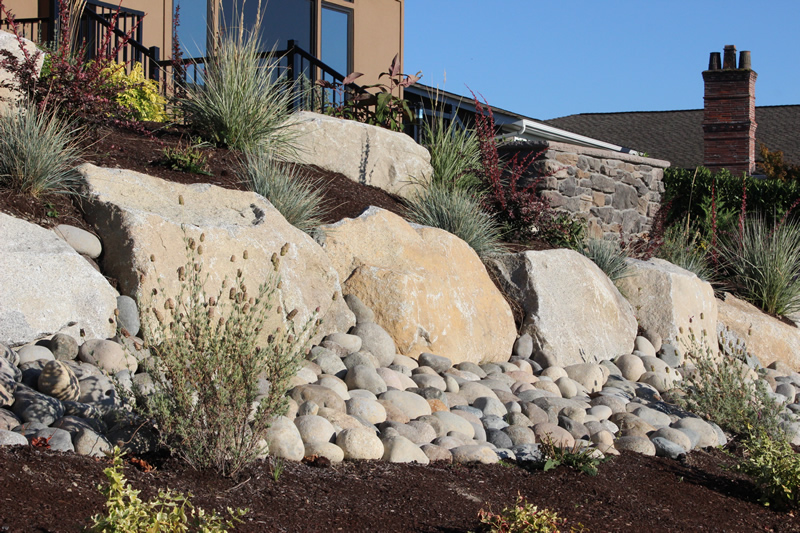
Image Source: www.earthhaulers.com
Deciphering Rock Density: The Key to Weight
The fundamental principle behind determining the weight of any material per volume is its rock density. Density is a measure of how much mass is contained within a given space. For rocks, this translates to how heavy a cubic foot or cubic yard of that specific rock type will be.
Think of it this way: if you had a box the same size, a denser material would feel much heavier than a less dense one. This is because the atoms or molecules are packed more tightly together.
Why Rock Density Matters for Your Project
Knowing the rock density is your first step to accurately calculating the cubic yard rock weight. Different rock types have vastly different densities due to their mineral composition and how they are formed. For instance, a dense igneous rock like granite will weigh more per cubic yard than a lighter sedimentary rock like sandstone.
When you’re ordering gravel or stone for your driveway, garden paths, or a decorative feature, suppliers often provide information based on common rock types. Understanding rock density empowers you to:
- Estimate delivery costs: Some delivery services charge based on weight, especially for larger quantities or specialized trucks.
- Determine hauling capacity: Knowing the weight helps you avoid overloading trucks or trailers, ensuring safety and compliance with weight limits.
- Calculate material needs: While you order by volume, knowing the weight can help in budgeting and ensuring you have enough material without over-ordering.
- Plan for site preparation: If you’re building a foundation or a retaining wall, the weight of the rock will impact the load-bearing capacity of the ground.
The Weight of Gravel Per Cubic Yard: Common Types
When people talk about rocks in landscaping and construction, they often mean gravel. Gravel is a broad term for rock fragments that are typically between 2 mm and 64 mm in size. The weight of gravel per cubic yard varies significantly based on its composition, size, and how compacted it is.
Let’s look at some common types of gravel and their approximate weights:
Gravel Density Chart: A Quick Reference
This chart provides estimated weights per cubic yard for common gravel types. Remember, these are averages, and actual weights can fluctuate.
| Gravel Type | Typical Density (lbs/cubic yard) | Approximate Weight Range (lbs/cubic yard) | Key Characteristics |
|---|---|---|---|
| Crushed Stone (Various) | 2,500 | 2,400 – 2,700 | Angular, sharp edges, good for base layers, drainage, and decorative purposes. |
| Pea Gravel | 2,400 | 2,300 – 2,500 | Small, rounded stones, often used for playgrounds, pathways, and decorative landscaping. |
| River Rock | 2,600 | 2,500 – 2,700 | Smooth, rounded stones, natural appearance, good for dry creek beds and decorative borders. |
| Granite Gravel | 2,700 | 2,600 – 2,800 | Crushed granite, durable, good for driveways and high-traffic areas. |
| Limestone Gravel | 2,450 | 2,350 – 2,550 | Crushed limestone, often used as a base material due to its cementing properties when wet. |
| Sandstone Gravel | 2,300 | 2,200 – 2,400 | Softer than granite, good for decorative use and pathways. |
This table gives you a good starting point for answering how much does gravel weigh.
Factors Influencing Gravel Weight
Several factors can cause the actual weight of gravel per cubic yard to deviate from these averages:
- Moisture Content: Wet gravel is significantly heavier than dry gravel because water adds mass. If the gravel has been exposed to rain or is stored in damp conditions, it will weigh more.
- Compaction: How tightly the gravel is packed affects its density. Loose, uncompacted gravel will have more air pockets and therefore weigh less per cubic yard than compacted gravel. This is especially relevant after installation on a driveway or path.
- Particle Size and Shape: While the general category is “gravel,” the size of individual stones and their shape (angular vs. rounded) can subtly influence how they pack together, impacting the overall density.
- Impurities: The presence of dirt, clay, or other fine materials mixed in with the gravel can alter its density and therefore its weight.
Stone Weight by Volume: Beyond Gravel
While gravel is common, many projects utilize larger stones or crushed rock products. The principle remains the same: stone weight by volume is dictated by the specific type of stone and its density.
Granite Weight Per Yard: A Heavyweight Contender
Granite is a very popular and durable stone used in various applications, from countertops to decorative landscaping. Due to its dense crystalline structure, granite weight per yard is on the higher end.
- Crushed Granite: Typically weighs around 2,700 to 2,800 pounds per cubic yard. This is due to its angularity and interlocking nature when crushed, creating a dense material.
- Larger Granite Boulders/Rocks: The weight of individual, larger granite rocks will vary greatly depending on their specific gravity and size. However, when broken down or considered as fill material, their density remains consistent.
Crushed Stone Weight: A Broad Category
Crushed stone weight is a broad term encompassing various types of broken rock. This category is frequently used in construction for sub-base layers, drainage, and concrete mixes.
- General Crushed Stone: As seen in the gravel chart, crushed stone, especially when angular and dense, can weigh between 2,400 and 2,700 pounds per cubic yard.
- Specific Crushed Rock Types: If you’re dealing with a specific type of crushed rock, like basalt or trap rock, their densities can push the upper limits of this range, sometimes even exceeding 2,800 pounds per cubic yard.
Landscaping Rock Weight: Aesthetics and Practicality
When selecting landscaping rock weight, you’re often balancing aesthetic appeal with practical considerations like ease of handling and cost.
- Decorative River Rock: While smooth and rounded, river rock is often composed of dense igneous or metamorphic rocks, leading to weights in the 2,500 to 2,700 pounds per cubic yard range.
- Lava Rock: Lightweight and porous, lava rock is an exception. Its density is much lower, often weighing only 1,000 to 1,500 pounds per cubic yard. This makes it easier to spread and handle but means you’ll need more volume to achieve the same visual effect as denser rocks.
- Flagstone/Slate: These are typically sold by the ton or by the piece, but when considering their weight as a bulk material, their density can vary, though they are generally denser than gravel.
Calculating Your Rock Weight: Tools and Techniques
Now that you have an idea of the factors involved, let’s talk about how to get a more precise answer for your needs.
How to Calculate Stone Weight
The basic formula for calculating the weight of a material is:
Weight = Volume × Density
However, for practical purposes, you won’t typically measure rock density yourself. Instead, you’ll rely on established values for different rock types.
The Role of a Rock Tonnage Calculator
A rock tonnage calculator is an invaluable online tool. You input the type of rock and the volume (in cubic yards or tons), and it will convert between the two. Many suppliers will provide their own calculators or charts based on the specific materials they sell.
Example: If you need 10 cubic yards of crushed stone that weighs approximately 2,500 pounds per cubic yard, a calculator would show:
- Total weight in pounds = 10 cubic yards × 2,500 lbs/cubic yard = 25,000 lbs
- Total weight in tons = 25,000 lbs / 2,000 lbs/ton = 12.5 tons
This simple calculation helps answer how much does a yard of rock weigh for your specific project volume.
Factors to Consider When Using Calculators
- Source of Information: Ensure the calculator or density chart you’re using is from a reputable source, preferably your material supplier.
- Moisture: Most standard weight estimations are for dry, compacted material. If your rock is wet, you’ll need to add an estimated percentage for water weight.
- Compaction Level: Calculations are usually based on reasonably compacted material. If you’re ordering loose fill, the weight per cubic yard might be slightly lower.
The Importance of Accurate Weight Estimation
Why is it so critical to know the cubic yard rock weight?
Transportation and Logistics
- Vehicle Capacity: Trucks and trailers have Gross Vehicle Weight Ratings (GVWR). Overloading can lead to accidents, fines, and damage to your vehicle. Knowing the weight of your load is paramount. For example, if a cubic yard of gravel weighs 2,500 lbs, 4 cubic yards would be 10,000 lbs (5 tons), which is a significant weight for a standard pickup truck or small trailer.
- Delivery Costs: Many landscape supply companies charge for delivery based on the distance and the weight of the load. Understanding your material’s weight helps you anticipate these costs.
Project Planning and Budgeting
- Material Quantity: While you order by volume, knowing the approximate weight helps in bulk purchasing and can sometimes lead to better pricing if you’re buying by the ton.
- Equipment Needs: For large projects, knowing the weight might influence the type of machinery needed for placement, such as using a skid steer with a heavier lifting capacity.
Structural Integrity and Site Preparation
- Foundation Support: If you’re using rock as a base for a structure, patio, or driveway, its weight contributes to the overall load on the ground. In some cases, especially with very heavy rocks or deep fills, soil bearing capacity needs to be considered.
- Drainage Layers: While weight is a factor, the primary function of certain rock layers (like drainage gravel) is porosity. However, even these layers add significant weight to the overall structure.
Frequently Asked Questions (FAQ)
Q1: How much does a cubic yard of crushed gravel weigh?
A cubic yard of crushed gravel typically weighs between 2,400 and 2,700 pounds, depending on the specific type of stone and its moisture content.
Q2: Is pea gravel heavier or lighter than crushed stone per cubic yard?
Pea gravel is generally slightly lighter per cubic yard than angular crushed stone. Its rounded shape means it doesn’t pack as tightly, leaving more air space. Pea gravel usually weighs around 2,300 to 2,500 pounds per cubic yard.
Q3: How much does a ton of gravel cover in cubic yards?
This depends on the density of the gravel. For gravel that weighs 2,500 pounds per cubic yard, one ton (2,000 pounds) would cover approximately 0.8 cubic yards (2,000 lbs / 2,500 lbs/cubic yard = 0.8 cubic yards).
Q4: Can I estimate the weight of any rock type?
Yes, you can estimate the weight of most common rock types if you know their approximate density. Look for reliable gravel density charts or consult with your supplier. For less common or very specific rocks, finding precise density figures might require more research.
Q5: Does the moisture in rocks affect their weight?
Yes, significantly. Wet rocks are heavier than dry rocks. Water adds considerable mass, so if you’re calculating weight for dry material, be aware that freshly delivered or rain-soaked rock will weigh more.
Q6: Where can I find a rock tonnage calculator?
Many landscaping supply companies, construction material websites, and general home improvement sites offer online rock tonnage calculator tools. A quick search for “rock tonnage calculator” or “gravel weight calculator” will yield many results.
Q7: What is the average weight of a cubic yard of sand?
While this guide focuses on rock, it’s worth noting that a cubic yard of sand typically weighs between 2,500 and 3,000 pounds, depending on its moisture content and type (e.g., play sand, builder’s sand).
Q8: How do I calculate the weight of loose vs. compacted rock?
Compacted rock is denser and therefore weighs more per cubic yard than loose rock. The difference can be substantial. Estimates are usually based on compacted material. If you’re ordering loose fill, expect the weight per cubic yard to be on the lower end of the estimated range.
By grasping the concepts of rock density, consulting gravel density charts, and using available tools, you can confidently answer the question: “How much does a yard of rock weigh?” for any of your projects. This knowledge ensures better planning, safer transportation, and more successful outcomes.