
What is a rolly polly? Rolly pollies, also known as pill bugs or sowbugs, are small, grey, segmented crustaceans that are often found in damp, dark places in gardens. Can I use natural methods to get rid of them? Yes, you absolutely can use natural methods for woodlice control and pill bug infestation in your garden.
Many gardeners find themselves asking how to get rid of rolly pollies in the garden. These little creatures, while not inherently harmful to most healthy plants, can sometimes become a nuisance, especially when large numbers gather. They are attracted to decaying organic matter, making them beneficial decomposers in their own right. However, when their population booms, or when young seedlings are present, you might want to consider pest management strategies. Fortunately, there are many easy ways how to get rid of rolly pollies in garden, leaning heavily on natural pest control and organic pest solutions.
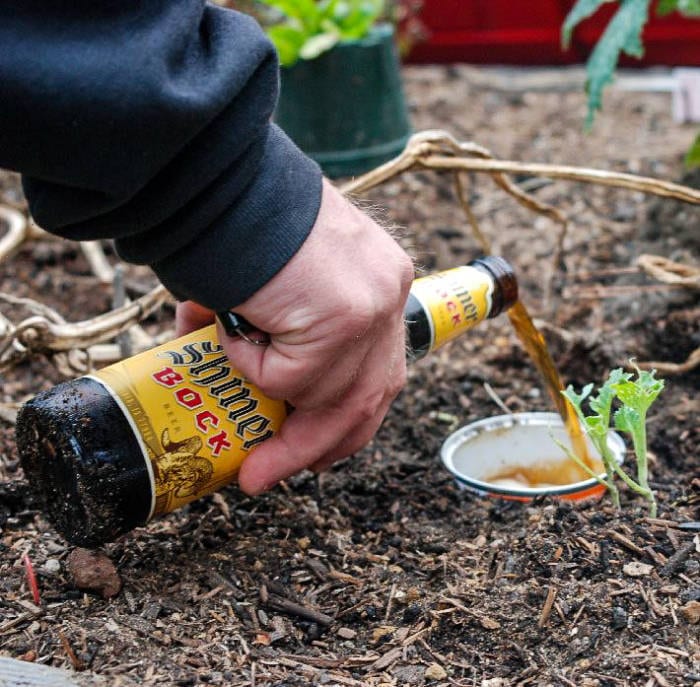
Image Source: growingspaces.com
Deciphering Rolly Polly Habits
Before we dive into eradication, it’s helpful to understand what attracts rolly pollies. They are essentially tiny recyclers of the garden, feeding on dead leaves, rotting wood, and other decaying plant material. Their ideal habitat is moist and dark. This means you’ll find them under rocks, logs, mulch, leaf litter, and in damp soil.
- Moisture: They breathe through gill-like structures, which need moisture to function. Too much dryness will kill them.
- Shelter: They seek protection from predators and the sun in dark, enclosed spaces.
- Food Source: Decaying organic matter is their primary food.
When rolly pollies start causing trouble, it’s often because their preferred food sources are abundant or their damp shelters are too inviting. They might also nibble on soft, tender plants, especially seedlings, if other food sources are scarce.
Your Go-To Guide for Rolly Polly Eradication
Let’s explore some effective and gentle ways to manage these garden dwellers.
1. Altering the Garden Environment
The most sustainable approach to woodlice control is to make your garden less hospitable to them. This is a core principle of natural pest control.
Modifying Moisture Levels
Since rolly pollies need moisture, reducing excess dampness in your garden can significantly deter them.
- Improve Drainage: Ensure your garden beds drain well. Waterlogged soil creates the perfect damp environment.
- Water Wisely: Water your plants in the morning. This allows the soil surface to dry out during the day, making it less appealing to rolly pollies. Avoid overwatering.
- Mulch Management: While mulch is excellent for retaining soil moisture and suppressing weeds, a very thick layer can create a damp, dark haven for rolly pollies. Consider applying mulch a little further away from the base of plants, especially vulnerable seedlings.
Eliminating Shelters
Rolly pollies love to hide. Removing their favorite hiding spots is a key step in pest management.
- Clear Debris: Regularly clean up fallen leaves, dead plant material, and rotting wood from your garden beds. This removes both food and shelter.
- Lift Rocks and Logs: If you have rocks or logs sitting directly on the soil, lift them periodically. This disrupts their habitat and exposes them to drying conditions and predators.
- Container Gardening: If you use pots, ensure they aren’t sitting in saucers constantly filled with water. Elevate pots slightly to allow air circulation underneath.
2. Natural Deterrents and Traps
Sometimes, you need a more direct approach. Luckily, there are several organic pest solutions.
The Simple Trap
This is a classic and effective method for pill bug infestation control.
-
The Citrus Trap: Cut a grapefruit, orange, or cantaloupe in half. Scoop out some of the flesh, creating a small cavity. Place these halves, cut-side down, in areas where you see the most rolly pollies. The rolly pollies will be drawn to the moist, decaying fruit and congregate inside. Check the traps in the morning and dispose of the collected rolly pollies (you can gently shake them off into a bucket of soapy water, or relocate them far from your garden).
-
The Potato Trap: Similar to the citrus trap, a hollowed-out potato can also work. Cut a potato in half, scoop out a bit, and place it cut-side down.
-
The Cardboard Trap: Dampened cardboard pieces can also lure them. Fold a piece of damp cardboard and place it where rolly pollies are active. They will seek shelter within the moist cardboard.
Table 1: Simple Trapping Methods for Rolly Pollies
| Trap Type | How it Works | Best Placement Areas |
|---|---|---|
| Citrus Halves | Moist, decaying fruit attracts them to gather inside. | Near affected plants, under leaf litter. |
| Hollowed Potato | Similar to citrus, provides moisture and a food source. | Around vulnerable seedlings, damp garden corners. |
| Damp Cardboard | Offers a dark, moist shelter for them to congregate. | Under mulch, near foundations, in moist soil areas. |
Diatomaceous Earth (DE)
Food-grade diatomaceous earth is a natural powder made from fossilized aquatic organisms. Its microscopic sharp edges scratch the exoskeleton of insects and rolly pollies, causing them to dehydrate.
- Application: Sprinkle a thin layer of DE around the base of plants or in areas where you see significant rolly polly activity.
- Important Note: DE is most effective when dry. Reapply after rain or heavy dew. It’s also important to avoid inhaling the dust.
Beneficial Nematodes
These microscopic roundworms are natural predators of many soil-dwelling pests, including the larval stages of some insects. While they don’t directly target adult rolly pollies, a healthy population of beneficial nematodes contributes to overall soil health and can help keep various garden pests in check.
3. Encouraging Natural Predators
Your garden ecosystem can be your best ally. Welcoming natural predators of rolly pollies can provide organic pest solutions.
- Birds: Many birds enjoy a protein snack. Encourage birds by providing water sources and native plants.
- Toads and Frogs: These amphibians are excellent at controlling various insect populations, including rolly pollies. A small pond or water feature can attract them.
- Ground Beetles: These beneficial insects are active hunters and will prey on rolly pollies. Avoid using broad-spectrum pesticides that harm them.
- Spiders: While not everyone’s favorite, spiders are voracious predators of many insects.
4. Addressing Related Garden Pests
Sometimes, what seems like a rolly polly problem is actually a symptom of other issues, or rolly pollies might be cohabiting with other common garden pests.
Slug and Snail Control
Slugs and snails also thrive in damp conditions and feed on plants. Methods for slug removal can indirectly reduce rolly polly populations by removing some of their favored damp habitats and food sources.
- Beer Traps: Bury shallow containers (like yogurt cups) so the rim is level with the soil. Fill them with beer. Slugs and snails are attracted to the yeast and drown.
- Copper Barriers: Copper tape or wire around garden beds can deter slugs and snails due to a mild electrical reaction.
- Manual Removal: The most basic method is to simply pick them off by hand, especially at dawn or dusk.
Ant Control
Ants can sometimes be found alongside rolly pollies, especially if there’s a food source nearby. While ants aren’t direct predators of rolly pollies, managing them can contribute to a healthier garden balance.
- Natural Deterrents: Soapy water spray can deter ants. Borax mixed with sugar can also be used as a bait, but use with caution in areas accessible to pets or children.
- Eliminate Food Sources: Keep the garden clean of spills or accessible food waste.
Earwig Deterrent
Earwigs also like damp, dark places and can sometimes damage plants. While they can also eat rolly pollies, a large population might indicate overly moist conditions.
- Oatmeal Traps: Similar to other traps, rolled oats can attract earwigs. Place them in small containers.
- Reduce Hiding Spots: Keep your garden tidy to reduce their preferred habitats.
5. Maintaining Soil Health
A healthy garden is a resilient garden. Focusing on soil health can create a balanced ecosystem where pests are naturally kept in check.
- Composting: Properly managed compost piles are great for your garden. However, an overly wet or neglected compost pile can become a rolly polly nursery. Ensure your compost is turned regularly and has a good balance of wet and dry materials.
- Aeration: Compacted soil can lead to poor drainage and excessive moisture. Aerating your soil periodically improves water infiltration and air circulation.
- Healthy Plants: Strong, healthy plants are better able to withstand minor pest damage. Good soil, proper watering, and appropriate feeding all contribute to plant vitality.
What NOT to Do
When dealing with rolly pollies, it’s best to avoid harsh chemicals.
- Avoid Broad-Spectrum Pesticides: These chemicals can harm beneficial insects, pollinators, and even your pets or children. They disrupt the natural balance of your garden and can damage soil health.
- Don’t Over-Rely on Water: While watering is necessary, overwatering is the primary culprit for attracting rolly pollies.
Frequently Asked Questions (FAQ)
Q1: Are rolly pollies harmful to my garden plants?
Generally, no. Rolly pollies primarily feed on decaying organic matter. They might nibble on very young, tender seedlings or damaged plant parts, but they are not usually a significant threat to established plants.
Q2: When is a rolly polly infestation a problem?
An infestation becomes a problem when you see large numbers of them congregating on living plants, especially young seedlings, or if they are causing visible damage to your plants.
Q3: How quickly can I get rid of rolly pollies?
Natural methods often take a little time to show significant results as you are working with the garden’s ecosystem. Trapping can provide immediate reduction, while environmental changes are more long-term solutions.
Q4: Can I relocate rolly pollies instead of killing them?
Yes, absolutely! If you collect them using traps or by hand, you can relocate them to a wooded area or a compost pile far from your garden. This is a very organic pest solution.
Q5: Do rolly pollies attract other pests?
While rolly pollies themselves don’t directly attract many other pests, the damp, decaying conditions that attract them can also attract other unwanted visitors like slugs, snails, and certain fungi. Keeping your garden tidy and well-drained helps prevent this.
Q6: Is diatomaceous earth safe for my soil?
Food-grade diatomaceous earth is generally considered safe for soil, and it breaks down over time. However, it’s still a desiccant and can harm beneficial insects if applied too liberally or directly on them. Use it sparingly and in targeted areas.
By implementing these simple and effective strategies, you can successfully manage rolly pollies in your garden, promoting a healthier and more balanced ecosystem for all your plants. Remember, a little bit of observation and gentle intervention goes a long way in pest management.