
How To Get Rid Of Bermuda Grass In Lawn: Effective Solutions
What is Bermuda grass? Can you get rid of Bermuda grass? Yes, you absolutely can get rid of Bermuda grass from your lawn. This tough, warm-season grass, while loved by some for its resilience in hot climates, is often considered a weed when it invades areas where it’s not wanted, like in a cool-season turf. This guide will walk you through effective strategies for Bermuda grass removal and maintaining a healthy, weed-free lawn. We’ll cover Bermuda grass identification, various lawn weed control methods, and tips for preventing Bermuda grass spread.
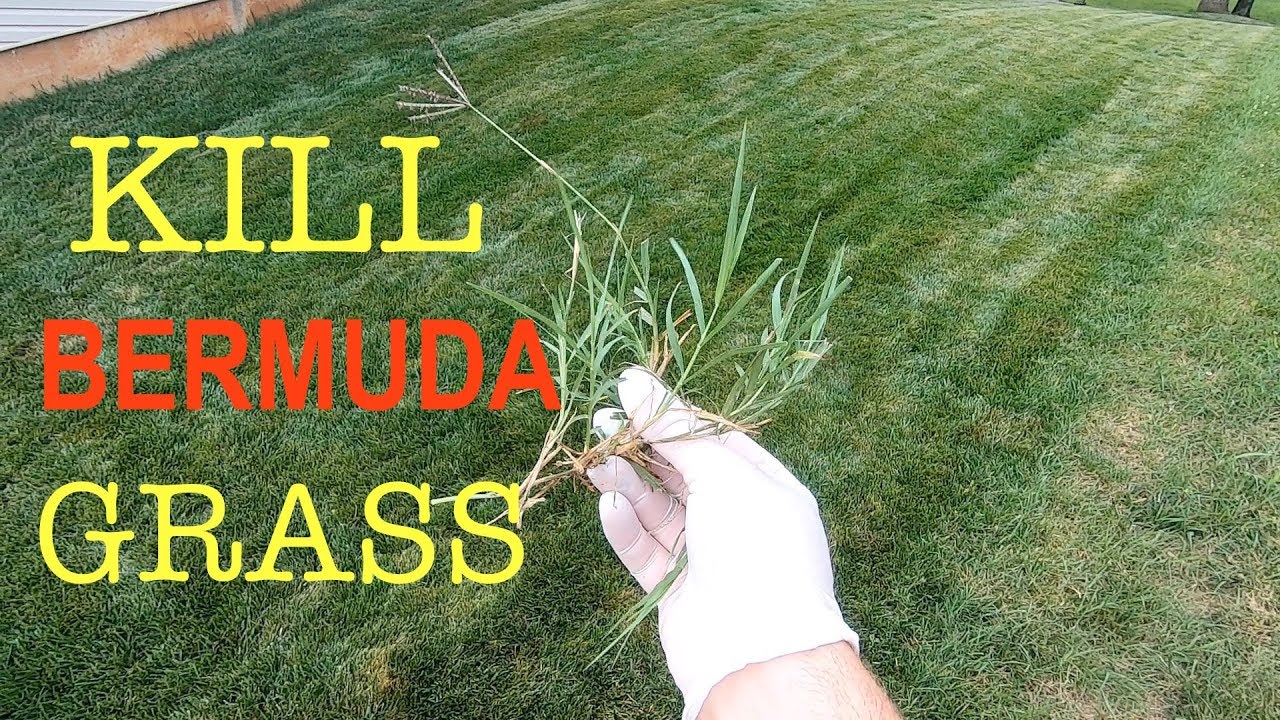
Image Source: i.ytimg.com
Deciphering Bermuda Grass: Characteristics and Why It’s a Problem
Before you can effectively tackle Bermuda grass, it’s crucial to know how to identify it. This knowledge is the first step in successful invasive grass removal.
Bermuda Grass Identification
Bermuda grass (Cynodon spp.) is a warm-season perennial grass known for its aggressive growth habit and ability to thrive in hot, sunny conditions. Here’s what to look for:
- Growth Pattern: It spreads rapidly via rhizomes (underground stems) and stolons (above-ground runners). These spreaders are thick and white or purplish, forming a dense, mat-like growth that can choke out desirable lawn grasses.
- Leaf Blades: Bermuda grass has fine to medium texture leaf blades. They are typically light green to bluish-green.
- Leaf Sheath: The sheath (the part that wraps around the stem) is often flattened, giving it a boat-hull shape at the tip.
- Ligule: The ligule (where the leaf blade meets the sheath) is a fringe of fine hairs.
- Seed Heads: When it does produce seed heads, they are usually in the form of several finger-like spikes radiating from the top of a single stem. This is a key identifier.
- Dormancy: In cooler months, Bermuda grass turns brown and goes dormant, while cool-season grasses often remain green. This seasonal difference can also help with identification.
Why Bermuda Grass Becomes a Problem Weed
While it’s a popular choice for athletic fields and golf courses in warmer regions, Bermuda grass is often an unwanted intruder in other lawn types.
- Aggressive Spreading: Its prolific underground and above-ground spread allows it to quickly take over areas of your lawn, outcompeting your desired grass species.
- Turf Damage: When it invades cool-season lawns (like fescues or bluegrasses), it can create a patchy, unsightly appearance, especially when it goes dormant in winter and turns brown.
- Difficulty in Removal: Its extensive root system and spreading rhizomes make it notoriously difficult to eradicate once established.
Strategies for Bermuda Grass Removal
Getting rid of Bermuda grass requires persistence and a multi-pronged approach. You’ll likely need to combine several methods for the best results.
Manual Bermuda Grass Pulling and Digging Out Bermuda Grass
For smaller infestations or as a first line of defense, manual removal can be effective, though it’s labor-intensive.
- When to Do It: The best time to pull or dig is when the soil is moist, making it easier to extract the entire root system.
- Technique:
- Digging Out Bermuda Grass: Use a sharp spade or trowel to carefully dig around the base of the Bermuda grass clumps. Aim to get as much of the rhizomes and stolons as possible. Dispose of the removed grass far from your lawn to prevent re-rooting.
- Manual Bermuda Grass Pulling: For the stolons that run along the surface, you can sometimes pull them by hand, especially after rain. Ensure you get the entire length and any small roots emerging from the nodes.
- Pros:
- Environmentally friendly.
- Immediate visual results for small areas.
- No chemical exposure.
- Cons:
- Extremely labor-intensive.
- Difficult to remove every single root and rhizome, leading to regrowth.
- Impractical for large infestations.
Chemical Control: Herbicides for Bermuda Grass
When manual methods aren’t enough, herbicides can be a powerful tool for Bermuda grass removal. It’s crucial to select the right type of herbicide for Bermuda grass and apply it correctly.
-
Selective vs. Non-Selective Herbicides:
- Non-Selective Herbicides: These kill all vegetation they come into contact with, including your desired lawn grass. Examples include glyphosate-based products. These are best used for spot treatment in non-lawn areas or when completely renovating a lawn infested with Bermuda grass. You’ll need to reseed or re-sod after using them.
- Selective Herbicides: These are designed to target specific types of plants while leaving others unharmed. Finding a selective herbicide that effectively kills Bermuda grass without harming cool-season grasses is challenging. Some products might suppress Bermuda grass or provide control in specific situations.
-
Application Strategies:
- Spot Treatment: Apply herbicide directly to the Bermuda grass patches. This minimizes damage to surrounding desirable grass.
- Broadcast Application: This is generally not recommended for selective removal of Bermuda grass from a mixed lawn, as it can harm your desired turf.
- Timing is Key: Apply herbicides when Bermuda grass is actively growing and the weather is suitable (check product labels for temperature and wind restrictions). Multiple applications may be necessary.
-
Common Herbicides Used (Always follow label instructions carefully):
- Fluazifop-p-butyl (e.g., Fusilade II): This is a selective post-emergent herbicide that targets grassy weeds, including Bermuda grass, and is often safe for use on broadleaf plants and some desirable turfgrasses (check label for specific turf compatibility). It works by inhibiting the enzyme Acetyl-CoA carboxylase (ACCase).
- Sethoxydim (e.g., Poast Plus): Similar to fluazifop, sethoxydim is another ACCase inhibitor that can control Bermuda grass in certain ornamental settings and some turf situations. Again, checking the label for specific turf compatibility is vital.
- Trisodium Ethylenediamine Disuccinate (often found in products like “Tenacity”): This herbicide can be used to suppress or control Bermuda grass in cool-season turf. It works by inhibiting the HPPD enzyme. It can cause temporary whitening of the treated grass, but this usually recovers. It offers a degree of selectivity.
-
Important Considerations for Herbicide Use:
- Read the Label: This is the most critical step. The product label will tell you what it kills, what it’s safe for, how to apply it, and safety precautions.
- Test in an Inconspicuous Area: Before applying any herbicide to your entire lawn, test it on a small, unnoticeable patch to ensure it doesn’t damage your desired grass.
- Multiple Applications: Bermuda grass is persistent. You will likely need to reapply herbicides several times throughout the growing season to achieve control.
- Temperature: Apply herbicides when soil temperatures are appropriate for active growth and when air temperatures are within the recommended range on the label. Avoid applying during heat waves or drought.
- Rainfall: Do not apply if rain is expected within 24 hours, as this can wash the herbicide away before it can be absorbed.
- Wind: Avoid spraying on windy days to prevent drift onto desirable plants or neighboring properties.
Natural Grass Killer Options
For those seeking natural grass killer solutions, several methods can help suppress or weaken Bermuda grass, though they may be less potent than synthetic herbicides.
- Vinegar (Horticultural Grade): High-concentration vinegar (10-20% acetic acid) can burn and kill the foliage of Bermuda grass on contact. However, it is non-selective and can harm any plant it touches. It primarily affects the top growth and may not kill the extensive root system, leading to regrowth.
- Boiling Water: Pouring boiling water directly on Bermuda grass clumps can kill the plant. This is a very targeted approach but requires significant effort for larger areas and will kill any desirable grass it contacts.
-
Smothering (Solarization or Mulching):
- Solarization: This involves covering the infested area with clear plastic sheeting during the hottest part of the summer. The sun’s heat trapped under the plastic can kill the grass and its roots. This method requires a prolonged period (4-6 weeks) and will also sterilize the soil, killing beneficial microorganisms and seeds.
- Mulching: Thick layers of organic mulch (like wood chips or compost) can suppress Bermuda grass growth by blocking sunlight. This is more effective for preventing spread in garden beds rather than removing it from a lawn.
-
Pros of Natural Methods:
- Environmentally friendly.
- Safer for pets and children (once dry, in the case of vinegar).
- Cons of Natural Methods:
- Often less effective at complete eradication.
- May require repeated applications.
- Can be non-selective.
- Boiling water and solarization are labor-intensive and may require lawn renovation.
Cultural Practices to Combat Bermuda Grass
Good lawn care practices can help your desired grass outcompete Bermuda grass and make your lawn less hospitable to its encroachment.
- Mowing Height: Maintain a proper mowing height for your specific grass type. Taller turfgrasses can shade out and suppress Bermuda grass runners. For cool-season grasses, this often means mowing higher than you might think.
- Proper Watering: Water deeply and infrequently to encourage deep root growth in your desired turf. Avoid frequent, shallow watering, which can benefit the shallow-rooted Bermuda grass.
- Fertilization: Feed your lawn with the appropriate fertilizers at the right times of year. A healthy, well-fed lawn is more resilient and better able to compete with weeds.
- Aeration and Dethatching: Compacted soil and excessive thatch can weaken your lawn and provide an ideal environment for weeds like Bermuda grass to establish. Regular aeration and dethatching improve soil health and air circulation.
- Overseeding (for cool-season lawns): In the fall, overseeding a cool-season lawn can help thicken the turf and fill in any bare spots where Bermuda grass might try to take hold.
Preventing Bermuda Grass Spread
Once you’ve managed to reduce Bermuda grass, preventing Bermuda grass spread is crucial to keeping it from returning or invading new areas.
- Containment:
- Edging: Install physical barriers, such as metal or plastic edging, around flower beds and pathways to prevent Bermuda grass stolons from creeping in.
- Root Barriers: For severe infestations near desirable areas, consider installing a root barrier a foot or more underground to block rhizomes.
- Vigilance: Regularly inspect your lawn for new Bermuda grass patches. The sooner you catch it, the easier it is to remove.
- Clean Mowing Equipment: If you use a mower on an infested area and then move to a clean area, thoroughly clean your mower to avoid spreading seeds or rhizome fragments.
- Proper Disposal: When manually removing Bermuda grass, bag it and dispose of it in a way that prevents it from re-rooting (e.g., a hot compost pile or landfill).
- Healthy Turf: The best defense is a thick, healthy lawn. By implementing the cultural practices mentioned earlier, you create an environment that favors your desired grass and discourages weeds.
Comparative Analysis of Removal Methods
Here’s a look at the pros and cons of different Bermuda grass removal strategies to help you choose the best approach.
| Method | Effectiveness Against Bermuda Grass | Effort Required | Environmental Impact | Speed of Results | Best For |
|---|---|---|---|---|---|
| Manual Pulling/Digging | Low to Medium | Very High | Low | Immediate (for removed parts) | Small patches, early detection |
| Non-Selective Herbicide (Glyphosate) | Very High | Medium | Medium | Days to Weeks | Complete lawn renovation, non-lawn areas |
| Selective Herbicide (Fluazifop, Sethoxydim) | High | Medium | Medium | Weeks to Months | Bermuda grass in non-Bermuda turf, spot treatment |
| Selective Herbicide (Tenacity) | Medium to High (suppression) | Medium | Medium | Weeks to Months | Bermuda grass in cool-season turf |
| Horticultural Vinegar | Low to Medium | Medium | Low | Days | Spot treatment, temporary control |
| Boiling Water | Medium | High | Low | Immediate | Very small, isolated patches |
| Smothering (Solarization/Mulching) | Medium to High | High | Low | Months | Large infested areas, dormant periods |
| Healthy Lawn Practices | Medium (preventative/suppressive) | Medium | Low | Ongoing | All lawn types, maintaining health |
Frequently Asked Questions About Bermuda Grass Removal
Q1: How long does it take to get rid of Bermuda grass?
A: It can take anywhere from several months to over a year, depending on the size of the infestation, the methods used, and your persistence. Complete eradication often requires multiple treatments and consistent effort.
Q2: Will Roundup kill Bermuda grass?
A: Roundup (glyphosate) is a non-selective herbicide that will kill Bermuda grass. However, it will also kill any other grass or plant it touches. It’s effective for clearing out an area entirely before replanting, but not for selective removal within a mixed lawn.
Q3: Can I just dig out the brown patches in winter?
A: In winter, Bermuda grass goes dormant and turns brown. While it looks dead, the rhizomes and stolons are still alive underground. Digging out only the brown top growth won’t eliminate the plant. You need to remove the living root system.
Q4: Is there a weed killer that targets only Bermuda grass?
A: Finding a perfectly selective weed killer that targets only Bermuda grass and leaves all other desirable grasses untouched is difficult. Some selective herbicides like fluazifop or sethoxydim can control Bermuda grass in specific types of turf, but always check the product label for compatibility with your lawn species. Products containing tenacity can also suppress it in cool-season lawns.
Q5: How can I prevent Bermuda grass from spreading to my garden beds?
A: Install a physical barrier like landscape edging at least 4-6 inches deep around your garden beds. Regularly inspect the edges and pull any Bermuda grass that attempts to cross the barrier. Mulching heavily in garden beds can also help suppress its growth.
Q6: What is the best time of year to treat Bermuda grass?
A: The most effective time to treat Bermuda grass is when it is actively growing, which is during the warm summer months. Post-emergent herbicides work best when the plant is metabolically active and can translocate the chemical to its roots.
By employing a combination of identification, targeted removal strategies, and vigilant prevention, you can effectively manage and ultimately eliminate Bermuda grass from your lawn, restoring the health and beauty of your turf.