
Moss in your lawn can be a frustrating sight. Can you get rid of it? Yes, you can effectively rid your lawn of moss with the right approach. This guide will walk you through the most effective ways and simple solutions for tackling this common lawn problem.
Moss thrives in specific conditions, often indicating underlying issues in your lawn. By addressing these causes, you can not only achieve successful moss removal but also cultivate a healthier, greener lawn in the long run. Let’s dive into the comprehensive methods for killing moss on lawn and keeping it at bay.
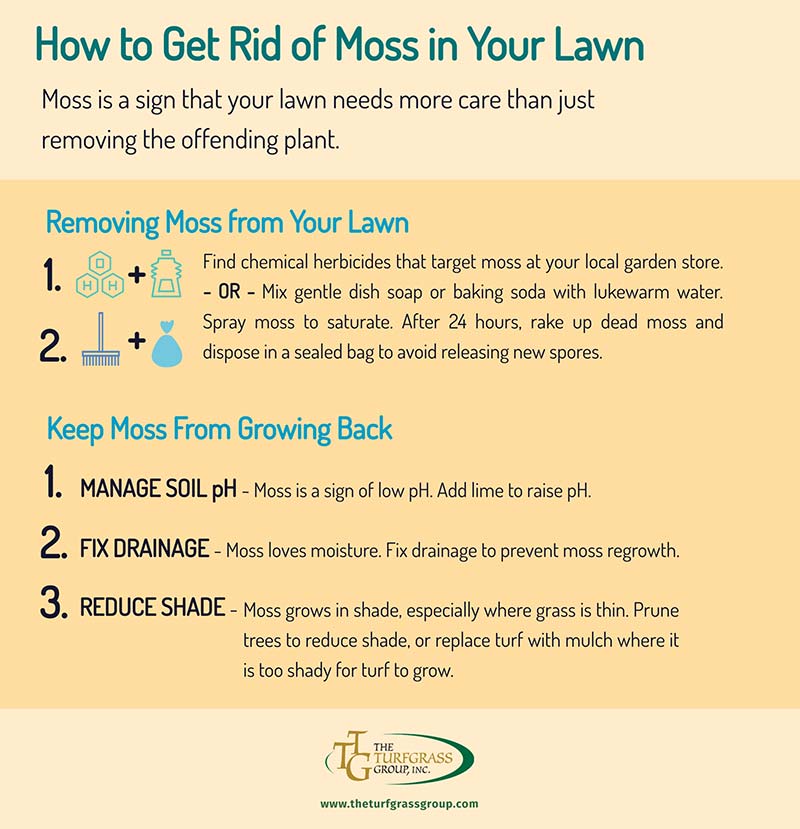
Image Source: theturfgrassgroup.com
Deciphering Why Moss Appears
Before we get to the solutions, it’s crucial to grasp why moss takes hold. Moss isn’t a weed; it’s a primitive plant that lacks true roots, stems, and flowers. It reproduces via spores and prefers damp, shady, and compacted soil. Identifying these conditions is the first step to effective lawn care moss treatment.
Common culprits for moss growth include:
- Shade: Areas with limited sunlight are prime real estate for moss.
- Poor Drainage: Waterlogged soil creates an ideal moist environment.
- Compacted Soil: This restricts air and water flow to grass roots, allowing moss to gain a foothold.
- Low Soil Fertility: Nutrient-poor soil weakens grass, making it susceptible to moss invasion.
- Acidic Soil: Moss generally prefers soil with a lower pH.
- Thatch Buildup: A thick layer of dead grass and organic matter traps moisture and creates shade.
Effective Methods for Moss Removal
Once you understand the “why,” you can implement targeted strategies for moss control lawn. There are several approaches, ranging from manual removal to chemical treatments. The best way to get rid of moss often involves a combination of these methods.
Manual Moss Removal
For smaller patches or as an initial step, manual removal is a viable option.
Raking and Scarifying
- Tools: A stiff-bristled rake or a specialized lawn scarifier/dethatcher is best.
- Process: Vigorously rake the mossy areas. This physically pulls out the moss and its shallow anchoring structures. For more stubborn moss, a scarifier will cut into the soil, dislodging it more effectively.
- Timing: This is best done in early spring or autumn when the lawn is actively growing.
Digging Out Moss
- For very dense patches, you can carefully dig out the moss with a spade or trowel. Ensure you remove a little of the underlying soil to get all the anchoring parts.
Chemical Treatments: Killing Moss on Lawn
Chemical solutions offer a quicker way to kill moss. It’s important to note that most chemical moss killer for grass products kill the moss but don’t address the underlying causes. Therefore, they are most effective when used in conjunction with other lawn care practices.
Commercial Moss Killers
These products typically contain active ingredients like iron sulfate (ferrous sulfate) or copper sulfate.
- Iron Sulfate (Ferrous Sulfate): This is a common and effective moss killer. It reacts with the moss, turning it black, and then can be raked out. It also provides iron to the soil, which can benefit grass health, but overuse can lead to blackening of grass blades temporarily.
- Application: Follow product instructions carefully. Usually, it’s applied as a granular or liquid solution.
- Timing: Apply when moss is actively growing, typically in spring or autumn.
- Copper Sulfate: Another potent moss killer, but it can be harsh on grass if not used correctly and can build up in the soil, potentially harming earthworms.
- Application: Dilute according to instructions and apply evenly.
- Caution: Use sparingly and avoid application near water bodies.
Homemade Moss Killer Options
For those who prefer natural solutions, there are a few homemade moss killer options:
- Vinegar Solution: A solution of white vinegar (acetic acid) can kill moss. Mix equal parts white vinegar and water.
- Application: Spray directly onto the moss.
- Caution: Vinegar is non-selective and can kill grass if sprayed directly on it. Use it carefully on moss patches, avoiding contact with desirable grass. It can also lower soil pH.
- Boiling Water: Pouring boiling water directly onto moss can kill it instantly.
- Application: Use caution to avoid burning yourself.
- Limitations: This is only practical for very small patches and doesn’t address underlying causes.
- Baking Soda: Baking soda (sodium bicarbonate) can also kill moss due to its alkalinity.
- Application: Sprinkle baking soda directly onto the moss.
- Caution: Like vinegar, it can harm grass and alter soil pH if used excessively.
Table: Comparison of Moss Killing Methods
| Method | Pros | Cons | Best For |
|---|---|---|---|
| Manual Raking | Environmentally friendly, no chemicals | Labor-intensive, may not remove all moss | Small to medium patches |
| Scarifying | Very effective at removing moss and thatch | Requires specialized equipment, can be hard work | Moderate to severe moss infestation |
| Iron Sulfate | Kills moss effectively, provides iron to grass | Can temporarily stain grass, requires careful application | General moss treatment |
| Copper Sulfate | Potent moss killer | Can harm grass and soil life if overused, environmental concerns | Stubborn, localized moss |
| Vinegar Solution | Natural, readily available | Non-selective (kills grass), alters soil pH, requires careful application | Very small, isolated moss patches |
| Boiling Water | Instant kill for small patches | Impractical for large areas, doesn’t address causes | Tiny, isolated moss patches |
| Baking Soda | Natural, readily available | Can harm grass, alters soil pH, requires careful application | Very small, isolated moss patches |
Cultural Practices: Preventing Moss in Lawn
The most sustainable approach to moss control lawn is to create an environment where grass thrives and moss struggles. This involves addressing the underlying causes.
Lawn Aeration for Moss Prevention
Lawn aeration for moss is a cornerstone of good lawn health. Aeration involves creating small holes in the soil, which:
- Reduces Soil Compaction: Allows air, water, and nutrients to penetrate deeper, reaching grass roots.
- Improves Drainage: Helps excess water drain away, reducing the damp conditions moss loves.
-
Encourages Root Growth: Healthier, deeper grass roots are more competitive against moss.
-
When to Aerate: The best times are when the grass is actively growing, typically spring and autumn. Avoid aerating during extreme heat or drought.
- How to Aerate: Use a core aerator (which pulls out plugs of soil) for the best results. Spike aerators are less effective but can still offer some benefit.
Thatch Removal Moss Control
A thick layer of thatch can smother grass and create a damp, shady microclimate perfect for moss. Thatch removal moss is therefore crucial.
- What is Thatch? It’s a layer of dead and living stems, leaves, and roots that accumulates between the soil surface and the green vegetation of your lawn.
- When is it a Problem? A thatch layer over ½ inch thick can cause problems.
- How to Remove Thatch (Dethatching/Scarifying):
- Scarify: As mentioned earlier, a scarifier or dethatcher is the most effective tool. It has blades that cut into the thatch layer, pulling it to the surface.
- Rake: For lighter thatch, a stiff rake can help.
- Follow-up: After dethatching, rake up the loosened debris.
Improving Sunlight and Airflow
- Pruning: Trim overhanging branches from trees and shrubs to allow more sunlight to reach the lawn.
- Improve Air Circulation: Avoid over-mowing or allowing plants to grow too densely around the lawn’s edges, which can restrict airflow.
Adjusting Soil pH
Moss prefers acidic soil. Testing your soil’s pH is a good idea.
- Soil Testing: You can buy home soil testing kits or send a sample to a local extension office.
- Liming: If your soil is too acidic (pH below 6.0), applying lime can help raise the pH. Follow the recommendations based on your soil test results. Apply lime in the autumn or winter for best results.
Overseeding for Denser Grass
A thick, healthy lawn is the best defense against moss.
- Process: After removing moss and addressing soil issues, overseed the lawn with a grass species that is well-suited to your lawn’s conditions (sunlight, moisture).
- Benefits: Denser grass outcompetes moss for light, water, and nutrients.
The Integrated Approach: Best Way to Get Rid of Moss
The most effective strategy for moss removal and prevent moss in lawn is an integrated approach that combines several of these methods. Here’s a general timeline and recommended steps:
Early Spring (March-April):
- Assess: Check for moss and identify the conditions that favor its growth.
- Aeration: Aerate the lawn to relieve compaction and improve drainage.
- Dethatching: Scarify to remove thatch and dislodge moss.
- Moss Killer: If moss is still prevalent, apply a suitable moss killer (e.g., iron sulfate).
- Rake: Rake out dead moss and debris.
- Fertilize: Apply a balanced lawn fertilizer to encourage grass growth.
- Overseed: If necessary, overseed bare or thin patches.
Summer (June-August):
- Water Wisely: Water deeply and less frequently to encourage deep root growth. Avoid frequent light watering, which keeps the surface moist and moss-friendly.
- Mow Appropriately: Set your mower to a higher setting. Taller grass shades the soil, keeping it cooler and moister, which is better for grass than moss.
Autumn (September-November):
- Moss Killer: This is another prime time to apply a moss killer if moss is still an issue, as cool, damp weather returns.
- Rake: Remove dead moss.
- Overseed: Overseeding in autumn is highly beneficial for establishing new grass before winter.
- Soil Amendment: Apply lime if soil tests indicate acidity.
Winter (December-February):
- Foot Traffic: Minimize foot traffic on wet or frozen lawns, which can cause compaction.
- Drainage: Ensure gutters and downspouts are directing water away from the lawn.
Frequently Asked Questions (FAQ)
Q1: When is the best time to remove moss from my lawn?
A1: The best times for moss removal are early spring and early autumn. These periods coincide with the active growing seasons for grass, allowing it to recover and thicken after moss treatment and any soil disturbance.
Q2: Can I use bleach to kill moss on my lawn?
A2: While bleach can kill moss, it is highly corrosive and will also kill your grass and potentially harm the soil’s microbial life and beneficial organisms like earthworms. It is not recommended for lawn use.
Q3: How often should I aerate my lawn?
A3: For most lawns, aerating once a year is sufficient. If your lawn has particularly heavy clay soil or suffers from severe compaction, you might consider aerating twice a year, once in spring and once in autumn.
Q4: Will grass seed grow where moss has been removed?
A4: Yes, grass seed will grow where moss has been removed, provided the underlying soil conditions are addressed and are favorable for grass growth. Ensure you prepare the soil, and consider using a starter fertilizer to give the new grass the best chance.
Q5: How do I prevent moss from returning after I’ve removed it?
A5: Prevention is key. Continue to address the underlying causes: improve drainage, reduce shade, aerate regularly, dethatch when necessary, maintain proper soil fertility and pH, and overseed to keep the grass dense and healthy.
By following these comprehensive strategies, you can effectively rid your lawn of moss and maintain a lush, healthy, and vibrant green carpet for years to come. Remember, a healthy lawn is the best defense against moss.