
Can I stop my dog from pooping in my yard? Yes, with consistent training and management, you can effectively guide your dog to eliminate in designated areas. This guide provides a comprehensive approach to preventing unwanted dog waste in your yard, covering everything from initial housebreaking to managing recurring issues.
A dog pooping in your yard when you don’t want them to can be frustrating. It’s messy, it smells, and it can be a real nuisance. But why do dogs poop where they shouldn’t, and what can you do about it? This article dives deep into the reasons behind this common problem and offers practical, research-backed solutions to keep your yard clean.
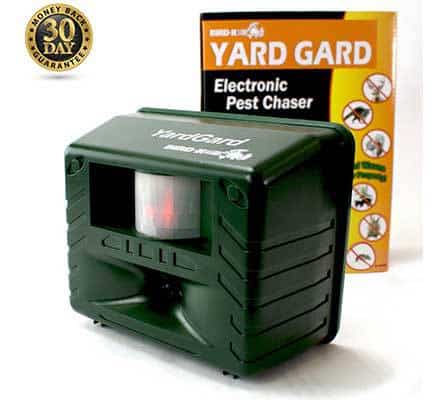
Image Source: bird-x.com
The Root Causes: Why Dogs Poop Where They Shouldn’t
Before we tackle solutions, it’s crucial to grasp why your dog might be leaving “gifts” in your yard. It’s rarely out of spite; usually, it’s a matter of training, instinct, or environmental factors.
Age and Training Status
Puppies: Young puppies are still learning the ropes of potty training. Their bladder and bowel control are not fully developed, and they often don’t understand the concept of designated outdoor potty spots. Accidents are a normal part of this process.
Adult Dogs: For adult dogs, unaddressed housebreaking issues can persist. If a dog wasn’t properly trained as a puppy, they may continue to eliminate indoors or in inappropriate outdoor locations.
Marking Behavior
Sometimes, what looks like regular elimination is actually marking behavior. Dogs, especially un-neutered males, use urine and feces to leave scent messages. This can include marking territory, communicating status, or signaling presence to other dogs. If your dog is pooping in specific spots repeatedly, especially near boundaries, it might be marking.
Anxiety and Stress
Changes in routine, new environments, separation anxiety, or loud noises can cause stress in dogs. Some dogs may eliminate inappropriately when they are anxious or scared. This is a coping mechanism, not defiance.
Medical Issues
Sudden changes in a dog’s elimination habits, such as frequent accidents or difficulty defecating, can signal underlying medical problems. Conditions like gastrointestinal upset, parasites, or anal gland issues can lead to loss of bowel control or an increased urge to defecate. Always consult your veterinarian if you suspect a medical cause.
Lack of Clear Expectations
If your dog isn’t given clear instructions or opportunities to go to the bathroom, they will simply go where they feel the need. This is especially true for dogs who are left unsupervised in the yard for long periods without a designated potty area.
The Foundation: Effective Potty Training Strategies
The bedrock of preventing unwanted pooping in your yard is robust potty training. This process requires patience, consistency, and a clear understanding of your dog’s needs.
Creating a Routine
Dogs thrive on routine. Establishing a consistent schedule for feeding, playing, and potty breaks is paramount.
- Regular Potty Breaks: Take your dog out first thing in the morning, after waking from naps, after playing, after eating, and before bedtime.
- Predictable Times: Aim for the same times each day. This helps regulate their digestive system.
Choosing Designated Outdoor Potty Spots
You need to show your dog where you want them to go.
- Consistency is Key: Select one or two specific areas in your yard for elimination. These should be away from high-traffic areas or places where you play.
- Supervision: Always accompany your dog to their potty spot, especially during the initial training phase.
Positive Reinforcement
This is the most effective method for teaching good behavior.
- Praise and Rewards: When your dog successfully eliminates in the designated spot, offer immediate and enthusiastic praise. Small, high-value treats are excellent motivators.
- Verbal Cues: Use a consistent verbal cue, like “Go potty” or “Do your business,” as they are eliminating. This helps them associate the word with the action.
- Avoid Punishment: Never punish your dog for accidents. Punishment can create fear and anxiety, making potty training more difficult and potentially leading to hidden elimination behaviors. If you catch them in the act, interrupt them with a calm sound (like a clap) and immediately take them to their designated potty spot.
Supervised Outdoor Time
Supervised outdoor time is critical. This means actively watching your dog when they are in the yard, not just letting them out to roam freely.
- Observe for Cues: Learn to recognize your dog’s pre-elimination signals, such as sniffing the ground intently, circling, or squatting.
- Immediate Action: If you see these signs, gently guide them to their potty spot.
Tackling Persistent Pooping Problems
Even with good potty training, some dogs may continue to poop in undesirable areas. Here’s how to address those specific issues.
Dealing with Marking Behavior
If marking is the suspected culprit, consider these strategies:
- Neutering/Spaying: For un-neutered males, neutering can significantly reduce marking behavior. For un-spayed females, spaying eliminates urine marking and other hormone-driven behaviors.
- Clean Thoroughly: Any existing scent marks in the yard need to be neutralized. Use an enzymatic cleaner specifically designed to break down pet waste odors. Standard cleaners won’t eliminate the scent effectively, and your dog will still detect it.
- Limit Access: Temporarily restrict your dog’s access to the areas where they are marking.
- Increase Potty Opportunities: Offer more frequent potty breaks, especially after activities that might trigger marking, like coming inside after seeing another dog.
Addressing Anxiety-Related Pooping
If anxiety is the cause, focus on building your dog’s confidence and security.
- Identify Triggers: Pinpoint what is causing your dog’s stress. Is it being left alone? Loud noises? Changes in the household?
- Consult a Professional: A dog behaviorist can help diagnose anxiety issues and develop a tailored training plan.
- Counter-Conditioning and Desensitization: These techniques can help your dog associate triggers with positive experiences.
- Provide Enrichment: Ensure your dog has plenty of mental and physical stimulation to reduce boredom and anxiety. Puzzle toys, interactive games, and regular exercise can help.
What to Do About Accidental Poops
Sometimes, despite best efforts, accidents happen.
- Clean Up Dog Waste Immediately: This is non-negotiable. Leaving dog waste in the yard not only creates odor and mess but also encourages your dog to poop in the same spot again due to the lingering scent. Use biodegradable bags and dispose of it properly.
- Analyze the Situation: Was the accident due to a lapse in supervision? A missed potty cue? A change in diet? Identifying the cause helps prevent future incidents.
Advanced Techniques and Tools
Beyond the basics, several tools and techniques can aid in your quest to keep your yard poop-free.
Leash Training for Potty Breaks
Leash training for potty breaks ensures your dog stays in the designated area and allows you to observe them closely.
- Short, Focused Outings: Keep potty trips short and focused on elimination. This isn’t playtime.
- Positive Association: Reward them as soon as they finish.
Dog Deterrents
When other methods aren’t sufficient, dog deterrents can be considered. However, it’s important to use these ethically and effectively.
- Scent-Based Deterrents: These can be commercial products or natural remedies that dogs find unpleasant.
- Citrus Sprays: Dogs often dislike the smell of citrus. You can make your own by boiling orange or lemon peels in water and spraying the cooled liquid in the yard.
- Vinegar: Diluted vinegar can also be used, but be cautious as it can harm plants.
- Commercial Sprays: Look for pet-safe, natural deterrent sprays available at pet stores.
- Physical Deterrents:
- Motion-Activated Sprinklers: These can startle dogs and deter them from entering certain areas.
- Specific Textures: Some dogs dislike walking on certain surfaces like gravel or specific types of mulch.
- Important Note: Deterrents are most effective when used in conjunction with training and when the underlying reason for the behavior is addressed. They should not be the sole solution. Always ensure deterrents are safe for your dog and other animals.
Creating an Appealing Potty Zone
Make the designated potty spot more attractive than other areas.
- Certain Substrates: Some dogs prefer to eliminate on softer surfaces like grass or soil. If your dog consistently poops on a particular type of surface, you can try to replicate that in their designated potty area.
- Positive Associations: Always reward your dog generously when they use the correct spot.
Hiring a Dog Behaviorist
If you’re struggling to manage your dog’s pooping habits, seeking professional help is a wise decision.
- Expert Assessment: A qualified dog behaviorist can assess your dog’s specific situation, identify the root cause of the problem, and create a personalized training plan.
- Behavior Modification: They can teach you advanced techniques for managing and modifying your dog’s behavior.
- Addressing Complex Issues: For cases involving anxiety, fear, or aggression, a behaviorist is essential. Look for certifications from reputable organizations like the Certification Council for Professional Dog Trainers (CCPDT) or the Karen Pryor Academy.
Reinforcing Good Habits in Adult Dogs
It’s never too late to reinforce good habits with your adult dog.
Consistent Reinforcement
- Reward, Reward, Reward: Continue to praise and reward your dog for eliminating in the correct spot, even if they’ve been doing it for a while. This reinforces the desired behavior.
- Manage the Environment: Continue to supervise outdoor time and use leashes for potty breaks until the behavior is consistently reliable.
Preventing Relapses
- Maintain Routine: Even when the problem seems solved, maintaining a consistent potty schedule is beneficial.
- Monitor for Changes: Be aware of any changes in your dog’s behavior or health that might signal a regression in training or a new issue.
Table: Common Dog Pooping Problems and Solutions
| Problem | Possible Causes | Solutions |
|---|---|---|
| Puppy Pooping Indoors/Undesignated Areas | Immature bladder/bowel control, lack of training | Consistent potty training schedule, frequent breaks, positive reinforcement, supervised outdoor time, clean up dog waste thoroughly. |
| Adult Dog Pooping Indoors/Undesignated Areas | Incomplete housebreaking, anxiety, medical issue | Reinforce potty training, rule out medical issues with vet, address anxiety with a dog behaviorist, ensure leash training for potty breaks, create outdoor potty spots. |
| Repeated Pooping in Specific Yard Areas | Marking behavior, lingering scent, preference for surface | Clean thoroughly with enzymatic cleaner, consider neutering/spaying, limit access to marked areas, offer more frequent potty breaks, use dog deterrents cautiously. |
| Pooping During Stressful Situations | Anxiety, fear, environmental changes | Identify and mitigate stressors, consult a dog behaviorist, use desensitization and counter-conditioning, provide enrichment. |
| Dog Won’t Poop in Designated Spot | Distractions, discomfort with surface, habit | Ensure minimal distractions in the potty zone, use positive reinforcement when they use it, try different substrates if needed, use a leash for leash training. |
Frequently Asked Questions (FAQ)
Q1: How long does potty training usually take?
A1: Potty training can vary greatly depending on the dog’s age, breed, and individual learning ability. Puppies can take anywhere from a few weeks to several months. Consistency and positive reinforcement are key.
Q2: My dog poops immediately after coming inside. What should I do?
A2: This is common. It means your dog didn’t fully empty their bladder or bowels before coming inside, or they felt rushed. Ensure they have ample time to finish in their designated outdoor potty spots before going back inside. Stay with them until they are done.
Q3: Can I train my dog to poop in a specific part of the yard?
A3: Yes, by consistently taking your dog to the desired outdoor potty spots and rewarding them heavily when they eliminate there, you can train them to associate that area with elimination.
Q4: What if my dog eats their poop?
A4: This is called coprophagia. It can have medical or behavioral causes. Consult your veterinarian to rule out health issues. For behavioral causes, positive reinforcement to redirect them, keeping the yard clean to remove the temptation, and sometimes dietary supplements can help.
Q5: How do I stop my dog from pooping on my neighbor’s lawn?
A5: This requires strict leash training and supervision during walks. Ensure your dog eliminates in their designated area or on walks before passing by neighbors’ properties. Promptly clean up dog waste if it happens on walks.
Conclusion
Keeping your yard free of unwanted dog poop is achievable with a strategic and patient approach. By focusing on effective potty training, understanding the underlying reasons for the behavior, and employing appropriate management techniques, you can foster a cleaner and more enjoyable outdoor space for you and your canine companion. Remember, consistency, positive reinforcement, and professional guidance when needed are your most powerful tools in this endeavor. Prioritizing supervised outdoor time and promptly cleaning up any waste will go a long way in reinforcing good habits and preventing future messes.