
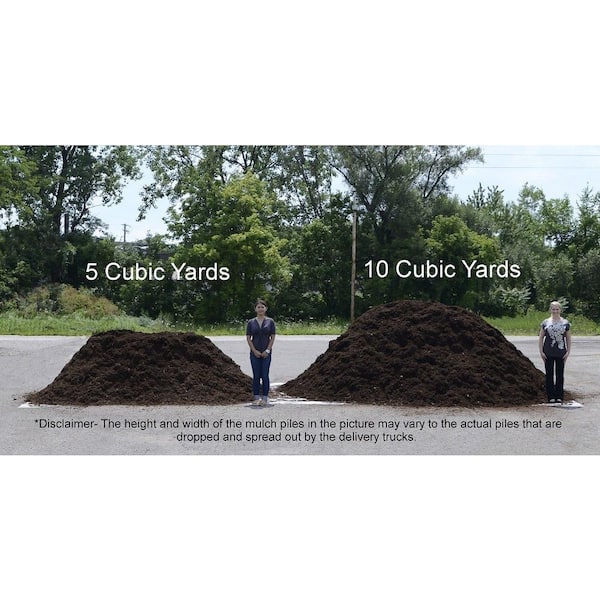
Image Source: images.thdstatic.com
How Much Is A Cubic Yard Of Mulch: Price Guide
The cost of a cubic yard of mulch can range from $30 to $70, depending on the type of mulch, its quality, and where you purchase it. Figuring out how much mulch you need is simple once you know how to measure your garden beds. This guide will help you navigate the world of mulch pricing, from understanding different types to factoring in delivery and installation costs.
Deciphering Mulch Costs: What Influences the Price?
When you’re budgeting for your landscaping project, one of the key questions is, “How much is a cubic yard of mulch?” The answer isn’t a single number. Many factors play a role in the final price you’ll pay for this essential garden material. Let’s break down what goes into the cost of mulch per yard.
Types of Mulch and Their Price Points
The material itself is a primary driver of mulch pricing. Different types of mulch offer various aesthetic and functional benefits, and these differences are reflected in their cost.
-
Wood Mulches: These are perhaps the most common and widely available.
- Shredded Bark Mulch: Often derived from cedar, pine, or fir trees, shredded bark mulches are popular for their natural look and longevity. They tend to be mid-range in price.
- Wood Chips: Larger pieces of wood, often from hardwood sources, are generally more affordable than shredded bark. They offer good moisture retention and weed suppression.
- Dyed Mulches: Wood mulches are often dyed in colors like black, red, or brown. The dyeing process adds to the cost, making dyed mulches typically more expensive than their natural counterparts. The chemicals used in dyes are generally considered safe for plants and soil.
- Cypress Mulch: Known for its durability and resistance to decay, cypress mulch is often a premium option, carrying a higher price tag. However, concerns about the sustainability of cypress harvesting have led some gardeners to seek alternatives.
- Pine Bark Fines: These are small pieces of pine bark that create a fine texture, excellent for bedding plants and creating a neat appearance. They are usually priced in the mid to upper-mid range.
-
Organic Mulches (Non-Wood): These materials also break down over time, enriching the soil.
- Compost: A nutrient-rich option that improves soil structure. While excellent for the garden, compost can sometimes be more expensive than wood mulches, especially if it’s high-quality, finished compost.
- Straw/Hay: Very affordable, straw (dried stalks of grain) is a good option for vegetable gardens, especially for winter protection. Hay is generally cheaper but may contain weed seeds.
- Shredded Leaves: A free and excellent option if you have access to a plentiful supply from your yard. They decompose quickly, adding nutrients back into the soil.
- Grass Clippings: Another free resource, but it’s best to use them in thin layers to prevent matting and anaerobic decomposition (which can lead to a foul smell).
- Cocoa Bean Hulls: Offer an attractive dark color and a pleasant scent. They are often a bit pricier due to their unique properties.
- Newspaper/Cardboard: Can be used as a weed barrier beneath other mulches. It’s a very inexpensive option, though not the most aesthetically pleasing on its own.
-
Inorganic Mulches: These do not decompose and are often used for specific aesthetic or functional purposes.
- Gravel/Stone: Available in various sizes and colors, stone mulches are durable and offer a clean, modern look. The cost varies significantly based on the type of stone and its source. This can be one of the more expensive options per cubic yard.
- Rubber Mulch: Made from recycled tires, this is a durable and long-lasting option. It’s often used in playgrounds and for certain landscaping applications. While it has benefits like weed suppression and moisture retention, it’s generally not recommended for vegetable gardens due to potential chemical leaching. Its price point is usually in the mid-to-high range.
Quality Matters: How Grade Affects Cost
Just like with any product, the quality of the mulch can significantly impact its price.
- Particle Size and Uniformity: Mulch that has been screened to a consistent particle size often costs more than mulch that is a mix of fine and coarse pieces. Uniformity provides a more polished look.
- Source Material: Mulch made from virgin, high-quality wood sources will typically be more expensive than mulch made from recycled or mixed wood products.
- Processing: Mulch that has undergone extensive processing, such as double-shredding or meticulous drying, may also command a higher price.
Where You Buy: Retail vs. Wholesale
The location where you purchase your mulch also influences the cost.
- Garden Centers and Big Box Stores: These retailers offer convenience and a wide selection. However, their overhead costs (staff, marketing, prime locations) are factored into their mulch pricing, often making them more expensive than wholesale suppliers.
- Local Landscaping Companies/Nurseries: Many local businesses offer mulch, sometimes directly from their own processing facilities. Prices can be competitive, especially if they specialize in landscaping supplies.
- Bulk Material Suppliers/Quarries: For larger projects, buying bulk mulch directly from a supplier or quarry can offer significant savings. You’ll often need to arrange your own pickup or delivery, and the minimum purchase quantities might be higher. This is where you’ll often find the cheapest mulch prices for larger quantities.
Bulk Mulch Prices: The More You Buy, The Less You Pay
Purchasing mulch in bulk, typically by the cubic yard or even by the truckload, is almost always more cost-effective than buying it in bags. Bagged mulch often contains 2 cubic feet of material, and while convenient for small projects, it can be surprisingly expensive when you do the math to convert it to cubic yards.
- Bagged Mulch: A typical 2 cubic foot bag might cost $4-$8. If you were to buy enough bags to equal one cubic yard (which is 27 cubic feet), you would need approximately 13.5 bags. This would put the cost for a cubic yard in bags at roughly $54 to $108, significantly higher than buying in bulk.
- Bulk Mulch: When you buy by the cubic yard, you bypass the cost of bags and the associated packaging. This is why many people opt for bulk deliveries for larger landscaping jobs. The cost per cubic yard is generally much lower when purchased this way.
Fathoming Your Mulch Needs: How to Measure for Mulch
Before you can know how much a cubic yard of mulch costs for your project, you need to figure out how many cubic yards you actually need. This is where a little bit of math comes in, but don’t worry, it’s quite straightforward. The key is to accurately measure your garden beds.
Step-by-Step Measurement Guide
- Measure Length and Width: For each area you plan to mulch, measure its length and width in feet.
- Determine Depth: Decide on the desired depth of your mulch layer. A typical recommendation is 2-4 inches. For weed suppression, 3-4 inches is often best. For moisture retention and aesthetic appeal, 2-3 inches might suffice. It’s important to aim for a consistent depth.
- Convert Depth to Feet: Since your length and width are in feet, you need to convert your desired depth from inches to feet. To do this, divide the number of inches by 12.
- Example: 3 inches / 12 inches/foot = 0.25 feet
- Calculate Area: Multiply the length by the width to get the area of the bed in square feet.
- Example: A bed is 10 feet long and 5 feet wide. Area = 10 ft * 5 ft = 50 square feet.
- Calculate Volume in Cubic Feet: Multiply the area (in square feet) by the depth (in feet). This gives you the volume in cubic feet.
- Example: 50 sq ft * 0.25 ft = 12.5 cubic feet.
- Convert Cubic Feet to Cubic Yards: There are 27 cubic feet in one cubic yard. To convert your volume from cubic feet to cubic yards, divide by 27.
- Example: 12.5 cubic feet / 27 cubic feet/cubic yard = 0.46 cubic yards.
Using a Mulch Calculator
Many online resources and garden supply websites offer a “mulch calculator.” These tools simplify the process by allowing you to input your measurements (length, width, and desired depth) and automatically calculate the amount of mulch needed in cubic yards. This is a highly recommended and easy way to ensure accuracy.
Estimating Coverage
A general rule of thumb is that one cubic yard of mulch will cover:
- 3 inches deep: Approximately 108 square feet.
- 4 inches deep: Approximately 81 square feet.
So, if you have a 10ft x 10ft area (100 sq ft) and want a 3-inch layer, you’d need just under one cubic yard. It’s always a good idea to buy slightly more than your calculation to account for settling, uneven spreading, and potential small areas you might have missed in your measurements.
The Full Picture: Delivery and Installation Costs
Beyond the raw cost of the mulch itself, there are other expenses to consider, especially for larger projects.
Mulch Delivery Cost
If you’re buying bulk mulch, you’ll likely need it delivered. The cost of mulch delivery can vary significantly based on:
- Distance: The farther you are from the supplier, the higher the delivery fee. Many suppliers offer free delivery within a certain radius and charge per mile beyond that.
- Quantity: Some companies have a minimum delivery quantity and may charge a flat fee regardless of how much you order, while others might adjust the fee based on the volume.
- Location Accessibility: If your delivery location is difficult to access (e.g., steep inclines, narrow gates, or requiring specialized equipment), there might be an additional charge.
- Delivery Time: Expedited or specific time slot deliveries can sometimes incur extra fees.
Delivery fees can range from $30 to over $100, so it’s crucial to ask for a quote when you order.
Mulch Installation Cost
While many homeowners apply mulch themselves, hiring professionals for mulch installation can save time and effort, especially for large areas. The mulch installation cost typically includes:
- Labor: The cost of the crew to spread the mulch. This is often charged by the hour or by the cubic yard.
- Equipment: If specialized equipment is needed (e.g., for blowing mulch into place), this will be factored into the cost.
-
Site Preparation: If the area needs significant clearing, weeding, or edging before mulching, this will add to the overall cost.
-
Hourly Rates: Professional landscapers might charge anywhere from $50 to $150 per hour for labor.
- Per Cubic Yard Rates: Some companies charge a flat rate per cubic yard for installation, which can range from $50 to $150 per cubic yard, depending on the complexity of the job and the type of mulch. This often includes the cost of the mulch itself, but not always. Always clarify what is included in the price.
When comparing quotes, ensure you’re comparing apples to apples. Ask if the price includes the mulch material, delivery, and spreading.
Finding the Best Value: Cheapest Mulch Prices and Tips
For budget-conscious gardeners, finding the cheapest mulch prices is a priority. Here are some strategies to help you save money without sacrificing too much quality:
- Buy in Bulk: As mentioned, this is the most significant way to reduce your cost per cubic yard.
- Shop Around: Get quotes from multiple suppliers in your area, including local nurseries, landscape supply yards, and even municipal compost facilities.
- Consider Natural, Undyed Mulches: Dyed mulches are generally more expensive. Natural wood mulches or compost are often more affordable.
- Utilize Free Resources: If available, collect fallen leaves or grass clippings. These are excellent organic materials that can be used as mulch or composted.
- Look for Off-Season Sales: Sometimes, garden centers will have sales on mulch at the beginning or end of the gardening season.
- DIY Delivery: If you have a truck or trailer and the supplier allows it, picking up the mulch yourself can save you delivery fees.
- Compare Bagged vs. Bulk Carefully: Always do the math to convert bagged mulch volume to cubic yards before deciding.
Types of Mulch and Their Typical Price Ranges (Per Cubic Yard)
Here’s a general overview of how different mulch types stack up in terms of cost. Please note these are estimates, and actual prices can vary widely based on your location and the supplier.
| Mulch Type | Estimated Price Range (Per Cubic Yard) | Notes |
|---|---|---|
| Shredded Hardwood | $30 – $50 | Good all-around option, breaks down slowly. |
| Shredded Pine/Cedar | $35 – $60 | Aromatic, good insect repellent, breaks down slowly. |
| Dyed Wood Mulch (Red/Black/Brown) | $35 – $65 | Aesthetic appeal, color may fade over time. |
| Cypress Mulch | $40 – $70 | Durable, resistant to rot, sustainability concerns. |
| Pine Bark Fines | $40 – $65 | Fine texture, good for formal gardens. |
| Compost | $35 – $70 | Nutrient-rich, improves soil, can be more expensive. |
| Straw | $20 – $40 | Affordable, good for vegetable gardens, can look messy. |
| Gravel/Decorative Stone | $50 – $150+ | Long-lasting, variety of styles, can be very costly. |
| Rubber Mulch | $40 – $80 | Durable, made from recycled tires, not for all uses. |
Note: These prices generally reflect bulk purchases and do not include delivery or installation.
Frequently Asked Questions About Mulch Pricing
Q1: How much does a truckload of mulch cost?
A truckload, often referring to a full cubic yard or more, will be priced at the bulk rate per cubic yard. The total cost will depend on how many cubic yards are in the truckload and any applicable delivery fees.
Q2: Is it cheaper to buy mulch in bags or bulk?
It is almost always cheaper to buy mulch in bulk by the cubic yard. Bagged mulch includes costs for packaging, marketing, and smaller distribution, making it significantly more expensive per unit of volume.
Q3: What is a standard price for mulch delivery?
Mulch delivery costs can range from $30 to over $100, depending on the supplier, distance, and quantity. It’s best to get a specific quote from your chosen supplier.
Q4: How much mulch do I need for a typical flower bed?
A typical flower bed might be 4 feet by 10 feet. For a 3-inch depth (0.25 feet), you would need (4 ft * 10 ft * 0.25 ft) / 27 cubic feet/cubic yard = 0.37 cubic yards. It’s usually practical to round up to half a cubic yard or even a full cubic yard if the supplier has a minimum delivery.
Q5: Can I get the cheapest mulch prices at a big box store?
Generally, no. While big box stores offer convenience, local landscape supply yards or quarries often have the cheapest mulch prices, especially for bulk purchases, as they have lower overhead.
Q6: What factors affect the cost of landscape mulch?
The primary factors affecting landscape mulch cost are the type of material, its quality (screening, source), the quantity purchased (bulk vs. bags), the supplier, and any additional services like delivery or installation.
Q7: How does garden mulch differ in price from landscape mulch?
In common usage, “garden mulch” and “landscape mulch” are often used interchangeably. The price will depend more on the specific material (e.g., compost for a vegetable garden vs. dyed wood chips for a landscape bed) and the other factors mentioned above, rather than the terminology itself.
By carefully considering these elements, you can make an informed decision about the type of mulch that best suits your needs and budget, ensuring your garden looks beautiful and stays healthy.