
Moss in your lawn is a common problem for many homeowners, but can you truly eliminate it? Yes, you can get rid of moss in your lawn by addressing its underlying causes and employing effective moss removal techniques. This comprehensive guide will delve into moss on lawn causes, the various lawn moss treatment options available, and how to kill moss on grass effectively. We’ll also cover how to prevent moss growth and discuss the best way to remove lawn moss, including organic moss removal methods and the importance of thatch removal moss. This is all part of a good lawn care moss strategy.
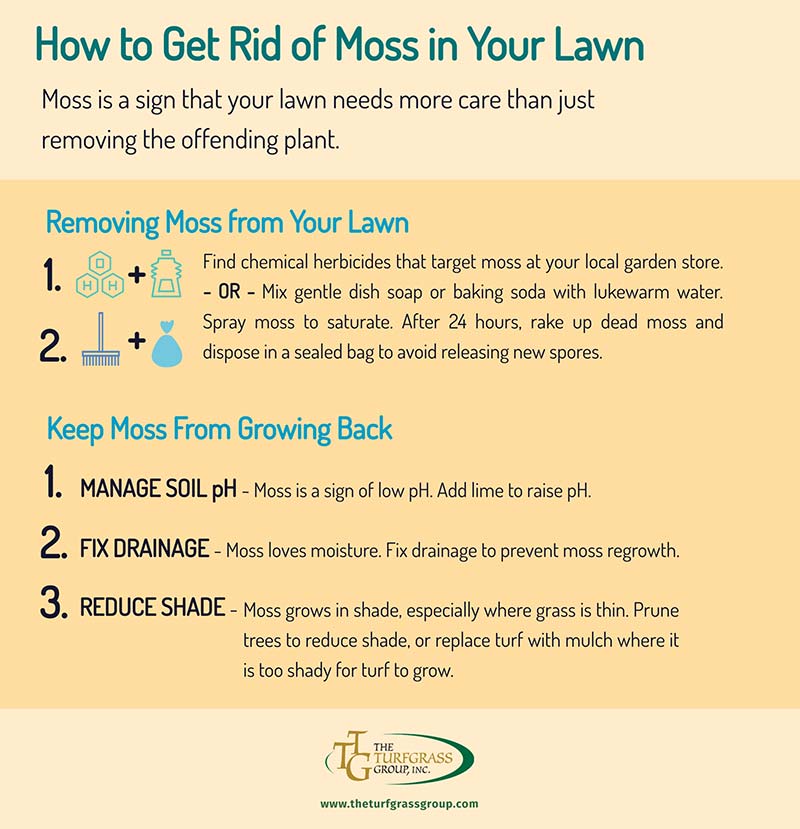
Image Source: theturfgrassgroup.com
Fathoming Why Moss Appears in Your Lawn
Moss thrives in specific conditions, and identifying these is the first step in successful moss removal. Think of moss as a signal from your lawn, telling you something isn’t quite right.
Key Factors Favoring Moss Growth:
- Poor Drainage: Moss loves wet feet. If your soil holds too much water, it creates an ideal environment for moss to spread. Compacted soil is a major contributor to poor drainage.
- Shade: Most moss varieties prefer shaded areas where sunlight struggles to reach the soil. This is often why moss appears under trees or on the north side of buildings.
- Low Soil Fertility: When your grass is struggling due to a lack of nutrients, it becomes weaker and less able to compete with moss for space and resources.
- Soil Acidity (Low pH): While grass prefers slightly acidic to neutral soil, moss actually flourishes in more acidic conditions. This is a significant factor for moss on lawn causes.
- Compacted Soil: Hard, compacted soil makes it difficult for grass roots to penetrate and access air and water. Moss, with its shallow root system, can easily take hold in these conditions.
- Over-Watering: While drainage is key, consistently over-watering can also create overly moist conditions that moss enjoys.
- Infrequent Mowing: Letting your grass grow too tall can create shade and retain moisture, both of which favor moss.
Methods to Effectively Kill Moss on Grass
Once you know why the moss is there, you can choose the right lawn moss treatment. There are several effective ways to kill moss on grass, ranging from chemical solutions to more natural approaches.
Chemical Treatments: A Direct Approach
Chemical moss killer for lawns can be very effective for quick results. These products typically contain active ingredients that directly kill the moss.
- Iron Sulfate (Ferrous Sulfate): This is a common and effective ingredient in many commercial moss killers. It works by burning the moss and turning it black, making it easier to remove. Iron sulfate also acts as a fertilizer, providing essential iron to your lawn.
- Application: Usually applied as a granular or liquid spray. Follow the product instructions carefully for dilution and application rates.
- Caution: Iron sulfate can temporarily stain concrete and paving stones, so be mindful during application. It can also stain clothing.
- Detergents: Some gardeners have reported success using detergents. However, this is generally not recommended as it can harm your grass and the soil’s microbial life.
- Commercial Moss Killers: Many brands offer specific moss killer for lawns. These often contain a blend of ingredients designed to kill moss and often include a fertilizer component to help the grass recover. Always read and follow label instructions precisely.
Organic Moss Removal: Gentle Yet Effective
For those seeking a more natural approach to moss removal, organic methods are an excellent choice. These focus on improving lawn health to outcompete the moss.
- Vinegar Solution: A diluted solution of white vinegar (acetic acid) can kill moss. Mix 1 part white vinegar with 4 parts water.
- Application: Spray directly onto the moss on a sunny day. Avoid spraying on windy days to prevent drift onto desirable plants.
- Note: Vinegar is non-selective, meaning it can harm grass if applied too strongly or in large quantities. It’s best for spot treatments.
- Baking Soda: Baking soda can also be used, as it can raise the soil pH, making conditions less favorable for moss.
- Application: Sprinkle a thin layer of baking soda over the mossy areas.
- Manual Removal: For small patches, simply scraping or pulling the moss off the lawn is a direct way to achieve organic moss removal. This is often best done after a rain when the moss is softer.
Natural Lawn Improvement: The Long-Term Solution
The most sustainable way to get rid of moss is to create an environment where grass thrives and moss struggles. This involves addressing the underlying causes.
- Aeration: This process helps to relieve soil compaction, improve drainage, and allow air and water to reach grass roots. It’s a crucial step in any lawn care moss plan.
- How it works: Aeration involves creating small holes in the soil. This can be done with a manual core aerator or a mechanical one.
- When to do it: Best done in early spring or fall when the grass is actively growing.
- Dethatching: A thick layer of thatch (dead grass and organic matter) can prevent water and nutrients from reaching the soil and can harbor moss. Thatch removal moss is vital for a healthy lawn.
- How it works: Dethatching rakes or scarifies the lawn to remove the built-up thatch.
- When to do it: Similar to aeration, early spring or fall are ideal times.
- Improve Drainage: If your lawn consistently stays wet, consider improving drainage. This might involve installing drainage systems or amending the soil with organic matter to improve its structure.
- Fertilize Appropriately: A healthy, well-fed lawn is more resilient to moss. Use a balanced fertilizer that suits your grass type and the season. Avoid over-fertilizing, which can also create weak growth.
- Overseeding: In areas where grass is thin, overseeding with a grass variety that is suited to your lawn’s conditions (especially shade tolerance) can help fill in bare patches and outcompete moss.
The Best Way to Remove Lawn Moss: A Combined Approach
The best way to remove lawn moss typically involves a combination of methods. You need to kill the existing moss and then take steps to prevent moss growth.
Step-by-Step Moss Management:
- Identify the Cause: Before you do anything, figure out why the moss is growing. Is it too much shade, poor drainage, or compacted soil? Addressing the root cause is the most important step.
- Kill the Moss: Choose a lawn moss treatment that suits your needs. For a quick kill, an iron sulfate-based product is often effective. For a more organic approach, a diluted vinegar spray can work for spot treatments.
- Rake and Remove: After the moss has been killed (it will likely turn black or brown), rake it out thoroughly. This is essential for moss removal and to prevent it from re-establishing. Use a stiff-bristled rake or a dedicated moss rake.
- Aeration and Dethatching: If your soil is compacted or has a thick thatch layer, now is the time to aerate and dethatch. This will help improve soil health and allow new grass seed to establish.
- Improve Soil Conditions: Amend the soil with compost or other organic matter to improve its structure and drainage. If your soil is acidic, you might consider adding lime according to soil test recommendations.
- Overseed: Sow grass seed into the bare patches where the moss was removed. Choose a grass variety that is well-suited to the light and moisture conditions of that area.
- Water Wisely: Water your lawn deeply and less frequently to encourage deep root growth. Avoid keeping the lawn constantly wet.
- Mow Correctly: Mow your grass at the higher end of the recommended range for your grass type. Taller grass shades the soil, making it less hospitable for moss.
- Ongoing Maintenance: Regularly rake up fallen leaves and debris, especially in shaded areas, and continue to monitor for signs of moss.
Preventing Moss Growth: Creating a Lawn the Moss Dislikes
Preventing moss from returning is as crucial as removing it in the first place. This involves consistent and proactive lawn care moss practices.
Strategies to Discourage Moss:
- Maximize Sunlight: Trim overhanging branches from trees and shrubs to allow more sunlight to reach the lawn.
- Improve Drainage: Address any low-lying or waterlogged areas. Consider installing French drains or creating gentle slopes to guide water away from the lawn.
- Reduce Soil Acidity: Get your soil tested. If the pH is too low (acidic), apply lime as recommended to raise it to a level that favors grass over moss.
- Aerate Annually: Regular aeration will prevent soil compaction and keep drainage efficient.
- Dethatch Periodically: Keep thatch layers to a minimum to allow air, water, and nutrients to reach the soil effectively.
- Overseed Thin Spots: Keep your grass thick and healthy. Thick turf provides a competitive advantage against moss.
- Watering Habits: Water deeply but infrequently. Allow the soil surface to dry out between waterings.
- Proper Mowing Height: Always mow your grass at the appropriate height for its species. Taller grass shades the soil and helps keep it cooler and less prone to moss.
Tools and Products for Effective Moss Removal
Having the right tools makes moss removal and lawn moss treatment much easier.
Essential Tools:
- Stiff-Bristled Rake or Moss Rake: Crucial for raking out dead moss after treatment.
- Spreader: For applying granular moss killers or fertilizers evenly.
- Sprayer: For applying liquid moss killers or solutions like vinegar.
- Aerator: Core aerators (manual or mechanical) are best for relieving compaction.
- Dethatcher/Scarifier: For removing thatch.
- Gloves and Protective Eyewear: Always wear appropriate safety gear when handling lawn chemicals.
Popular Moss Killer Products:
| Product Type | Active Ingredient Example | Pros | Cons |
|---|---|---|---|
| Granular Moss Killer | Iron Sulfate | Easy to apply, acts as fertilizer | Can stain surfaces, might not kill all moss types |
| Liquid Moss Killer | Iron Sulfate, Detergents | Quick action, good for spot treatments | Can be less forgiving if misapplied, potential for runoff |
| Organic Moss Killer | Acetic Acid (Vinegar) | Natural, environmentally friendly | Less potent, needs frequent application, can harm grass |
| Lawn Food with Moss Control | Various | Combines feeding and moss control in one step | Might not be strong enough for severe moss infestations |
Common Questions About Lawn Moss
Here are answers to some frequently asked questions about dealing with moss in your lawn.
FAQ: Your Lawn Moss Queries Answered
Q1: How quickly does moss killer work?
A: Most chemical moss killer for lawns will start to show results within a few days to a week. The moss will typically turn black or brown as it dies. Organic methods might take longer.
Q2: Can I just rake out the moss without killing it first?
A: While raking will remove the visible moss, it’s unlikely to kill the underlying organisms. The moss will likely grow back quickly unless you address the conditions that allowed it to thrive. This is why a proper lawn moss treatment is recommended.
Q3: Is moss bad for my lawn?
A: Moss itself doesn’t directly harm your grass. However, its presence is usually a symptom of underlying problems like poor drainage, shade, or compaction, which do negatively affect your grass’s health. Think of it as an indicator.
Q4: Will moss kill my grass?
A: No, moss doesn’t kill grass directly. It can, however, smother grass in very dense patches, reducing its access to sunlight and air. More importantly, it signifies conditions that are not ideal for healthy grass growth.
Q5: What is the best time of year to treat moss in my lawn?
A: The best time to apply lawn moss treatment is generally in early spring or fall. These are the times when the grass is actively growing and can recover quickly from the treatment and outcompete the moss. It’s also a good time for aeration and overseeding.
Q6: Can I use bleach to kill moss?
A: While bleach can kill moss, it is highly corrosive and will likely kill your grass and damage your soil. It is strongly discouraged as a moss removal method. Stick to products specifically designed for lawn care moss.
Q7: My lawn is very shady. How can I prevent moss there?
A: For shady areas, choose grass seed varieties that are shade-tolerant. Trim back trees and shrubs to allow more light. Improve drainage and aeration, as shade often goes hand-in-hand with moisture retention. Consider a ground cover plant that thrives in shade instead of grass if the area is too dark.
Q8: How does thatch removal moss help?
A: Thatch removal allows water, air, and nutrients to reach the soil and grass roots more effectively. A thick thatch layer creates a moist environment that moss loves and can smother grass, so removing it is key to creating a healthier lawn that can resist moss.
Q9: What are the best organic methods for moss removal?
A: The best organic moss removal methods involve improving your lawn’s overall health. This includes aeration, dethatching, improving drainage, and ensuring proper soil fertility. For direct treatment, a diluted vinegar spray can be effective for spot treatment.
By following these expert tips and understanding the root causes of moss growth, you can effectively tackle moss in your lawn and cultivate a healthier, greener, and more robust turf. Remember, consistent lawn care moss is the key to long-term success.