
Mushrooms popping up in your lawn can be a common and sometimes perplexing sight. Can you remove mushrooms from your lawn naturally and safely? Yes, you can, and this guide will walk you through the best methods for effective lawn mushroom removal. Getting rid of lawn fungi, or more specifically, controlling mushroom growth on your lawn, is achievable with the right approach. This article is your comprehensive resource for lawn mushroom control and mushroom eradication lawn efforts, focusing on safe and natural techniques for lawn mushroom treatment and how to stop mushrooms growing lawn.
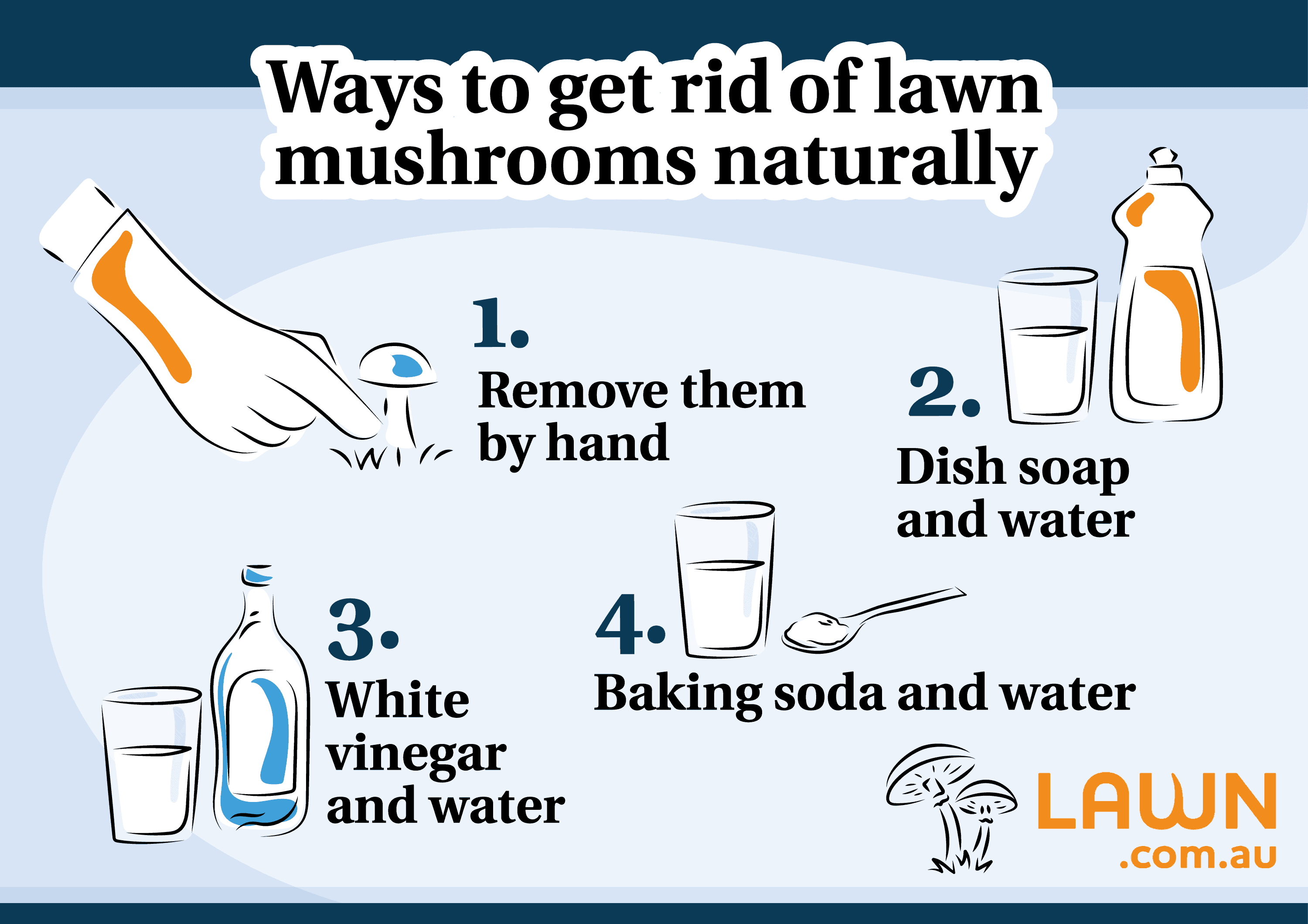
Image Source: lawn.com.au
Deciphering Lawn Mushrooms: What Are They?
Lawn mushrooms are the fruiting bodies of fungi that live underground. They aren’t the entire organism; rather, they are a temporary manifestation of a much larger network of fungal threads called mycelium. This mycelium exists in the soil, breaking down organic matter. When conditions are just right – typically moist and warm with plenty of food (decaying organic material) – the mycelium produces mushrooms.
Common Culprits: Identifying Lawn Mushrooms
Before you can effectively tackle lawn mushroom removal, it’s helpful to identify common types. While most lawn mushrooms are harmless to grass, some can indicate underlying issues or be toxic if ingested.
- Common Lawn Mushrooms: These include species like Meadow Mushrooms (Agaricus campestris), Shaggy Manes (Coprinus comatus), and Puffballs (various Lycoperdon species). These are generally benign.
- Fairy Rings: These are circular patterns of mushroom growth. They are caused by specific types of fungi and can sometimes stress the grass within and around the ring due to the fungus depleting soil nutrients and moisture.
- Toxicity: This is a crucial aspect of identifying lawn mushrooms. Never assume a mushroom is safe to eat. Some mushrooms found in lawns can be poisonous. If you have children or pets who might ingest them, immediate removal is paramount. It’s always best to err on the side of caution and remove all mushrooms you cannot confidently identify as safe.
Table 1: Common Lawn Fungi and Their Characteristics
| Mushroom Type | Appearance | Growth Habit | Potential Issues for Lawn | Toxicity Notes |
|---|---|---|---|---|
| Meadow Mushroom | White or light brown cap, pink to brown gills, ring on stem | Solitary or in groups | None | Edible if positively identified, but many look-alikes exist. |
| Shaggy Mane | White, elongated cap that becomes inky as it matures | Groups | None | Edible when young and before deliquescing (turning to ink). |
| Puffball | Round or pear-shaped, typically white or cream | Solitary or groups | None | Edible when pure white inside; white interior is key for identification. |
| Fairy Ring Fungi | Mushrooms in a ring, often with a darker green or brown circle | Circular pattern | Can stress grass | Varies widely by species; some edible, many not. Do not eat. |
| Ink Cap | Various shapes, cap edges turn to black liquid | Groups | None | Edible when young, but deteriorate quickly. Do not consume if unsure. |
Why Do Mushrooms Grow on My Lawn?
Grasping the reasons behind mushroom growth is key to effective lawn mushroom control. Mushrooms thrive in specific conditions that are often present in our yards.
Favorable Conditions for Fungal Growth
- Moisture: Consistent moisture is a primary driver. Heavy rainfall, overwatering, or poor drainage can create damp soil that encourages fungal activity.
- Organic Matter: Fungi are nature’s recyclers. They feed on decaying organic material in the soil, such as thatch, dead grass, fallen leaves, and even buried wood or roots. A thick layer of thatch is a prime breeding ground.
- Shade and Cool Temperatures: Many types of lawn fungi prefer shaded areas and cooler, damp weather, especially in spring and fall.
- Soil Compaction: Compacted soil reduces air circulation and can trap moisture, creating ideal conditions for fungi.
- Nutrient Imbalance: While fungi break down organic matter, they can also indicate imbalances in the soil, such as excessive nitrogen.
The Role of Mycelium
It’s important to remember that the mushrooms you see are just the tip of the iceberg. The real organism is the mycelium, a vast network of thread-like hyphae spreading through the soil. This mycelium can remain dormant for long periods, waiting for favorable conditions to produce mushrooms. Therefore, successful lawn mushroom removal often means addressing the underlying soil conditions that support the mycelium.
Natural and Safe Lawn Mushroom Removal Strategies
Now, let’s delve into how to remove mushrooms from your lawn safely and naturally. The goal of organic lawn mushroom removal is not just to remove the visible mushrooms but to create an environment less conducive to fungal growth.
1. Physical Removal: The First Line of Defense
The simplest and most immediate method for lawn mushroom removal is to physically remove them.
- Hand-Picking: For individual mushrooms or small clusters, simply pick them by hand.
- Using a Spade or Trowel: For mushrooms with deeper roots or in stubborn areas, you can use a spade or trowel to dig them out, ensuring you get as much of the base as possible.
- Disposal: It’s crucial to dispose of the removed mushrooms properly to prevent spores from spreading. Do not leave them on the lawn or in your compost if you suspect they might be toxic. Bagging them and placing them in the trash is usually the safest option.
Pros of Physical Removal:
- Immediate visual improvement.
- No chemicals involved.
- Easy and accessible.
Cons of Physical Removal:
- Doesn’t address the underlying cause.
- Mushrooms will likely return if conditions persist.
- Risk of spreading spores if not handled carefully.
2. Addressing the Underlying Causes: The Sustainable Approach
To effectively get rid of lawn fungi, you need to make your lawn a less hospitable place for them. This involves improving lawn health and managing moisture and thatch.
Managing Moisture Levels
- Improve Drainage: If your lawn holds water, consider aeration to improve soil structure and water penetration. For persistent issues, installing French drains or amending the soil with organic matter like compost can help.
- Water Wisely: Water your lawn deeply but infrequently. This encourages deeper root growth and allows the soil surface to dry out between waterings, making it less attractive to fungi. Water in the morning so the grass has time to dry before evening.
- Reduce Shading: Trim overhanging branches or remove obstructions that create prolonged shade, especially in areas where mushrooms frequently appear.
Thatch Management
Thatch is a layer of dead and living grass stems and roots that accumulates between the soil surface and the green grass blades. A thick thatch layer (more than ½ inch) is a prime food source for fungi.
- Dethatching (Scarifying): Use a dethatching rake or a power dethatcher to physically remove excess thatch. This should be done during the growing season for your grass type when it can recover.
- Aeration: Core aeration pulls plugs of soil out of the lawn, which helps break up thatch and improve air and water circulation.
Soil Aeration
As mentioned, aeration is a multi-benefit practice. It relieves soil compaction, improves water and nutrient infiltration, and helps break down thatch, all of which discourage fungal growth.
Fertilization and Soil Health
- Balanced Fertilization: Over-fertilizing, especially with high-nitrogen fertilizers, can sometimes encourage fungal growth. Use a slow-release fertilizer and follow recommended application rates.
- Soil Testing: A soil test can reveal nutrient deficiencies or excesses and pH imbalances. Correcting these can lead to a healthier, more resilient lawn that is less susceptible to fungal diseases and mushroom outbreaks. A healthy lawn outcompetes fungi.
3. Natural Mushroom Killers and Deterrents
While there isn’t a single “homemade mushroom killer lawn” solution that eradicates mycelium instantly, several natural methods can help deter and kill existing mushrooms.
Vinegar Solution (Use with Caution)
A mild vinegar solution can sometimes be used to kill mushrooms. However, it can also harm grass if applied incorrectly.
- Recipe: Mix one part white vinegar with ten parts water.
- Application: Lightly spray the mushrooms. Avoid spraying the surrounding grass as much as possible.
- Frequency: Apply only to the mushrooms themselves, and repeat as needed.
Caution: Vinegar is acidic and can burn grass blades. Test on a small, inconspicuous area first. This is more of a spot treatment for the visible mushrooms.
Baking Soda
Baking soda can alter the soil pH in a way that is less favorable to some fungi.
- Application: Sprinkle baking soda directly onto the mushrooms.
- Effectiveness: This is generally less effective than other methods and may require frequent application.
Corn Gluten Meal
Corn gluten meal is a natural pre-emergent herbicide and fertilizer. While its primary use is to prevent weed seeds from germinating, it also contains dipeptides that have fungicidal properties.
- Application: Apply a layer of corn gluten meal to the lawn during the spring and fall. It works best when watered in and then allowed to dry.
- Benefit: It can help suppress fungal growth without harming grass or other plants. It also provides a slow-release nitrogen boost to your lawn.
Borax
Borax is a naturally occurring mineral. Some gardeners use it as a fungicide.
- Recipe: Mix 1-2 tablespoons of borax per gallon of water.
- Application: Spray directly onto the mushrooms.
- Caution: Borax can be toxic if ingested and can also affect soil pH and plant growth. Use sparingly and with extreme caution, targeting only the mushrooms. Avoid if you have pets or children who frequent the area.
4. Enhancing Lawn Health for Long-Term Lawn Mushroom Control
The best “lawn mushroom treatment” is a healthy, robust lawn that can naturally resist fungal invasion.
- Proper Mowing: Mow your lawn at the correct height for your grass type. Taller grass shades the soil, keeps it cooler and moister, which can actually discourage some weed seeds but can also benefit certain fungi. However, consistently mowing too short can stress the grass, making it more vulnerable to disease and fungi. Aim for the highest recommended mowing height for your grass.
- Overseeding: Fill in bare or thin patches with grass seed. A dense, healthy lawn leaves less room for fungi to establish themselves.
- Proper Fertilization: Feed your lawn with a balanced fertilizer appropriate for the season and your grass type. Healthy grass is more resilient.
When to Seek Professional Help for Lawn Disease Mushroom Removal
While many mushroom issues are minor, persistent or aggressive fungal growth, especially if it’s accompanied by unhealthy-looking grass, might indicate a more serious lawn disease.
- Identifying Lawn Mushrooms Associated with Disease: If mushrooms are appearing alongside yellowing, browning, or dead patches of grass, it could be a sign of a fungal disease affecting the turf itself.
- Fairy Rings: While some fairy rings are harmless, large or expanding ones can damage the grass. Lawn disease mushroom removal might involve specific treatments for the underlying fungus causing the ring.
- Persistent Outbreaks: If you’ve tried natural methods and the mushrooms continue to be a significant problem, or if you’re concerned about toxicity, consult a local lawn care professional or a horticulturalist. They can help accurately identify the specific fungi or lawn disease and recommend appropriate treatments, which may include more targeted organic fungicides if necessary.
Frequently Asked Questions (FAQ) about Lawn Mushroom Removal
Q1: Are lawn mushrooms dangerous to my pets or children?
A1: Some lawn mushrooms can be toxic if ingested. While most common lawn mushrooms are not dangerous, it’s impossible to identify them with certainty without expertise. To be safe, always remove mushrooms from your lawn if you have pets or children who might eat them. Keep them away from treated areas until the treatments have dissipated.
Q2: How can I prevent mushrooms from growing on my lawn in the future?
A2: Prevention is key. Focus on improving your lawn’s health: manage moisture by watering correctly and improving drainage, reduce thatch build-up through regular dethatching and aeration, maintain proper mowing height, and ensure your lawn receives balanced nutrition through appropriate fertilization.
Q3: Can I just ignore the mushrooms?
A3: If the mushrooms are infrequent and you are confident they are not toxic and not causing damage, you can technically ignore them. However, their presence often indicates underlying conditions like excess moisture or decaying organic matter that could eventually harm your lawn’s health. Addressing them proactively helps maintain a healthier lawn.
Q4: What is the fastest way to remove mushrooms from my lawn?
A4: The fastest way to remove the visible mushrooms is by physically picking them. However, this does not prevent them from returning. For a more lasting solution, focus on improving soil conditions and managing thatch, which takes more time but provides long-term lawn mushroom control.
Q5: Are chemical fungicides necessary for lawn mushroom removal?
A5: Chemical fungicides are generally not necessary for typical lawn mushroom removal. Natural methods focusing on lawn health and hygiene are often sufficient. Chemical fungicides should be considered a last resort and used with caution, as they can harm beneficial soil organisms and the environment.
Q6: What is thatch and why is it bad for my lawn regarding mushrooms?
A6: Thatch is a layer of dead and living grass stems, roots, and crowns that accumulates on the soil surface. A thick thatch layer (over half an inch) acts like a sponge, retaining moisture and providing an ideal food source and habitat for fungi, thus encouraging mushroom growth.
Q7: I see mushrooms in a perfect circle. What is that?
A7: This is commonly known as a “fairy ring.” These are caused by specific types of fungi growing outwards from a central point. While they look intriguing, the fungi can deplete nutrients and moisture, potentially stressing the grass within the ring. Addressing the underlying fungal activity and improving lawn health can help manage fairy rings.
By implementing these natural and safe strategies, you can effectively manage mushroom growth and promote a healthier, more vibrant lawn. Remember, consistent care and attention to your lawn’s environment are the best defense against unwanted fungi.