
Can you remove mushrooms from your yard? Yes, you can effectively remove mushrooms from your yard using several methods, ranging from simple physical removal to more involved treatments for underlying lawn fungus.
Mushrooms popping up in your lawn can be unsightly and, in some cases, indicate a deeper issue with your soil or lawn health. Fungal growth in grass is a common problem for homeowners, and knowing how to get rid of mushrooms is key to maintaining a healthy, attractive yard. This guide will walk you through everything you need to know about yard mushroom control, including identifying yard mushrooms, effective mushroom removal techniques, and how to prevent them from returning.
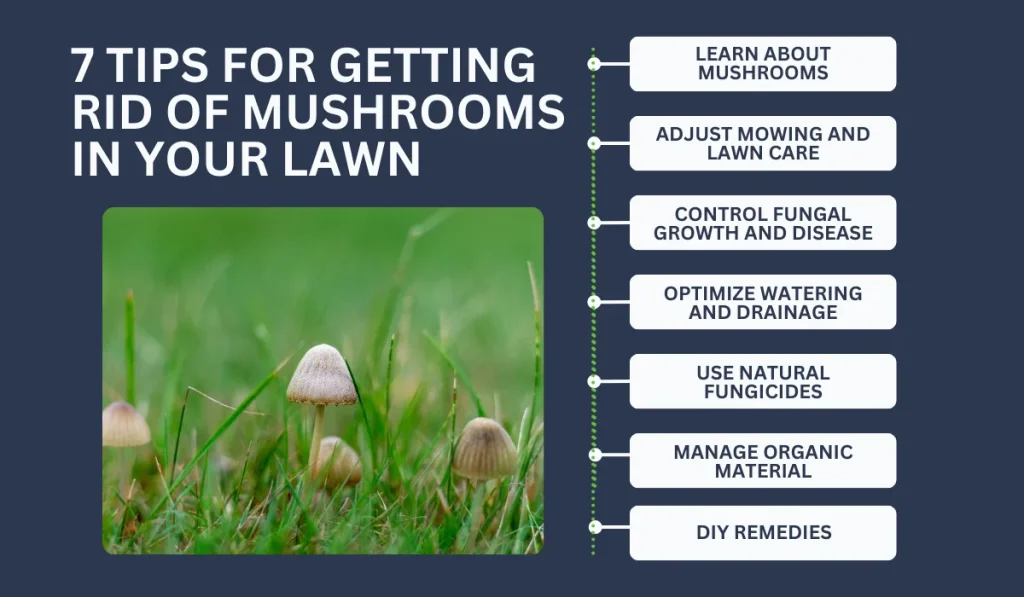
Image Source: sodlawn.com
Deciphering the Cause of Yard Mushrooms
Mushrooms are the fruiting bodies of fungi that live underground. They appear when conditions are right for spore germination and growth. Several factors contribute to their appearance:
- Excess Moisture: Fungi thrive in damp environments. Poor drainage, overwatering, or prolonged periods of rain can create ideal conditions.
- Organic Matter: Decomposing organic material, such as thatch, dead leaves, buried wood, or even pet waste, provides food for fungi.
- Soil Compaction: Compacted soil restricts air and water movement, which can lead to localized dampness and provide a haven for fungal growth.
- Shady Conditions: Many types of fungi prefer shady, humid areas, often found under trees or near dense shrubbery.
- Nutrient Imbalance: While fungi are decomposers, imbalances in soil nutrients can sometimes encourage their proliferation.
Identifying Yard Mushrooms
Before you can effectively remove mushrooms, it’s helpful to identify what you’re dealing with. While not all yard mushrooms are harmful to your lawn, some can be, and knowing the difference is important.
- Common Lawn Mushrooms: Many common yard mushrooms are harmless decomposers. They often appear after rain and disappear just as quickly. Examples include “Ink Caps,” “Meadow Mushrooms,” and various small, umbrella-shaped fungi.
- Fairy Rings: These are circular or semicircular patterns of darker green grass, mushrooms, or both. They are caused by the mycelium (the underground fungal network) spreading outwards from a central point. Fairy rings can indicate a buildup of thatch and can sometimes stress the grass within and around the ring.
- Toxicity: Be cautious, as some mushrooms found in yards can be poisonous to pets or children. If you are unsure about a mushroom’s identity, it’s best to err on the side of caution and remove it.
Effective Mushroom Removal Strategies
Getting rid of mushrooms involves both immediate removal and addressing the underlying causes to prevent their return. Here are several effective mushroom removal techniques.
Immediate Mushroom Removal
The most straightforward approach is to physically remove the mushrooms as soon as you see them.
Manual Removal
- How to do it: Simply pull the mushrooms out of the ground. Try to get as much of the stem as possible.
- Tools: Gloves, a trowel or small shovel, and a plastic bag.
- Benefits: Quick and easy, prevents spore dispersal from those specific mushrooms.
- Considerations: This is a temporary solution. If the underlying conditions aren’t addressed, more mushrooms will likely sprout.
Using a Lawn Mower
- How to do it: Mow over the mushrooms. This will chop them up and distribute them, but it can also spread spores.
- Benefits: convenient if you are already mowing.
- Considerations: Not an ideal method for long-term control, as it can aid in spore dispersal. It also doesn’t address the root cause.
Lawn Fungus Treatment and Prevention
To truly get rid of mushrooms, you need to tackle the fungal growth at its source. This involves improving your lawn’s health and managing moisture and organic matter.
Improving Drainage
- Aeration: Core aeration helps to relieve soil compaction, allowing for better air, water, and nutrient penetration. This can reduce damp conditions that favor fungi. Aerate your lawn once a year, especially in the fall.
- Dethatching: A thick layer of thatch (dead grass stems and roots) can trap moisture and provide a food source for fungi. Power dethatching or raking can remove this layer. Aim to keep thatch below ½ inch.
- Address Low Spots: Fill in any low-lying areas in your yard where water tends to collect.
Managing Irrigation and Sunlight
- Water Wisely: Water your lawn deeply and infrequently, rather than shallowly and often. This encourages deeper root growth and reduces surface moisture. Water in the morning so the grass can dry before nightfall.
- Prune Overhanging Branches: If shady areas are a problem, consider pruning tree branches or shrubs that cast excessive shade on your lawn. This allows for better air circulation and sunlight penetration.
Adjusting Fertilization
- Balanced Fertilization: Avoid over-fertilizing, especially with nitrogen, as this can lead to lush, succulent growth that is more susceptible to fungal diseases and can contribute to thatch buildup. Follow a soil test recommendation for the best fertilizer application schedule.
Specific Lawn Care for Mushrooms
Here are some proactive lawn care practices to help keep mushrooms at bay:
- Top Dressing with Sand: In areas prone to persistent mushroom growth, lightly top-dressing with sand can help improve drainage and reduce surface moisture.
- Adding Beneficial Microbes: Some lawn care products introduce beneficial microbes to the soil that can outcompete or break down the fungi.
Organic Mushroom Killer Options
For those seeking a more natural approach to mushroom removal and lawn fungus treatment, several organic options exist.
Vinegar Solution
- How to do it: Mix one part white vinegar with four parts water. Spray directly onto the mushrooms and affected areas of the lawn.
- Benefits: Acetic acid in vinegar can kill fungi. It’s a readily available household item.
- Considerations: Can also harm grass if applied too strongly or too often. Test on a small patch first. Repeat applications may be necessary.
Baking Soda
- How to do it: Sprinkle baking soda directly onto the mushrooms. You can also make a spray by dissolving a tablespoon of baking soda in a quart of water.
- Benefits: Baking soda can alter the soil pH, making it less hospitable for fungi.
- Considerations: Use sparingly, as too much can damage grass.
Hydrogen Peroxide
- How to do it: Mix a 3% hydrogen peroxide solution with water (e.g., 1 part hydrogen peroxide to 3 parts water). Spray onto the mushrooms.
- Benefits: Hydrogen peroxide is an oxygen-releasing compound that can kill fungi and is biodegradable.
- Considerations: It can also bleach grass if used in high concentrations. Test in a small area first.
Corn Gluten Meal
- How to do it: Apply corn gluten meal to the lawn during the appropriate season for weed prevention. It also acts as a natural fertilizer and can inhibit fungal spore germination.
- Benefits: Natural, organic, and doubles as a fertilizer.
- Considerations: Timing is important for its effectiveness as a pre-emergent.
Chemical Mushroom Treatments
While organic methods are often preferred, chemical fungicides can be used for severe or persistent problems.
- How to do it: Follow product instructions carefully. Apply fungicides to the affected areas of the lawn.
- Benefits: Can be very effective for specific fungal diseases.
- Considerations: Always read and follow label directions precisely. Wear protective gear. Some fungicides are broad-spectrum and can harm beneficial soil organisms. Not all are specifically labeled for “mushrooms” but rather for general lawn fungus or disease.
Eliminating Fairy Rings
Fairy rings require a more targeted approach, as they are a symptom of extensive underground mycelium.
Recognizing Fairy Rings
- The Ring Appearance: Look for a circle of darker, more vigorous grass, or a ring of mushrooms. Sometimes, the center of the ring can become dead or thin grass.
- Underlying Thatch: Fairy rings are often associated with heavy thatch buildup.
Methods for Eliminating Fairy Rings
- Increase Watering: Water the affected area more deeply and frequently. This can help the grass in the ring grow vigorously and potentially mask the ring’s appearance, while also helping to break down the mycelium.
- Aeration and Dethatching: As mentioned earlier, these practices are crucial for breaking up the compacted soil and thatch that often fuel fairy rings.
- Fertilization: Apply a balanced fertilizer to the entire lawn, including the fairy ring area. This encourages uniform growth.
- Core Aeration and Topdressing: For persistent fairy rings, you can core aerate the entire ring, then top-dress with a good quality compost or soil. This helps to break up the mycelial layer and improve soil conditions. You can also incorporate a fungicide at this stage, if desired, for more aggressive treatment.
- Removal of Mycelium: In extreme cases, you might need to physically remove the sod in the ring, dig out the mycelium and a few inches of soil, and then reseed or resod the area.
Safe Mushroom Removal for Pets and Children
Safety is paramount when dealing with yard mushrooms, especially if you have pets or young children.
- Identify Potentially Toxic Mushrooms: If you suspect a mushroom is toxic, do not let pets or children near it. It’s best to wear gloves and a mask when removing them.
- Remove Thoroughly: Ensure you pull out the entire mushroom, including the stem and any visible mycelium, and dispose of it properly.
- Clean Up: Wash your hands and any tools that came into contact with the mushrooms.
When using any treatments, organic or chemical, always ensure they are safe for pets and children. Read labels carefully. Organic methods like manual removal, improving drainage, and proper watering are generally the safest approaches.
Table: Mushroom Removal Methods Comparison
| Method | Effectiveness Against Mushrooms | Impact on Lawn Health | Speed of Action | Effort Required | Best For |
|---|---|---|---|---|---|
| Manual Removal | High (for visible mushrooms) | None | Immediate | Low | Quick cleanup, preventing spore spread |
| Vinegar Solution | Moderate | Can damage grass | Days | Low-Moderate | Small patches, organic control |
| Baking Soda | Low-Moderate | Can damage grass | Days | Low | Small patches, organic control |
| Hydrogen Peroxide | Moderate | Can bleach grass | Days | Low-Moderate | Small patches, organic control |
| Corn Gluten Meal | Preventive | Beneficial | Months | Moderate | Overall lawn health, preventing new growth |
| Aeration | Indirect (improves conditions) | Beneficial | Long-term | Moderate | Improving drainage, reducing thatch |
| Dethatching | Indirect (improves conditions) | Beneficial | Long-term | Moderate | Reducing food source for fungi |
| Chemical Fungicides | High | Can be negative | Days-Weeks | Moderate | Severe fungal outbreaks |
Maintaining a Mushroom-Free Lawn
The key to long-term yard mushroom control is consistent, good lawn care.
Regular Lawn Maintenance
- Mowing: Mow at the correct height for your grass type. Taller grass shades the soil, which can keep it cooler and moister, potentially encouraging fungal growth. However, overly short mowing can stress the grass, making it more susceptible to disease.
- Watering: Stick to a watering schedule that promotes healthy root growth and minimizes surface moisture.
- Fertilizing: Use a balanced fertilizer according to your grass type and soil test results. Avoid over-fertilizing.
Monitoring and Early Intervention
- Regular Inspections: Walk your lawn regularly, especially after rain. Spotting mushrooms or signs of fungal growth early makes them easier to manage.
- Prompt Removal: Remove any mushrooms you see immediately.
Overseeding and Lawn Repair
- Overseeding: In the fall, overseeding your lawn with a healthy grass variety can fill in bare spots and create a denser turf, which is more resistant to fungal issues.
- Soil Health: Focus on building healthy soil through composting and aeration. Healthy soil supports healthy grass that can better resist fungal invaders.
Frequently Asked Questions (FAQ)
What is a fairy ring?
A fairy ring is a circular pattern of mushrooms or darker, more vigorous grass that appears in a lawn. It’s caused by the outward growth of underground fungal mycelium, which often decomposes organic matter in the soil.
Can I get rid of mushrooms permanently?
While you can’t guarantee permanent eradication, by consistently addressing the underlying causes like excess moisture, poor drainage, and organic matter buildup, you can significantly reduce or eliminate mushroom growth in your yard.
Are all mushrooms in the yard harmful?
No, many mushrooms that appear in yards are harmless saprophytes, meaning they are simply breaking down dead organic matter. However, some can be toxic to pets or children, and others are indicators of lawn diseases.
Is it okay to leave mushrooms in the yard?
If the mushrooms are not poisonous and you don’t mind their appearance, you can leave them. However, they do spread spores, which can lead to more mushrooms, and their presence often indicates conditions that could be harmful to your lawn’s health in the long run.
How do I choose between organic and chemical lawn fungus treatment?
Organic options are generally safer for the environment, pets, and children, and they improve soil health over time. Chemical treatments can be more potent and act faster for severe outbreaks but may require more careful handling and can have negative environmental impacts. For most situations, starting with organic methods and good lawn care practices is recommended.
By following these strategies for mushroom removal and implementing a consistent lawn care regimen, you can effectively manage fungal growth and enjoy a healthier, more beautiful yard.