
Can you keep deer out of your yard? Yes, you can! With the right strategies, you can protect your precious plants and maintain your yard’s beauty. This comprehensive guide explores various effective methods, from physical barriers to scent-based deterrents, offering practical solutions for successful yard security and plant protection.
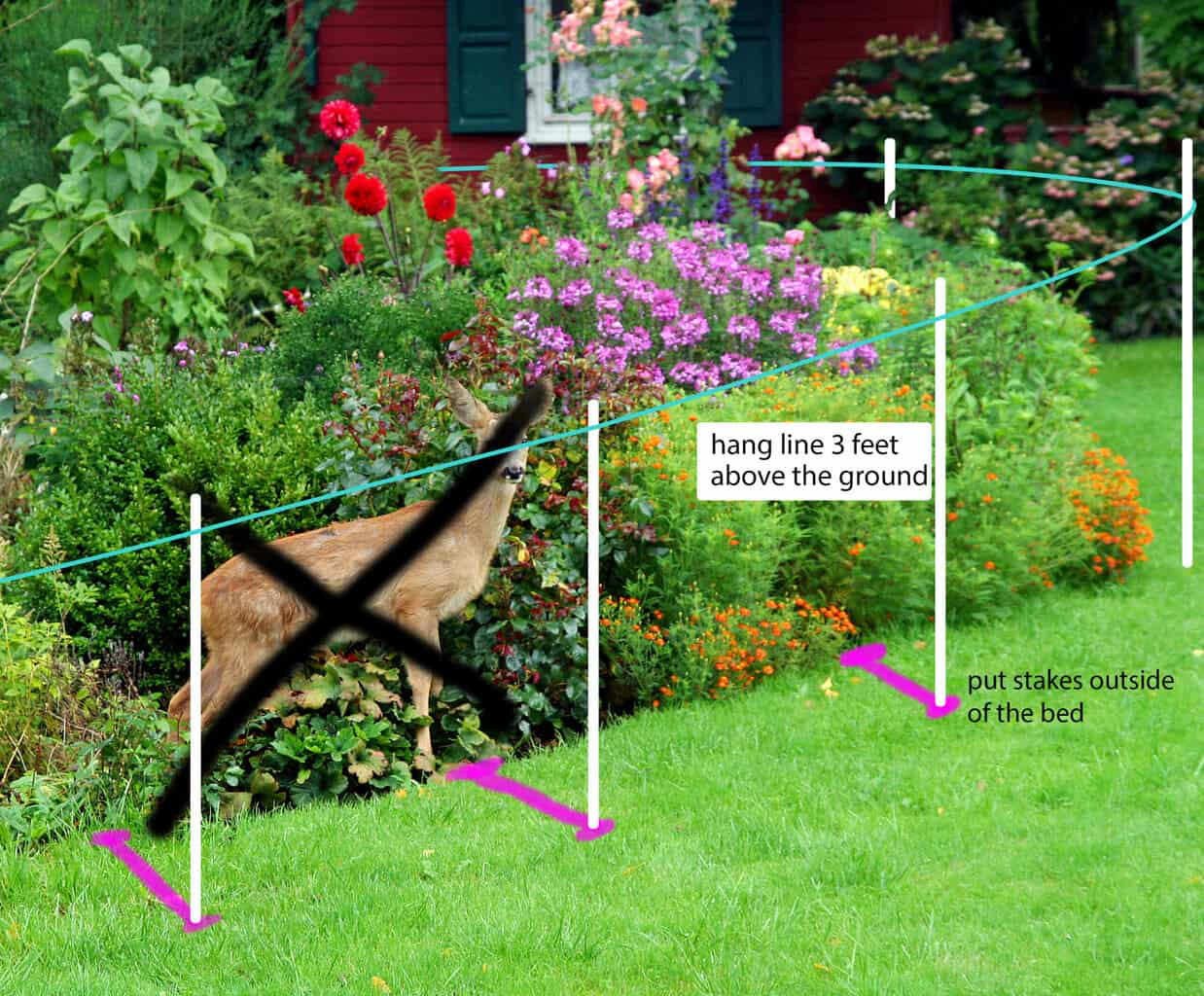
Image Source: www.tyrantfarms.com
The Deer Dilemma: Why They Invade Your Garden
Deer are beautiful creatures, but their presence in suburban and rural backyards can be a persistent problem. They are drawn to gardens for a variety of reasons, primarily for food. Tender, young shoots, flowers, fruits, and vegetables are all highly appealing to them. What might be a delectable salad to you is an all-you-can-eat buffet for a hungry deer. Beyond just sustenance, gardens often offer shelter and a sense of safety compared to more exposed areas. The lush greenery and accessible water sources in well-maintained yards can make them irresistible. This is where the need for effective pest control for deer becomes apparent.
Common Deer Food Preferences
- Hostas: These shade-loving plants are a deer favorite.
- Daylilies: Their vibrant blooms and tender leaves are an easy target.
- Roses: Deer love the buds and tender shoots of rose bushes.
- Tulips and Daffodils: These spring bulbs are often the first plants deer feast on.
- Fruit Trees: Apples, cherries, and pears are highly sought after.
- Vegetables: Lettuce, beans, peas, tomatoes, and corn are all on the deer menu.
- Young Shrubs and Trees: Saplings are particularly vulnerable.
Strategies for Deer Deterrence: A Multi-Layered Approach
Successfully keeping deer out of your yard often involves employing a combination of methods. What works in one area might be less effective in another, depending on local deer populations and their feeding habits. A multi-layered approach ensures you’re not relying on a single point of failure. This is about smart wildlife management for your property.
Physical Barriers: Building the First Line of Defense
Physical barriers are often the most reliable way to keep deer out, especially for highly valued plants or entire garden areas.
Deer Fencing: The Ultimate Yard Security
When it comes to absolute garden protection, a well-constructed fence is the gold standard. However, not all fences are created equal when it comes to deterring deer. They are surprisingly agile and can jump over obstacles if motivated by hunger.
Types of Deer Fencing
- Solid Fences: These are typically 8 feet high and made of wood, vinyl, or metal. They work by visually obstructing deer from seeing the attractive food source beyond. While effective, they can be expensive and may alter the aesthetic of your property.
- Wire Mesh Fencing: This is a common and cost-effective option.
- Height: The fence needs to be at least 8 feet high. Deer can easily clear a 6-foot fence.
- Material: Galvanized steel wire mesh with openings no larger than 4×4 inches is ideal. Smaller openings prevent fawns from getting through and are stronger.
- Installation: It should be securely anchored to sturdy posts spaced no more than 8-10 feet apart. Burying the bottom 6-12 inches of the fence into the ground or anchoring it to a base can prevent deer from pushing under it.
- Angle: Some recommend angling the top 2-3 feet of the fence outward at a 45-degree angle. This makes it harder for deer to jump over.
- Electric Fencing: This uses low-voltage electric current to deliver a mild shock to deer, conditioning them to avoid the fence.
- Effectiveness: Can be very effective when properly installed and maintained.
- Configuration: Often involves multiple strands of wire spaced at different heights.
- Considerations: Requires regular maintenance to ensure it’s working and can be a concern for pets or children. It’s a humane method when used correctly as an animal deterrent.
- Slanted Fences: Similar to the angled wire mesh, these fences are built at a 45-degree angle outwards from your property. This makes the effective jumping height much greater than the actual physical height of the fence.
Temporary Fencing and Individual Plant Protection
For smaller gardens or specific valuable plants, temporary fencing or individual protection can be a practical solution.
- Deer Netting: Lightweight, UV-resistant netting can be draped over plants or strung between posts to create a barrier. It’s less visually intrusive than solid fencing.
- Tree Guards and Trunk Wraps: These protect young trees from deer rubbing their antlers or nibbling on the bark.
- Cages and Collars: Wire mesh or plastic cylinders can be placed around individual shrubs or young trees.
Scent and Taste Deterrents: Tricking Their Senses
Deer rely heavily on their sense of smell. Using scents and tastes that are offensive to them can be a very effective deer repellent strategy. These methods often require reapplication, especially after rain or watering.
Commercial Deer Repellents
There’s a wide array of commercial deer repellent products available, utilizing various active ingredients.
- Rotten Egg/Sulfur-Based Repellents: These mimic the smell of predators and are generally considered safe for plants. They work by creating an unpleasant odor.
- Predator Urine-Based Repellents: Products containing the urine of coyotes, foxes, or wolves can effectively deter deer.
- Plant-Based Repellents: Some repellents are derived from essential oils of plants like rosemary, mint, or thyme, which deer tend to avoid.
- Soaps and Garlic Sprays: Some gardeners find success with homemade sprays using ingredients like bar soap or garlic.
Key Considerations for Repellents:
- Reapplication: This is crucial. Apply after rain, heavy dew, or irrigation.
- Rotation: Deer can become accustomed to a single scent. Rotating between different types of repellents can improve effectiveness.
- Application Area: Apply to plants themselves, as well as the surrounding areas (e.g., fence posts, ground) to create a broader zone of deterrence.
- Seasonality: Deer become more desperate for food in winter. You may need to apply repellents more frequently during these times.
DIY Deer Repellent Recipes
Many natural and homemade solutions exist, often using common household items. These are excellent for natural deer solutions.
- Garlic and Egg Spray:
- Ingredients: 1 dozen eggs, 1 pint milk, 1/4 cup garlic powder, 1/4 cup cayenne pepper, 1/4 cup dish soap.
- Instructions: Whisk eggs and milk together. Add garlic powder and cayenne pepper. Stir in dish soap. Let sit for 24 hours. Strain and dilute with water (1 part mixture to 10 parts water). Spray liberally on plants.
- Hot Pepper Spray:
- Ingredients: 1-2 tablespoons of cayenne pepper powder or hot sauce, 1 quart of water, a few drops of liquid dish soap (to help it adhere).
- Instructions: Mix ingredients and spray on plants. Be cautious not to spray on yourself or inhale.
- Soap Bars: Hanging strongly scented bar soaps (like Irish Spring) around your garden can act as an animal deterrent. The scent is off-putting to deer.
- Human Hair: Spreading a layer of human hair around the base of plants can also deter deer due to the predator scent.
Auditory and Visual Deterrents: Startling the Deer
Deer are naturally skittish creatures. Loud noises or sudden movements can startle them, at least temporarily.
Scare Tactics
- Noise Makers: Wind chimes, radios left on low, or motion-activated alarms can disrupt deer. However, deer can quickly habituate to consistent sounds.
- Scarecrows and Reflective Objects: Shiny objects like old CDs, aluminum foil strips, or reflective tape tied to branches can catch the sunlight and deter deer. Motion-activated sprinklers are also very effective as they startle deer with a sudden spray of water.
- Dogs: A dog that barks at deer and patrols the yard can be an excellent deterrent.
Planting Strategies: Making Your Yard Less Appetizing
Choosing the right plants for your garden is a fundamental part of deer management. This is about proactive plant protection.
Deer-Resistant Plants
While no plant is entirely deer-proof, some are significantly less palatable than others. Deer tend to avoid plants with:
- Fuzzy or Hairy Leaves: Examples include Lamb’s Ear, Salvia, and Bee Balm.
- Thorny or Prickly Stems: Roses (though they often eat the buds), Barberry, and Holly are examples.
- Strong Fragrances: Lavender, Rosemary, Mint, and ornamental grasses are often left alone.
- Tough or Leathery Leaves: Plants like Boxwood, Peonies, and Astilbe are generally less appealing.
- Toxic Properties: Some plants are inherently poisonous to deer, though this is less common in ornamental gardens.
Table: Examples of Deer-Resistant Plants
| Plant Type | Common Deer-Resistant Examples | Notes |
|---|---|---|
| Perennials | Lavender, Salvia, Coneflower, Bleeding Heart, Astilbe, Peonies | Many have strong scents or fuzzy leaves. |
| Shrubs | Boxwood, Hydrangea (some varieties), Forsythia, Lilac, Spirea | Texture and fragrance play a role. |
| Annuals | Marigolds, Zinnias (some varieties), Petunias (some varieties) | May still be nibbled, especially when young and tender. |
| Groundcovers | Pachysandra, Vinca Minor (Periwinkle), Creeping Thyme | Often have tough leaves or spreading habits that make them less appealing. |
| Ornamental Grasses | Blue Fescue, Feather Reed Grass, Fountain Grass | Generally tough and not a preferred food source. |
Important Note: Deer resistance is relative. In areas with high deer populations and scarce food, even typically resistant plants can become targets.
Companion Planting
Some gardeners believe that planting strong-smelling herbs like rosemary, mint, or garlic among more palatable plants can help mask the scent of the preferred food and deter deer.
Repelling Deer from Specific Areas
Sometimes, you don’t need to protect your entire yard, but rather specific problem areas.
Protecting Vegetable Gardens
Vegetable gardens are often prime targets. A combination of fencing and regular application of deer repellent is often necessary. Consider raised beds with sturdy borders that can deter deer from easily accessing the plants within.
Safeguarding Fruit Trees
Young fruit trees are especially vulnerable. Tree guards around the trunks and netting over the entire canopy during fruiting season can be effective.
Maintaining Your Deer Defense System
The key to long-term success is consistency and adaptability.
Regular Inspections
Periodically check your fences for damage and make repairs promptly. Refresh deer repellent sprays as needed, especially after weather events. Monitor plants for any signs of deer browsing and adjust your strategies accordingly. This is crucial for ongoing yard security.
Adapting to Deer Behavior
Deer are intelligent and can learn to ignore certain deterrents. If you notice a particular method becoming less effective, it’s time to switch things up. Introduce new scents, sounds, or even adjust your fencing. This is a continuous part of effective wildlife management.
Seasonal Considerations
Deer pressure often increases in winter when natural food sources are scarce. Be prepared to increase the frequency of repellent applications or reinforce your barriers during these critical months.
Ethical and Humane Deer Control
It’s important to remember that deer are wild animals, and our goal is coexistence. The methods discussed above are primarily for deterring them from your property without causing harm.
Safe Deer Control Practices
- Avoid Toxic Substances: Do not use poisons or harmful chemicals that could harm deer, pets, or other wildlife.
- Humane Fencing: Ensure fences do not trap or injure animals.
- Repellents: Opt for repellents that are non-toxic and environmentally friendly, especially those intended for use on edible plants.
Conclusion: A Beautiful Yard, Deer-Free
Keeping deer out of your yard is an ongoing process that requires patience and a multi-faceted approach. By implementing a combination of physical barriers, scent-based repellents, and smart planting choices, you can effectively protect your garden and enjoy your outdoor space. Remember that consistent application and adaptation to local deer behavior are the cornerstones of successful garden protection and achieving a truly deer-free yard. Your efforts in pest control for deer will pay off in a thriving, beautiful landscape.
Frequently Asked Questions (FAQ)
What is the most effective way to keep deer out of my yard?
The most effective way to keep deer out of your yard is generally considered to be a properly installed, 8-foot-high deer fence. However, a combination of methods, including deer-resistant plants and regular application of deer repellents, can also be very successful.
Can I use common household items as a deer repellent?
Yes, many gardeners have success with homemade deer repellents using common household items like rotten eggs, garlic, cayenne pepper, dish soap, and human hair. These often work by creating scents or tastes that deer find unpleasant.
Are deer-resistant plants truly deer-proof?
No plant is entirely deer-proof. In areas with high deer populations and limited food sources, deer may resort to eating plants that are typically considered deer-resistant. However, choosing resistant plants significantly reduces the likelihood of them being heavily browsed.
How often do I need to reapply deer repellent?
Deer repellent sprays need to be reapplied regularly, typically every few weeks, and especially after rain, heavy dew, or watering, as these can wash the repellent off the plants.
Is electric fencing safe for deer and my pets?
Electric fencing, when installed correctly with appropriate voltage, is generally considered safe and humane. It delivers a startling but harmless shock that conditions deer to avoid the fence. Ensure it’s clearly marked and that your pets are trained to avoid it.
What is the best type of fencing for deer?
An 8-foot-high, sturdy wire mesh fence, often with a slight outward slant at the top, is considered one of the most effective types of fencing for deer. Solid fences of the same height can also work by blocking their view.
How can I protect my vegetable garden from deer?
Protecting vegetable gardens usually requires a robust approach, combining a physical barrier like fencing with regular applications of deer repellent. Raised beds with high borders can also offer an additional layer of protection.
Are there any natural deer solutions that don’t involve chemicals?
Yes, many natural solutions exist, including planting deer-resistant species, using scent deterrents derived from predator urine or strong-smelling plants, and employing physical barriers like netting or well-designed fences.
Will scaring devices permanently keep deer away?
Scaring devices like noise makers or motion-activated sprinklers can be effective deterrents, but deer can become accustomed to them over time. Rotating scaring methods or using them in conjunction with other deterrents is often more successful.