
What is the fastest way to kill moss in a lawn? The quickest methods involve chemical treatments with iron-based products or specific moss killers, often followed by raking to remove the dead moss. However, long-term success hinges on addressing the underlying conditions that allow moss to thrive.
Moss might seem like an innocent green carpet, but its presence in your lawn is a clear sign that something isn’t quite right. This tenacious groundcover thrives in conditions that grass struggles with – think shade, poor drainage, compacted soil, and low soil fertility. While a lush green moss patch might look appealing to some, for most lawn owners, it’s an unwelcome invader that crowds out desirable grass species. So, how do you kill moss in a lawn fast and, more importantly, keep it from coming back? This comprehensive guide will walk you through effective strategies, from quick fixes to long-term lawn moss treatment and prevention.
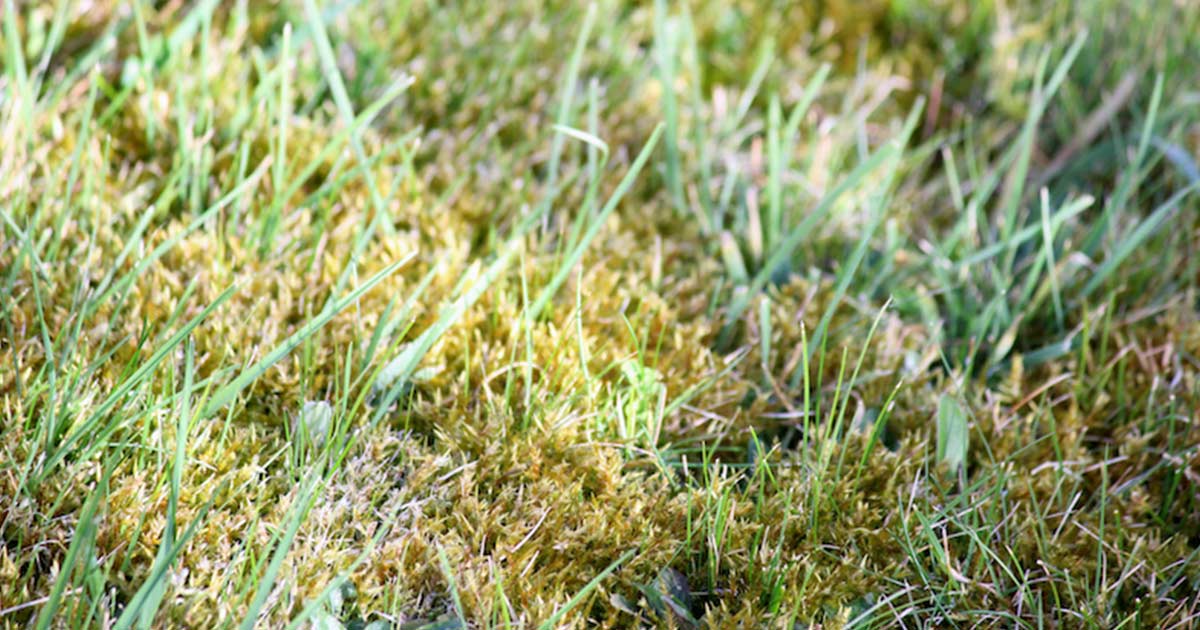
Image Source: www.mossout.com
Why Moss Takes Over Your Lawn
Before we dive into moss control, it’s essential to understand why moss chooses your lawn as its preferred habitat. Mosses are ancient plants, simple in structure, and they don’t have roots like grass. Instead, they anchor themselves with tiny, hair-like structures called rhizoids. This allows them to grow on surfaces where grass cannot, including rocks, soil, and even tree bark.
The key factors that promote moss growth are:
- Shade: Most lawn grasses need at least 4-6 hours of direct sunlight daily. Areas that are heavily shaded by trees, buildings, or fences are ideal for moss.
- Poor Drainage/Excess Moisture: Moss loves damp conditions. Waterlogged soil, frequent watering, or poor drainage creates the perfect environment for moss to spread.
- Soil Compaction: Compacted soil restricts air and water circulation, making it difficult for grass roots to grow and access nutrients. Moss, with its shallow rhizoids, can easily establish itself in these conditions.
- Low Soil Fertility: If your soil lacks essential nutrients, grass will struggle to grow strongly. Moss can then move in to fill the void.
- Low pH (Acidic Soil): Many types of moss prefer slightly acidic soil, with a pH between 5.0 and 6.5. Grass, on the other hand, generally prefers a slightly more alkaline pH.
- Mowing Too Short: Cutting your grass too low weakens it, making it more susceptible to stress and competition from moss.
Addressing these underlying issues is crucial for effective and lasting moss removal. Simply killing the visible moss without tackling the root cause (pun intended!) is a temporary solution.
Quick Fixes: How to Kill Moss on Grass Quickly
When you want to see results fast, there are several methods to kill moss on grass. These are typically short-term solutions that require follow-up to prevent recurrence.
Chemical Moss Killers
The fastest way to see dead moss is often through chemical applications. These products are designed to desiccate (dry out) the moss rapidly.
- Iron-Sulfate Based Products: These are very common and effective moss killers. Iron sulfate (ferrous sulfate) is toxic to moss. When applied to moss, it causes the plant cells to burst, turning the moss brown or black within hours or a day or two.
- How they work: Iron is absorbed by the moss, acting as a potent oxidizing agent.
- Application: Usually comes in granular or liquid form. Follow package directions carefully regarding dilution rates and application methods.
- Caution: Iron can temporarily stain concrete, patios, and clothing. It can also temporarily darken or stain grass, but this usually washes off with rain or watering. Over-application can harm your lawn’s grass.
- Fatty Acid Based Products: These are another type of moss killer that works by breaking down the cell walls of moss. They are often considered more environmentally friendly than synthetic chemicals.
- How they work: They disrupt the moss’s cell membranes, causing rapid dehydration.
- Application: Typically applied as a liquid spray. They are fast-acting, often showing results within 24-48 hours.
- Caution: Can also affect other non-woody plants if sprayed directly on them.
- Detergents/Soaps: While not a primary lawn moss treatment, a mild soap solution can sometimes be used for spot treatment of small moss patches.
- How they work: Soaps can strip the protective outer layer of moss, leading to dehydration.
- Application: Mix a small amount of mild liquid dish soap with water in a spray bottle.
- Caution: Use sparingly and only on moss. It can damage grass if applied too heavily or too often.
Important Note: Always read and follow the product label instructions precisely. Wear protective gear such as gloves and eye protection. Ensure pets and children are kept away from the treated area until it is safe, as indicated on the product label.
Manual Removal (Raking)
Once the moss is dead from a chemical treatment, moss removal is the next step.
- Process: After applying a moss killer, wait 24-48 hours for it to take full effect. Then, use a stiff-bristled garden rake or a specialized moss rake to vigorously rake the affected areas. This will pull out the dead, blackened moss.
- Why it’s important: This clears the way for grass to potentially regrow and also helps improve air circulation in the soil. It’s a critical step for effective moss extermination.
Long-Term Strategies for Moss Control and Prevention
Killing moss quickly is only half the battle. To truly conquer moss and prevent its return, you need to create an environment that favors healthy grass. This involves a combination of cultural practices and occasional treatments.
Improving Sunlight Exposure
- Pruning Trees and Shrubs: If shade is the primary culprit, consider pruning back overhanging branches of trees and shrubs. Even a few extra hours of sunlight can make a significant difference. Trim low-hanging branches that create dense shade.
- Removing Obstructions: If possible, remove any unnecessary structures or objects that are blocking sunlight.
Addressing Drainage Issues
- Aeration: Compacted soil prevents water from draining properly. Core aeration involves pulling small plugs of soil from the lawn, which allows air, water, and nutrients to penetrate deeper, helping to alleviate compaction and improve drainage. This is a key part of moss on lawn care.
- Top-dressing: After aeration, applying a thin layer of compost or a sand/soil mix can further improve soil structure and drainage.
- Improve Soil Structure: For persistent drainage problems, consider amending the soil with organic matter over time.
- Consider French Drains: In severe cases of waterlogging, installing French drains might be necessary to redirect excess water away from the lawn.
Adjusting Soil pH
Moss prefers acidic soil. Most lawn grasses prefer a pH closer to neutral (6.5-7.0).
- Soil Testing: The most accurate way to know your soil’s pH is to get it tested. Many local extension offices offer affordable soil testing services.
- Liming: If your soil test indicates a low pH (acidic), applying lime is the most effective way to raise it.
- Types of Lime:
- Ground Agricultural Lime (Calcium Carbonate): The most common and generally safest type. It works slowly.
- Dolomitic Lime: Contains both calcium and magnesium. Use if your soil is also deficient in magnesium.
- Hydrated Lime: Works quickly but can be caustic and more difficult to handle. Generally not recommended for home lawns unless specifically advised by a soil test.
- Application: Apply lime based on the recommendations from your soil test. It’s best applied in the fall or early spring when the ground is moist but not saturated. It takes time to affect soil pH, so don’t expect immediate results. Multiple applications spaced over months or years may be needed.
- Types of Lime:
Enhancing Soil Fertility
- Fertilizing: Regular feeding with a balanced lawn fertilizer will help grass grow thicker and more competitive against moss.
- Timing: Fertilize according to your grass type and climate. Spring and fall are generally the most important times for feeding.
- Slow-Release Fertilizers: These provide nutrients gradually, promoting steady growth without sudden surges that can make grass vulnerable.
- Composting: Top-dressing with compost adds essential nutrients and improves soil structure, further discouraging moss.
Adjusting Mowing Practices
- Mow Higher: Set your mower to a higher setting. Taller grass shades the soil, keeping it cooler and moister, which helps grass roots grow deeper and makes the lawn more resistant to moss. Aim for the higher end of the recommended mowing height for your specific grass type.
- Sharp Mower Blades: Ensure your mower blades are sharp. Dull blades tear grass, leaving it susceptible to disease and stress, which moss can exploit.
Overseeding
- Fill in Bare Patches: Once moss has been removed and conditions improved, overseeding bare or thin areas with a good quality grass seed will help your lawn become denser and more resistant to moss invasion. Choose a seed blend that is suited to your lawn’s conditions, especially shade tolerance if applicable.
Types of Moss Killers and Their Effectiveness
When choosing a best moss killer, consider the active ingredients and how they work.
| Moss Killer Type | Active Ingredient(s) | How it Works | Speed of Action | Long-Term Effect | Considerations |
|---|---|---|---|---|---|
| Iron-Based | Ferrous Sulfate (Iron Sulfate) | Oxidizes and dehydrates moss cells. | Fast (1-2 days) | Temporary | Can temporarily stain surfaces and grass. Best applied when moss is actively growing. |
| Fatty Acid Based | D-Limonene, Pelargonic Acid, etc. | Disrupts moss cell membranes, causing rapid dehydration. | Fast (1-2 days) | Temporary | Generally considered more environmentally friendly. Can affect other non-woody plants. |
| Carpet-Sided | Often a blend of iron and other agents | Designed to kill moss and often contains nutrients to help grass recover. | Fast (1-3 days) | Temporary | Similar considerations to iron-based products. May offer some lawn health benefits. |
| Copper-Based | Copper Sulfate | Disrupts enzyme activity within moss cells. | Moderate (3-7 days) | Temporary | Can be toxic to aquatic life and may harm beneficial soil microbes. Use with caution and follow label directions strictly. |
| Potassium Salts | Potassium Salts of Fatty Acids | Similar to fatty acid-based products; disrupt cell membranes. | Fast (1-2 days) | Temporary | Good option for organic lawn care. Effective against moss. |
| Organic Options | Various; often vinegar-based, essential oils, etc. | Mechanisms vary but generally involve dehydrating or disrupting cell structure. | Variable | Temporary | Effectiveness can be less predictable than synthetic options. Requires repeat applications. May be less harmful to the environment. |
Organic Moss Control Approaches
For those seeking organic moss control, the focus shifts from harsh chemicals to nurturing the lawn and making it less hospitable to moss.
- Improving Soil Conditions: As detailed earlier, aeration, proper liming, and fertilization are paramount for organic moss control. Healthy, vigorous grass is the best defense.
- Manual Removal: Regular raking is a simple yet effective organic method to remove moss.
- Vinegar (Acetic Acid): Household vinegar (5% acidity) can be used as a spot treatment for moss. It acts as a desiccant.
- Application: Spray directly onto the moss. For tougher patches, a horticultural vinegar with higher acidity (e.g., 10-20%) can be used, but with extreme caution as it can also damage grass and is corrosive.
- Caution: Vinegar is non-selective and will kill any plant it touches. It can also lower soil pH if used excessively, so use it sparingly and on small areas.
- Corn Gluten Meal: Applied in early spring, corn gluten meal acts as a pre-emergent herbicide, preventing seed germination. While its primary use is weed control, some anecdotal evidence suggests it can also inhibit moss spore germination. Its main benefit is as a natural fertilizer.
- Beneficial Fungi: Some specialized products contain beneficial fungi that can outcompete moss for resources. These are less common but are an emerging option in organic lawn care.
The Process of Moss Extermination: Step-by-Step
Achieving effective moss extermination involves a systematic approach:
- Identify the Cause: Before you do anything else, figure out why the moss is there. Is it too much shade? Is the soil compacted? Is it too wet?
- Prepare the Area: Mow your lawn to a normal height. This makes it easier to apply treatments and rake.
- Apply a Moss Killer: Choose a moss killer based on your preferences (chemical vs. organic) and the severity of the moss problem. Apply it evenly according to the product’s instructions.
- Wait for Action: Allow the moss killer sufficient time to work. This is usually 24-72 hours, depending on the product. You’ll see the moss turn brown or black.
- Rake Out the Dead Moss: Use a stiff rake to vigorously remove the dead moss. This is a crucial step for moss removal.
- Address the Underlying Issues:
- Aeration: If soil compaction is a problem.
- Lime: If soil pH is too low.
- Fertilize: To promote healthy grass growth.
- Prune: If shade is an issue.
- Improve Drainage: If waterlogging is a concern.
- Overseed: Fill in any bare spots with new grass seed.
- Maintain: Continue with proper mowing, watering, and fertilizing to keep your lawn healthy and moss-free.
Common Mistakes to Avoid in Moss Control
- Only Killing the Moss: This is the most common mistake. Without addressing the underlying issues, moss will inevitably return.
- Over-Application of Chemicals: Using too much moss killer can harm your grass and the environment. Always follow label instructions.
- Raking Too Soon: If you rake out the moss before it’s completely dead, you’ll be less effective.
- Ignoring Soil pH: Acidic soil is a major contributor to moss growth. Failing to test and amend the pH will lead to repeated moss problems.
- Mowing Too Short: This weakens your grass and opens the door for moss invasion.
When to Call a Professional
If you’ve tried various methods and are still struggling with persistent moss, it might be time to consult a professional lawn care service. They can accurately diagnose the underlying issues and recommend or implement a tailored lawn moss treatment plan.
Frequently Asked Questions (FAQ)
Q1: Will moss kill my grass?
Moss doesn’t directly kill grass, but it thrives in conditions where grass struggles. By outcompeting grass for light, water, and nutrients, moss can weaken and eventually choke out your lawn.
Q2: Can I use baking soda to kill moss?
Baking soda (sodium bicarbonate) can have a similar effect to other alkaline substances by altering the soil pH and dehydrating moss. However, its effectiveness is debated, and it can also harm grass if used in high concentrations. It’s generally not recommended as a primary moss control method.
Q3: Is moss harmful to pets?
Most common lawn mosses are not harmful to pets. However, if you use chemical moss killers, ensure your pets are kept away from the treated area until it is safe, as indicated on the product label.
Q4: How often should I apply a moss killer?
Moss killers are typically applied as needed, usually once or twice a year, often in spring or fall when moss is actively growing. However, the key is to address the conditions that allow moss to thrive rather than relying on repeated chemical applications.
Q5: What is the best time of year to kill moss?
The best time to kill moss is typically in early spring or fall. During these periods, moss is actively growing, and temperatures are cool and moist, which aids in its effectiveness. These times also align well with other lawn care practices like aeration and overseeding.
By combining quick moss removal techniques with consistent efforts to improve your lawn’s overall health, you can effectively manage moss and enjoy a greener, healthier lawn for years to come.