
Can I keep snakes away from my yard using natural methods? Yes, you can significantly reduce the likelihood of snakes frequenting your yard by employing a combination of natural deterrents and proactive prevention strategies. What is the best way to prevent snakes in my yard? The most effective approach to preventing snakes involves making your yard less attractive to them by removing their food sources and hiding places, and by using natural deterrents that they find unpleasant.
Residential snake problems can be a growing concern for homeowners. The presence of snakes, even non-venomous varieties, can cause anxiety and pose a potential risk to children and pets. However, you don’t need harsh chemicals or intrusive methods to manage these reptiles. This comprehensive guide will delve into effective strategies for snake prevention and explore various natural snake deterrents to help you maintain yard safety. We’ll cover everything from understanding snake behavior to implementing practical garden snake control measures and snake proofing yard elements.
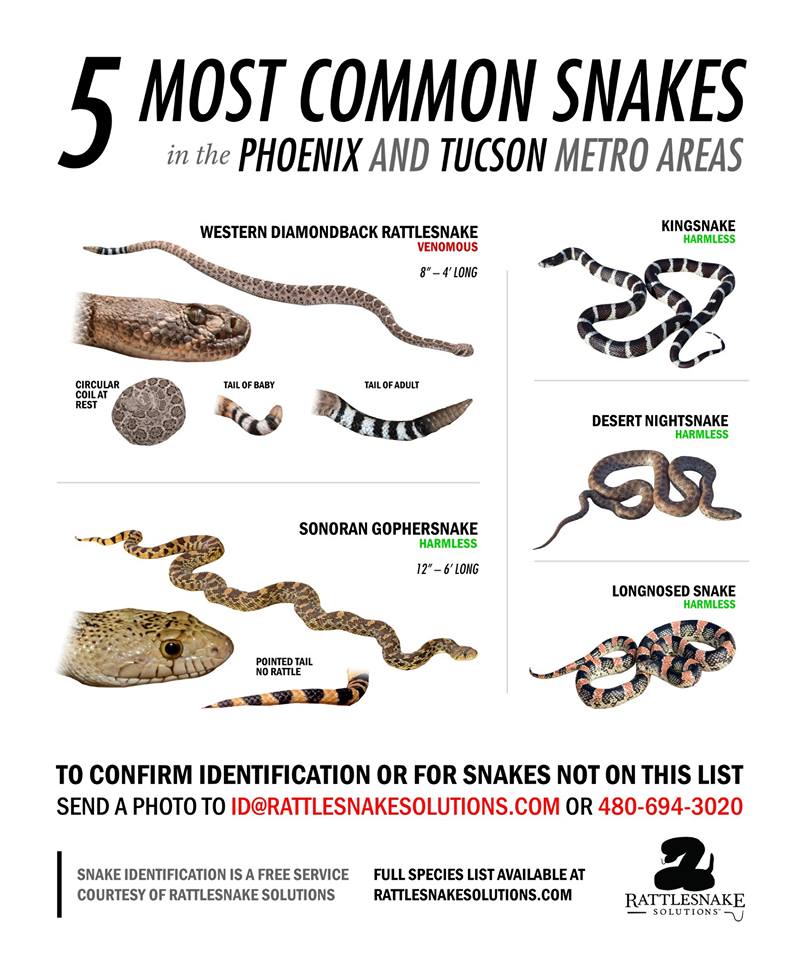
Image Source: rattlesnakesolutions.com
Attracting Snakes: What Makes Your Yard a Haven?
Before we can deter snakes, it’s crucial to grasp what draws them in the first place. Snakes are cold-blooded creatures seeking environments that offer food, water, shelter, and warmth. Identifying these attractants in your own yard is the first step towards effective wildlife control.
Food Sources
Snakes are predators, and their diet consists primarily of rodents, insects, amphibians, and other small animals. If your yard provides a buffet for these creatures, it will inevitably attract snakes.
- Rodents: Mice, rats, and voles are a primary food source for many snake species. A healthy rodent population is a direct invitation to snakes.
- Insects: Large insect populations, particularly those that attract rodents, can indirectly lead to snake presence.
- Amphibians: Ponds, bird baths, or consistently damp areas can attract frogs and toads, which are also on the snake menu.
- Bird Feeders: While not a direct attractant, bird feeders can draw rodents and insects, creating a secondary food source for snakes.
Shelter and Hiding Places
Snakes need places to hide from predators, regulate their body temperature, and ambush prey. Cluttered or overgrown yards offer numerous opportunities for them to find refuge.
- Tall Grass and Weeds: Unmown areas provide excellent cover for both snakes and their prey.
- Brush Piles and Debris: Piles of leaves, wood, rocks, or junk create ideal habitats.
- Dense Shrubbery: Thick, overgrown bushes offer shade and concealment.
- Rock Gardens and Mulch Beds: Especially if they are dense and undisturbed, these areas can provide warmth and hiding spots.
- Structures and Foundations: Cracks in foundations, gaps under sheds, garages, or decks, and access points to crawl spaces are common entry points and hiding spots.
- Water Features: Ponds, leaky spigots, or consistently wet areas can attract snakes.
Temperature Regulation
As reptiles, snakes rely on their environment to control their body temperature. Sunny spots for basking and cooler, shaded areas for escaping heat are essential. This means that sunny, open areas next to dense cover can be particularly appealing.
Natural Snake Deterrents: Making Your Yard Uninviting
Once you understand what attracts snakes, you can implement strategies to make your yard less appealing. Natural deterrents focus on making the environment less comfortable and less predictable for snakes.
Creating an Unwelcoming Environment
The most effective snake repellent isn’t a single product but a combination of habitat modification.
Lawn and Vegetation Management
- Mow Regularly: Keep your grass trimmed short, especially around the perimeter of your yard and near structures. This removes hiding places for snakes and their prey.
- Trim Shrubs and Bushes: Keep dense vegetation pruned, allowing sunlight to penetrate and reducing the shaded cover snakes prefer. Avoid letting branches touch the ground.
- Clear Debris: Remove any piles of wood, rocks, leaves, or junk. Regularly clean up fallen branches and debris.
- Manage Mulch: While mulch can be beneficial for gardens, excessively thick or deep mulch can provide good hiding spots. Consider using gravel or stone mulch in areas where snake presence is a concern.
Eliminating Food Sources
- Rodent Control: Implement effective rodent control measures. Seal entry points to your home and outbuildings. Store birdseed and pet food in sealed containers. Keep trash cans covered. A yard without a readily available food supply for rodents will be less attractive to snakes.
- Control Insect Populations: While challenging, managing insect populations can indirectly help. Consider natural insect deterrents for your garden.
- Manage Water Sources: Fix leaky outdoor faucets and hoses. If you have a pond, consider keeping its edges tidy and reducing amphibian populations if they become excessive.
Sealing Entry Points (Snake Exclusion)
Preventing snakes from entering your yard or structures is a key aspect of snake exclusion.
- Foundation Sealing: Inspect your home’s foundation for cracks and gaps. Seal them with caulk or mortar.
- Check Doors and Windows: Ensure doors and windows have well-fitting screens and seals.
- Secure Sheds and Garages: Inspect sheds, garages, and other outbuildings for gaps around doors, vents, and foundations. Install solid skirting around these structures, ensuring there are no gaps at the bottom. Use hardware cloth (1/4-inch mesh) to cover any vents or openings.
- Fencing: A well-maintained fence can be a deterrent. For effective snake proofing yard with fencing, ensure it is at least 3 feet high and buried at least 6 inches into the ground to prevent burrowing. The mesh size should be small enough (1/4 inch) to prevent snakes from passing through or under.
Natural Snake Repellent Plants and Scents
Certain plants and natural scents are believed to deter snakes due to their strong odors or the vibrations they create. While scientific evidence for the efficacy of some of these is limited, many gardeners find them to be helpful additions to their snake prevention strategy.
Plants with Repellent Properties
Some plants are traditionally thought to have properties that snakes dislike.
- Garlic: The strong scent of garlic is a well-known deterrent for many pests, including snakes. Planting garlic around the perimeter of your garden or home, or scattering crushed garlic cloves, may help.
- Onions: Similar to garlic, onions possess a strong scent that is thought to repel snakes.
- Marigolds: These common garden flowers have a distinct aroma that some believe snakes find unpleasant.
- Rue: This herb has a strong, pungent scent. Planting rue around your yard is thought to deter snakes.
- West Indian Jasmine (or False Jasmine): The scent of this flowering plant is also believed to be a snake deterrent.
- Cinnamon: The strong smell of cinnamon is often cited as a snake repellent. Scattering cinnamon powder around problem areas may be effective.
Essential Oils
Certain essential oils can also be used as natural snake deterrents. The theory is that snakes are sensitive to strong smells and may avoid areas where these oils are present.
- Clove Oil: The potent scent of clove oil is a common recommendation.
- Peppermint Oil: The strong, minty aroma is thought to be unpleasant for snakes.
- Cinnamon Oil: Similar to the powder, the oil is believed to have repellent properties.
- Cedarwood Oil: The woody scent of cedarwood is often used in pest control.
How to Use Essential Oils:
- Mix 10-20 drops of your chosen essential oil (or a blend) with a cup of water.
- Add a few drops of dish soap to help the oil and water mix.
- Pour the mixture into a spray bottle.
- Spray around the perimeter of your yard, near potential entry points, and in areas where snakes have been seen.
- Reapply regularly, especially after rain, as the scent will dissipate.
Table: Natural Snake Repellent Plants and Essential Oils
| Category | Item | Application Method | Notes |
|---|---|---|---|
| Plants | Garlic | Plant cloves around the yard; scatter crushed cloves. | Strong scent is the deterrent. |
| Onions | Plant bulbs; scatter chopped onions. | Similar to garlic in scent strength. | |
| Marigolds | Plant throughout the garden and yard. | Aesthetic benefit as well. | |
| Rue | Plant in beds and around the perimeter. | Pungent odor. | |
| West Indian Jasmine | Plant where safe and appropriate for your climate. | Fragrant flowers; scent is the deterrent. | |
| Cinnamon (bark/powder) | Scatter cinnamon powder around garden beds and entry points. | Strong, spicy aroma. | |
| Essential Oils | Clove Oil | Mix with water and a little soap; spray around the yard. | Potent, medicinal scent. |
| Peppermint Oil | Mix with water and a little soap; spray around the yard. | Invigorating scent for humans, potentially off-putting for snakes. | |
| Cinnamon Oil | Mix with water and a little soap; spray around the yard. | Concentrated version of cinnamon’s aroma. | |
| Cedarwood Oil | Mix with water and a little soap; spray around the yard. | Woody, grounding scent. |
Physical Barriers and Deterrents
Beyond planting and scents, physical barriers can also play a role in snake exclusion.
- Hardware Cloth: As mentioned for structures, using 1/4-inch mesh hardware cloth around gardens or specific areas can prevent snakes from entering.
- Gravel Borders: Creating wide borders of gravel around garden beds or the house can make it difficult for snakes to traverse comfortably. Snakes prefer to move on softer ground.
- Watering Practices: Avoid overwatering your garden, as moist soil can attract amphibians, which in turn attract snakes. Water in the morning so the soil can dry out during the day.
What Not to Use: Myths and Ineffective Snake Repellents
Many commercially available snake repellent products and home remedies are marketed to homeowners, but their effectiveness is often questionable or based on anecdotal evidence. It’s important to be discerning and focus on proven methods.
Common Myths and Ineffective Solutions
- Mothballs (Naphthalene): While often suggested, mothballs are generally ineffective against snakes. They can also be toxic to pets and wildlife if ingested, and their fumes can be harmful to humans.
- Snake Repellent Granules (Commercial Products): Many commercial granular repellents rely on strong odors like sulfur, castor oil, or essential oils. Their effectiveness is often temporary and requires frequent reapplication. The active ingredients can also be harmful to beneficial insects and soil microbes.
- Ammonia: The strong smell of ammonia is sometimes suggested, but it’s largely ineffective and can damage plants and soil.
- “Snake-Away” Products: Many products claiming to repel snakes work by mimicking the scent of predators (like raccoons or skunks). However, snakes rely more on scent trails of their prey and environmental cues than on predator avoidance through smell.
The Importance of Realistic Expectations
It’s crucial to understand that no single natural snake deterrent is 100% foolproof. Snakes are adaptable, and what deters one may not deter another. A combination of methods and consistent effort is key to successful snake prevention. The goal is to make your yard the least appealing option for a snake compared to other nearby habitats.
Long-Term Snake Prevention Strategies
Consistent maintenance and a proactive approach are essential for sustained yard safety and garden snake control.
Regular Yard Maintenance
- Consistent Mowing: Keep grass short throughout the growing season.
- Pruning: Regularly trim back overgrown shrubs and bushes.
- Seasonal Clean-up: Conduct thorough yard clean-ups in the fall to remove leaf litter and debris that can overwinter snakes.
- Inspect and Seal: Periodically check your home and outbuildings for new cracks or potential entry points and seal them promptly.
Educating Your Household
- Teach Children: Educate children about snakes and the importance of leaving them undisturbed if they are encountered. Teach them to identify potential snake habitats in the yard.
- Pet Safety: Keep an eye on pets when they are outdoors, especially in areas where snakes may hide. Consider supervising outdoor playtime in known snake-prone areas.
Understanding Local Snake Species
Familiarize yourself with the common snake species in your region. Knowing whether you are dealing with venomous or non-venomous snakes can inform your approach to wildlife control and prioritize your safety concerns. Local wildlife agencies or extension offices can provide valuable information.
When to Call a Professional
While this guide focuses on natural methods and DIY snake exclusion, there are situations where professional help is necessary.
- Venomous Snakes: If you regularly encounter venomous snakes, it’s best to contact a professional wildlife removal service or your local animal control for safe and humane relocation.
- Infestations: If you have a persistent problem with a large number of snakes despite your best efforts, a professional can help identify the root cause and implement more extensive solutions.
- Safety Concerns: If you feel unsafe or unsure how to handle a snake situation, always err on the side of caution and seek professional assistance.
Frequently Asked Questions About Snake Deterrents
Q1: Will planting marigolds and garlic really keep snakes away?
A1: While many people find success with planting marigolds and garlic as part of their snake prevention strategy, it’s not a guaranteed solution. These plants have strong scents that some believe snakes dislike, but scientific evidence is limited. They are best used in conjunction with other methods like habitat modification and regular maintenance.
Q2: Are there any chemicals that are safe and effective snake repellents?
A2: It’s generally advised to avoid chemical snake repellents due to their potential toxicity to humans, pets, beneficial insects, and the environment. Natural methods focusing on habitat modification and safe deterrents are usually more effective and sustainable for garden snake control.
Q3: How often do I need to reapply natural snake deterrents like essential oils?
A3: Essential oil sprays need to be reapplied regularly, typically every few days to a week, and especially after rain or heavy watering, as their scent dissipates quickly.
Q4: My neighbor has a snake problem, will it affect my yard?
A4: Yes, if your neighbor’s yard provides an attractive habitat and food source for snakes, it can impact your yard as well. Snakes are mobile and will move to areas that offer what they need. Working with neighbors on community-wide snake prevention efforts can be beneficial.
Q5: Can I snake-proof my entire yard?
A5: While completely “snake-proofing” a large yard can be challenging and expensive, you can significantly reduce snake activity by focusing on key areas. This includes sealing entry points to your home and outbuildings, maintaining a tidy and mowed lawn, and removing attractive hiding places around the immediate perimeter of your living spaces. This focused approach to snake exclusion can be very effective.
By adopting these natural snake deterrents and proactive snake prevention tips, you can create a safer and more enjoyable outdoor space, effectively managing residential snake problems and ensuring yard safety for your family and pets. Remember, consistency and a multi-faceted approach are key to successful garden snake control and wildlife control.