
Can you keep cats out of your garden? Yes, you absolutely can! Several proven and effective methods can help you protect your prized plants from curious feline visitors. Many gardeners find themselves battling the unwelcome presence of cats in their flowerbeds and vegetable patches. These charming creatures, while adorable, can cause quite a bit of damage, from digging up bulbs to leaving unwelcome “gifts” among your petunias. The good news is that you don’t have to resort to harsh methods. This guide offers five proven strategies to effectively keep cats away from your garden, focusing on humane and natural solutions. We’ll explore various forms of garden protection, including natural repellents, scent repellents, physical barriers, and even the use of ultrasonic devices. We’ll also touch upon creating homemade deterrents and the concept of cat proofing your outdoor space.
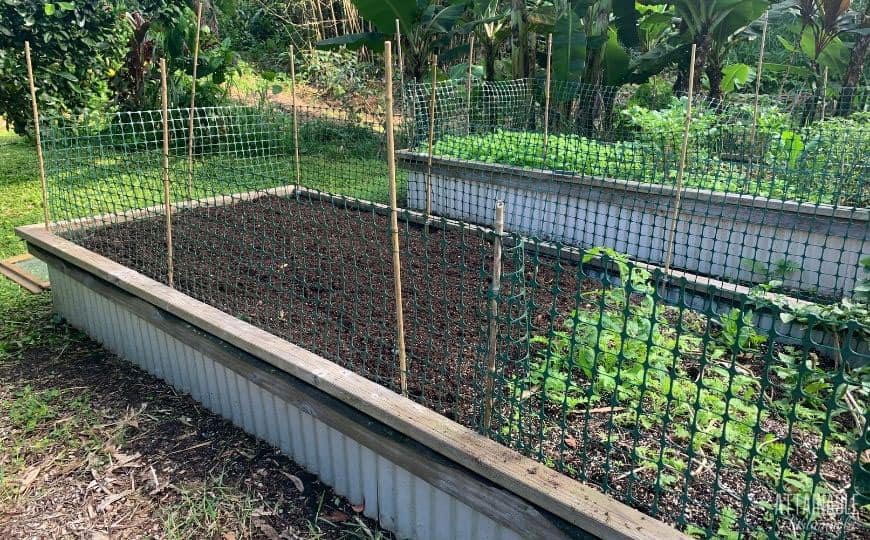
Image Source: www.attainable-sustainable.net
Why Do Cats Love Gardens?
Before we dive into solutions, let’s briefly consider why cats are drawn to gardens in the first place. Gardens often provide a soft, loose soil perfect for digging and burying their waste. This behavior is instinctual, part of their natural territorial marking and toileting habits. Additionally, gardens can be a source of stimulation for cats. They might enjoy the rustling of leaves, the scent of certain plants, or even the presence of small prey like insects or mice that inhabit these green spaces. Understanding these motivations can help us implement more effective deterrent strategies.
Soft Soil and Digging Habits
Cats have a natural instinct to dig. This serves multiple purposes:
- Toileting: They dig a hole to relieve themselves and then bury their waste to mask their scent from predators and other cats.
- Hunting: The soft soil can be an excellent place to stalk and pounce on small prey.
- Marking Territory: Digging can also be a way to leave scent marks.
Natural Attractions
Beyond instinctual needs, gardens can simply be appealing environments for cats:
- Sunshine and Warmth: Many cats enjoy basking in sunny spots, which gardens often provide.
- Hiding Places: Dense foliage offers excellent opportunities for cats to hide and observe their surroundings.
- Sensory Stimulation: The sights, smells, and sounds of a garden can be very engaging for a cat.
5 Proven & Effective Solutions to Keep Cats Out Of The Garden
Now, let’s explore the practical methods you can use to achieve successful garden protection.
Solution 1: Employing Natural Repellents and Scent Deterrents
One of the most humane and effective ways to keep cats away is by using natural repellents. Cats have a keen sense of smell, and certain scents are highly unpleasant to them, acting as powerful scent repellents.
Plants as Natural Repellents (Cat Repellent Plants)
Did you know that some plants can actually help deter cats? These are often referred to as cat repellent plants. While they won’t create an impenetrable barrier, strategically planting them can make your garden less attractive to feline visitors.
- Coleus Canina (Scaredy Cat Plant): This plant has a pungent odor that many cats find offensive. It’s also known by the evocative name “Scaredy Cat Plant.”
- Rue (Ruta graveolens): This plant has a strong, unpleasant smell for cats. However, be cautious, as rue can cause skin irritation in some people, so wear gloves when handling it.
- Pennyroyal (Mentha pulegium): Another aromatic herb that cats tend to avoid.
- Lavender (Lavandula spp.): While many people love the smell of lavender, cats generally dislike it.
- Rosemary (Rosmarinus officinalis): This fragrant herb is another scent that cats typically steer clear of.
- Thyme (Thymus vulgaris): Particularly lemon thyme, which has a strong citrusy scent that repels cats.
- Citronella (Cymbopogon nardus): Known for its insect-repelling properties, citronella also serves as a deterrent for cats.
- Catnip (Nepeta cataria) – The Paradox: Interestingly, while catnip attracts many cats, some cats are actually repelled by it. This is an unusual application but worth noting if you have a cat that dislikes the scent.
How to Use Cat Repellent Plants:
- Strategic Placement: Plant these around the perimeter of your garden beds or in areas where cats tend to frequent.
- Companion Planting: Integrate them with your existing plants.
- Crushing Leaves: For an extra boost, gently crush the leaves of these plants to release more scent.
Homemade Deterrents Using Natural Scents
Beyond planting, you can create your own homemade deterrents using common household items that cats dislike.
- Citrus Peels: Cats generally dislike the smell of citrus. Scatter orange, lemon, grapefruit, or lime peels around your garden beds. Replace them every few days as they dry out.
- Coffee Grounds: Used coffee grounds can be sprinkled around plants. The scent and texture can be off-putting to cats.
- Vinegar: Diluted white vinegar or apple cider vinegar can be sprayed around the garden’s edge. Be careful not to spray directly on plants, as it can harm them.
- Essential Oils: Certain essential oils like citronella, lemongrass, peppermint, and eucalyptus are effective scent repellents. Dilute a few drops with water and spray around the garden. Again, avoid direct contact with plants and be mindful that some essential oils can be toxic to pets if ingested, so use with caution and ensure good ventilation.
Table: Common Natural Scent Repellents for Cats
| Repellent Type | How it Works | Application Method | Precautions |
|---|---|---|---|
| Citrus Peels | Strong, unpleasant scent for cats | Scatter fresh peels around plants and garden beds. | Replace peels regularly as they dry out. |
| Coffee Grounds | Aroma and texture are unappealing to cats | Sprinkle used coffee grounds around plants. | Can slightly acidify soil; test in a small area first. |
| Vinegar (Diluted) | Acrid smell is a deterrent | Spray a diluted solution (1 part vinegar to 2 parts water) around the garden perimeter. | Avoid direct contact with plants, as it can cause damage. |
| Essential Oils | Pungent aromas like citronella, peppermint, etc. | Mix a few drops with water and spray lightly around the garden. | Use sparingly, dilute well, and avoid ingestion. Some oils can be harmful to cats. |
| Herbs (e.g., Rue, Pennyroyal) | Strong, disliked fragrances | Plant in garden beds or place crushed leaves strategically. | Handle rue with gloves. Ensure plants are not toxic if ingested by pets or children. |
Solution 2: Implementing Physical Barriers
Sometimes, the most straightforward approach to garden protection is to create physical barriers that prevent cats from accessing certain areas. This is a key aspect of effective cat proofing.
Garden Fencing and Netting
- Low Fencing: A short, sturdy fence (around 2-3 feet high) around your garden beds can be effective. Ensure there are no gaps at the bottom where a determined cat can squeeze through.
- Netting: Garden netting, draped over raised beds or frames, can prevent cats from digging or lounging in your vegetable patches. Opt for netting with small mesh sizes.
- Chicken Wire or Hardware Cloth: Laying chicken wire or hardware cloth on top of the soil around vulnerable plants can deter digging. You can partially bury it or secure it to the soil surface with garden stakes. The texture and lack of comfortable footing are usually enough to discourage cats.
Prickly Mulches and Ground Cover
Cats prefer soft, yielding surfaces for digging. Making the soil less inviting can be a great deterrent.
- Pine Cones or Gravel: Scattering pine cones, sharp-edged gravel, or even small stones around your plants can create an uncomfortable surface for cats to walk or dig on.
- Twigs or Pruned Branches: Laying thorny twigs (from roses or other shrubs) or crisscrossed small branches over bare soil can deter cats.
- Commercial Prickly Mats: You can purchase mats made of plastic spikes that are harmless but unpleasant for cats to walk on. These can be placed around specific plants or garden areas.
Protecting Specific Plants
For particularly vulnerable plants or bulbs, consider individual protection:
- Plant Cages: Use wire cages or small fencing sections to surround young plants or bulbs.
- Terracotta Pot Saucers: Place upside-down terracotta pot saucers over newly planted bulbs.
Solution 3: Utilizing Ultrasonic Devices
Ultrasonic devices emit high-frequency sound waves that are generally inaudible to humans but can be irritating to cats and other animals. This makes them a modern and often effective deterrent.
How Ultrasonic Devices Work
These devices are typically powered by batteries or solar energy and are placed around your garden. When motion is detected within their range, they emit a short burst of ultrasonic sound.
Choosing and Using Ultrasonic Devices
- Coverage Area: Check the manufacturer’s specifications for the effective range of the device. You may need multiple units for larger gardens.
- Placement: Position them at a height that will effectively target cats. Avoid placing them too close to your own pets’ usual resting spots if they are sensitive to sounds.
- Effectiveness: While many users report success, the effectiveness can vary. Some cats may become accustomed to the sound over time, requiring a change in strategy or device.
Solution 4: Creating Uninviting Havens and Modifying the Environment
Cats are often attracted to gardens because they offer shelter, warmth, and a comfortable place to rest or dig. By making these aspects less appealing, you can further keep cats away.
Removing Temptations
- Secure Trash Cans: Ensure your trash cans are securely lidded, as the smell of discarded food can attract strays or feral cats.
- Clean Up Spills: Promptly clean up any spills of food or liquids that might attract animals.
- Avoid Leaving Food Out: Never leave pet food or water outside, as this is a direct invitation to cats.
Making Digging Sites Less Appealing
- Cover Bare Soil: Cats love to dig in bare soil. Use ground cover plants, mulch (like wood chips or bark), or the prickly materials mentioned earlier to make these areas less inviting.
- Water Regularly: Keeping the soil slightly moist can make it less appealing for digging and burying.
Addressing Existing Attractants
- Sandboxes: If you have a sandbox for children, ensure it is covered when not in use. Cats often see sandboxes as ideal litter boxes.
- Water Features: While cats can be attracted to water, some may avoid areas with constant or strong water flow. However, this is generally a less reliable method.
Solution 5: Water Sprinklers and Motion-Activated Sprayers
For a more immediate and startling deterrent, motion-activated sprinklers are a popular choice.
How Motion-Activated Sprinklers Work
These devices are connected to a water source and have a motion sensor. When a cat enters the sensor’s range, it releases a short burst of water, startling the animal and encouraging it to leave.
Benefits and Considerations
- Humane and Effective: Most cats dislike being sprayed with water and will quickly learn to avoid the area.
- Coverage: Ensure the sprinkler covers the areas where cats are most problematic.
- Water Conservation: The spray is typically short-lived, conserving water.
- Seasonality: These are most effective during warmer months when water is less likely to freeze.
Table: Comparing Deterrent Methods
| Method | Pros | Cons | Best For |
|---|---|---|---|
| Natural Repellents | Humane, safe, often inexpensive, smells pleasant to humans | May need frequent reapplication, effectiveness can vary | General deterrence, creating scented barriers |
| Physical Barriers | Highly effective, long-lasting, no chemicals | Can be costly, may affect garden aesthetics, requires installation | Protecting specific beds, preventing access to entire areas |
| Ultrasonic Devices | Humane, no chemicals, can cover a wide area | Effectiveness varies, some pets may be affected, can be expensive | Large gardens, discreet deterrence |
| Environmental Modification | Addresses root cause of attraction, humane | Requires consistent effort, might not deter all cats | Preventing cats from viewing the garden as a resting or toileting spot |
| Motion-Activated Sprinklers | Immediate deterrent, humane, water-based | Requires water source, can startle humans, effectiveness can vary | Areas with frequent cat visits, immediate deterrence, backyards |
Advanced Cat Proofing Techniques
Beyond the core solutions, consider these advanced cat proofing strategies for comprehensive garden protection:
Professional Fencing Solutions
For persistent problems, you might consider professional fencing options designed to deter cats, such as adding an outward-angled extension to existing fences.
Professional Pest Control Advice
While not specifically for cats, some pest control services may offer advice or solutions for deterring common garden pests, which might indirectly help with feline visitors.
The Importance of Consistency
Whatever method you choose, consistency is key. Cats are creatures of habit, and it may take time for them to learn to avoid your garden. Regularly reapply homemade deterrents, check your physical barriers, and ensure your ultrasonic devices are functioning correctly.
Frequently Asked Questions (FAQ)
Q1: Will planting catnip attract more cats to my garden?
A1: Generally, yes. Catnip is known to attract cats due to its potent scent. However, in some rare cases, cats may be repelled by it. If your goal is to deter cats, it’s best to avoid planting catnip or to use it very strategically, perhaps in a designated area far from your main garden beds, and observe your local feline visitors’ reactions.
Q2: Are essential oils safe to use around pets?
A2: Some essential oils are safe for pets in diluted forms and with proper ventilation, while others can be toxic. For instance, oils like tea tree, peppermint, and eucalyptus can be harmful if ingested or if prolonged exposure occurs. Always research specific oils thoroughly, use them in very diluted solutions, and ensure your own pets cannot access or ingest them. It’s often safer to stick to methods that don’t involve direct application of oils in areas where pets might roam.
Q3: How can I make my garden less attractive for cats to dig?
A3: Cats love to dig in soft, loose soil. To deter this, use mulches like coarse gravel, pine cones, or sharp-edged materials. You can also lay down chicken wire or hardware cloth partially buried just under the soil surface. Planting dense ground cover also makes digging more difficult and less appealing.
Q4: What is the most effective deterrent for cats in gardens?
A4: The most effective deterrent is often a combination of methods. Physical barriers like fencing or chicken wire are highly effective at preventing access. For more passive deterrence, a combination of natural repellents (like citrus peels and specific plants) and motion-activated sprinklers can work very well. Consistency in applying your chosen methods is crucial for long-term success.
Q5: Can I use ultrasonic devices if I have dogs?
A5: While ultrasonic devices are designed to be inaudible to humans, some dogs can hear these frequencies and may find them irritating or stressful. If you have dogs, it’s advisable to test the device in a small area first or choose a model with adjustable frequencies. Alternatively, stick to other deterrent methods that are less likely to affect your own pets.
By implementing these strategies, you can effectively keep cats away from your garden, ensuring your plants thrive and your outdoor space remains a sanctuary for you and your family, not a feline playground. Remember that patience and consistent application are your best allies in achieving a cat-free garden.