
Wondering how to get rid of clover in your lawn? You can tackle clover by using a combination of healthy lawn practices, manual removal, and targeted herbicides. A healthy, dense lawn is your best defense against clover.
Clover, with its distinctive three-leaf structure and bright white flowers, can be a common sight in many lawns. While it’s a nitrogen-fixer, which can benefit soil, its invasive nature and tendency to spread can detract from the uniform, green carpet most homeowners desire. This pervasive weed can quickly take over, creating a patchy and unsightly appearance. If you’re asking yourself “What is the best way to kill clover?”, the answer lies in a multi-faceted approach that addresses the root of the problem and provides lasting clover control.
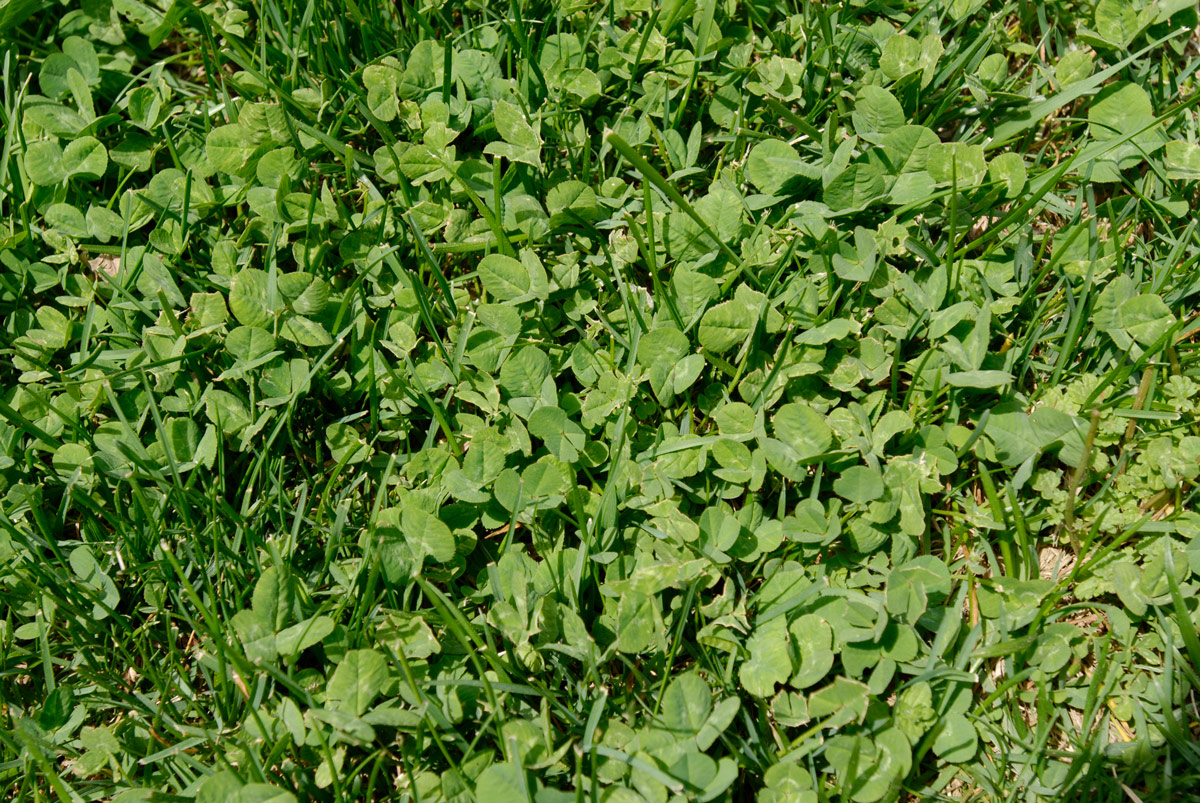
Image Source: naturalawn.com
Why Does Clover Appear in Your Lawn?
Clover thrives in specific conditions, and its presence often signals underlying issues within your lawn’s ecosystem. Fathoming why clover pops up is the first step to effective clover removal.
- Low Nitrogen Levels: Clover is a legume, meaning it can convert nitrogen from the air into a form plants can use. When your lawn lacks nitrogen, clover can outcompete grass for resources, filling the gaps. This is a common indicator of a nutrient-deficient soil.
- Compacted Soil: Heavily compacted soil restricts grass root growth, making it difficult for turfgrass to establish and spread. Clover, with its shallower root system, can easily colonize these areas.
- Poor Drainage: Lawns that remain wet for extended periods create an environment where clover can flourish, while many desirable grasses struggle.
- Infrequent Mowing: Cutting your grass too short can weaken it and expose the soil, providing an ideal spot for clover seeds to germinate and grow.
- Over-Seeding with Clover: In some cases, clover may have been intentionally included in grass seed mixes, particularly older ones, for its nitrogen-fixing properties.
Effective Strategies for Clover Removal
Getting rid of clover requires a proactive and consistent approach. Instead of just tackling the visible weeds, it’s crucial to improve your lawn’s overall health to prevent future invasions. Here are the best ways to eradicate clover.
1. Promoting a Healthy, Dense Lawn
The most sustainable method of clover removal is to create an environment where grass thrives and crowds out weeds. This is a long-term solution for lasting clover control.
- Proper Mowing:
- Height: Mow your grass at the higher end of the recommended range for your grass type. Taller grass shades the soil, preventing weed seeds from germinating. For most cool-season grasses, this means mowing at 3 to 3.5 inches.
- Sharp Blades: Ensure your mower blades are sharp. Dull blades tear grass, making it susceptible to disease and weakening it.
- Regular Watering:
- Deep and Infrequent: Water your lawn deeply but less often. This encourages deeper root growth in your grass, making it more resilient. Aim for about 1 inch of water per week, applied in one or two watering sessions.
- Morning Watering: Water in the morning to allow the grass blades to dry before nightfall, reducing the risk of fungal diseases.
- Appropriate Fertilization:
- Soil Test: Conduct a soil test to determine your lawn’s specific nutrient needs.
- Balanced Fertilizers: Use a balanced fertilizer tailored to your grass type and the season. Fertilize in the fall for cool-season grasses and in late spring/early summer for warm-season grasses. Focus on nitrogen to promote lush, dense growth.
- Aeration:
- When: Aerate your lawn once a year, typically in the fall for cool-season grasses and late spring for warm-season grasses.
- Why: Aeration creates small holes in the soil, relieving compaction and allowing air, water, and nutrients to reach the grass roots. This improves overall lawn health and helps grass outcompete weeds.
- Dethatching:
- When: If your lawn has a thatch layer (a layer of dead grass stems and roots) thicker than half an inch, dethatch it, usually in the fall for cool-season grasses.
- Why: Thatch can block air and water from reaching the soil and can harbor pests and diseases. Removing it promotes a healthier root system.
2. Manual Clover Removal
For small patches of clover, manual removal is an effective and environmentally friendly option for clover removal.
- Tools: Use a garden trowel, dandelion digger, or a specialized weed puller.
- Technique:
- Moisten the Soil: Water the area thoroughly before you start to make it easier to pull the roots.
- Get the Root: Dig around the clover plant, ensuring you get as much of the taproot as possible. Clover has a taproot that, if left behind, can regrow.
- Dispose Properly: Place the removed clover in a sealed bag and discard it to prevent seeds from spreading.
- Fill and Reseed: Fill the empty space with good quality topsoil and reseed with your desired grass type. Keep the area moist until the new grass is established.
3. Natural Clover Removal and Treatment
For those who prefer to avoid chemicals, several natural methods can help in your lawn clover treatment.
- Boiling Water: Pouring boiling water directly onto small clover patches can kill them. Be careful not to splash onto desirable grass. This is a very localized and temporary solution.
- Vinegar: Household vinegar (acetic acid) can kill clover. Spray undiluted white vinegar directly onto the clover on a sunny, calm day.
- Caution: Vinegar is non-selective and will also kill grass, so apply it very carefully. It can also alter soil pH. Repeat applications may be necessary.
- Corn Gluten Meal: Applied in early spring, corn gluten meal acts as a pre-emergent weed killer. It inhibits root formation in germinating seeds, including clover seeds. It also provides nitrogen as it breaks down. Apply at a rate of 20 pounds per 1,000 square feet. This is more of a preventative measure and works best on young clover.
4. Chemical Clover Control: Herbicides
When other methods aren’t enough, chemical herbicides can be a powerful tool for eradicating clover. Choosing the right herbicide is key for effective clover control and to minimize damage to your lawn. The best way to kill clover often involves a selective herbicide.
- Selective Herbicides: These herbicides are designed to kill broadleaf weeds like clover while leaving grasses unharmed.
- Active Ingredients to Look For:
- 2,4-D: A common and effective broadleaf herbicide.
- Dicamba: Often found in combination with 2,4-D.
- MCPP (Mecoprop): Another effective broadleaf killer.
- Trimec: A popular combination of 2,4-D, Dicamba, and MCPP.
- Quinclorac: Particularly effective against crabgrass but also targets clover.
- Triclopyr: Works well on stubborn broadleaf weeds.
- Active Ingredients to Look For:
- Application Timing:
- Best Time: The most effective time to apply herbicides for clover control is when the clover is actively growing and the temperatures are between 60-85°F (15-29°C). This is typically in the spring or early fall.
- Avoid Stress: Do not apply herbicides to lawns that are stressed due to drought, heat, or recent over-seeding.
- Rainfall: Avoid applying herbicides if rain is expected within 24 hours, as it can wash the product away.
- Application Methods:
- Liquid Sprays: Most selective herbicides are applied as a liquid spray. Follow the manufacturer’s instructions carefully regarding dilution rates and application volumes.
- Granular Weed Feeders: Some herbicides come in granular form, often combined with fertilizer. These are applied with a spreader.
- Spot Treatment: For smaller infestations, spot treatment directly on the clover is more efficient and reduces the amount of chemical used.
- Important Considerations for Herbicide Use:
- Read the Label: Always read and follow the product label instructions precisely. This includes safety precautions, application rates, and target weeds.
- Grass Type: Ensure the herbicide is safe for your specific grass type. Some herbicides can damage certain grasses.
- Temperature: Avoid applying herbicides when temperatures are above 85°F (29°C), as this can damage your lawn.
- Wind: Apply on a calm day to prevent drift onto desirable plants or neighboring properties.
- Repeat Applications: Some persistent clover problems may require repeat applications. Wait the recommended time between treatments as stated on the product label.
- Combination Products: Many lawn care products combine fertilizers with herbicides. These can be convenient but ensure you don’t over-fertilize your lawn if it doesn’t need it.
Lawn Care Clover: A Holistic Approach
Effective lawn care clover management means integrating weed control with overall lawn health practices. When you have a clover problem in your lawn, it’s a sign that your grass needs some support.
Understanding Clover Herbicides: A Deeper Dive
When considering clover herbicides, it’s important to know how they work and which ones are best suited for your needs.
| Herbicide Type | How it Works | Best For | Considerations |
|---|---|---|---|
| Selective | Targets broadleaf plants (like clover) while leaving grasses unharmed. | Most lawn situations with clover mixed with grass. | May require repeat applications for stubborn clover. Always check label for grass compatibility. |
| Non-Selective | Kills all vegetation it comes into contact with, including grass. | Spot treating clover in areas where grass is not wanted. | Will kill grass. Must be applied very carefully to avoid damaging desirable lawn areas. |
| Pre-Emergent | Prevents weed seeds from germinating and establishing. | Preventing new clover from sprouting. | Less effective on existing, established clover plants. Often combined with fertilizer. |
| Post-Emergent | Kills weeds that have already sprouted and are actively growing. | Targeting existing clover patches. | Most common type for clover removal. Effectiveness depends on the active ingredient and growth stage of the clover. |
Common Active Ingredients in Clover Herbicides:
- 2,4-D: One of the most widely used broadleaf herbicides. It mimics plant hormones, causing uncontrolled growth and eventual death.
- Dicamba: Also a hormone-mimicking herbicide, often used in combination with 2,4-D for a broader spectrum of weed control. It can volatilize in hot weather, so application timing is crucial.
- MCPP (Mecoprop): Another hormone-type herbicide that is effective against clover and other broadleaf weeds.
- Triclopyr: A potent herbicide that is particularly effective against woody plants and deep-rooted broadleaf weeds. It’s often found in products for tough weeds.
- Quinclorac: Known for its effectiveness against crabgrass, but it also provides good control of clover. It’s often considered safer for certain grass types.
When to Apply Lawn Clover Treatment
The success of your lawn clover treatment depends heavily on timing.
- Spring: Early to mid-spring, when clover is actively growing and before it flowers, is an excellent time to apply post-emergent herbicides. The temperatures are usually ideal, and the grass is beginning its active growth phase.
- Fall: Early to mid-fall is another prime time. Cooler temperatures often bring relief from summer stress, and clover is actively storing energy for winter, making it more susceptible to herbicides. The grass is also preparing for dormancy, but many herbicides are still safe for it at this stage.
- Avoid:
- Extreme Heat: Herbicides can damage grass in temperatures above 85°F (29°C).
- Drought: Stressed grass is more vulnerable to herbicide damage.
- New Seed: Wait until new grass has been mowed at least twice before applying herbicides.
Eradicating Clover: A Step-by-Step Plan
To truly eradicate clover from your lawn, follow these steps:
- Assess the Infestation: Determine how widespread the clover problem is. Is it just a few patches, or is it throughout the entire lawn?
- Improve Lawn Health (Ongoing): Implement the healthy lawn practices mentioned earlier (mowing high, proper watering, fertilization). This is the foundation for long-term clover control.
- Manual Removal (for small patches): Pull out any small, isolated clover patches, ensuring you get the roots.
- Choose Your Treatment:
- Natural: If you prefer natural methods, use vinegar or corn gluten meal as described earlier.
- Chemical: Select a selective broadleaf herbicide that is safe for your grass type.
- Apply Herbicide (if chosen):
- Read and follow all label instructions carefully.
- Apply on a calm, mild day when clover is actively growing.
- Use a sprayer for even coverage.
- Monitor and Reapply: Check your lawn after a week or two. Repeat applications may be necessary for stubborn clover.
- Overseed (if needed): Fill any bare spots left by clover removal with appropriate grass seed to prevent new weeds from establishing.
Dealing with a Significant Clover Problem in Your Lawn
When your lawn has a significant clover problem, it often means the underlying issues are quite pronounced. A dense clover infestation can even smother out grass, creating large bare patches. In such scenarios, a more aggressive approach to clover removal might be necessary.
Broad-Spectrum Weed Control and Re-Establishment
In cases of severe clover infestation, sometimes a more comprehensive approach is warranted. This might involve a temporary use of non-selective herbicides followed by re-seeding.
- Identify the Cause: If clover is dominating your lawn, it’s a strong indicator that your grass is not healthy enough to compete. This could be due to poor soil pH, lack of nutrients, or excessive compaction.
- Consider a Renovation: For very severe cases, a lawn renovation might be the most effective long-term solution. This typically involves:
- Killing Existing Vegetation: Using a non-selective herbicide (like glyphosate) to kill all vegetation, including clover and grass.
- Soil Preparation: Aerating, dethatching, and adding topsoil or compost to improve soil structure and fertility.
- Overseeding: Planting a high-quality grass seed mix suitable for your climate and conditions.
- New Lawn Care: Providing proper watering, fertilization, and mowing for the new grass to establish a dense and healthy turf.
This method is more drastic but can be very effective for completely resetting a lawn that has a severe clover problem. It’s important to choose a time for renovation when conditions are ideal for grass establishment, typically spring or fall.
Frequently Asked Questions (FAQ) about Clover in Lawns
Here are answers to some common questions regarding clover in lawns.
Can I remove clover without chemicals?
Yes, you can remove clover without chemicals. For small patches, manual pulling is effective. For broader control, improving your lawn’s health through proper mowing, watering, and fertilization will help grass outcompete clover. Natural treatments like vinegar (used cautiously) or corn gluten meal can also be applied.
Is clover bad for my lawn?
Clover is not inherently bad for the environment; it fixes nitrogen in the soil, which can benefit plants. However, it is considered a weed in lawns because it is typically less desirable than turfgrass. It can create a patchy appearance, attract pollinators that some people may wish to avoid in their immediate lawn area, and its lower growth habit can smother out grass.
When is the best time to treat clover in my lawn?
The best time to treat clover with herbicides is when it is actively growing, typically in the spring or early fall when temperatures are between 60-85°F (15-29°C). Avoid treating during periods of extreme heat, drought, or when the grass is stressed.
Will clover come back after I remove it?
Clover can and likely will come back if the conditions that allowed it to thrive in the first place are not addressed. If your lawn has low nitrogen, compacted soil, or poor drainage, clover seeds can germinate and establish easily. Focusing on a healthy, dense lawn is the key to long-term clover control.
How do I prevent clover from growing in my lawn?
Preventing clover involves maintaining a healthy and dense lawn. This includes mowing at the correct height (3-3.5 inches), watering deeply and infrequently, fertilizing regularly to ensure adequate nitrogen levels, aerating compacted soil, and dethatching when necessary. A thick, vigorous turf will naturally crowd out weeds like clover.
Does corn gluten meal kill clover?
Corn gluten meal acts as a pre-emergent, meaning it can prevent clover seeds from germinating and establishing roots. It is less effective on existing, mature clover plants. Applied in early spring before clover seeds sprout, it can be part of a natural clover removal strategy.
By implementing these strategies, you can effectively manage and eliminate clover from your lawn, promoting a healthier, more attractive turf that you can enjoy year-round.