
Are you wondering why your yard feels like a fly convention? Many things can attract flies to your yard, from leftover food to damp areas. This blog post will dive deep into the common culprits behind those pesky fly infestations and offer practical solutions for effective fly control. We’ll explore why your outdoor space might be attracting flies, identify potential fly breeding grounds, and provide actionable steps for fly prevention and eliminating flies for good. Let’s tackle those outdoor fly problems and discover the primary reasons for flies plaguing your property, ultimately guiding you toward better fly management with helpful fly deterrents.
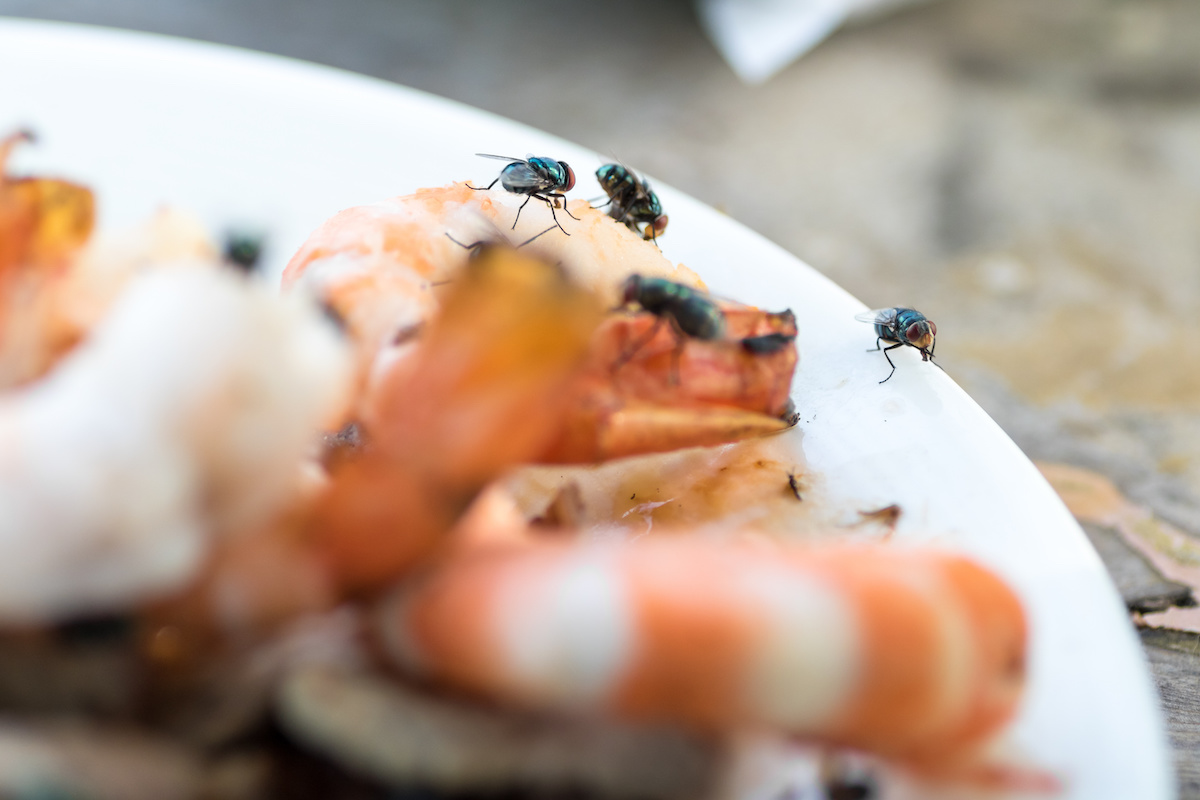
Image Source: housemanservices.com
1. Uncovered Garbage and Food Waste
The most significant reason for a sudden influx of flies in your yard is often tied to the availability of food sources. Flies, especially common house flies and fruit flies, are drawn to organic matter that is decomposing or readily available. Your garbage cans are prime targets.
The Unseen Feast: What Attracts Them
- Food Scraps: Even small amounts of leftover food – from picnic remnants to discarded fruit peels – create a powerful scent that travels. Flies have an incredible sense of smell, capable of detecting food sources from a considerable distance.
- Sweetness and Rot: Sugary substances, ripened fruits, and vegetables are particularly attractive. As these items begin to decay, they release volatile organic compounds (VOCs) that signal a feast to flies.
- Improperly Sealed Bins: If your garbage bins have lids that don’t seal tightly or are left ajar, flies can easily access the contents. They not only feed on the waste but also lay their eggs in it, creating a continuous cycle of fly breeding grounds.
- Overflowing Bins: When bins are overflowing, garbage is exposed on the top, providing an even easier entry point for flies. The smell emanating from an overloaded bin is also more potent.
Mitigating the Attraction: Practical Steps
Addressing your waste management is crucial for fly prevention and eliminating flies.
Secure Your Garbage
- Airtight Lids: Ensure all garbage cans have tight-fitting lids. If your current lids are damaged, replace them. Consider investing in bins with locking mechanisms.
- Regular Cleaning: Wash your garbage cans regularly, at least once a month, using soap and water or a bleach solution. This removes residual food particles and odors that attract flies.
- Bagging Waste: Always bag your garbage before placing it in the can. Double-bagging particularly odorous items, like meat scraps or rotting produce, can further contain smells.
- Frequent Disposal: Don’t let garbage accumulate. Take your trash out to the curb on collection day, and consider taking it to a municipal dump more frequently if your bins are consistently full and attracting flies.
Outdoor Dining Debris
- Clean Up After Picnics: Thoroughly clean up after any outdoor meals. Don’t leave plates with food residue sitting out. Pack up leftovers properly or dispose of them immediately in sealed bags.
- Pet Waste Management: Animal feces, both from pets and wild animals, are a significant attractant for flies. Scoop pet waste from your yard daily and dispose of it in sealed bags in a designated, covered bin.
By taking these simple yet effective measures, you can significantly reduce the appeal of your yard to flies, making fly management much easier.
2. Standing Water and Damp Areas
Flies, like many insects, have life cycles that depend on moisture. Damp environments provide not only a place to breed but also a source of hydration and a habitat for other small organisms that flies might feed on.
The Wet Zones: Where Flies Thrive
- Leaky Faucets and Hoses: Dripping outdoor faucets or leaky garden hoses can create small puddles or constantly damp soil. These areas can become breeding sites for various fly species.
- Clogged Gutters: Gutters filled with leaves and debris trap moisture. This stagnant water, combined with decaying organic matter from the leaves, is an ideal environment for flies to lay eggs.
- Bird Baths and Pet Water Bowls: While beneficial for wildlife, water sources that aren’t regularly cleaned and refilled can become breeding grounds. Algae and decaying organic matter can accumulate, making them attractive.
- Overwatered Plants and Poor Drainage: Gardens with poor drainage or areas where plants are consistently overwatered can lead to persistently damp soil. This dampness can support fly eggs and larvae.
- Compost Piles: While compost is beneficial, an improperly managed compost pile that is too wet and not turned regularly can become a magnet for flies. The decomposing organic matter, combined with excess moisture, creates ideal fly breeding grounds.
Draining the Problem: Solutions for Dampness
Implementing fly prevention strategies that target moisture is key to fly control.
Eliminate Standing Water
- Fix Leaks: Regularly inspect outdoor faucets, hoses, and sprinkler systems for leaks. Repair any you find promptly.
- Clean Gutters: Ensure your gutters are clean and free-flowing. Remove leaves and debris regularly, especially after heavy rains or during autumn. Consider installing gutter guards.
- Manage Water Features: Clean bird baths and pet water bowls at least twice a week. If you have ponds or other water features, ensure they are well-maintained and not stagnant.
- Improve Drainage: If certain areas of your yard have poor drainage, consider amending the soil with compost or sand to improve water infiltration. Adjust your watering schedule for plants to avoid overwatering.
- Compost Wisely: For compost piles, maintain a balance of moisture and aeration. Turn your compost regularly to promote decomposition and reduce humidity, which helps with fly management.
By minimizing damp areas and standing water, you remove essential elements that flies need to reproduce, thereby reducing outdoor fly problems.
3. Animal Waste and Carcasses
The presence of animal waste, whether from pets or wild animals, is a powerful attractant for flies. This organic matter provides both a food source and a breeding ground for many fly species.
The Unpleasant Attractors
- Pet Feces: Dog and cat feces left in the yard are a primary attractant for flies, particularly house flies and lesser house flies. These droppings offer readily available nutrients for flies and serve as excellent fly breeding grounds.
- Wild Animal Droppings: Similar to pet waste, droppings from birds, rodents, or other wildlife can also draw flies to your property.
- Dead Animals: Small carcasses of birds, rodents, or other animals that may have died in your yard are a potent attractant. Flies will quickly discover these and lay eggs, leading to rapid larval development.
- Bird Feeders: While feeders benefit birds, spilled seed and droppings beneath them can create a food source and attract flies, especially if the area isn’t cleaned regularly.
Cleaning Up the Mess: Maintaining a Fly-Free Zone
Effective fly control involves diligent removal of animal waste.
Regular Waste Removal
- Daily Pet Waste Cleanup: Make it a habit to scoop your pet’s waste at least once a day. Use a dedicated bin with a tight-fitting lid for disposal, or bag it and take it out with your regular trash.
- Prevent Wildlife Access: If possible, secure trash cans and compost bins so they are not accessible to wild animals that might create messes.
- Inspect and Remove Carcasses: Periodically walk your yard and remove any dead animals promptly and safely. Wear gloves and dispose of them in a sealed plastic bag.
Bird Feeder Best Practices
- Clean Under Feeders: Regularly sweep or rake up spilled seed and droppings from under bird feeders.
- Feeder Placement: Consider placing feeders away from primary outdoor living areas if fly activity becomes a major issue.
By diligently managing animal waste and promptly removing any unfortunate carcasses, you significantly reduce the opportunities for flies to find food and reproduce, aiding in fly prevention and overall fly management.
4. Rotting Vegetation and Organic Debris
Beyond food scraps, flies are also attracted to a wide range of decaying organic matter found in yards. This includes fallen fruit, decaying plant material, and other decomposing elements.
Decomposing Delights for Flies
- Fallen Fruit: Fruit that falls from trees and goes uncollected begins to ferment and rot. This process releases attractive scents that draw fruit flies, gnats, and other fly species.
- Overgrown or Neglected Gardens: Areas with dense, unkempt vegetation can harbor decaying leaves, weeds, and plant matter. This creates a moist, nutrient-rich environment ideal for flies.
- Mulch and Leaf Litter: While beneficial for soil, thick layers of mulch or leaf litter can retain moisture and, if they become overly saturated or mixed with other decaying matter, can become breeding sites.
- Unmanaged Yard Waste: Piles of grass clippings or garden waste left to decompose can quickly become a fly haven.
Tidying Up Your Territory: Eliminating the Debris
A clean and well-maintained yard is a key component of fly control and fly prevention.
Yard Maintenance Strategies
- Collect Fallen Fruit: Regularly collect any fruit that falls from trees. Compost it properly if possible, or dispose of it in sealed bags.
- Prune and Tidy: Keep garden areas tidy. Prune overgrown shrubs and remove dead or dying plants.
- Manage Mulch and Leaf Litter: Rake leaves and remove excess mulch, especially in areas prone to dampness.
- Compost Properly: Ensure your compost pile is managed correctly. It should be moist but not waterlogged, and turned regularly. Avoid adding large amounts of fruit or vegetable scraps that could ferment quickly.
- Regular Lawn Mowing: Keep your lawn mowed. This helps reduce the habitat for flies and makes it easier to spot and remove other attractants.
By regularly tidying your yard and managing organic debris, you remove many of the subtle yet significant factors that contribute to attracting flies and creating fly breeding grounds. This proactive approach is vital for effective fly management.
5. Exterior Building Issues and Entry Points
Flies don’t just stay outdoors; they actively seek ways to enter homes and other structures. Issues with the exterior of your home or building can create opportunities for flies to get inside, exacerbating outdoor fly problems and leading to indoor fly infestations.
Cracks and Gaps: The Invitation
- Damaged Window Screens: Ripped or torn window screens offer a direct invitation for flies to enter your home.
- Gaps Around Doors: Poorly fitting doors or weather stripping can create gaps through which flies can pass.
- Cracks in Walls or Foundations: Small cracks or holes in the exterior walls, foundation, or siding can provide entry points.
- Vents and Openings: Unscreened vents, such as attic vents or dryer vents, can be entry points.
- Loose Roofing or Siding: Damaged roofing or siding can create openings into the attic or wall voids where flies might reside or breed.
Sealing the Sanctuary: Preventing Indoor Entry
Focusing on fly prevention at the structural level is crucial for eliminating flies in and around your property.
Sealing and Screening Tactics
- Repair Screens: Inspect all window and door screens for damage. Repair or replace any screens with holes or tears.
- Seal Gaps and Cracks: Use caulk or sealant to fill any gaps or cracks around windows, doors, pipes, and utility lines entering your home.
- Weather Stripping: Ensure doors have good weather stripping and that it is in good condition to create a tight seal when closed.
- Vent Covers: Install fine mesh screens over vents that lead to the outside to prevent entry.
- Structural Repairs: Address any loose siding or roofing materials that could create entry points.
By diligently inspecting and repairing the exterior of your home, you can block many of the pathways flies use to enter, thereby improving fly control and reducing the likelihood of indoor fly infestations. This is a critical part of comprehensive fly management.
Comprehensive Fly Management Strategies
Beyond addressing the specific causes, a layered approach to fly management is most effective. This involves a combination of sanitation, exclusion, and, when necessary, targeted treatment.
Integrating Fly Prevention and Control
- Regular Inspection: Make it a routine to inspect your yard and home for potential fly breeding grounds and attractants. Early detection is key.
- Integrated Pest Management (IPM): IPM emphasizes using a variety of methods, starting with the least toxic. This includes sanitation, habitat modification, and physical barriers before resorting to chemical treatments.
- Attracting Beneficial Insects: While it might seem counterintuitive, some natural predators and parasites of flies exist. Encouraging these beneficial insects can help with natural fly control.
Additional Fly Deterrents and Tools
- Fly Traps: Various types of fly traps can be used, including sticky traps, UV light traps, and bait traps. These are particularly useful for monitoring fly activity and reducing populations in specific areas.
- Natural Fly Repellents: Certain plants, like basil, mint, and lavender, are thought to deter flies. Planting these around your patio or seating areas might offer some mild fly deterrents.
- Professional Pest Control: For severe or persistent fly infestations, consulting a professional pest control service is advisable. They can identify specific fly species and implement targeted fly management strategies.
By combining meticulous sanitation, structural integrity, and thoughtful deterrents, you can effectively combat outdoor fly problems and enjoy a more pleasant environment.
Frequently Asked Questions About Flies in the Yard
Q1: What are the most common types of flies found in yards?
The most common flies you’ll encounter in your yard include house flies (Musca domestica), fruit flies (Drosophila melanogaster), blow flies (Calliphoridae family), and stable flies (Stomoxys calcitrans). Each has slightly different attractants and breeding habits, but many are drawn to similar conditions.
Q2: Can I completely eliminate flies from my yard?
While complete elimination is extremely difficult, you can significantly reduce their numbers and prevent major fly infestations through consistent and thorough fly prevention and management practices. The goal is to make your yard unattractive to them.
Q3: Are there natural ways to get rid of flies?
Yes, natural methods are very effective. Focusing on sanitation to remove fly breeding grounds and food sources is the most crucial step. Using plants known to repel flies, like basil or mint, can also help as fly deterrents. Physical traps are also a good natural option.
Q4: Why are flies more common in summer?
Flies are cold-blooded, meaning their activity levels increase with warmer temperatures. Summer provides ideal conditions for their rapid reproduction and activity, leading to higher populations and more noticeable outdoor fly problems.
Q5: What’s the best way to deal with flies around outdoor dining areas?
Keep food covered at all times. Clean up spills immediately. Use fly deterrents like citronella candles or outdoor fans (the airflow can disrupt their flight). Consider using screened enclosures or portable fly traps in the immediate vicinity. Maintaining excellent sanitation around these areas is paramount for effective fly control.