
What is lime for a yard? Lime is a natural substance, typically calcium carbonate or dolomite, that you add to your lawn and garden soil to raise its pH level. Can I put lime on my lawn anytime? It’s best to apply lime in the fall or early spring when the grass is dormant or growing slowly. Who is lime good for? Lime benefits most lawns and gardens, especially those growing in acidic soil.
Many homeowners wonder, “Why put lime on my yard?” The simple answer is to improve your lawn health by creating a more favorable environment for your grass to thrive. Your lawn’s soil pH is a crucial factor in its overall well-being, and lime acts as a powerful soil amendment to help balance it. If your soil is too acidic, it can hinder your grass’s ability to absorb essential nutrients, leading to weak growth and increased susceptibility to diseases and pests. This is where lime application becomes a game-changer for grass growth.
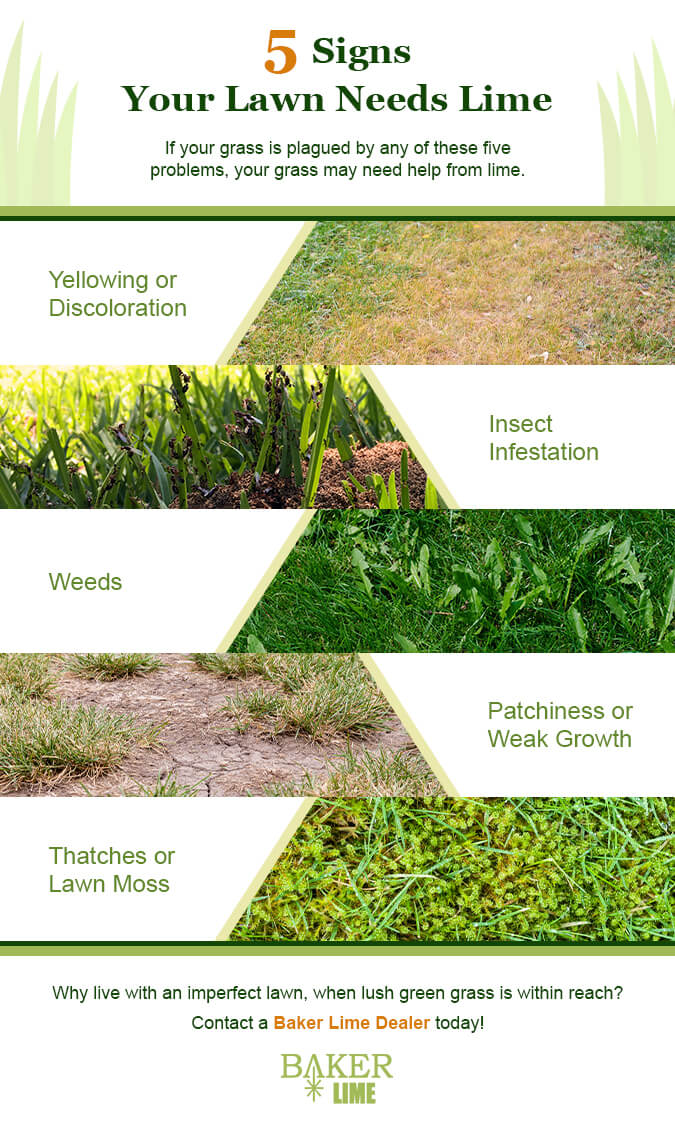
Image Source: www.bakerlime.com
Fathoming Soil pH and Its Impact
Soil pH is a measure of how acidic or alkaline your soil is. It’s measured on a scale from 0 to 14, with 7 being neutral. Soils below 7 are acidic, and soils above 7 are alkaline. Most turfgrasses prefer a slightly acidic to neutral soil pH, generally between 6.0 and 7.0. When your soil’s pH drifts too far from this ideal range, several problems can arise, directly impacting your lawn health.
The Downsides of Acidic Soil
Acidic soil can create a cascade of negative effects on your lawn:
- Nutrient Lock-up: In acidic conditions, essential nutrients like phosphorus, potassium, and calcium become less available to your grass plants. They essentially get “locked up” in the soil and cannot be absorbed by the roots. This is a major barrier to healthy grass growth.
- Aluminum and Manganese Toxicity: As soil becomes more acidic, toxic levels of aluminum and manganese can be released. These metals can interfere with root development and overall plant health, further stunting grass growth.
- Beneficial Microorganism Suppression: The beneficial bacteria and fungi that live in healthy soil, crucial for nutrient cycling and plant health, struggle to survive in highly acidic environments. This disrupts the natural ecosystem of your lawn.
- Weed Invasion: Weakened grass due to acidic soil is more vulnerable to invasion by weeds. These weeds often thrive in the conditions that are detrimental to grass.
How Lime Addresses Soil Acidity
Lime works by neutralizing acids in the soil. When lime is applied, it slowly dissolves and reacts with the soil, increasing the soil pH. This process not only makes essential nutrients more available but also reduces the toxicity of aluminum and manganese. This form of soil conditioning is vital for unlocking your lawn’s potential.
Deciphering Soil Testing: The First Step
Before you rush to buy bags of lime, the most crucial step is to perform a soil testing. Simply guessing your soil’s pH can lead to over-application or under-application of lime, both of which can be detrimental.
Why Soil Testing is Essential
- Accurate pH Determination: A soil test will tell you the precise soil pH of your lawn. This is the foundation for any successful soil amendment strategy.
- Nutrient Analysis: Most soil tests also reveal the levels of key nutrients in your soil. This allows you to address any nutrient deficiencies alongside pH correction.
- Tailored Recommendations: Based on your soil test results, you’ll receive specific recommendations for the type and amount of lime to apply, as well as any other necessary soil conditioning treatments.
How to Get Your Soil Tested
- Collect Samples: Collect soil samples from several different areas of your lawn. Dig down about 3-4 inches to get a representative sample. Avoid areas where fertilizer or lime has recently been applied.
- Mix Samples: Combine all the collected samples in a clean bucket and mix them thoroughly.
- Send to a Lab: You can send your mixed sample to a local university extension office or a private soil testing laboratory. They will analyze the soil and provide a detailed report.
The Different Types of Lime and Their Uses
Not all lime is created equal. The type of lime you choose for lime application can affect how quickly it works and the benefits it provides.
Granular vs. Pulverized Lime
- Pulverized (Hydrated) Lime: This is finely ground lime and reacts quickly with the soil, providing a faster pH adjustment. However, it can be dusty and more difficult to handle.
- Granular Lime: This is lime that has been pelleted. It’s easier to spread evenly and is less dusty, making it a popular choice for homeowners. While it reacts more slowly than pulverized lime, its ease of application often makes it the preferred option.
Carbonate vs. Oxide vs. Hydroxide Lime
- Calcium Carbonate (Agricultural Lime): This is the most common type of lime used in yards. It’s naturally occurring (limestone) and is relatively safe to handle. It works slowly and steadily to adjust soil pH.
- Calcium Oxide (Quicklime): This is produced by heating limestone. It’s highly reactive and can burn plants and skin if not handled with extreme care. It’s not recommended for typical lawn use.
- Calcium Hydroxide (Slaked Lime): This is created by adding water to quicklime. It’s also highly reactive and should be used with caution.
For most lawn care purposes, calcium carbonate in granular form is the best choice. Dolomitic lime, which contains both calcium and magnesium, is also beneficial if your soil test indicates a magnesium deficiency.
The Art and Science of Lime Application
Proper lime application is key to achieving the desired results without causing harm. The goal is to gradually adjust the soil pH and improve soil conditioning.
When to Apply Lime
As mentioned earlier, the best times for lime application are typically:
- Fall: This allows the lime to dissolve and react with the soil over the winter months, preparing it for spring growth.
- Early Spring: Applying lime in early spring before significant new growth begins is also effective.
Avoid applying lime during the heat of summer when the grass is stressed, or when the ground is frozen.
How Much Lime to Apply
The amount of lime you need will depend entirely on your soil testing results. Over-application can raise the soil pH too high, which can be as detrimental as having acidic soil. Always follow the recommendations provided by your soil test.
A general guideline for correcting moderate soil acidity might range from 50 to 100 pounds of lime per 1,000 square feet, but this can vary significantly.
Application Methods
- Broadcast Spreader: This is the most common tool for applying lime. Ensure your spreader is calibrated correctly to distribute the lime evenly across your lawn.
- Drop Spreader: A drop spreader offers more precise application, ensuring the lime falls directly onto the grass and avoids pathways or garden beds.
Post-Application Care
- Watering: Lightly water your lawn after applying lime. This helps the lime to start dissolving and move into the soil.
- Avoid Over-Compaction: If your soil is very wet, avoid walking on it or using heavy equipment to prevent soil compaction.
The Long-Term Benefits of Proper Soil Conditioning
Consistent and appropriate lime application contributes to the long-term health and vitality of your lawn. It’s not a quick fix, but rather a vital component of good soil conditioning.
Improved Nutrient Availability and Uptake
By raising the soil pH, lime makes essential nutrients more accessible to your grass roots. This enhanced nutrient uptake means your lawn can better utilize the fertilizer you apply, leading to greener, thicker, and more resilient grass.
Enhanced Root Development
When the soil environment is favorable, grass roots can grow deeper and stronger. Deeper roots make your lawn more drought-tolerant and better able to withstand periods of stress. This is a significant advantage for grass growth.
Increased Microbial Activity
A balanced soil pH encourages the proliferation of beneficial soil microbes. These microbes play a critical role in decomposing organic matter, releasing nutrients, and improving soil structure, further contributing to overall lawn health.
Greater Resistance to Pests and Diseases
Healthy, well-nourished grass is naturally more resistant to common lawn pests and diseases. By creating an optimal environment through proper soil conditioning, you reduce the need for chemical interventions.
Better Fertilizer Efficiency
When your soil pH is in the optimal range, the nutrients from your fertilizers are more readily available for your grass. This means you can often achieve better results with less fertilizer, saving you money and reducing environmental impact. This is a direct benefit of improved nutrient uptake.
Common Questions About Lawn Lime
Here are some frequently asked questions about using lime on your yard:
FAQ
-
Q: How often should I apply lime to my lawn?
- A: This depends on your soil test results. Generally, if your soil is acidic, you might need to apply lime every 1-3 years to maintain the desired soil pH. Always re-test your soil periodically.
-
Q: Will lime kill my grass?
- A: If applied at the correct rates and at the right times, lime will not kill your grass. However, applying too much lime at once, or using the wrong type of lime (like quicklime), can damage your lawn.
-
Q: Can I apply lime and fertilizer at the same time?
- A: It’s generally best to avoid applying lime and certain fertilizers simultaneously. For example, some nitrogen fertilizers can react with lime. It’s often recommended to wait a few weeks between applications, or apply them on separate occasions. Again, check your soil test recommendations.
-
Q: Does lime help with moss in my lawn?
- A: Lime can indirectly help with moss by improving the overall health of your grass. Moss often thrives in compacted, acidic, and poorly drained areas where grass struggles. By correcting these issues with lime and proper soil conditioning, you create a more hospitable environment for grass, which can then outcompete moss.
-
Q: What is the difference between lime and fertilizer?
- A: Fertilizers provide essential nutrients like nitrogen, phosphorus, and potassium to help grass grow. Lime, on the other hand, is a soil amendment that primarily adjusts the soil pH and improves soil structure, which in turn enhances the grass’s ability to absorb nutrients. They serve different, though complementary, purposes in lawn health.
Conclusion: A Foundation for a Healthier Lawn
Putting lime on your yard is a fundamental practice for achieving and maintaining a vibrant, healthy lawn. By carefully considering your soil pH through soil testing and implementing a proper lime application strategy, you are investing in the long-term health of your grass. This form of soil conditioning ensures optimal nutrient uptake, promotes robust grass growth, and builds a more resilient lawn capable of withstanding environmental stresses. Don’t overlook the power of this simple yet effective soil amendment in boosting your lawn health.