
So, can you put lime on your lawn? Yes, absolutely! Liming your lawn is a fantastic way to improve its overall health and achieve that vibrant, green carpet you’ve always wanted. This guide will walk you through everything you need to know about this essential soil amendment.
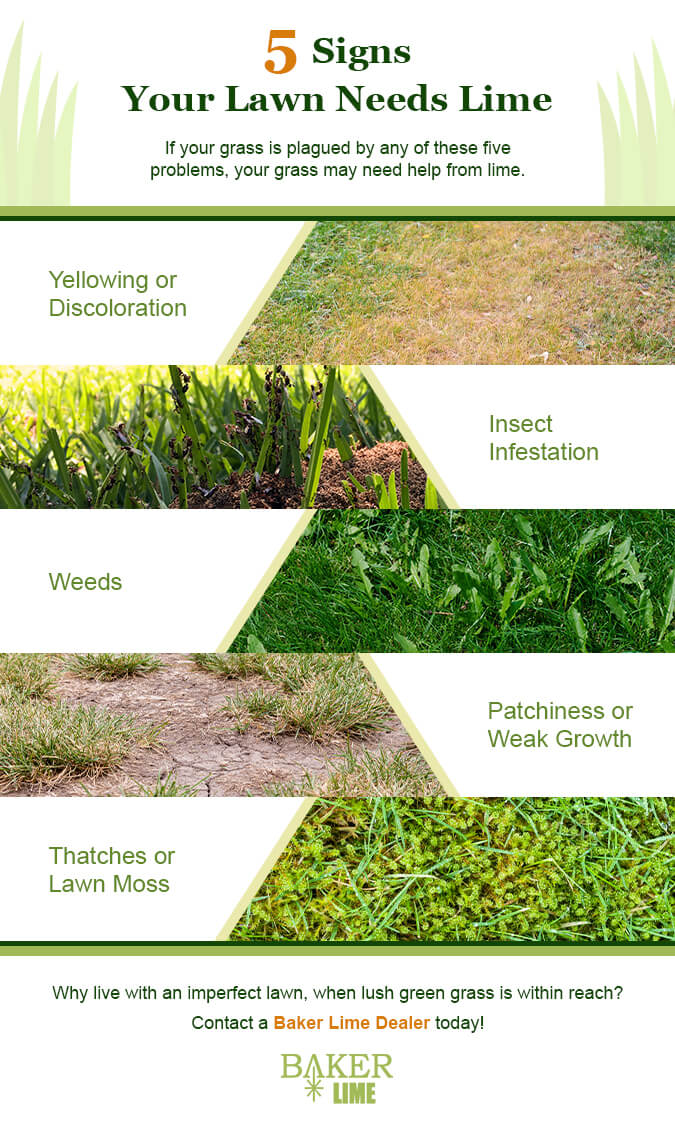
Image Source: www.bakerlime.com
The Power of Proper Soil pH
Your lawn’s success hinges on more than just sunlight and water; it depends heavily on the soil pH. Think of soil pH as a scale that tells you how acidic or alkaline your soil is. This scale runs from 0 to 14, with 7 being neutral. Most lawn grasses thrive in a slightly acidic to neutral range, typically between 6.0 and 7.0.
What is Soil pH?
Soil pH is a measure of the hydrogen ion concentration in the soil. It dictates how easily your grass can access the vital nutrients it needs to grow strong and healthy. If your soil pH is too low (meaning the soil is too acidic soil), certain nutrients become less available, and harmful elements can become more soluble, damaging your grass.
Why Acidic Soil is a Problem for Your Lawn
Acidic soil creates a challenging environment for grass growth. When the soil is too acidic, it can lock up essential nutrients like phosphorus, potassium, and calcium, making them unavailable to your grass roots. This nutrient deficiency can lead to weak, stunted growth, increased susceptibility to diseases, and a thinner, less vibrant lawn. Furthermore, in highly acidic conditions, aluminum and manganese can dissolve and become toxic to grass, further hindering its development.
The Benefits of Liming Your Lawn
Adding lime to your lawn is a direct way to address soil acidity and create a more hospitable environment for your grass. Liming is a fundamental aspect of good lawn care.
Improving Nutrient Availability
One of the primary benefits of liming is its ability to raise the soil pH. As the soil pH increases, nutrients that were previously unavailable due to acidity become accessible to your grass. This improved nutrient availability means your lawn can better utilize fertilizers and natural soil nutrients, leading to lusher, greener growth.
Here’s how lime helps with key nutrients:
- Phosphorus: This is crucial for root development and energy transfer. In acidic soil, phosphorus can bind with iron and aluminum, becoming unavailable. Lime helps release phosphorus.
- Nitrogen: Essential for leafy growth and color. While less directly affected by low pH, the overall health of the soil microbes that convert nitrogen is improved by proper pH.
- Potassium: Important for disease resistance and drought tolerance. Low pH can reduce potassium availability.
- Calcium and Magnesium: These are primary nutrients that lime directly provides. They are essential for cell structure and chlorophyll production.
Promoting Healthy Grass Growth
By correcting soil acidity and improving nutrient uptake, lime directly supports robust grass growth. Healthier grass blades are more resilient to stress from heat, drought, and foot traffic. You’ll notice a thicker, denser turf that can better outcompete weeds.
Enhancing Soil Structure
Lime can also contribute to better soil structure. It helps bind soil particles together, improving aeration and drainage. This is particularly beneficial in clay soils, which can become compacted and waterlogged in acidic conditions. Good soil structure allows roots to penetrate deeper, seeking moisture and nutrients.
Boosting Beneficial Soil Microbes
The microorganisms in your soil are vital for breaking down organic matter and making nutrients available to your grass. These beneficial microbes thrive in a balanced soil pH. Liming helps create an environment where these helpful organisms can flourish, further contributing to overall lawn health.
Types of Lime and Their Application
Not all lime is created equal, and choosing the right type for your lawn care routine is important. The most common types used for lime application are:
1. Pulverized or Ground Limestone
This is the most common and generally recommended type of lime for lawn use. It’s made from finely ground limestone rock.
- Pros: Easy to spread, relatively inexpensive, and acts quickly because of its fine particles.
- Cons: Can be dusty to apply.
2. Granular Limestone
Granular lime is pulverized limestone that has been formed into small pellets.
- Pros: Much easier to handle and spread, less dusty than pulverized lime, and often coats the grass blades better, leading to more even distribution.
- Cons: May act slightly slower than pulverized lime due to the pelletized form.
3. Dolomitic Lime
This type of lime contains both calcium and magnesium. It’s a good choice if soil testing indicates a deficiency in magnesium.
- Pros: Provides both calcium and magnesium, two essential plant nutrients.
- Cons: Can raise soil pH more rapidly than calcitic lime, so it’s crucial to use the correct amount based on soil testing.
4. Calcitic Lime
This lime primarily contains calcium. If your soil has sufficient magnesium levels, calcitic lime is a good option.
- Pros: Provides calcium, which is vital for cell wall strength.
- Cons: Doesn’t provide magnesium.
When to Apply Lime to Your Lawn
Timing is key for effective lime application. The best time to lime your lawn is generally in the fall or early spring, when the grass is not actively growing vigorously.
Fall Application
Fall is an ideal time for liming. As your lawn prepares for winter dormancy, the lime has ample time to dissolve into the soil and start adjusting the soil pH before the next growing season. This allows your grass to benefit from improved nutrient availability right from the start of spring.
Spring Application
Early spring is another good window. Apply lime after the snow has melted and the ground has thawed, but before your grass begins its rapid spring growth. This timing helps neutralize acidity that may have built up over winter.
How Often Should You Lime?
The frequency of lime application depends on your soil pH, the type of grass you have, and how quickly your soil’s pH tends to change. Generally, liming is done every 1-3 years, but this can vary. Soil testing is the best way to determine if and when your lawn needs lime.
How Much Lime to Apply?
This is where precision is crucial. Applying too much lime can be just as detrimental as not applying enough. The amount of lime needed is determined by:
- Current Soil pH: The lower your pH, the more lime is required to raise it.
- Target Soil pH: What is the ideal pH range for your grass type?
- Soil Type: Clay soils require more lime than sandy soils to achieve the same pH change because they have a higher cation exchange capacity.
- Type of Lime: Different limes have different neutralizing values.
The Importance of Soil Testing
Before you grab a bag of lime, the most important step is to perform a soil testing. This will accurately tell you your soil pH and identify any nutrient deficiencies. You can get a soil testing kit from your local garden center or send a sample to your local cooperative extension office. The results will provide specific recommendations on the type and amount of lime to apply for your lawn.
Example Soil Test Recommendation:
| Soil pH | Current Condition | Recommended Lime Application Rate (per 1,000 sq ft) |
|---|---|---|
| 5.0 | Strongly Acidic | 10-15 lbs of granular limestone |
| 5.5 | Moderately Acidic | 7-10 lbs of granular limestone |
| 6.0 | Slightly Acidic | 4-6 lbs of granular limestone |
| 6.5 | Near Neutral | Little to no lime needed |
Note: These are general guidelines. Always follow the specific recommendations from your soil test.
Calculating Lime Needs
If your soil test doesn’t give you a direct recommendation in pounds per 1,000 sq ft, you can use general guidelines. However, remember that soil testing is always best.
General Application Rates (per 1,000 sq ft):
- For a pH of 5.5, you might need 5-10 pounds of granular lime.
- For a pH of 5.0, you might need 10-20 pounds of granular lime.
Important: Never apply more than 5 pounds of lime per 1,000 sq ft at one time. If your soil test indicates a need for more, split the application into two treatments, waiting at least 6-8 weeks between them. This allows the lime to work gradually and prevents shocking the soil.
How to Apply Lime
Proper application ensures the lime works effectively and evenly across your lawn.
Equipment Needed
- Broadcast Spreader: This is the most common tool for spreading granular lime. It ensures an even distribution.
- Drop Spreader: Can be used for more precise application, especially in smaller areas.
- Gloves and Eye Protection: Always wear these when handling lime.
Step-by-Step Application
- Calibrate Your Spreader: Follow the manufacturer’s instructions for your specific spreader and the type of lime you are using. Most lime bags will have spreader settings listed on them.
- Spread Evenly: Walk at a consistent pace, overlapping your passes slightly to ensure complete coverage. Avoid dumping lime in one spot.
- Water In: After applying lime, water your lawn thoroughly. This helps the lime dissolve and move into the soil, where it can begin to neutralize acidity.
- Avoid Applying to Wet Grass: While watering in is good, applying lime directly onto very wet grass can cause it to stick to the blades and potentially burn them. Dry conditions are best for the initial application.
What NOT to Do When Liming
- Don’t Over-Apply: This can lead to overly alkaline soil, which can create its own set of nutrient availability problems.
- Don’t Apply When Plants are Actively Growing and You’re Fertilizing: Lime can sometimes interfere with the absorption of certain fertilizers. It’s best to apply lime separately from fertilizer applications, waiting at least a few weeks in between.
- Don’t Use Lime If Your Soil pH is Already High: If your soil pH is 7.0 or higher, your lawn does not need lime.
Common Mistakes and How to Avoid Them
Mistakes in lime application can undo your efforts.
Mistake 1: Not Performing Soil Testing
- The Problem: Applying lime without knowing your soil pH is like treating a disease without a diagnosis. You might apply too much or too little, or apply it when it’s not needed at all.
- The Solution: Always start with a soil testing. It’s the most reliable way to understand your lawn’s needs.
Mistake 2: Applying Too Much Lime at Once
- The Problem: A quick fix might seem appealing, but over-liming can cause significant harm, locking up essential micronutrients like iron, leading to yellowing grass.
- The Solution: Stick to recommended rates. If your soil needs a significant pH adjustment, split the application into two or more treatments spaced several weeks apart.
Mistake 3: Applying Lime at the Wrong Time
- The Problem: Liming during peak growing season or when the grass is stressed can exacerbate issues.
- The Solution: Choose fall or early spring when the grass is dormant or in a less active growth phase.
Mistake 4: Uneven Application
- The Problem: Clumpy lime application leads to localized areas of pH change, resulting in uneven grass growth and patchy lawn health.
- The Solution: Calibrate your spreader correctly and ensure even coverage by overlapping passes.
Frequently Asked Questions About Liming Your Lawn
Q1: How long does it take for lime to work?
Lime doesn’t work overnight. It takes time for the lime particles to dissolve and react with the soil to adjust the soil pH. You’ll typically start to see changes in soil pH within a few weeks, but it can take several months for the full effect to be realized. Continued improvements in lawn health and grass growth will become apparent over subsequent seasons.
Q2: Can I put lime on my lawn when it’s raining?
It’s best to avoid applying lime when the grass is wet, as it can stick to the blades. While watering the lime in after application is beneficial, applying it to saturated grass is not ideal. Wait for a dry period for application, then water it in.
Q3: My lawn is green, does it still need lime?
Green grass is a good sign, but it doesn’t necessarily mean your soil pH is optimal. Your lawn might be managing to grow despite less-than-ideal conditions. Soil testing is the only way to know for sure if liming would be beneficial for improved nutrient availability and long-term lawn health.
Q4: What is the difference between lime and fertilizer?
Fertilizers provide nutrients like nitrogen, phosphorus, and potassium to feed your grass. Lime, on the other hand, is a soil amendment that adjusts soil pH, making existing nutrients more available and creating a better environment for grass growth. They serve different, but complementary, roles in lawn care.
Q5: Can I mix lime and fertilizer together?
It’s generally not recommended to mix lime and fertilizer for application. Lime can sometimes interfere with the availability or effectiveness of certain fertilizers. It’s best to apply them separately, with a waiting period of at least a few weeks between applications.
Q6: How often should I test my soil?
It’s a good practice to test your soil every 2-3 years. This helps you track changes in soil pH and nutrient levels and adjust your lawn care strategy accordingly.
Conclusion: A Healthier Lawn Through Smart Liming
Putting lime on your lawn is a powerful tool for achieving lush, healthy turf. By understanding the importance of soil pH, the benefits of correcting soil acidity, and the proper methods for lime application, you can significantly enhance your lawn health. Remember, soil testing is your first and most critical step. With the right approach, liming can unlock your lawn’s full potential, leading to vibrant grass growth and a beautiful outdoor space you can be proud of. This fundamental soil amendment is a cornerstone of effective lawn care.