
Does your lawn mower refuse to start when you need it most? You’re not alone. This is a common problem that can be frustrating, especially when you have grass to cut. The most frequent reasons a lawn mower won’t start are fuel issues, spark plug problems, and a clogged air filter.
This in-depth guide will help you diagnose why your lawn mower won’t start and provide straightforward solutions. We’ll cover everything from simple checks to more complex repairs, so you can get back to a perfectly manicured lawn.
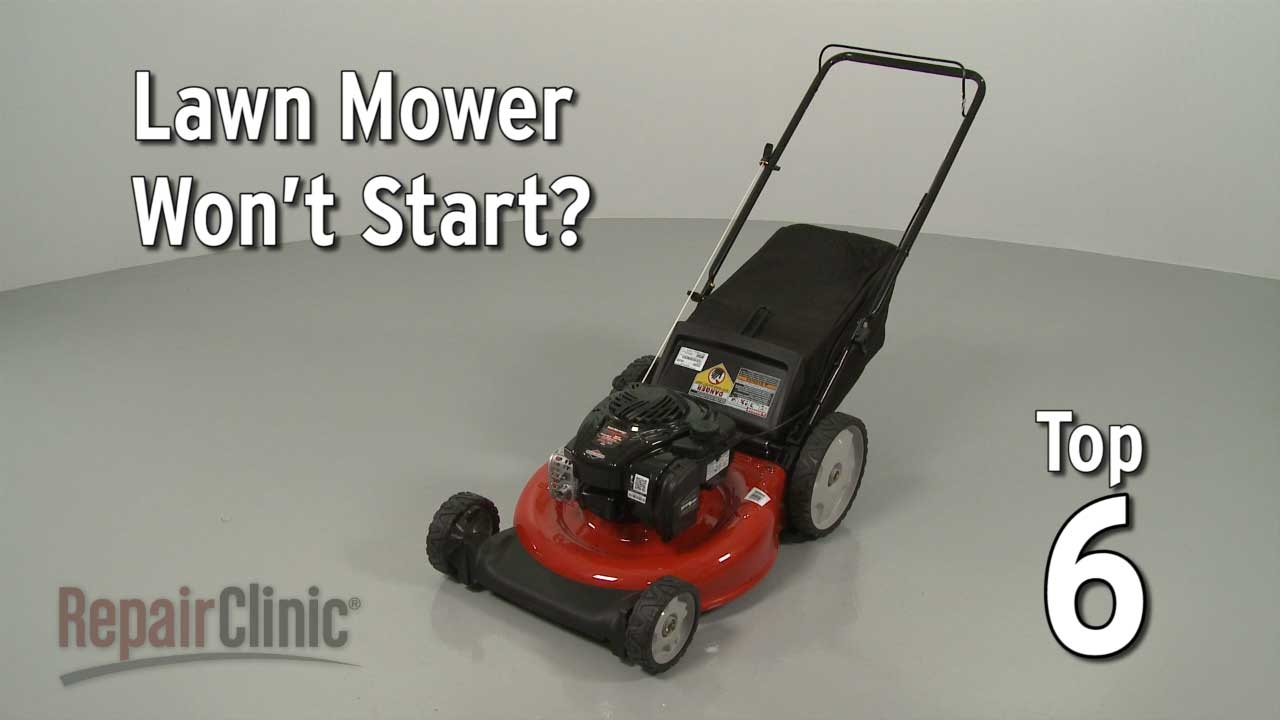
Image Source: i.ytimg.com
Diagnosing the No-Start Problem: A Step-by-Step Approach
Before you get frustrated, let’s break down the common culprits. Most lawn mower starting issues can be narrowed down to a few key systems.
The Fuel System: The Lifeblood of Your Mower
A lawn mower needs clean, fresh fuel to run. If the fuel system is compromised, your mower won’t get the power it needs.
Fuel Issues: The Usual Suspects
- Old Fuel: Gasoline degrades over time. Stale fuel loses its volatility, meaning it won’t vaporize properly in the engine. This is especially true if you used fuel with ethanol, which attracts moisture. Old fuel can gum up the fuel lines and carburetor.
- Fix: Drain the old fuel from the tank and replace it with fresh gasoline. Consider using a fuel stabilizer if you store your mower for extended periods.
- Water in the Fuel: Moisture can get into your fuel tank, especially if you store your mower outdoors or if the fuel cap isn’t sealed tightly. Water will prevent combustion.
- Fix: Drain the fuel tank and carburetor bowl. Refill with fresh, dry fuel. You might need to replace the fuel filter if it’s saturated.
- Blocked Fuel Lines: Debris or gummed-up fuel can clog the narrow fuel lines that carry gasoline to the engine.
- Fix: Disconnect the fuel line and try to blow compressed air through it. If it’s still blocked, you may need to replace the fuel line.
- Clogged Fuel Filter: Most lawn mowers have a small fuel filter. If it’s clogged with debris, it will prevent fuel from reaching the engine.
- Fix: Locate the fuel filter (usually between the fuel tank and the carburetor). Replace it with a new one that matches your mower’s specifications. They are typically inexpensive.
Empty Fuel Tank: A Simple Oversight
It sounds obvious, but many people forget to check if there’s gas in the mower.
- Fix: Ensure the fuel tank is adequately filled with fresh gasoline.
The Ignition System: Creating the Spark
The ignition system is responsible for creating the spark that ignites the fuel-air mixture in the engine.
Spark Plug Problems: The Ignition’s Gatekeeper
A dirty, fouled, or damaged spark plug is a very common reason a mower won’t start. The spark plug needs to create a strong spark to ignite the fuel.
- How it works: The spark plug has a gap that the electrical current jumps across, creating a spark.
- Common Issues:
- Fouling: Oil or carbon deposits can build up on the spark plug tip, preventing a strong spark.
- Damage: The electrode can be worn down or the ceramic insulator can be cracked.
- Incorrect Gap: The gap between the electrodes might be too wide or too narrow.
- Fix:
- Locate the spark plug: It’s usually a metal component with a wire attached, sticking out of the engine’s cylinder head.
- Disconnect the spark plug wire: Gently pull it off.
- Remove the spark plug: Use a spark plug socket wrench.
- Inspect the spark plug: Look for black deposits, oil, or signs of damage.
- Clean or Replace: If it’s just dirty, you can try cleaning it with a wire brush and a bit of carburetor cleaner. If it’s damaged or heavily fouled, it’s best to replace it. Always use the correct spark plug specified for your mower model.
- Check the Gap: Use a gap gauge to ensure the gap is set to the manufacturer’s recommended setting (usually found in your mower’s manual).
- Reinstall: Screw the new or cleaned spark plug back in and reconnect the spark plug wire firmly.
Ignition Coil Failure: The Spark’s Powerhouse
The ignition coil is an electrical transformer that boosts the battery’s voltage to a very high level needed to create a spark at the spark plug.
- Symptoms of failure: No spark at the spark plug, even with a good spark plug and fuel.
- Fix: This is a more complex repair. If you suspect the ignition coil has failed, it’s often best to have a qualified technician inspect and replace it. The coil is usually mounted near the flywheel.
The Air Intake System: Letting the Engine Breathe
An engine needs air to mix with fuel for combustion. If the air intake is restricted, the engine won’t run properly, or at all.
Clogged Air Filter: Suffocating the Engine
The air filter prevents dirt, dust, and debris from entering the engine. A dirty or clogged air filter restricts airflow.
- How it works: Like a mask for your engine, it catches tiny particles.
- Symptoms: The engine might start but run rough, sputter, or lack power. In severe cases, it might not start at all because the fuel-air mixture is too rich (too much fuel, not enough air).
- Fix:
- Locate the air filter: It’s usually housed in a plastic or metal casing on the side of the engine.
- Remove the air filter: This usually involves unscrewing or unclipping the cover.
- Inspect the air filter: If it’s paper, look for heavy dirt and debris. If it’s foam, check for tears or clogs.
- Clean or Replace: Paper filters can often be tapped gently to remove loose dirt, or you can use compressed air to blow out debris from the inside out. Foam filters can be washed with soap and water and allowed to dry completely before reinstallation. If the filter is heavily soiled or damaged, replace it with a new one.
The Carburetor: Mixing Fuel and Air
The carburetor is the part of the engine that mixes the fuel and air in the correct ratio for combustion.
Carburetor Problems: The Delicate Balance
- Gummed-Up Carburetor: This is often caused by old fuel that has left deposits and varnish inside the carburetor. These deposits can block the small passages and jets that control fuel flow.
- Symptoms: Mower might start but then die, or it may not start at all. It could also run poorly.
- Fix:
- Cleaning: You can try using a carburetor cleaner spray. With the air filter removed, spray the cleaner into the carburetor’s air intake while trying to start the engine. This might help dislodge minor blockages.
- Dismantle and Clean: For more stubborn clogs, the carburetor may need to be removed and disassembled. You’ll need to clean out all the jets and passages with a fine wire or compressed air. Reassemble carefully.
- Replacement: If cleaning doesn’t work, or if the carburetor is damaged, you may need to replace it. Ensure you get the correct model for your mower.
The Electrical System: Powering the Start
For electric start mowers, the battery and starter are crucial.
Battery Dead: No Juice to Crank
If your mower has an electric starter, a dead or weak battery will prevent it from turning over.
- Symptoms: The starter motor might click weakly, or not engage at all.
- Fix:
- Check Battery Terminals: Ensure they are clean and free of corrosion. Clean them with a wire brush if necessary.
- Charge the Battery: Use a battery charger designed for your mower’s battery type.
- Test the Battery: If it won’t hold a charge, you’ll need to replace it.
Starter Motor Issues: The Crankshaft’s Helper
The starter motor is responsible for turning the engine’s crankshaft to get it running.
- Symptoms: You might hear a grinding noise, a clicking sound, or nothing at all when you try to engage the electric start.
- Fix: This usually indicates a faulty starter motor or a problem with the engagement mechanism. This is a more involved repair and might require professional assistance.
Mechanical Issues: When the Engine Itself is the Problem
Sometimes, the problem lies deeper within the engine itself.
Engine Seized: The Worst-Case Scenario
An engine seized means the internal moving parts have become stuck and cannot turn. This is usually due to a lack of oil, overheating, or a major internal failure.
- Symptoms: The starter motor cannot turn the engine at all, even with a good battery. The crankshaft will not move by hand if you try to rotate the blade manually.
- Fix: This is a serious issue. Often, the cost of repairing a seized engine outweighs the cost of a new mower. If you suspect this, consult a professional, but be prepared for a costly repair.
Safety Features: Preventing Accidental Starts
Lawn mowers have safety features to prevent them from starting unintentionally.
Safety Features: The Guardian Mechanisms
- Brake Lever/Operator Presence Control: Most mowers have a lever you must hold down for the engine to run or start. If this lever or its associated cable is damaged or not functioning correctly, the mower won’t start.
- Fix: Ensure the lever is being held down properly and check the cable for any kinks or breaks.
- Seat Safety Switch (Riding Mowers): Riding mowers often have a switch under the seat that stops the engine if the operator leaves the seat.
- Fix: Make sure you are sitting on the seat properly. Check the switch for obstructions or damage.
- Blade Engagement Switch: Some mowers won’t allow the engine to start if the blade clutch is engaged.
- Fix: Ensure the blade engagement lever or switch is in the disengaged position.
Common Lawn Mower Starting Problems Table
| Problem Category | Specific Issue | Likely Symptoms | Fix Action |
|---|---|---|---|
| Fuel System | Old/Stale Fuel | Mower won’t start, sputtering, poor performance. | Drain old fuel, refill with fresh gasoline. Use stabilizer. |
| Water in Fuel | Mower won’t start, engine dies quickly. | Drain fuel tank and carburetor, refill with fresh fuel. | |
| Blocked Fuel Lines | Mower won’t start, fuel not reaching engine. | Clean or replace fuel lines. | |
| Clogged Fuel Filter | Mower won’t start or runs poorly. | Replace fuel filter. | |
| Empty Fuel Tank | No start. | Fill tank with fresh gasoline. | |
| Ignition System | Spark Plug Problems | Mower won’t start, weak spark. | Clean, gap, or replace spark plug. |
| Ignition Coil Failure | No spark at spark plug. | Inspect and replace ignition coil (professional recommended). | |
| Air System | Clogged Air Filter | Mower won’t start, runs rough, lacks power. | Clean or replace air filter. |
| Carburetor | Gummed-Up Carburetor | Mower won’t start, starts and dies, runs poorly. | Clean with carburetor cleaner spray or dismantle and clean jets. Replace if damaged. |
| Electrical System | Battery Dead (Electric Start) | Clicking or no sound from starter motor. | Charge or replace battery, clean terminals. |
| Starter Motor Issues | Grinding, clicking, or no starter engagement. | Inspect and repair/replace starter motor (professional recommended). | |
| Mechanical | Engine Seized | Starter motor cannot turn the engine. | Professional diagnosis and repair (likely expensive). |
| Safety Features | Brake Lever Malfunction | Mower won’t start, starter disengages immediately. | Ensure lever is held correctly, check cable. |
| Seat Safety Switch (Riding) | Mower won’t start or dies when operator is seated. | Ensure proper seating, check switch for obstructions/damage. | |
| Blade Engagement | Mower won’t start. | Ensure blade engagement is disengaged. |
Troubleshooting Tips for a Stubborn Mower
When your mower refuses to cooperate, follow these steps systematically.
Step 1: The Most Obvious Checks
- Is there fuel in the tank? Sounds silly, but it happens!
- Is the fuel fresh? If it’s been sitting for more than a month or two, it’s likely old.
- Are you holding the safety lever down? For walk-behind mowers, this is crucial.
- Is the choke set correctly? For cold starts, the choke should be engaged (usually a lever or button). For warm starts, it should be disengaged.
Step 2: Checking the Spark
- Remove the spark plug.
- Reconnect the spark plug wire.
- Ground the spark plug: Hold the metal part of the spark plug against a clean, unpainted metal part of the engine block. Be careful not to touch the spark plug terminal while pulling the starter cord.
- Pull the starter cord (or turn the key for electric start).
- Look for a strong, blue spark. If the spark is weak, orange, or non-existent, you have an ignition problem (spark plug, wire, or coil).
Step 3: Checking Fuel Flow
- Disconnect the fuel line from the carburetor.
- Place the end of the fuel line into a small container.
- Turn the fuel valve on (if your mower has one).
- You should see fuel flowing into the container. If not, the problem is likely with the fuel tank, fuel line, or fuel filter.
Step 4: Air Filter Inspection
- Remove and inspect the air filter. If it’s visibly dirty or clogged, clean or replace it.
Step 5: Carburetor Considerations
If you have fuel and spark but the engine still won’t start or runs very poorly, the carburetor is a prime suspect. Cleaning it is often the next step.
When to Call a Professional
While many lawn mower starting issues are DIY-friendly, some problems require specialized knowledge and tools.
- Engine Seized: As mentioned, this is a major internal problem.
- Electrical System Failures: Diagnosing ignition coil issues or starter motor problems can be complex.
- Internal Engine Damage: If you suspect bent valves, damaged pistons, or other internal mechanical failures.
- If You’re Uncomfortable: If you’re not confident in performing the repairs, it’s always safer to bring your mower to a qualified service center.
Frequently Asked Questions (FAQ)
Q: My mower started yesterday but won’t start today. What could be wrong?
A: This often points to a fuel issue. Old fuel can go bad quickly, or moisture might have entered the tank overnight. Check your fuel, air filter, and spark plug.
Q: How often should I replace my lawn mower’s spark plug and air filter?
A: It’s generally recommended to replace the spark plug at least once a year or every 50-100 hours of operation. The air filter should be checked before each use and cleaned or replaced as needed, often annually.
Q: Can I use a different type of fuel in my lawn mower?
A: Always use the fuel type recommended by your mower’s manufacturer. Most push mowers use regular unleaded gasoline. Avoid using fuel with a high ethanol content if possible, as it can degrade fuel lines and carburetor components over time.
Q: My electric start mower just clicks. What does that mean?
A: A clicking sound usually indicates a weak battery or a problem with the starter solenoid or starter motor itself. Check the battery first, ensuring it’s charged and the terminals are clean.
Q: My mower starts but dies immediately. What’s the cause?
A: This is a classic symptom of a fuel delivery problem or an issue with the carburetor. The engine might be getting enough fuel to start, but not enough to keep running. Check for blockages in the fuel line, a clogged fuel filter, or a gummed-up carburetor.
By systematically working through these common causes, you can often get your lawn mower back in action. Regular maintenance, like using a fuel stabilizer and keeping the air filter clean, can prevent many of these problems before they start. Happy mowing!