
You’ve spotted an opossum in your yard, and you’re wondering why it’s there and what to do about it. The answer is simple: opossums visit yards because they provide food, water, and shelter, common elements found in many suburban and rural landscapes that attract various wild animals in yard. These resourceful marsupials are often seen as common yard animals and, despite their sometimes startling appearance, they play a vital role in the ecosystem.
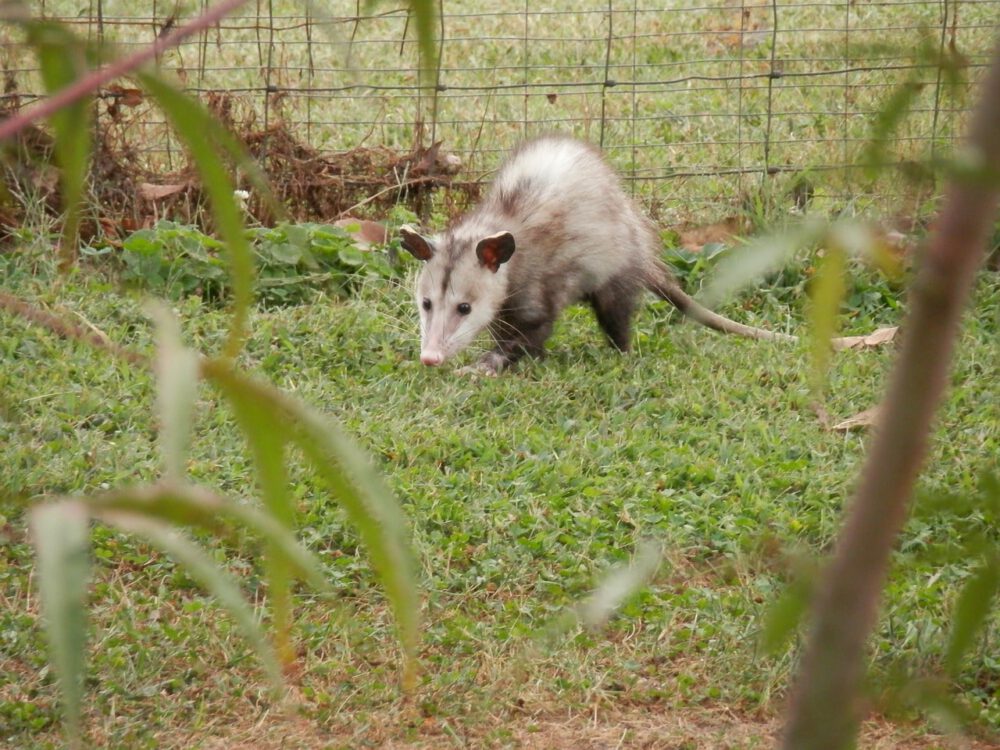
Image Source: covenantwildlife.com
Deciphering Opossum Presence: What Draws Them In?
Opossums are primarily drawn to yards by the availability of resources. They are opportunistic eaters, meaning they will consume almost anything edible they can find. This includes fallen fruit, birdseed, pet food left outdoors, insects, grubs, small rodents, and even carrion. Your yard, especially if it has fruit trees, gardens, or accessible garbage cans, can be a veritable buffet for an opossum.
Food Sources: The Opossum’s Supermarket
Several specific food sources can make your yard particularly appealing to opossums:
- Fallen Fruits and Berries: Opossums love the sweet bounty of fruit trees and berry bushes. Unpicked or fallen produce provides an easy meal.
- Bird Feeders: Seed, suet, and the spilled offerings from bird feeders are a significant attractant. Even the insects that are drawn to these feeders can be a food source.
- Pet Food: Food left out for cats or dogs, especially overnight, is an open invitation. Opossums are not picky eaters and will readily consume kibble or wet food.
- Garbage and Compost: Unsecured garbage cans or compost bins are prime targets. The variety of organic matter can offer a diverse range of nutrients.
- Insects and Grubs: Lawns and gardens often harbor plentiful insect populations, including beetles, earthworms, and grubs, which are a staple in an opossum’s diet.
- Small Rodents and Other Prey: Opossums are adept hunters of small creatures like mice, voles, and even small birds or snakes.
Water Sources: A Necessary Ingredient
Like all wildlife, opossums need access to water. This could be a bird bath, a pet’s water dish, a leaky faucet, or even a natural pond or stream if one is nearby. Standing water can be particularly attractive.
Shelter: A Place to Hide and Rest
Opossums are nocturnal, meaning they are most active at night. During the day, they seek safe, undisturbed places to rest. Your yard might offer several ideal resting spots:
- Dense Shrubbery and Underbrush: Thick bushes provide cover from predators and the elements.
- Woodpiles: The nooks and crannies within a woodpile offer a cozy den.
- Sheds and Garages: Open doors or gaps in structures can provide easy access to shelter.
- Brush Piles: Similar to woodpiles, these offer excellent concealment.
- Hollow Logs or Tree Cavities: Natural shelters are always a draw.
- Under Decks or Porches: These provide elevated, protected spaces.
Identifying Your Visitor: What Does an Opossum Look Like?
Before you worry about opossum removal, it’s important to correctly identify the animal. North America’s only native marsupial, the Virginia opossum ( Didelphis virginiana), is a unique creature.
Physical Characteristics
- Size: Adults typically range from the size of a large house cat to a small dog.
- Fur: Their fur is usually grayish-white, though it can vary. They have a coarse outer coat and a softer undercoat.
- Face: They have a distinctive pointed snout, often with dark fur around the eyes and ears. Their ears are large, pink, and leathery, lacking fur.
- Tail: A long, prehensile (grasping) tail, covered in scales, aids them in climbing and balancing.
- Paws: They have five toes on each foot, with a thumb-like toe on their hind feet that lacks a claw.
- Teeth: Opossums have a surprisingly large number of teeth – up to 50 – the most of any North American mammal.
Distinguishing from Other Animals
It’s crucial to distinguish opossums from other common yard animals or potential backyard pests:
- Raccoons: Raccoons are stockier, have a black mask across their eyes, ringed tails, and more dexterous front paws.
- Groundhogs (Woodchucks): Groundhogs are stout, brown, and burrowing animals with short tails.
- Large Rats: While both can be nocturnal, rats are significantly smaller and have scaly tails.
| Feature | Opossum | Raccoon | Groundhog |
|---|---|---|---|
| Size | Cat to small dog size | Medium dog size | Stocky, larger than a cat |
| Fur | Grayish-white, coarse outer coat | Gray with black “mask” and ringed tail | Brownish-gray, shaggy |
| Snout | Pointed | Flat, “bandit” mask | Blunt, rounded |
| Ears | Large, pink, furless | Round, black | Small, rounded |
| Tail | Long, prehensile, scaly, hairless | Bushy, black rings | Short, furry |
| Activity | Nocturnal | Nocturnal | Diurnal (active during the day) |
| Diet | Omnivore (insects, fruit, carrion, etc.) | Omnivore (fruits, nuts, insects, crayfish) | Herbivore (grasses, clover, fruits) |
| Tracks | Five-toed, opposable thumb on hind foot | Five-toed, “bear-like” front paw | Four-toed front, five-toed hind, claw marks |
Opossum Behavior: What to Expect from Your Nocturnal Visitors
Opossums are generally shy and solitary creatures. They are most active during the night, which classifies them as nocturnal visitors. Their behavior is often misunderstood, leading to unwarranted fear.
“Playing Possum”: A Defense Mechanism
The most famous aspect of opossum behavior is their ability to “play possum.” When threatened and unable to escape, they can enter a state of tonic immobility. In this state, they become rigid, drool, emit a foul-smelling fluid from their anal glands, and their breath becomes slow and shallow, mimicking a dead animal. This defense mechanism is involuntary and designed to deter predators that prefer live prey. It can last from a few minutes to several hours.
Non-Aggressive Nature
Despite their numerous teeth and somewhat intimidating appearance, opossums are not aggressive towards humans. They prefer to flee or play possum rather than fight. Attacks on humans are extremely rare and usually only occur if the opossum is cornered and feels its life is in danger.
Their Role in the Ecosystem
Opossums are beneficial to have around. They are excellent at pest control.
- Insect Control: They consume large quantities of insects, including mosquitoes, slugs, snails, and cockroaches.
- Rodent Control: They prey on mice and rats, helping to keep rodent populations in check.
- Carrion Clean-up: They are nature’s cleanup crew, eating dead animals, which helps prevent the spread of disease.
- Tick Predation: Studies have shown that opossums can eat thousands of ticks in a single season, significantly reducing the tick population in their environment.
Why Your Yard Might Be a Prime Attraction
Your yard might be a magnet for opossums for several reasons, often related to the resources we’ve already discussed.
Easy Food Access
If you have outdoor pet food, accessible garbage, or fruit trees with ripe, fallen fruit, you are essentially attracting opossums. Even bird feeders, which seem harmless, can spill enough seed to draw them in.
Water Availability
A consistent water source, such as a pet bowl left out, a leaky hose bib, or a bird bath, can be a significant draw, especially during dry periods.
Shelter Opportunities
If your yard has dense brush, woodpiles, or open spaces under decks and porches, it provides the ideal sheltered environment for an opossum to rest during the day or raise its young.
Lack of Natural Predators
In suburban and urban environments, natural predators for opossums are often scarce. This allows their populations to thrive without significant natural population control.
What to Do When You See an Opossum: Opossum Removal and Deterrents
While opossums are beneficial, their presence in your yard might be unwanted, especially if they are creating a nuisance or entering your home. This is where opossum removal and possum deterrents come into play.
Opossum Removal: When and How
Opossum removal is usually only necessary if the opossum is trapped inside a structure or exhibiting aggressive behavior (which is highly unlikely). For opossums simply passing through your yard, the best approach is often to make your yard less attractive to them.
- Relocation: If an opossum is trapped in a shed or garage, you can often encourage it to leave by opening the door and placing a shallow pan of water nearby. They will usually depart on their own. If you need to move a trapped opossum, it is best to contact a local wildlife professional. They have the expertise and equipment to safely capture and relocate the animal.
- Do Not Handle: Never attempt to handle an opossum with your bare hands. While generally docile, they can bite if threatened. They can also carry diseases or parasites, although they are not a significant rabies vector.
Possum Deterrents: Making Your Yard Less Appealing
The most effective way to manage opossum presence is by implementing possum deterrents that remove attractants.
Securing Food Sources
- Pet Food: Feed pets indoors or remove uneaten food immediately after they finish eating.
- Garbage Cans: Use sturdy garbage cans with tight-fitting lids. Metal cans are often more effective than plastic ones. Secure lids with bungee cords or latches if necessary.
- Compost Bins: Ensure your compost bin is secure and doesn’t contain food scraps that would be particularly appealing, like meat or dairy. Bury food scraps deep within the compost or avoid composting them altogether if opossums are a problem.
- Bird Feeders: If bird feeders are a major attractant, consider removing them temporarily or switching to types that are less accessible to larger animals. Clean up spilled seed regularly.
- Fallen Fruit: Clean up fallen fruit from trees and bushes promptly.
Eliminating Water Sources
- Pet Water Bowls: Bring pet water bowls inside at night.
- Leaky Faucets: Fix any leaky outdoor faucets or hoses.
- Bird Baths: While beneficial for birds, if opossums are a nuisance, consider emptying bird baths at night.
Removing Shelter and Access Points
- Seal Entry Points: Inspect your home, sheds, and garages for any gaps, holes, or openings. Seal these with sturdy materials like wire mesh or sheet metal. Pay attention to areas under decks, porches, and around the foundation.
- Clear Brush Piles: Remove or tidy up overgrown brush, woodpiles, and other debris that could provide shelter.
- Trim Vegetation: Trim low-hanging branches of trees and bushes that could provide access to your roof or elevated structures.
Repellents (Use with Caution)
Some anecdotal evidence suggests certain repellents might deter opossums, but their effectiveness is often limited and temporary.
- Ammonia-soaked rags: Some people place rags soaked in ammonia near areas where opossums are seen. The strong odor can be unpleasant for them.
- Cayenne Pepper or Garlic: Sprinkling these around entry points is another suggestion.
- Commercial Repellents: There are commercially available repellents, often containing predator urine or strong odors. Follow product instructions carefully and reapply as needed.
Important Note on Repellents: Repellents are generally less effective than habitat modification. They often require frequent reapplication and may not be safe for children or pets. Always test a repellent in a small area first.
Living with Opossums: Coexistence Strategies
For many people, deterring wildlife like opossums from specific areas is more practical than attempting complete removal. If they are not causing damage, coexisting can be the simplest solution.
- Appreciate Their Benefits: Remember the valuable role opossums play in controlling pests and cleaning up the environment.
- Observe from a Distance: Enjoy watching these unique creatures from afar. They are fascinating animals with interesting behaviors.
- Child and Pet Safety: While opossums are not aggressive, always supervise children and pets when they are outdoors, especially at night. Educate children about not approaching or trying to touch wildlife.
Common Yard Animals and Their Habits
Understanding that your yard is a shared space with various common yard animals can help manage expectations. Opossums are just one of many creatures that might visit. Others include:
- Squirrels: Active during the day, often seen gathering nuts.
- Rabbits: Herbivores that feed on grasses and plants.
- Birds: Attracted to feeders, water sources, and nesting sites.
- Raccoons: Nocturnal scavengers, often drawn by similar food sources as opossums.
- Deer: Can be attracted to gardens and landscaping.
Each of these animals has its own needs and behaviors, and managing one might impact others.
Frequently Asked Questions about Opossums in the Yard
Q1: Are opossums dangerous to my pets?
Generally, opossums are not a threat to healthy adult pets. They are much more likely to flee or play possum than to confront a dog or cat. However, a very small pet might be vulnerable, and it’s always wise to supervise pets outdoors, especially at night. Also, ensure pets don’t have access to opossum droppings, which could potentially carry parasites.
Q2: Do opossums carry diseases that can harm humans?
Opossums are not considered a significant vector for rabies. While they can carry other parasites or bacteria, the risk to humans is low, especially if you avoid direct contact. The most common way to contract diseases from wildlife is through direct handling or consumption of contaminated food or water.
Q3: Will an opossum damage my garden?
Opossums are omnivores and will eat fruits, vegetables, and garden plants if they are available and ripe. They can also dig for grubs and insects in garden beds. If your garden is particularly attractive, you might need to protect it with fencing or netting, especially when plants are ripening.
Q4: Can I use lights or noise to deter opossums?
Motion-activated lights can sometimes startle opossums and cause them to leave an area temporarily. Loud noises might also deter them, but they can become accustomed to regular sounds. Ultrasonic repellents are also marketed, but their effectiveness is often debated and may vary.
Q5: How do I know if an opossum is injured or sick?
An opossum that appears lethargic, disoriented, stumbling, unusually aggressive, or unable to “play possum” might be sick or injured. If you suspect an animal is ill, do not approach it. Contact your local animal control or a wildlife rehabilitation center for advice.
Q6: How can I stop opossums from coming under my deck?
To stop opossums from using your deck as a shelter, the most effective method is to block all potential entry points. Use sturdy hardware cloth or wire mesh (at least 1/2 inch gauge) to bury around the perimeter of the deck, extending at least 1 foot down into the ground and 1 foot up the deck’s foundation. This prevents them from digging underneath and also deters other burrowing animals. Remove any attractive food or water sources from the vicinity of the deck.
Q7: Why are opossums attracted to my garbage cans?
Garbage cans, especially those containing food scraps, are a rich source of nutrients for opossums. They have an excellent sense of smell and can detect the presence of food from a considerable distance. Unsecured lids, loose plastic bags, or overflowing cans make it easy for them to access the contents, providing a reliable and easy meal.
Q8: Are opossums a problem for homeowners?
Opossums are generally not a problem for homeowners unless they decide to den in an inaccessible part of the house (like an attic or crawl space) or if they are a nuisance due to consuming garden produce. In most cases, their presence in the yard is harmless and even beneficial for pest control. The key is managing their access to attractants and potential den sites.