
Your yard might be growing mushrooms because of a combination of factors like damp soil, decomposing organic matter, and the natural presence of fungal spores. What is a mushroom? A mushroom is the fleshy, spore-producing fruiting body of a fungus, typically grown above ground on soil, a food source, or its natural habitat. Can I eat yard mushrooms? It is strongly advised not to eat mushrooms found in your yard unless you are an expert mushroom forager with absolute certainty of their identification, as many are poisonous. Who is responsible for mushrooms in my yard? Generally, homeowners are responsible for managing yard fungi, as they are a natural part of the ecosystem but can sometimes indicate underlying issues with lawn health.
This guide will help you decipher why those little fungi are popping up in your lawn and what you can do about it.
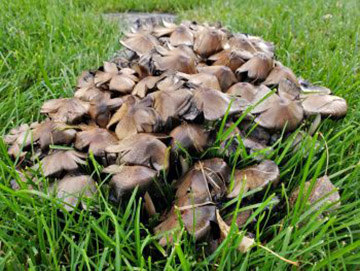
Image Source: organolawn.com
The Science Behind Yard Fungi
Mushrooms are more than just pretty or sometimes unsightly additions to your lawn; they are the visible evidence of a vast, complex fungal network living beneath the surface. This network, known as mycelium, is crucial to our ecosystem.
Fungal Growth: A Natural Process
Fungi are nature’s recyclers. They play a vital role in breaking down dead plant material, returning nutrients to the soil, which in turn benefits plant growth. Think of them as tiny composting machines working tirelessly underground.
- Mycelium: This is the main body of the fungus, a web-like structure of threads called hyphae. It spreads through the soil, wood, or other organic material, feeding on it.
- Fruiting Body: The mushroom you see is simply the reproductive part of the fungus. It emerges when conditions are right to release spores, which will then travel to start new fungal colonies.
Spore Dispersal: The Beginning of New Fungi
Fungi reproduce through spores, microscopic particles released from the gills or pores on the underside of a mushroom. These spores are carried by wind, water, insects, or even animals to new locations. When they land in a suitable environment with the right moisture, temperature, and food source, they can germinate and begin to grow new mycelium. This natural spread is why you might see mushrooms appearing in different areas of your yard over time.
Common Causes of Mushroom Appearance
Several factors contribute to the proliferation of mushrooms in your yard. Recognizing these causes is the first step in managing them effectively.
Soil Conditions: The Foundation for Fungi
The condition of your soil is a primary driver for fungal activity.
Damp Soil: A Fungal Paradise
Mushrooms thrive in moist environments. Excessive moisture in your soil creates the perfect breeding ground for fungi.
- Poor Drainage: If your soil doesn’t drain well, water can sit for extended periods, keeping the soil consistently damp. This is especially common in compacted soil.
- Overwatering: Watering your lawn too frequently or too deeply can saturate the soil, leading to damp conditions.
- Shady Areas: Areas of your yard that receive less sunlight tend to stay moist longer, making them more prone to mushroom growth.
- Heavy Rainfall: Prolonged periods of rain can saturate the soil, providing ample moisture for fungi to flourish.
Decomposing Organic Matter: The Fungal Buffet
Fungi are decomposers, meaning they feed on dead organic material. The more of this “food” available in your soil, the more attractive your yard becomes to fungi.
- Thatch Buildup: A thick layer of dead grass and organic material on your lawn’s surface (thatch) provides an excellent food source for fungi.
- Leaf Litter: Decaying leaves left on the lawn can also contribute to the organic matter available for decomposition.
- Buried Wood or Roots: If there are old tree roots, buried logs, or other woody debris beneath your lawn, fungi will readily colonize and break them down, often resulting in mushrooms.
- Animal Waste: Feces from pets or wild animals can also act as a food source for certain types of fungi.
Soil pH: A Subtle Influence
While not as critical as moisture and organic matter, soil pH can also play a role. Most fungi prefer slightly acidic to neutral soil conditions. If your soil’s pH is very far outside this range, it might discourage some fungi but encourage others. Testing your soil’s pH can provide valuable insights into its overall health and suitability for different organisms.
Lawn Health: Indicators of Stress
While fungi are natural, their sudden or widespread appearance can sometimes signal underlying issues with your lawn’s health.
Compacted Soil and Fungi
Compacted soil restricts air and water movement. This can lead to a two-pronged effect:
- Surface Wetness: While deeper layers might be dry, compacted soil can hold surface moisture, creating ideal conditions for some fungi.
- Reduced Root Health: Plant roots struggle to penetrate compacted soil. This stress on your grass can make it more susceptible to fungal diseases and less competitive against existing fungi.
Nutrient Imbalances
An overabundance of certain nutrients, particularly nitrogen, can sometimes encourage the growth of specific types of fungi. This is more commonly associated with fungal diseases that manifest as discolored patches or wilting, but it can also contribute to overall fungal activity.
Identifying Yard Fungi
While a definitive mushroom identification requires expert knowledge, recognizing common types and understanding their typical habitats can be helpful. It is crucial to remember that attempting to identify mushrooms for consumption without proper training is extremely dangerous.
Common Types of Yard Mushrooms
You’ll often see mushrooms appearing in rings, called “fairy rings,” or scattered across the lawn.
- Marasmius Species (e.g., Fairy Ring Mushroom): These small, tough mushrooms are often found in rings and are associated with thatch.
- Agaricus Species (e.g., Meadow Mushroom): Some species resemble edible mushrooms but can be toxic. They are common in lawns and pastures.
- Coprinus Species (e.g., Ink Caps): These mushrooms often appear after rain and can turn into a black, inky liquid as they decay.
- Puffballs: These round fungi release their spores from a pore at the top or from the entire fruiting body when disturbed.
The Importance of Mushroom Identification
- Safety: The most critical reason for identification is to avoid accidental poisoning.
- Diagnosing Lawn Issues: Certain mushrooms are strongly linked to specific soil or lawn health problems, like excessive thatch or poor drainage.
Table 1: Common Yard Mushroom Types and Their Associations
| Mushroom Type | Common Appearance | Potential Lawn Association |
|---|---|---|
| Fairy Rings | Rings of mushrooms or darker green grass | Thatch buildup, compacted soil, or fairy ring fungus |
| Puffballs | Round, often white or cream, various sizes | Generally harmless, feeding on organic matter, can indicate rich soil |
| Ink Caps | Bell-shaped caps that deliquesce into ink | Often appear in moist, nutrient-rich soil, especially after rain |
| Agaricus (Lawn) | White to brown caps, often with a ring on the stem | Decomposing organic matter, can be associated with compacted soil |
Managing Mushrooms in Your Yard
While mushrooms are a natural part of the ecosystem, you might want to remove them for aesthetic reasons or if they indicate a problem.
Mushroom Removal: Quick Fixes vs. Long-Term Solutions
Simply picking mushrooms won’t eliminate the problem because the fungal network (mycelium) is still present underground.
Immediate Removal
- Hand-Picking: Regularly pick mushrooms as you see them. This prevents spore dispersal from those specific fruiting bodies.
- Mowing: Mowing your lawn can chop up mushrooms, but again, this doesn’t address the underlying cause.
Addressing the Root Causes
The most effective way to reduce mushroom growth is to manage the conditions that encourage them.
Improving Soil Drainage
- Aeration: Core aeration, which pulls out plugs of soil, is highly effective for breaking up compaction and improving drainage.
- Topdressing: Adding compost or sand after aeration can further improve soil structure.
- Avoid Overwatering: Adjust your watering schedule to water less frequently but more deeply, allowing the soil to dry slightly between waterings.
Managing Organic Matter
- Dethatching: Regularly removing thatch buildup (typically done in spring or fall) removes a primary food source for fungi.
- Raking Leaves: Keep your lawn clear of excessive leaf litter.
- Remove Debris: If you know there’s buried wood or roots, consider excavating them.
Improving Lawn Health
- Proper Fertilization: Use a balanced fertilizer and avoid over-fertilizing, especially with high-nitrogen products, unless a soil test indicates a deficiency.
- Overseeding: Healthy, dense grass crowds out weeds and fungi. Overseeding your lawn with a resilient grass variety can improve its overall vigor.
- Sunlight: Trim back overhanging branches or remove obstructions to allow more sunlight to reach shady areas.
Chemical Treatments: Use with Caution
Fungicides can be used to control mushrooms, but they are often a temporary fix and can harm beneficial soil organisms.
- Broad-Spectrum Fungicides: These can kill many types of fungi, including beneficial ones. They are best used as a last resort and applied according to product instructions.
- Focus on Prevention: It’s generally more environmentally friendly and sustainable to address the environmental factors rather than relying solely on chemicals.
Fathoming the Fairy Ring Phenomenon
Fairy rings are a common and intriguing mushroom manifestation. They appear as circles or arcs of mushrooms, or sometimes as a darker, more vigorous ring of grass.
How Fairy Rings Form
- Mycelial Growth: A fairy ring starts when a single mushroom spore germinates and its mycelium grows outwards in a circular pattern.
- Nutrient Depletion: As the mycelium spreads, it consumes nutrients in the soil. This can initially create a band of darker green grass due to increased nitrogen availability from the decomposing organic matter the fungus feeds on.
- Mushroom Fruiting: Eventually, the outer edge of the growing mycelial ring reaches a point where it produces mushrooms. This is the visible fairy ring.
- Dead Grass Zone: In some cases, the mycelium can become so dense that it depletes the soil of moisture and nutrients, creating a brown, dead-grass ring just inside the actively growing band.
Managing Fairy Rings
- Aeration and Dethatching: These practices help break up the mycelial network and improve soil conditions, making them less hospitable.
- Watering: Consistent watering can help to mask the visual effects of the dead grass zone and keep the entire area green.
- Fertilizing: Judicious fertilization can help the grass recover and outcompete the fungus.
- Fungicides: In severe cases, specific fungicides can be applied to the ring, but it’s often a difficult problem to eradicate completely.
Frequently Asked Questions (FAQ)
Q1: Are yard mushrooms dangerous to my pets?
A1: Some mushrooms that grow in yards are poisonous to pets. If you have pets, it’s especially important to remove mushrooms promptly and consider controlling the conditions that allow them to grow.
Q2: How quickly do mushrooms grow?
A2: The visible mushroom fruiting bodies typically appear very rapidly, often within 24-48 hours after heavy rainfall or irrigation when conditions are favorable. The underlying mycelium, however, can take years to develop.
Q3: Can I just ignore the mushrooms?
A3: If they don’t bother you and you don’t have pets or young children who might ingest them, ignoring them is an option. They are a natural part of the ecosystem. However, their presence often indicates underlying issues like poor drainage or excessive organic matter that could affect your lawn’s long-term health.
Q4: What is the fastest way to get rid of mushrooms?
A4: The fastest way to remove the visible mushrooms is to pick them by hand. However, to prevent them from returning, you must address the underlying causes such as damp soil and decomposing organic matter by improving drainage and reducing thatch.
Q5: Will a healthy lawn prevent mushrooms?
A5: A healthy, dense lawn is more competitive and can help to suppress the growth of some fungi. By keeping your grass strong through proper care, you make it harder for fungi to establish a dominant presence.
Q6: Are mushrooms a sign of good soil?
A6: Mushrooms are a sign of organic matter and moisture in the soil, which are good for plant growth. However, an excessive amount of mushrooms, especially certain types, can indicate an imbalance, such as too much thatch or poor soil aeration, which are detrimental to lawn health.
By following these guidelines, you can better manage the appearance of mushrooms in your yard and promote a healthier, more vibrant lawn. Remember that a little patience and consistent effort in addressing the core issues will yield the best results.