
Does your homegrown lettuce have a surprising, unpleasant bitterness? Many gardeners ask, “Why is my garden lettuce bitter?” This often happens because of environmental factors, how you care for it, or even the type of lettuce you chose. This article will explore the common reasons your lettuce might taste bitter and offer simple solutions to enjoy crisp, sweet greens all season long.
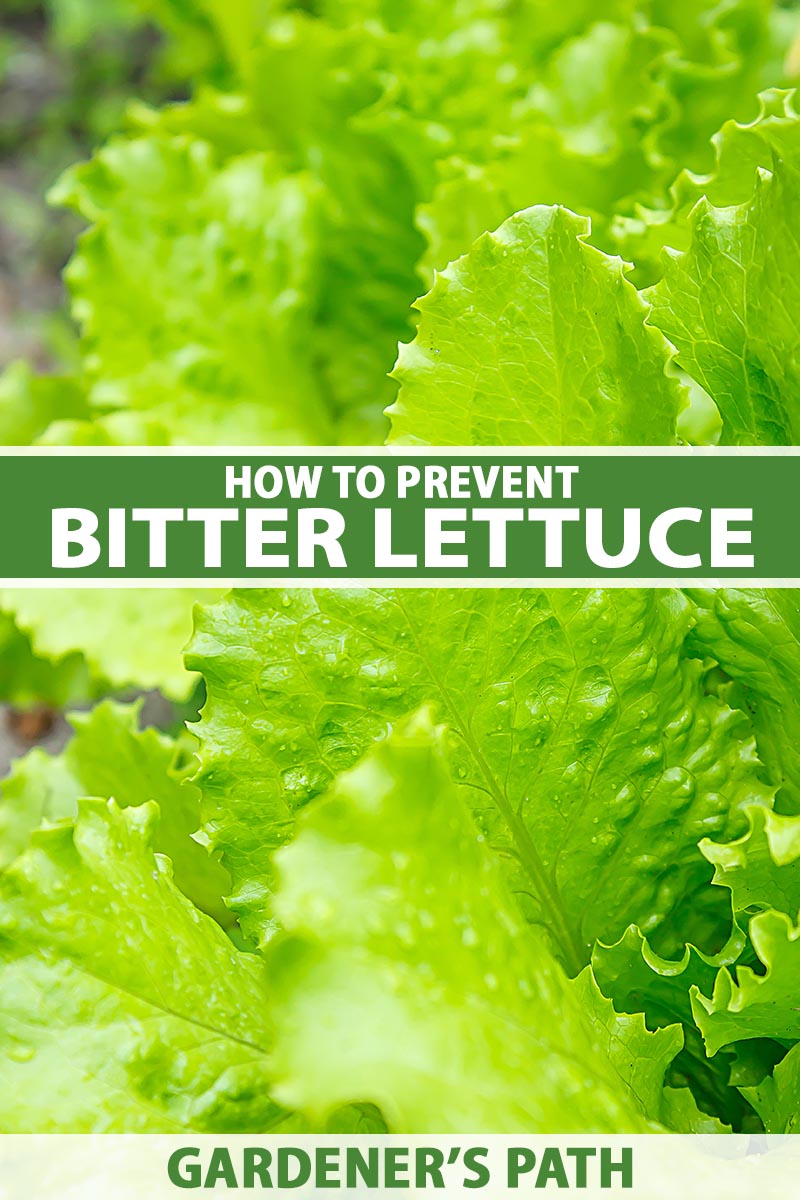
Image Source: gardenerspath.com
Fathoming the Flavor: What Makes Lettuce Bitter?
Lettuce, a garden staple for salads and sandwiches, can sometimes disappoint with a bitter edge. This bitterness isn’t just a random occurrence; it’s a plant’s natural response to stress or specific growing conditions. Understanding these triggers is the first step to cultivating delicious, mild-flavored lettuce.
The Impact of Heat Stress
Lettuce thrives in cooler temperatures. When the weather heats up, especially during summer months, lettuce plants can experience heat stress. This is one of the most common culprits behind bitter leaves.
- How Heat Affects Lettuce: High temperatures cause the plant to produce more lactucarium. This is the milky sap found in lettuce that is responsible for the bitter taste. Think of it as the plant’s way of protecting itself from the harsh conditions.
- Visual Cues: You might notice the leaves wilting or the plant looking generally unhappy when heat is the issue. The edges of the leaves might also turn brown.
Nutrient Deficiencies and Their Role
Your lettuce needs a balanced diet to grow well. Nutrient deficiencies can also contribute to bitterness. Plants that lack essential nutrients struggle to thrive and can develop off-flavors.
- Key Nutrients: Nitrogen and potassium are crucial for healthy leaf development and flavor.
- Nitrogen: Helps leaves grow strong and green. Too little nitrogen can lead to stunted growth and a less desirable taste.
- Potassium: Aids in water regulation and overall plant health. A lack of potassium can make plants more susceptible to stress, including heat, and affect flavor.
- Other Deficiencies: While less common, deficiencies in magnesium or calcium can also indirectly impact lettuce flavor by affecting overall plant vigor.
The Process of Bolting
Bolting is when a lettuce plant prematurely produces flowers and seeds. This happens most often when the plant experiences stress, particularly from heat or irregular watering.
- Why Bolting Causes Bitterness: As the plant shifts its energy from leaf production to seed production, the chemical composition of the leaves changes. This change often results in a more bitter flavor. The leaves become tougher and less palatable.
- Signs of Bolting: Look for a flower stalk emerging from the center of the plant. The leaves may also become smaller and more pointed.
The Effects of Wilting
Wilting is a clear sign that your lettuce is thirsty or stressed. Even if you water it, if it has wilted due to prolonged dryness or extreme heat, the leaves can retain a bitter taste.
- Water Stress: When lettuce doesn’t get enough water, it conserves moisture. This can concentrate the bitter compounds in the leaves.
- Recovery: While lettuce might recover from mild wilting with consistent watering, the damage to its flavor may already be done.
Overcrowding Your Lettuce Patch
Giving your lettuce plants enough space is vital for their health and flavor. Overcrowding can lead to several problems that contribute to bitterness.
- Competition for Resources: When plants are too close, they compete for sunlight, water, and nutrients. This competition weakens them and makes them more prone to stress.
- Poor Air Circulation: Crowded plants have less air moving around them. This can create a damp environment, increasing the risk of diseases and making plants more susceptible to stress.
Improper Watering Practices
How and when you water your lettuce significantly impacts its taste. Improper watering is a frequent cause of bitter greens.
- Inconsistent Watering: Allowing the soil to dry out completely between waterings, then drenching it, stresses the plant. This fluctuation is a common trigger for bitterness and bolting.
- Watering at the Wrong Time: Watering in the heat of the day can cause water to evaporate quickly. It can also scorch the leaves if water droplets are left on them in direct sun.
- Overwatering: While less common for causing bitterness directly, overwatering can lead to root rot, which weakens the plant and makes it susceptible to other stressors that cause bitterness.
The Hidden Damage of Pests
Even subtle pest damage can stress your lettuce plants and affect their flavor. Pests weaken the plant by feeding on its leaves or sap.
- Common Pests: Aphids, slugs, and snails are frequent visitors to lettuce patches.
- How Pests Cause Bitterness: When a plant is attacked by pests, it uses its energy to defend itself. This defensive response can sometimes lead to the production of bitter compounds in the leaves. The physical damage itself can also alter the taste.
Variety Selection Matters
Not all lettuce is created equal when it comes to flavor. Variety selection plays a crucial role in how bitter your lettuce might turn out.
- Romaine and Leaf Lettuces: These types tend to be more robust and can tolerate a wider range of conditions. However, some varieties within these types are naturally more prone to bitterness, especially when stressed.
- Butterhead and Loose Leaf Varieties: These are often considered milder. Some heirloom varieties are specifically bred for sweetness and less bitterness.
- The Role of Genetics: Different lettuce varieties have different genetic predispositions to producing bitter compounds.
The Crucial Role of Soil pH
The soil pH affects how well your lettuce can absorb nutrients from the soil. If the pH is too high or too low, even if nutrients are present, your plants won’t be able to use them effectively.
- Ideal pH for Lettuce: Lettuce generally prefers a slightly acidic to neutral soil pH, typically between 6.0 and 7.0.
- pH Imbalance:
- Too acidic (low pH): Can make certain nutrients like phosphorus unavailable and can increase the solubility of aluminum, which can be toxic to plants.
- Too alkaline (high pH): Can limit the availability of micronutrients like iron and manganese, which are important for plant health and flavor.
Timing Your Harvesting for Sweetness
The harvesting time is a critical factor in enjoying the sweetest lettuce. Harvesting at the wrong time can mean the difference between tender, mild leaves and bitter ones.
- Morning Harvest: Leaves are typically most turgid and sweet in the morning after a cool night.
- Mature vs. Immature Leaves:
- Baby Lettuce: Harvesting young leaves often yields the mildest flavor.
- Overly Mature Leaves: As leaves get older and larger, they can start to develop a more pronounced bitter taste, especially if the plant is stressed.
- Harvesting the “Heart”: For some varieties, the inner, younger leaves are sweeter than the outer, older leaves.
Practical Solutions for Bitter Lettuce
Now that we know the “why,” let’s dive into the “how” of preventing and fixing bitterness in your garden lettuce.
Managing Heat Stress
Protecting your lettuce from the heat is paramount.
- Shade Cloth: Use shade cloth or strategically plant taller crops to provide afternoon shade during hot summer months.
- Mulching: A layer of mulch (like straw or shredded leaves) around the plants helps keep the soil cool and retain moisture.
- Choose Heat-Tolerant Varieties: Select lettuce varieties known for their ability to withstand warmer temperatures.
Ensuring Proper Nutrition
A well-fed plant is a happy plant.
- Soil Testing: Get your soil tested to check its nutrient levels and pH. This will tell you exactly what amendments you might need.
- Balanced Fertilizer: Use a balanced fertilizer, focusing on nitrogen and potassium, especially during the early stages of growth. Apply according to package directions to avoid over-fertilizing, which can also cause problems.
- Compost and Organic Matter: Incorporating compost into your soil improves its structure, water retention, and provides a slow release of nutrients.
Preventing Bolting
Keeping your lettuce cool and consistently watered is key to preventing premature flowering.
- Consistent Watering: Aim for evenly moist soil.
- Cooler Temperatures: Plant lettuce in cooler seasons (spring and fall) or provide shade in summer.
- Harvest Promptly: Don’t let lettuce sit in the ground for too long, especially as temperatures rise.
Perfecting Your Watering Routine
Watering is an art form for lettuce growers.
- Water Deeply and Consistently: Aim to keep the soil consistently moist but not waterlogged. A good rule of thumb is to water deeply a few times a week rather than lightly every day, especially in warm weather.
- Water at the Base: Water the soil directly around the plants, not the leaves. This helps prevent fungal diseases and scorching.
- Morning Watering: Water in the early morning so the plants have a chance to absorb moisture before the heat of the day.
Giving Plants Their Space
Proper spacing leads to healthier, tastier lettuce.
- Follow Seed Packet Recommendations: Seed packets usually provide ideal spacing guidelines for each variety.
- Thin Seedlings: If you sow seeds directly, thin out the seedlings so the remaining plants have enough room to grow.
- Benefits of Spacing: Good spacing ensures better air circulation, reduces competition, and allows plants to access water and nutrients more easily.
Defending Against Pests
Protect your lettuce from unwanted visitors.
- Regular Inspection: Check your plants often for any signs of pests.
- Organic Pest Control: Use natural methods like hand-picking pests, introducing beneficial insects, or using organic insecticidal soaps or neem oil if necessary.
- Barriers: Physical barriers like row covers can protect young seedlings from pests.
Making Smart Variety Choices
Choose your lettuce wisely.
- Research Varieties: Before you buy seeds, research which varieties are known for their mild flavor and resistance to bolting.
- Experiment: Try different types of lettuce to see which ones perform best in your garden and taste best to you. Consider varieties like “Black Seed Simpson” for loose leaf, “Buttercrunch” for butterhead, or “Parris Island Cos” for romaine.
Adjusting Soil pH
Ensure your soil is in the sweet spot for lettuce.
- pH Testing Kits: These are readily available at garden centers.
- Adjusting pH:
- To lower pH (make more acidic): Add elemental sulfur or peat moss.
- To raise pH (make more alkaline): Add lime (calcium carbonate).
- Follow Instructions Carefully: Always follow the recommended application rates for soil amendments.
Optimal Harvesting Techniques
Timing is everything for the best flavor.
- Harvest in the Morning: As mentioned, this is when leaves are usually freshest and sweetest.
- “Cut and Come Again”: For many leaf lettuces, you can harvest the outer leaves. The plant will continue to produce new leaves from the center, extending your harvest and often yielding tender, mild greens.
- Harvest Inner Leaves: If your outer leaves are getting a bit bitter, try harvesting only the tender inner leaves.
- Don’t Wait Too Long: Harvest lettuce when it reaches a usable size, before it starts to bolt or become overly mature, especially in warmer weather.
Troubleshooting Common Lettuce Issues
Here’s a quick guide to common problems and their solutions related to lettuce bitterness.
| Problem | Likely Cause | Solution |
|---|---|---|
| Bitter Outer Leaves | Heat stress, overcrowding, maturity | Harvest outer leaves first (cut-and-come-again), provide shade, thin plants, harvest earlier. |
| Entire Plant Bitter | Extreme heat stress, bolting, nutrient issue | Consider succession planting for cooler weather, use heat-tolerant varieties, check soil pH and nutrients, ensure consistent watering. |
| Wilting & Bitter | Water stress, heat stress | Water deeply and consistently, provide shade, mulch to retain soil moisture. |
| Tough & Bitter | Overly mature, bolting | Harvest younger leaves, harvest promptly, choose bolt-resistant varieties. |
Frequently Asked Questions About Bitter Lettuce
Q1: Can I make bitter lettuce taste better?
A1: While you can’t completely reverse bitterness once it’s in the leaves, you can sometimes mitigate it by pairing it with sweet dressings or fruits in a salad. However, the best approach is prevention through proper growing techniques.
Q2: What is the best time of year to grow lettuce to avoid bitterness?
A2: Lettuce generally prefers cooler weather. The best times to grow lettuce for mild flavor are spring and fall. Summer growing can be challenging due to heat, leading to bitterness.
Q3: My lettuce is wilting and looks a bit yellow. What’s wrong?
A3: Wilting and yellowing often indicate water stress or a lack of nitrogen. Ensure your lettuce is getting enough water consistently. If wilting persists after watering, check for nutrient deficiencies and ensure proper soil pH.
Q4: Can I eat lettuce that has bolted?
A4: Yes, you can still eat bolted lettuce, but the flavor will likely be more bitter and the texture tougher. The leaves might be better suited for cooking or in a mixed salad where their strong flavor can be balanced. The flower buds themselves are edible and can have a slightly sweet flavor.
Q5: My lettuce grew very fast but tastes bitter. Why?
A5: Rapid growth, especially when accompanied by high temperatures or inconsistent watering, can still lead to bitterness. The plant might be stressed even during fast growth. Focus on consistent moisture and cooler temperatures for the best flavor.
By paying attention to the conditions under which your lettuce grows, you can significantly improve its flavor and enjoy the crisp, mild taste that homegrown greens are known for. Happy gardening!