
Yellow spots on your lawn can be a vexing sight, transforming a vibrant green carpet into a patchwork of concern. When you notice these browning or yellowing patches, it’s natural to ask: “What is causing my lawn to turn yellow?” The answer can be multifaceted, stemming from a variety of issues ranging from simple environmental stressors to more complex biological problems. Thankfully, deciphering the cause is the first step toward restoration.
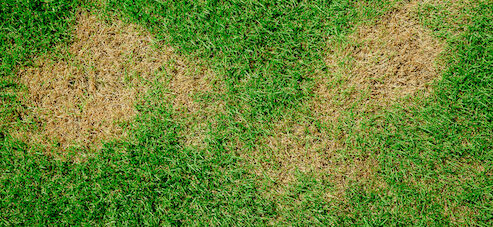
Image Source: moowy.co.uk
Fathoming the Causes of Lawn Yellowing
Your lawn’s health is a delicate balance, and when something disrupts this equilibrium, visual cues like yellowing appear. These spots are not merely cosmetic; they are signals that your grass is struggling. Identifying the root cause is crucial for effective treatment and prevention, ensuring your lawn can bounce back to its lush, green glory.
Deciphering Lawn Diseases
One of the primary culprits behind yellow lawn spots is lawn diseases. These are often caused by fungi, bacteria, or viruses that attack grass blades and roots, hindering their ability to photosynthesize and absorb nutrients.
Common Fungal Infections and Their Signs
Fungal infections are particularly prevalent and can manifest in various ways. Different fungi thrive under specific environmental conditions, such as excessive moisture, high humidity, or prolonged periods of leaf wetness.
Brown Patch
Brown patch is a common fungal disease that often appears as circular patches of straw-like, brown, or yellow grass. In humid conditions, you might see a distinct gray or smoke-colored ring around the edge of the patch, sometimes referred to as a “frog-eye” effect. The blades within the patch often collapse at the crown, giving them a flattened appearance.
Dollar Spot
Dollar spot is another prevalent fungal disease that typically creates small, straw-colored or bleached-looking spots about the size of a silver dollar. These spots can merge to form larger affected areas. You might see thin, web-like mycelium on the grass blades in the early morning when dew is present.
Pythium Blight (Damping-Off)
Pythium blight, often called “grease spots” or “cottony blight,” appears as irregular, sunken patches of bleached or yellow grass. In wet conditions, a fuzzy, white or grayish growth may be visible on the grass blades. This disease can spread rapidly, especially in warm, humid weather, and can kill grass very quickly.
Rust Diseases
Rust diseases are less common but can cause yellowing or orange-brown discoloration on grass blades. You might see small pustules on the leaf surface that can rub off onto your shoes or equipment, resembling rusty powder. Affected grass often feels sticky due to the fungal spores.
Table 1: Fungal Lawn Diseases and Their Visual Cues
| Disease | Typical Patch Shape | Coloration | Other Distinctive Features |
|---|---|---|---|
| Brown Patch | Circular, irregular | Brown, straw-like | “Frog-eye” ring, collapsed crowns |
| Dollar Spot | Small, circular | Straw-colored, bleached | Fungal growth (mycelium) in morning dew |
| Pythium Blight | Irregular, sunken | Yellow, bleached | Fuzzy white/gray growth in wet conditions |
| Rust Diseases | Varied | Yellow, orange-brown | Powdery pustules on blades, sticky feel |
Identifying Bacterial and Viral Issues
While fungal diseases are common, bacterial and viral infections can also contribute to yellowing. These are often harder to diagnose without professional testing, but they can cause stunting, wilting, and unusual discoloration patterns on grass blades.
Addressing Nutrient Deficiencies
Your lawn, like any living organism, requires a balanced supply of nutrients to thrive. When certain essential elements are lacking, the grass can exhibit symptoms of distress, including yellowing. Nutrient deficiencies are a frequent cause of widespread, uniform yellowing across the lawn, rather than distinct spots.
Nitrogen: The Green-Getter
Nitrogen is perhaps the most critical nutrient for green, leafy growth. A lack of nitrogen will typically result in a general paling of the lawn, transitioning from a deep green to a lighter green, then yellow, and eventually a straw-like brown. The yellowing often starts with the older, lower leaves.
Iron: The Color Enhancer
Iron plays a vital role in chlorophyll production, which gives grass its green color. When iron is deficient, grass can develop a pale green or yellow appearance, especially between the veins of the leaves (interveinal chlorosis). This is often more noticeable on new growth.
Other Essential Nutrients
Deficiencies in other micronutrients like magnesium, manganese, or sulfur can also lead to yellowing or chlorosis. These deficiencies are less common than nitrogen or iron but can still impact lawn health.
The Impact of Watering Practices
Improper watering is a leading cause of lawn stress, and yellow spots are a common symptom. Both too much and too little water can damage grass roots and prevent nutrient uptake.
The Dangers of Overwatering
Overwatering suffocates grass roots by depriving them of oxygen. Constantly saturated soil creates an environment where fungal diseases can flourish. Yellowing from overwatering often appears in low-lying areas where water collects, and the grass may look generally unhealthy and prone to disease. The roots can rot, making it impossible for the grass to absorb water and nutrients.
The Consequences of Underwatering
Conversely, underwatering causes grass to dry out. When the soil becomes too dry, grass blades wilt, turn yellow, and eventually brown. This is often seen in areas that receive less rainfall or irrigation. While grass can often recover from a period of drought if it’s not too prolonged, severe underwatering can lead to permanent damage.
Environmental Stressors and Their Effects
Beyond diseases and watering, various environmental factors can stress your lawn, leading to yellowing.
Soil pH Imbalances
The soil pH dictates how well grass can access nutrients from the soil. Most turfgrasses prefer a slightly acidic to neutral pH, typically between 6.0 and 7.0. If the soil pH is too high (alkaline) or too low (acidic), essential nutrients can become “locked up” in the soil, making them unavailable to the grass roots, even if they are present. This nutrient unavailability can manifest as yellowing.
Poor Drainage: A Root’s Nemesis
Poor drainage is closely related to overwatering. When water cannot escape the soil effectively, the roots remain waterlogged. This condition prevents roots from “breathing” and can lead to root rot, making the grass susceptible to diseases and nutrient deficiencies, ultimately resulting in yellowing and wilting.
Uninvited Guests: Insect Infestations
Tiny pests can also be the hidden reason behind your lawn’s yellow spots. Insect infestations damage grass by feeding on the roots, crowns, or blades, weakening the plant and causing it to yellow and die.
Grubs: The Underground Attackers
Grub worms are the larvae of various beetles, and they are notorious for feeding on grass roots. Infested areas often feel spongy and can be easily lifted like a carpet because the roots have been severed. The yellowing caused by grubs typically starts as irregular patches that may expand and merge.
Chinch Bugs: Surface Siphons
Chinch bugs are small insects that feed on grass blades by sucking out the sap. They tend to concentrate in sunny, dry areas of the lawn. Their feeding activity causes irregular patches of yellowing, browning, and thinning grass that can resemble drought stress.
Sod Webworms and Armyworms: The Leaf Eaters
These caterpillars feed on grass blades, typically at night. While they consume the blades, their feeding damage can lead to thinning and yellowing of the lawn. In severe cases, large areas can be decimated quickly.
Grass Stress: A General Response
Sometimes, yellow spots aren’t due to a specific disease or pest but are a general response to grass stress. This can be caused by a combination of factors, including extreme temperatures, compacted soil, excessive foot traffic, or recent renovations. Stressed grass struggles to maintain its health and can turn yellow as a first sign of distress.
Pet Urine: A Common Culprit
A very common, yet often overlooked, cause of distinct yellow or brown spots surrounded by a ring of darker green grass is pet urine. The high concentration of nitrogen and salts in a pet’s urine can “burn” the grass blades. The darker green ring is often caused by the nitrogen acting as a fertilizer in the surrounding soil after the initial burn.
Diagnosing Your Lawn’s Yellow Spots
To effectively treat your lawn, you first need to accurately diagnose the problem. This involves careful observation and, sometimes, a little detective work.
Step-by-Step Lawn Inspection
- Examine the Pattern: Are the yellow spots circular, irregular, or spread uniformly across the lawn? Are they concentrated in specific areas (low-lying, sunny, shady)?
- Observe the Grass Blades: Look closely at the individual grass blades. Are they discolored, brittle, wilted, or showing signs of disease like spots or rings?
- Check the Soil: Is the soil overly wet, dry, or compacted? Is there any visible mold or fungal growth?
- Investigate for Pests: Gently pull back the turf in affected areas. Look for signs of grubs (C-shaped white larvae), or examine the base of the grass blades for chinch bugs or other insects.
- Consider Recent Events: Have you recently fertilized, applied any herbicides, or has there been unusual weather? Has a pet been frequenting the area?
Tools and Techniques for Diagnosis
- Soil Test Kit: To determine your soil pH and identify potential nutrient deficiencies.
- Magnifying Glass: To inspect grass blades for signs of disease or insects.
- Trowel or Soil Sampler: To examine soil moisture and root health.
- Camera: To document the problem, which can be helpful if you seek professional advice.
Treatment and Prevention Strategies
Once you’ve identified the cause of the yellow spots, you can implement the appropriate treatment and preventative measures.
Addressing Lawn Diseases
- Improve Airflow: Dethatch and aerate your lawn to reduce thatch buildup and improve air circulation.
- Adjust Watering: Water deeply and less frequently, preferably in the morning, to allow the grass to dry before nightfall.
- Fungicides: If a fungal infection is confirmed, apply a recommended fungicide. Always follow product label instructions carefully.
- Remove Thatch: Excessive thatch can harbor fungal spores and moisture.
Correcting Nutrient Deficiencies
- Fertilization: Apply a balanced fertilizer based on your soil test results. For nitrogen deficiency, a nitrogen-rich fertilizer is needed. For iron deficiency, an iron supplement can be applied as a foliar spray or granular application.
- Soil Amendments: If soil pH is the issue, amend the soil accordingly with lime (to raise pH) or sulfur (to lower pH).
Optimizing Watering Practices
- Water Wisely: Aim for 1-1.5 inches of water per week, applied in one or two watering sessions. Ensure irrigation reaches the root zone (4-6 inches deep).
- Check Soil Moisture: Use a screwdriver or soil moisture meter to gauge moisture levels before watering.
Mitigating Environmental Stress
- Aeration: Combat soil compaction with regular aeration.
- Topdressing: Add a thin layer of compost or sand to improve drainage and soil structure.
- Overseeding: Introduce drought-tolerant grass varieties if your lawn is struggling with heat or dry conditions.
Controlling Insect Infestations
- Identify the Pest: Accurately identify the insect causing the damage.
- Beneficial Nematodes: For grubs, beneficial nematodes can be an effective biological control.
- Insecticides: If necessary, use targeted insecticides, applying them according to label directions. Often, treating only the affected areas is sufficient.
- Encourage Natural Predators: Attract birds and beneficial insects to your yard.
Managing Pet Urine Spots
- Encourage Hydration: Ensure your pet drinks plenty of water.
- Training: Train your pet to use a designated area of the yard.
- Rinse Affected Areas: Immediately after your pet urinates on the lawn, rinse the spot thoroughly with water to dilute the urine.
- Repair Damaged Spots: Once the grass has recovered or if the spot is dead, remove the dead grass, loosen the soil, and reseed or patch the area.
When to Call a Professional
While many lawn yellowing issues can be resolved with DIY methods, there are times when professional expertise is invaluable.
Signs You Need Expert Help
- Persistent Problems: If yellow spots continue to appear or worsen despite your best efforts.
- Uncertain Diagnosis: If you are unable to accurately identify the cause of the yellowing.
- Widespread Infestations: For severe insect or disease outbreaks that are beyond typical homeowner control.
- Complex Soil Issues: If you suspect significant soil compaction or drainage problems that require specialized equipment.
A qualified lawn care professional can perform accurate soil tests, identify specific diseases or pests, and recommend the most effective treatment plan for your lawn.
Frequently Asked Questions (FAQ)
Q1: Can I just reseed the yellow spots on my lawn?
A1: While reseeding is necessary to repair damaged areas, it won’t solve the underlying problem. You must first address the cause of the yellowing to prevent new spots from forming and ensure the new grass thrives.
Q2: Is my grass dead if it’s yellow?
A2: Not necessarily. Yellowing is often a sign of stress or nutrient deficiency, and the grass can recover if the issue is addressed promptly. However, prolonged or severe stress, especially from pests or disease, can lead to permanent damage and death.
Q3: How often should I fertilize my lawn?
A3: The frequency of fertilization depends on your grass type, climate, and soil conditions. Generally, fertilizing 2-4 times a year is recommended. Always follow the instructions on the fertilizer packaging and consider a soil test for precise recommendations.
Q4: What’s the difference between a yellow spot and a brown spot?
A4: Both indicate stress, but the color can sometimes hint at the cause. Yellowing can be due to nutrient deficiencies, early stages of some diseases, or overwatering. Brown spots often indicate more severe damage, such as drought stress, severe disease, or insect activity that has killed the grass. However, there’s significant overlap, and both require investigation.
Q5: My dog peed on the lawn and left a yellow spot with a green ring. How do I fix it?
A5: This is classic pet urine damage. Water the area immediately and generously to dilute the urine. For existing dead spots, remove the damaged grass, loosen the soil, and reseed. Consider a more pet-friendly lawn treatment or a designated potty area for your pet to prevent future occurrences.