
Do you often spot mushrooms popping up in your lawn after a good rain? Yes, mushrooms commonly grow in lawns because their food source – decaying organic matter – is present, and the conditions are right. This article will delve into the various reasons behind this common lawn phenomenon, covering everything from the basic biology of fungi to practical lawn care solutions.
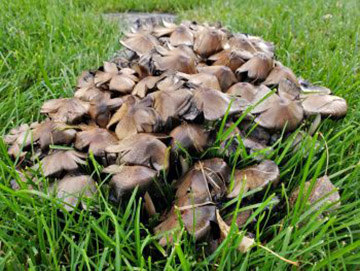
Image Source: organolawn.com
The Fungal Foundation: What Are Lawn Mushrooms?
Mushrooms are the fruiting bodies of fungi. Think of them as the apples on an apple tree – the visible part of a much larger, hidden organism. The main body of the fungus lives underground or within decaying organic matter as a network of fine threads called mycelium. When conditions are favorable, the mycelium produces these mushrooms to release spores and reproduce.
These lawn mushrooms are a natural part of the ecosystem. They play a vital role in breaking down dead plant material, recycling nutrients back into the soil. While often seen as a nuisance, their presence is a sign of a healthy, albeit sometimes damp, soil environment.
Deciphering the Role of Fungi in Grass
Fungi in grass are not always the cause of visible mushrooms. Many types of fungi live in and around grass roots, contributing to soil health. Some form symbiotic relationships with grass, helping them absorb nutrients. Others are saprophytic, meaning they feed on dead organic matter. It’s these saprophytic fungi that, when producing fruiting bodies, result in those familiar mushroom caps dotting your lawn.
The Core Causes of Mushrooms in Your Lawn
Several key factors contribute to the appearance of mushrooms in your yard. These often work in combination, creating the ideal environment for fungal growth.
Decaying Organic Matter: The Mushroom Buffet
Mushrooms need food to grow, and their primary food source is decaying organic matter. This can include a variety of things found in your lawn:
- Thatch: This is a layer of dead and living grass stems, roots, and leaves that accumulates between the green grass and the soil surface. A thick thatch layer is a prime feeding ground for fungi.
- Buried Debris: Old tree roots, buried logs, construction wood scraps, or even forgotten pet waste can serve as hidden food sources for mushroom growth.
- Compost and Mulch: If you’ve recently added compost or mulch to your garden beds and it has spread into the lawn, these materials are rich in organic matter.
- Dead Grass and Leaves: Natural leaf drop from trees or dead grass clippings left on the lawn after mowing contribute to the organic matter supply.
Essentially, any dead plant material that breaks down slowly provides the nutrients that fungi need to thrive.
Soil Moisture: A Thriving Environment
Fungi, like most living organisms, require moisture to survive and reproduce. Heavy rains, overwatering, or poor drainage can create consistently damp soil conditions that are perfect for mushroom growth.
- Rainfall Patterns: Mushrooms are most commonly seen after periods of consistent rainfall. The increased moisture in the soil and air stimulates the mycelium to produce fruiting bodies.
- Irrigation Practices: Overwatering your lawn can lead to waterlogged soil, which is ideal for many types of common lawn fungi. Watering too frequently or for too long can create these conditions.
- Poor Drainage: If your lawn’s soil doesn’t drain well, water can sit on the surface or in the upper layers, providing the sustained moisture that fungi love. Compacted soil often exacerbates drainage issues.
- Shady Areas: Areas of your lawn that receive less sunlight tend to stay damp for longer periods, making them more susceptible to mushroom growth.
Soil Type and pH: Unseen Influences
While not as direct as moisture or food, soil type and pH can indirectly influence mushroom growth.
- Soil Composition: Fungi generally prefer soil that is rich in organic matter. Sandy soils might drain too quickly, while heavy clay soils can become waterlogged. A good balance with plenty of organic material is often ideal.
- Soil pH: Most common lawn fungi tend to prefer a slightly acidic to neutral pH (around 6.0 to 7.0). However, some species can tolerate a wider range. If your lawn’s pH is significantly off, it might affect the grass more than the fungi, but in extreme cases, it could alter the microbial balance.
Temperature: The Seasonal Factor
Temperature plays a crucial role in when mushrooms appear. Most common lawn fungi have specific temperature ranges in which they are active.
- Spring and Fall: These are the most common times for mushrooms to appear because the temperatures are often moderate, and there’s usually adequate moisture.
- Warm, Humid Summers: Certain types of mushrooms can also pop up during warm, humid spells, especially after thunderstorms.
Common Lawn Fungi and Their Habits
There are many species of fungi that can cause mushrooms to appear in lawns. Some are harmless decomposers, while others can indicate underlying issues.
Familiar Lawn Mushroom Sightings
Here are some common types of mushrooms you might see:
- Ink Caps (Coprinus spp.): These mushrooms often appear in clusters. Many species are edible when young, but they quickly deliquesce (melt into an inky liquid) as they mature.
- Puffballs (Lycoperdon spp.): These are spherical or pear-shaped mushrooms that release their spores as a cloud of “dust” when mature. Young, white puffballs are often edible, but they are generally not desirable in a lawn.
- Bird’s Nest Fungi (Nidulariaceae): These tiny mushrooms look like miniature bird nests with small “eggs” inside. The “eggs” are actually spore-containing structures called peridioles.
- Coprinellus disseminatus: Small, delicate mushrooms that often appear in large colonies on decaying wood or buried organic matter.
Recognizing Mushroom Growth Patterns
The way mushrooms grow can offer clues to their cause.
The Mystery of Fairy Rings
One of the most distinctive patterns is the fairy ring. This is a circle or arc of mushrooms that appears in the grass.
What causes fairy rings?
Fairy rings are caused by the outward growth of a single fungal organism underground. The mycelium spreads in a circular pattern, consuming organic matter in the soil. The mushrooms are then produced along the outer edge of this expanding circle.
- The “Green Effect”: The area within and around a fairy ring might appear greener or lusher. This is because the fungus, in its decomposition process, releases nitrogen and other nutrients that fertilize the grass.
- The “Dead Effect”: In some cases, particularly with certain types of fungi or when the thatch layer is very thick, the mycelium can deplete the soil of moisture and nutrients, leading to a ring of dead or brown grass inside or outside the mushroom circle.
- Types of Fairy Rings: There are three main types:
- Type 1: Only a ring of dead or dying grass.
- Type 2: A ring of greener, lusher grass.
- Type 3: A ring of mushrooms without any visible effect on the grass itself.
The presence of fairy rings is a clear indicator of significant underground fungal activity, often linked to decaying woody material or a substantial thatch layer.
Is Mushroom Growth a Problem for Your Lawn?
Generally, the occasional mushroom in your lawn is not a cause for alarm. They are a natural part of the soil ecosystem. However, there are situations where their presence might indicate a problem or pose a risk.
When to Be Concerned About Lawn Mushrooms
- Toxic Mushrooms: The most significant concern is the presence of poisonous lawn mushrooms. Many fungi are toxic, and some can be deadly if ingested by pets or children. Mushroom identification is crucial if you have pets or young children who might be tempted to eat them. It is generally best to err on the side of caution and remove any mushrooms you cannot definitively identify as safe.
- Excessive Growth: A sudden explosion of mushrooms across the entire lawn can indicate excessive moisture or a very thick layer of decaying organic matter, which might be detrimental to the grass’s health.
- Fairy Rings Affecting Grass Health: If your fairy rings are causing significant dead or brown patches in your lawn, this indicates a more aggressive fungal activity that could damage your turf.
- Indicator of Poor Lawn Care: While mushrooms themselves aren’t inherently bad, their rampant growth can be a symptom of underlying issues like poor drainage, excessive thatch, or overwatering, all of which are detrimental to a healthy lawn.
Can I Eat Mushrooms Found in My Lawn?
No, it is strongly advised NOT to eat wild mushrooms found in your lawn. Even with mushroom identification guides, it is incredibly difficult and dangerous to distinguish between edible and poisonous species. Many toxic mushrooms closely resemble edible varieties. Always purchase mushrooms from a reputable source for consumption.
Practical Lawn Care Strategies to Manage Mushrooms
While you can’t eliminate fungi from your lawn entirely (nor would you want to, as they are beneficial decomposers), you can manage conditions to discourage excessive mushroom growth and reduce their visibility. Effective lawn care focuses on creating a less hospitable environment for nuisance fungi.
Reducing the Food Source: Organic Matter Management
The most effective way to reduce mushrooms is to remove their food source.
Thatch Management
- Dethatching: Regularly dethatch your lawn, especially if you notice a buildup of thatch. This involves raking out the dead material or using a mechanical dethatcher. Aim to remove no more than one-third of the thatch at a time to avoid stressing the grass.
- Aeration: Aerating your lawn (creating small holes in the soil) helps to reduce soil compaction and allows air, water, and nutrients to penetrate, which can help organic matter break down more effectively and reduce thatch buildup.
Clearing Debris
- Remove Buried Wood: If you suspect buried wood or roots are the cause, try to locate and remove them. This can be challenging but is often the most direct solution for persistent mushroom growth in specific areas.
- Promptly Remove Clippings and Leaves: Don’t let grass clippings or fallen leaves accumulate on the lawn, especially after mowing. Rake them up or use a mulching mower that finely chops them and returns them to the soil in moderation.
Controlling Soil Moisture
Managing water is key to discouraging fungi.
Smart Watering
- Water Deeply and Infrequently: Instead of light, frequent watering, water your lawn deeply but less often. This encourages deeper root growth and allows the surface to dry out between waterings, making it less appealing to surface-level fungi.
- Water in the Morning: Water your lawn early in the morning. This allows the grass blades to dry off throughout the day, reducing the risk of fungal diseases and mushroom growth.
- Check Soil Drainage: If water pools on your lawn after rain or watering, you may have drainage issues. Aeration can help, but in severe cases, you might need to consider amending the soil or installing a drainage system.
Improving Airflow
- Prune Overhanging Branches: Trim low-hanging branches from trees and shrubs that shade parts of your lawn. Increased sunlight and airflow help the grass and soil dry out more quickly.
- Proper Mowing Height: Mow your grass at the appropriate height for your grass type. Taller grass can help shade the soil, keeping it cooler and moister, which can encourage fungi. However, very short grass can also stress the turf, making it more susceptible to problems.
What About Mushroom Killers?
There are no specific “mushroom killers” that will selectively remove mushrooms without harming your lawn. Some fungicides used for disease control might have an effect on fungi responsible for mushrooms, but this is not their primary purpose, and their use should be approached with caution and proper mushroom identification of the problem.
- Fungicides: While fungicides are used to combat lawn diseases like dollar spot or brown patch, they are not typically recommended for simply controlling mushrooms unless they are part of a broader fungal disease issue. They can be broad-spectrum and may impact beneficial soil fungi.
- Manual Removal: The simplest and safest method is to physically remove the mushrooms. You can kick them over, rake them up, or pull them out by hand. This prevents spore dispersal and removes the visible nuisance. Dispose of them in a sealed bag in the trash, not in your compost bin, to avoid spreading spores.
Frequently Asked Questions About Lawn Mushrooms
Q1: Are the mushrooms in my lawn poisonous?
A1: It is impossible to tell if a mushroom is poisonous just by looking at it. Many common lawn mushrooms can be toxic. For your safety and the safety of pets and children, do not eat any mushrooms found in your lawn and consider removing them.
Q2: How can I get rid of mushrooms in my lawn permanently?
A2: You cannot eliminate fungi from your lawn permanently, nor is it desirable, as they play a role in decomposition. However, you can significantly reduce mushroom growth by managing thatch, improving drainage, watering correctly, and removing decaying organic matter.
Q3: Why do mushrooms appear after rain?
A3: Rain provides the necessary moisture for fungal mycelium to produce their reproductive structures – the mushrooms. Combined with available food sources like decaying organic matter, rain creates the ideal conditions for mushroom growth.
Q4: What are fairy rings, and are they bad for my grass?
A4: Fairy rings are circles or arcs of mushrooms caused by underground fungal growth. While some fairy rings are harmless, others can create rings of dead or dying grass due to nutrient and moisture depletion by the fungus, which is detrimental to lawn health.
Q5: Is it okay to leave mushrooms in my lawn?
A5: For occasional mushrooms, it’s usually fine. They are a natural part of the soil’s ecosystem. However, if you have pets or children, or if the mushrooms are abundant, it’s safer to remove them to prevent accidental ingestion of toxic species and to manage potential underlying lawn issues.
Q6: What does a thick thatch layer have to do with mushrooms?
A6: A thick thatch layer is a dense mat of dead grass and organic material. This layer acts as a food source and a moist environment for the underground mycelium of common lawn fungi, directly contributing to mushroom growth.
By implementing these lawn care strategies, you can create a healthier, more resilient lawn that is less prone to excessive mushroom outbreaks. Remember, a few mushrooms are natural, but understanding the causes allows you to manage their presence effectively.