
What is overseeding? Overseeding is the process of planting new grass seed into an existing lawn without tearing up the old turf. Can I overseed my lawn? Yes, overseeding is a fantastic way to improve the density, health, and appearance of your lawn. Who is overseeding for? Overseeding is for anyone looking to achieve a thicker, greener, and more resilient lawn, especially if their current grass is thin, patchy, or struggling.
Achieving a lush, dense lawn can feel like a dream for many homeowners. The image of a carpet-like expanse of green is often marred by thinning patches, bare spots, or weeds that seem to thrive where grass should be. Fortunately, there’s a straightforward and highly effective solution: overseeding. This guide will walk you through the entire process, ensuring you can transform your yard into the envy of the neighborhood.
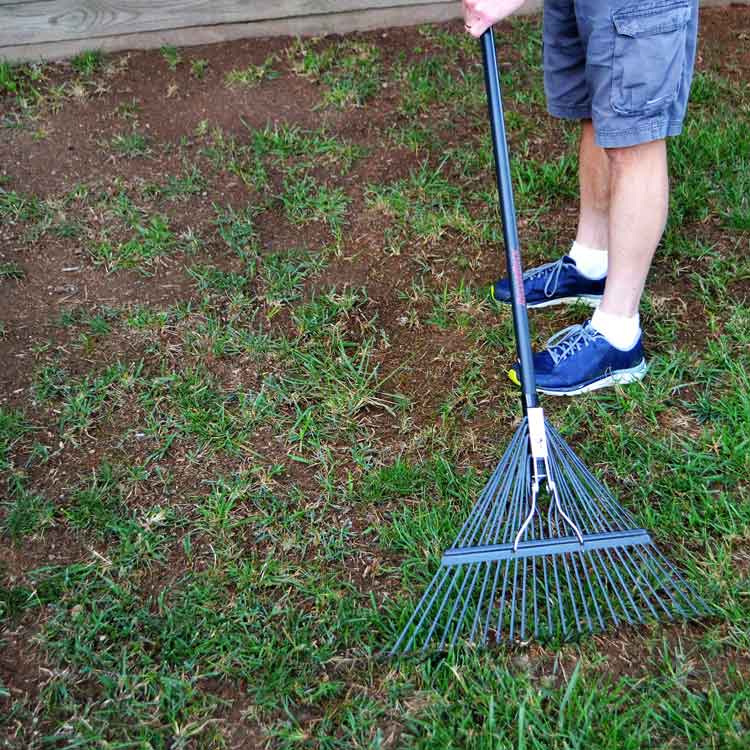
Image Source: www.greenviewfertilizer.com
The Benefits of Overseeding: Why Bother?
Before we dive into the “how,” let’s explore the “why.” Overseeding offers a multitude of advantages that contribute to a superior lawn:
- Increased Density: This is the most obvious benefit. New grass seeds fill in thin areas, creating a much thicker turf.
- Improved Weed Control: A dense lawn leaves less room for weeds to germinate and establish. This means less competition for water, sunlight, and nutrients, naturally suppressing weed growth.
- Enhanced Disease Resistance: Healthier, denser grass is generally more resilient to common lawn diseases. New seed varieties often have improved disease resistance built in.
- Better Wear Tolerance: A thicker lawn can withstand more foot traffic and play without showing significant damage.
- Improved Appearance: A uniformly dense and green lawn simply looks better, boosting curb appeal and your enjoyment of your outdoor space.
- Drought Tolerance: Many modern grass seed varieties are bred for improved drought tolerance, meaning your lawn will look better even during dry spells.
- Rejuvenation of Older Lawns: As lawns age, they can become thin and less vigorous. Overseeding effectively breathes new life into tired turf.
Timing is Everything: The Best Time to Overseed
Knowing when to overseed is crucial for success. The best time to overseed your lawn depends on your grass type:
Overseeding Cool-Season Grass
Cool-season grasses, such as fescues, ryegrass, and bluegrass, thrive in cooler temperatures. The ideal window for overseeding these grasses is during their active growth period, which is typically late summer through early fall (August to October). This timing allows the new seedlings to establish a strong root system before the harsh winter weather arrives. They can then emerge strong in the spring.
A secondary, less ideal but still viable, time to overseed cool-season grasses is in early spring (March to April). However, spring overseeding faces more competition from emerging annual weeds, and the young seedlings might struggle if they don’t establish well before the summer heat sets in.
Overseeding Warm-Season Grass
Warm-season grasses, like Bermuda grass, Zoysia grass, and centipede grass, grow best in warm temperatures. The prime time for overseeding these types is in late spring to early summer (May to July). This timing ensures the seeds germinate and establish roots in warm soil and have the entire growing season to develop.
Attempting to overseed warm-season grasses too early in spring can lead to poor germination due to cool soil temperatures. Overseeding too late in summer may not give the seedlings enough time to mature before cooler weather arrives.
Selecting the Right Grass Seed: Choosing Your Champion
Your grass seed selection is a critical decision. The best seed for your lawn will depend on your climate, existing grass type, and desired lawn characteristics.
Matching Your Existing Grass
The easiest and most successful overseeding is done by using a seed mix that closely matches your current lawn. This ensures uniformity in color, texture, and growth habit.
- Identify your current grass type: If you’re unsure, consult with your local extension office or a reputable garden center. Bring a sample of your lawn for identification.
- Look for blends: Blends contain multiple varieties of the same grass type. This offers resilience, as different varieties may perform better under varying conditions.
- Consider a mix for challenging areas: If you have shady spots, sunny areas, or high-traffic zones, look for seed mixes that specifically address these needs.
Popular Grass Seed Types for Overseeding:
| Grass Type | Best For | Key Characteristics |
|---|---|---|
| Perennial Ryegrass | Quick germination, wear tolerance | Fast establishment, bright green, can be less cold tolerant than fescues |
| Tall Fescue | Durability, drought tolerance, heat resistance | Deep roots, good for high-traffic areas, tolerates shade |
| Fine Fescue | Shade tolerance, low-maintenance | Delicate texture, good for shady or low-sun areas |
| Kentucky Bluegrass | Cold tolerance, self-repairing | Excellent cold hardiness, forms a dense sod, slow to establish |
| Bermuda Grass | Heat and drought tolerance (warm-season) | Aggressive growth, good for sun and heat, goes dormant in winter |
| Zoysia Grass | Drought tolerance, heat resistance (warm-season) | Slow to establish but very dense and hardy, low maintenance |
Factors to Consider When Buying Seed:
- Germination Rate: Look for a seed with a high germination rate (usually 85% or higher).
- Purity: Ensure the bag has a high purity percentage, meaning fewer weed seeds or inert materials.
- Coated vs. Uncoated: Coated seeds have a protective layer that can contain fungicides or nutrients, but it adds weight and cost. Uncoated seeds are pure seed.
- Seed Variety: Choose varieties known to perform well in your specific region.
Preparing Your Lawn for Success: Soil Preparation for Overseeding
Proper soil preparation for overseeding is the foundation for successful germination and seedling establishment. Don’t skip these vital steps!
Step 1: Mow Low
Mow your existing lawn shorter than you normally would, about 1.5 to 2 inches. This helps remove the upper layer of grass, allowing the new seeds to reach the soil surface more easily and reducing competition. Bag the clippings.
Step 2: Dethatch (If Necessary)
Thatch is a layer of dead and living stems and roots that accumulate between the green grass and the soil surface. If this layer is more than half an inch thick, it can prevent new seeds from reaching the soil.
- How to dethatch: You can use a power dethatcher (also called a verticutter) or a stiff-tined rake. For smaller lawns, a strong rake can suffice. The goal is to loosen and remove the thatch.
- After dethatching: Rake up all the debris and thatch, and dispose of it.
Step 3: Aerate Your Lawn
Aeration involves creating small holes in the soil. This is incredibly beneficial for overseeding, especially if your soil is compacted.
- Benefits of aeration: It relieves soil compaction, improves air and water penetration to the roots, and creates a better seed-to-soil contact.
- How to aerate: Use a core aerator (walk-behind machine) or spike aerator. Core aerators are generally more effective as they pull out plugs of soil, leaving small holes.
- Timing: Aerate just before overseeding. The holes created by the aerator are perfect spots for new seeds to settle into.
Step 4: Loosen the Soil Surface
After aerating, use a rake or a dethatcher to lightly scratch the surface of the soil. This further improves seed-to-soil contact, which is essential for germination. You want to see bare soil in patches.
Step 5: Fertilize (Optional, but Recommended)
Applying a starter fertilizer before overseeding can give the new seeds a significant boost.
- Type of fertilizer: Choose a starter fertilizer that is higher in phosphorus (the middle number in the N-P-K ratio). Phosphorus is crucial for root development.
- Application: Apply it evenly according to package directions, ideally after you’ve prepared the soil and before you spread the seed.
The Right Tools for the Job: Overseeding Equipment
While you can overseed by hand, having the right overseeding equipment can make the job easier and more efficient, especially for larger lawns.
- Broadcast Spreader: This is the most common tool for spreading grass seed evenly. They come in various sizes, from small handheld spreaders to larger tow-behind models.
- Calibration is key: Ensure your spreader is calibrated correctly to avoid over- or under-seeding. Check the seed bag for recommended settings.
- Drop Spreader: Drop spreaders release seed directly in front of the wheels, offering more precise application, especially along edges and borders. They are good for smaller, more intricate areas.
- Power Rake / Dethatcher: Essential for removing thatch before overseeding.
- Aerator: Crucial for loosening compacted soil. You can rent core aerators.
- Rotary Tiller: For very poor soil or when starting a new lawn section, a tiller can be used to incorporate amendments and loosen soil. However, for overseeding an existing lawn, lighter preparation is usually better.
- Rake: A sturdy metal rake is indispensable for scratching the soil surface and lightly covering the seed.
Spreading the Seeds: How to Apply Grass Seed
Now that your lawn is prepped and you have your tools and seed, it’s time for how to apply grass seed. Precision and evenness are key.
Step 1: Calibrate Your Spreader
Before you start, calibrate your broadcast or drop spreader according to the manufacturer’s instructions and the recommendations on your grass seed bag. This usually involves a test run over a small, measured area.
Step 2: Apply the Seed
- For broadcast spreaders:
- Fill the spreader hopper with the recommended amount of seed.
- Start walking at a steady pace.
- Begin spreading along the outer edge of your lawn, then work your way back and forth across the lawn, overlapping each pass slightly to ensure even coverage.
- Turn off the spreader when you stop or turn.
- For drop spreaders:
- Align the spreader with the edge of your lawn.
- Walk slowly and steadily, keeping the spreader moving at all times.
- Overlap passes slightly, especially when turning, to avoid gaps or double-spreading.
- If overseeding by hand:
- Divide your lawn into small, manageable sections and measure out the corresponding amount of seed for each section.
- Broadcast the seed evenly across the section, using a side-to-side motion.
- Then, walk perpendicular to your first pass and broadcast again to ensure complete coverage.
Step 3: Rake the Seed In
After spreading the seed, use a light garden rake to gently scratch the soil surface and lightly cover the seeds. The goal is to ensure good seed-to-soil contact without burying the seeds too deeply. Ideally, seeds should be covered with about 1/8 to 1/4 inch of soil. You can also use the back of a rake.
Step 4: Lightly Roll the Lawn (Optional)
For very large areas, or if the soil is particularly loose, lightly rolling the lawn after raking can improve seed-to-soil contact. Use a lawn roller, and only add enough water to make it effective, not heavy. For most homeowner situations, raking is sufficient.
Watering Your New Investment: Watering Overseeded Lawn
Proper watering overseeded lawn is critical for germination and the initial establishment of new grass seedlings. This is one of the most common areas where people go wrong.
The Importance of Consistent Moisture
New grass seed needs consistent moisture to germinate and grow. The soil surface should never be allowed to dry out completely during the germination period.
Watering Schedule for New Seed:
- Frequency: Water lightly and frequently. This means several times a day – usually 2 to 3 times daily.
- Duration: Each watering session should be brief, just enough to moisten the top half-inch of soil. You don’t want to create puddles or wash away the seeds.
- When to water: The best times are early morning and early afternoon. Avoid watering late in the evening, as this can encourage fungal diseases.
Transitioning to Deeper Watering
Once the new grass seedlings reach about 1 to 1.5 inches in height, you can begin to transition to a less frequent, deeper watering schedule.
- Frequency: Water every 2-3 days, or as needed based on weather conditions.
- Duration: Water deeply enough to moisten the soil 4 to 6 inches down. This encourages the roots to grow deeper, making the lawn more drought-tolerant.
- Mowing: Wait until the new grass is at least 3 inches tall before mowing. When you do mow, never remove more than one-third of the blade length at a time.
Feeding Your New Lawn: Fertilizing Overseeded Lawn
Fertilizer plays a vital role in the health and growth of your new grass seedlings.
Initial Fertilization
As mentioned in soil preparation, a starter fertilizer (high in phosphorus) applied before overseeding is highly beneficial. If you didn’t do this, you can apply it now.
Subsequent Fertilization
- First Feeding (after first mow): About 4-6 weeks after the new grass has emerged and has been mowed at least once, apply a balanced lawn fertilizer (e.g., 10-10-10 or similar). Follow the package directions carefully.
- Ongoing Feeding: Continue with a regular fertilizing schedule based on your grass type and local recommendations. This typically involves 2-4 applications per year.
Dealing with Competition: Weeds and Existing Grass
Overseeding aims to improve your lawn, but you might encounter challenges from existing grass and weeds.
Existing Grass Competition
The steps of mowing low, dethatching, and aerating help reduce competition from the existing turf. The new seeds need access to sunlight and nutrients.
Weed Control
- Prevention is key: A healthy, dense lawn is the best defense against weeds.
- Pre-emergent herbicides: If you have a significant annual weed problem, consider applying a pre-emergent herbicide in early spring (for cool-season grasses) before weeds germinate. However, be very careful, as pre-emergent herbicides can also inhibit grass seed germination. Read labels meticulously and ensure you apply them at the correct time.
- Post-emergent herbicides: Once the new grass is established (mowed a few times), you can use post-emergent herbicides to spot-treat any broadleaf weeds that appear.
- Manual removal: For isolated weeds, hand-pulling is always an option.
Specific Considerations for Overseeding Grass Types
While the general principles apply, there are nuances for different grass types.
Overseeding Cool-Season Grass
When overseeding cool-season grass, remember their preference for cooler weather.
- Timing: Late summer to early fall is ideal.
- Seed choice: Perennial Ryegrass germinates quickly and offers immediate coverage. Tall Fescue is excellent for its durability and drought tolerance. Kentucky Bluegrass, though slower to germinate, creates a dense, beautiful lawn over time and has good winter hardiness. Often, a blend of these is recommended.
- Winter preparation: Ensure the new seedlings have enough time to establish before the ground freezes. They should reach a height of at least 3 inches.
Overseeding Warm-Season Grass
When overseeding warm-season grass, capitalize on the heat.
- Timing: Late spring to early summer is best.
- Seed choice: Use varieties of Bermuda, Zoysia, or Centipede grass that match your existing lawn. These grasses have excellent heat and drought tolerance once established.
- Dormancy: Remember that warm-season grasses go dormant and turn brown in cooler months. Overseeding in fall with a cool-season grass (like Annual Ryegrass) can provide temporary “winter color,” but it will die off in the spring, leaving the warm-season grass to recover. This is often called “winter overseeding.”
Frequently Asked Questions (FAQ)
Q1: How often should I overseed my lawn?
A: You can overseed your lawn annually or every other year, especially if you notice thinning. It’s a maintenance practice that keeps your lawn looking its best.
Q2: Can I overseed when it’s hot?
A: No, it’s best to avoid overseeding during periods of extreme heat. The young seedlings are very susceptible to heat stress and will likely not survive. Stick to the recommended cool-season and warm-season overseeding times.
Q3: How much grass seed do I need?
A: The amount depends on your lawn’s size and the type of seed. Most seed bags will provide coverage guidelines. A general rule of thumb for overseeding is about 1-2 pounds of seed per 1,000 square feet. Always check the specific recommendations on your chosen seed.
Q4: Will the old grass die when I overseed?
A: No, overseeding is designed to introduce new grass into an existing lawn, not to replace it entirely. The goal is to fill in thin areas. If you want to establish a completely new lawn or deal with a severely damaged lawn, you would use a different method like sodding or starting from scratch.
Q5: When can I walk on my newly overseeded lawn?
A: It’s best to avoid walking on your newly overseeded lawn as much as possible until the grass is well-established and has been mowed at least once or twice. This prevents compaction and damage to the delicate seedlings.
Q6: Can I use a weed killer before overseeding?
A: If you use a non-selective herbicide (like glyphosate) to kill an old lawn before overseeding, you must wait the recommended time on the product label (usually several days to a week or more) before you can sow new seed. If you use selective herbicides, be sure they won’t inhibit seed germination. Always read the product label carefully.
By following these steps, you can confidently overseed your lawn and enjoy a thicker, greener, and healthier yard. Happy mowing!