
Can I mow my lawn too often? Yes, mowing too frequently can stress your grass and prevent it from growing strong. What is the best way to mow a lawn? The best way involves understanding your grass type, using a sharp mower blade, and following proper mowing techniques. This guide will equip you with essential lawn care basics for a beautiful, healthy lawn.
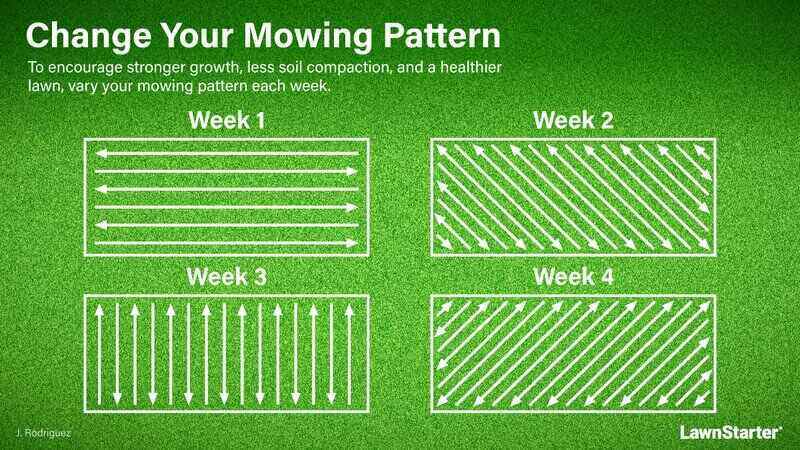
Image Source: www.lawnstarter.com
Preparing Your Mower for Action
Before you even think about the first cut, ensuring your lawn mower is in top shape is crucial. A well-maintained mower not only works better but also lasts longer and is safer to use. Think of it as a tune-up for your most important lawn care tool.
Basic Lawn Mower Maintenance Checks
Regular checks prevent small problems from becoming big headaches. Here’s what you should look at before you begin mowing:
- Oil Level: For gas mowers, check the oil. Low oil can cause serious engine damage. Consult your mower’s manual for the correct type of oil and how to check it.
- Air Filter: A dirty air filter restricts airflow, making your mower run less efficiently. Clean or replace it as needed.
- Spark Plug: Ensure the spark plug is clean and properly gapped. A fouled spark plug can make starting difficult.
- Fuel: Use fresh, clean fuel. Old fuel can clog the carburetor.
- Blade Sharpness: This is perhaps the most critical element for a clean cut. A dull blade tears grass, leading to browning and increased disease risk. We’ll cover sharpening later.
- Tire Pressure: Properly inflated tires ensure a level cut.
- Debris Removal: Clear any grass clippings, dirt, or other debris from the mower deck, engine cooling fins, and wheels.
The Importance of a Sharp Mower Blade
A sharp mower blade is the cornerstone of proper lawn mowing. It’s not just about aesthetics; it significantly impacts your grass’s health.
- Clean Cut: Sharp blades slice through grass blades cleanly. This promotes faster healing and reduces the chance of disease entering the plant.
- Reduced Stress: Dull blades tear and shred the grass. This is like ripping a hole in the grass blade, which is more stressful for the plant. Stressed grass is more susceptible to drought, pests, and diseases.
- Healthier Appearance: A clean cut results in a uniformly green lawn. Torn grass often turns brown at the tips, giving your lawn a ragged look.
How to Check and Sharpen Your Mower Blade
- Safety First: Always disconnect the spark plug wire before working on the blade. Wear heavy gloves to protect your hands.
- Removing the Blade: Tilt the mower back (carburetor side up, if it’s a gas mower) or remove the deck. Use a wrench or socket set to loosen and remove the blade bolt.
- Checking Sharpness: Run your gloved finger carefully across the cutting edge. If you feel any nicks or the edge feels dull, it needs sharpening.
- Sharpening Methods:
- File: A metal file can be used to hone the edge. Hold the file at the same angle as the original bevel of the blade.
- Grinder: An angle grinder or bench grinder can quickly sharpen blades, but be careful not to overheat the metal, which can weaken it.
- Blade Sharpener Tool: Dedicated blade sharpening tools are available and are often the easiest for DIY users.
- Balancing the Blade: After sharpening, it’s crucial to balance the blade. A balanced blade spins smoothly without wobbling. You can check this using a blade balancer or by hanging the blade on a nail or screwdriver through its center hole. If one side is heavier, file a little metal off the heavy side until it balances.
- Reattaching the Blade: Reinstall the blade with the cutting edge facing the correct direction (usually upwards) and tighten the bolt securely.
Mastering Mowing Techniques for a Better Lawn
Once your mower is ready, it’s time to talk about the actual act of mowing. Proper mowing techniques are key to a consistently beautiful yard and a healthy grass ecosystem.
The Best Way to Mow Lawn: Alternating Directions
One of the simplest yet most effective mowing techniques is to alternate the direction you mow each time.
- Prevents Grass Blade Lean: Mowing in the same direction every time can cause the grass blades to lean in that direction. This creates an uneven cut and can lead to a less dense lawn.
- Reduces Compaction: Alternating your mowing pattern helps to distribute the weight of the mower more evenly across the lawn, reducing soil compaction.
- Improves Turf Appearance: Changing directions creates a more uniform and attractive appearance. It gives the lawn a “striped” look if you overlap your passes slightly in a particular pattern.
Proper Lawn Mowing: The One-Third Rule
A fundamental principle in lawn care basics is never to remove more than one-third of the grass blade’s height at any single mowing.
- Why it Matters: Cutting off too much of the grass blade shocks the plant. It forces the grass to expend a lot of energy on regrowth rather than on developing a strong root system.
- How to Apply It: If your grass is 3 inches tall, you should only cut it down to 2 inches. This means you might need to mow more frequently during peak growing seasons.
- Adjusting Mowing Frequency: Pay attention to your grass’s growth rate. If it’s growing fast, you’ll need to mow more often to adhere to the one-third rule. If growth slows, you can mow less frequently.
Mowing Height: The Sweet Spot for Your Grass
The ideal mowing height varies depending on the type of grass you have. Mowing too short stresses the grass, while mowing too high can lead to other issues.
Recommended Mowing Heights by Grass Type
| Grass Type | Ideal Mowing Height (Inches) | Notes |
|---|---|---|
| Cool-Season | ||
| Fescue | 2.5 – 3.5 | Taller heights help shade out weeds and conserve moisture. |
| Kentucky Bluegrass | 2.5 – 3.5 | Can tolerate slightly lower heights, but taller is generally better for drought tolerance. |
| Perennial Ryegrass | 1.5 – 2.5 | Mows well at lower heights but requires consistent watering. |
| Bentgrass | 0.5 – 1.5 | Primarily used on golf greens; requires very frequent mowing and specialized care. |
| Warm-Season | ||
| Bermuda Grass | 0.5 – 1.5 | Can be mowed very low (like a golf fairway) but requires consistent watering and fertilization. |
| Zoysia Grass | 0.5 – 2.0 | Tolerates lower heights once established, but a slightly higher cut aids in density. |
| St. Augustine | 2.0 – 3.0 | Requires a higher mowing height than most other warm-season grasses. |
| Centipede Grass | 1.5 – 2.5 | Prefers a slightly higher cut to maintain its low-density growth habit. |
- Benefits of Proper Mowing Height:
- Deeper Roots: Taller grass develops deeper root systems, making it more drought-tolerant and resilient.
- Weed Suppression: A denser, taller canopy of grass shades the soil surface, preventing weed seeds from germinating.
- Disease Prevention: Mowing at the correct height reduces stress, making the grass less vulnerable to diseases.
Edging Your Lawn: The Finishing Touch
Edging your lawn provides a clean, defined border between your grass and hard surfaces like sidewalks, driveways, and garden beds. This is a crucial part of achieving a manicured look.
Edging Techniques and Tools
- String Trimmer (Weed Whacker): This is the most common tool for edging. Hold it at a slight angle to the edge of the surface to create a clean line. For a professional look, aim for a consistent depth.
- Edger Tool: A manual or powered edger can create a more defined trench along the edge. These tools are great for long stretches of sidewalk or driveway.
- Shovel or Spade: For a very precise and deep edge, a sharp spade can be used. This is more labor-intensive but offers excellent results, especially for garden bed borders.
- How to Edge Effectively:
- Mark Your Line: If you’re unsure, you can use a garden hose or string to lay out a curved or straight line before you start.
- Consistent Depth: Aim for a consistent depth of about 1-2 inches. This creates a visually appealing edge and helps prevent grass from creeping onto paths.
- Clean Up: After edging, use a blower or broom to clear away any loose soil or grass clippings from the path or driveway.
Mulching Grass Clippings: Feeding Your Lawn
Mulching your grass clippings is one of the easiest and most beneficial lawn care basics you can incorporate. It involves leaving the finely cut clippings on the lawn to decompose.
- Nutrient Recycling: Grass clippings are rich in nitrogen, phosphorus, and potassium – essential nutrients for healthy grass growth. As they decompose, they release these nutrients back into the soil.
- Moisture Retention: The layer of clippings can help retain soil moisture, reducing the need for frequent watering.
- Improved Soil Structure: As the organic matter breaks down, it improves the soil’s structure, aeration, and water-holding capacity.
- How to Mulch Effectively:
- Use a Mulching Mower: These mowers are designed to finely chop grass clippings.
- Mow When Dry: Avoid mowing wet grass, as it tends to clump together and can smother the lawn.
- Don’t Over-Mulch: If you’ve cut off more than one-third of the blade, the clippings will be too long and may form thick mats, which can harm the grass. Mow more frequently in these cases.
- Spread Evenly: If you notice clumps, go over them with your mower again or rake them to distribute them evenly.
Seasonal Lawn Mowing Strategies
Your lawn’s needs change throughout the year. Adapting your mowing strategy to the seasons ensures your grass remains healthy and vigorous.
Spring: The Awakening
As your lawn emerges from winter dormancy, it needs gentle care.
- First Mowing: Wait until the grass has started to grow actively. It’s generally best to mow at a slightly higher setting for the first cut.
- Frequency: As growth picks up, you’ll likely need to mow weekly to maintain the one-third rule.
- Weed Control: Address any early spring weeds. Some herbicides can be applied pre-emergence, while others are post-emergence.
Summer: Peak Growth and Stress
Summer is often the busiest time for lawn mowing, but it’s also when your grass is most stressed by heat and potential drought.
- Adjust Mowing Height: Consider raising your mowing height slightly during the hottest months. Taller grass shades the soil, keeping it cooler and retaining moisture.
- Mow When Cool: Avoid mowing during the hottest part of the day. Early morning or late afternoon is best.
- Watering: Ensure your lawn is adequately watered, especially if you’re not getting enough rain. Dry, hot conditions combined with frequent mowing can severely damage your turf.
- Avoid Mulching Heavy Clippings: If the grass grows very rapidly due to rain and heat, and you’re cutting longer grass, avoid mulching heavily. Bagging or raking clippings might be necessary to prevent smothering.
Autumn: Preparing for Dormancy
Fall is a crucial time for your lawn to build up reserves for the winter.
- Gradual Lowering: As the weather cools and growth slows, you can gradually lower your mowing height.
- Final Mowing: The last mow of the season should be at a slightly lower height than your summer height. This helps prevent disease and matting of the grass under snow.
- Leaf Management: If leaves are accumulating, mow them into small pieces (mulch them) or rake them off to prevent them from smothering the grass.
Winter: Rest and Renewal
While you won’t be mowing, a little fall preparation goes a long way.
- Clean Up: Ensure all fallen leaves and debris are cleared before the first hard frost.
Advanced Lawn Mowing Tips for the Enthusiast
For those who want to take their lawn care to the next level, here are some additional tips and considerations.
Reel Mowers vs. Rotary Mowers
Choosing the right type of mower can impact the health and appearance of your lawn.
- Rotary Mowers: These are the most common type of mower. They use a horizontally spinning blade to cut grass.
- Pros: Versatile, good for most lawn conditions, relatively inexpensive, good at mulching.
- Cons: Can tear grass if the blade is dull, less precise cut than reel mowers.
- Reel Mowers (Cylinder Mowers): These use a set of helical blades that rotate against a stationary bedknife to create a scissor-like cut.
- Pros: Produce a very clean, precise cut that is healthier for grass, ideal for certain grass types like fescues and bentgrass.
- Cons: More expensive, less effective on uneven terrain or thick, overgrown grass, require more frequent sharpening and adjustment.
Mowing Patterns Beyond the Straight Line
While alternating directions is great, you can get more creative.
- Concentric Circles: Mowing in circles from the outside in or vice versa can create a unique, visually appealing pattern.
- Diagonal Cuts: Angling your passes across the lawn can also add visual interest.
- Striping: Achieving the classic golf course stripe effect involves using a roller on the mower (or a separate roller) that bends the grass blades in the direction of travel. Mowing in alternating directions with overlapping passes is key.
Addressing Specific Lawn Issues with Mowing
- Thatch Buildup: If you have excessive thatch, avoid mulching very long grass clippings. Consider bagging or raking occasionally during peak growth.
- Uneven Growth: Ensure your mower deck is level and your tires are properly inflated for a consistent cut.
- Bare Spots: Mow around bare spots. Once the grass is established, adjust your mowing height to encourage density.
Frequently Asked Questions (FAQ)
Q1: How often should I mow my lawn?
A1: The frequency depends on your grass type, the season, and weather conditions. Generally, you should mow when the grass reaches about one-third taller than your desired mowing height, following the one-third rule. This could be anywhere from once a week in peak growing seasons to every two weeks or more during slower growth periods.
Q2: Is it okay to mow wet grass?
A2: It’s best to avoid mowing wet grass. Wet clippings tend to clump, which can smother the lawn, leading to fungal diseases and an uneven appearance. It also makes mulching ineffective and can clog your mower.
Q3: What is the best mowing height for my lawn?
A3: The best mowing height depends on your grass species. Cool-season grasses generally prefer heights of 2.5 to 3.5 inches, while warm-season grasses can often be mowed lower, between 0.5 to 2 inches. Always check the specific recommendations for your grass type.
Q4: Should I bag my grass clippings or mulch them?
A4: Mulching grass clippings is generally recommended. They act as a natural fertilizer, returning valuable nutrients to the soil and improving its structure. Bagging is only necessary if the grass is excessively long and the clippings are clumping, or if you are dealing with disease-prone grass types in certain conditions.
Q5: How do I prevent my lawn mower from getting clogged with grass?
A5: Ensure your mower blade is sharp. Mow more frequently to avoid cutting off too much grass at once. If the grass is particularly thick or wet, consider bagging the clippings or making narrower passes. Keeping the mower deck clean also helps.
Q6: My lawn looks brown after mowing. What could be the reason?
A6: This is often caused by a dull mower blade tearing the grass, rather than cutting it cleanly. The torn tips then turn brown. Ensure your blade is sharp. Alternatively, if you’ve mowed too short, the grass can be stressed and turn brown, especially in hot weather.
By following these expert tips and lawn care basics, you’ll be well on your way to achieving and maintaining a lush, healthy, and beautiful lawn. Happy mowing!