
Can you kill toadstools in the lawn? Yes, you can effectively manage and remove toadstools from your lawn using a combination of physical removal, improved lawn care practices, and sometimes natural remedies.
Toadstools, also known as lawn mushrooms, are a common sight in many yards. While they can be visually unappealing and sometimes indicate underlying soil issues, getting rid of them is usually straightforward. This guide will walk you through the best ways to tackle these fungal growths and promote a healthier lawn. We’ll cover everything from simple manual removal to natural solutions and preventative measures for lawn care mushroom control.
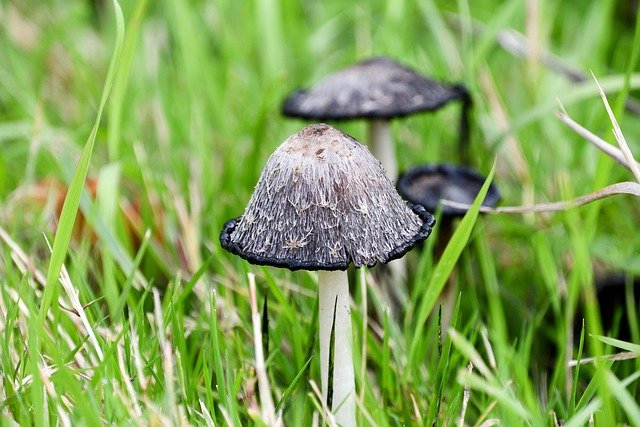
Image Source: www.lawnweedexpert.co.uk
Why Do Toadstools Appear?
Before we dive into eradication, it’s helpful to know why toadstools sprout in the first place. Toadstools are the fruiting bodies of fungi that live underground. They thrive in certain conditions, and understanding these can help you prevent future outbreaks.
Common Causes of Toadstool Growth:
- Decomposing Organic Matter: The most common reason for toadstools is the presence of decaying organic material in the soil. This could be buried twigs, leaves, animal waste, or even dead grass roots. The fungus feeds on this material, and when conditions are right, it produces mushrooms.
- Moisture: Fungi love moisture. Lawns that are consistently too wet, especially after rain or overwatering, are prime spots for toadstools.
- Shade and Poor Air Circulation: Areas of your lawn that are heavily shaded and don’t get much air movement can also encourage fungal growth.
- Compacted Soil: Compacted soil hinders drainage and can create a more hospitable environment for fungi.
- Fertilizer Imbalance: While not a direct cause, over-fertilizing, especially with nitrogen-rich fertilizers, can sometimes contribute to fungal issues.
Immediate Steps for Lawn Mushroom Removal
The most direct way to deal with toadstools is to simply remove them. This stops them from releasing spores and can quickly improve the appearance of your lawn.
Manual Removal of Toadstools:
This is the easiest and most immediate method for how to get rid of toadstools.
Step 1: Wear Gloves
Always wear gloves when handling toadstools. While most lawn mushrooms aren’t poisonous to touch, some can cause skin irritation, and it’s always best to err on the side of caution.
Step 2: Loosen the Soil
Use a garden fork or trowel to gently loosen the soil around the base of the toadstool. This helps to ensure you get the entire mushroom, including the underground parts.
Step 3: Pull or Dig
Gently pull the toadstool straight up from the loosened soil. If it’s firmly rooted, use your trowel to dig it out completely.
Step 4: Dispose of Properly
Place the removed toadstools in a sealed plastic bag and discard them in the trash. This prevents them from releasing more spores into your lawn. Do not compost them, as this could spread fungal spores to your garden.
Step 5: Improve the Area
Once the toadstool is removed, consider lightly aerating the soil in that spot. This helps with air circulation and drainage. You can also top-dress the area with a thin layer of compost or a good quality topsoil.
Natural Toadstool Killer Options and Treatments
If you’re looking for natural toadstool killer solutions or want to tackle the problem more holistically, several options can help. These methods focus on improving your lawn’s health and creating an environment less favorable for fungi.
Natural Solutions for Eradicating Toadstools Lawn:
- Baking Soda: Baking soda can alter the soil’s pH, making it less hospitable for fungi.
- How to Use: Mix 1 tablespoon of baking soda with 1 gallon of water. Apply this solution directly to the affected areas. Repeat every few days if necessary.
- Vinegar: Diluted vinegar can also help kill fungi.
- How to Use: Mix one part white vinegar with four parts water. Spray this mixture onto the toadstools and the surrounding soil. Be cautious, as too much vinegar can harm grass.
- Hydrogen Peroxide: A diluted hydrogen peroxide solution can act as a fungicide.
- How to Use: Mix 1 part 3% hydrogen peroxide with 4 parts water. Spray this onto the toadstools. It will bubble as it reacts with the fungus.
- Compost Tea: While not a direct killer, a well-made compost tea can introduce beneficial microbes to the soil that compete with fungi.
- How to Use: Apply compost tea to your lawn during the growing season.
Treating Fairy Rings Toadstools:
Fairy rings are circular patterns of toadstools, often accompanied by a ring of darker, faster-growing grass or a ring of dead grass. These are caused by specific types of fungi that spread outwards from a central point.
Table: Methods for Treating Fairy Rings
| Method | Description | Effectiveness |
|---|---|---|
| Manual Removal | Digging out the mushrooms within the ring. | Temporary. Does not address the underlying mycelium. |
| Aeration and Watering | Aerating the soil within and around the ring and watering deeply can help break up the fungal network. | Can help, especially for smaller rings or less aggressive fungi. |
| Soil Amendment | Top-dressing with compost or manure can encourage beneficial microbes that outcompete the fairy ring fungus. | Takes time and consistent application. |
| Fungicide Application | Applying a lawn fungicide specifically formulated for fairy rings. | Most effective for immediate eradication, but may require repeat applications and is not a natural solution. |
| Thickening the Lawn | Overseeding the area with a healthy grass mix to outcompete the fungi. | Long-term strategy that improves overall lawn health. |
For persistent fairy rings, focusing on improving overall lawn health toadstool prevention is key. This involves strengthening your grass so it can better compete with the fungi.
Improving Lawn Health for Toadstool Prevention
The best way to kill lawn fungi long-term is to create a healthy lawn that is naturally resistant to them. This involves consistent and proper lawn care practices.
Key Lawn Care Practices:
- Proper Watering:
- Water deeply but infrequently. This encourages roots to grow deeper, making the grass more resilient.
- Avoid watering in the evening. Damp grass overnight can encourage fungal growth. Water early in the morning.
- Ensure good drainage. If your lawn stays wet for long periods, you may need to address drainage issues.
- Mowing Practices:
- Keep your mower blades sharp. Dull blades tear grass, making it susceptible to disease.
- Mow at the correct height for your grass type. Taller grass shades the soil, which can sometimes help suppress weed growth but also retain moisture for fungi. However, very short grass stresses the turf, making it vulnerable. The ideal height varies by grass type.
- Remove thatch. A thick layer of thatch (dead grass and organic matter) can trap moisture and provide a food source for fungi. Dethatch your lawn annually or biannually if needed.
- Fertilization:
- Fertilize appropriately based on your soil test results and grass type.
- Avoid over-fertilizing, especially with nitrogen, as this can lead to rapid, weak growth that is more prone to disease.
- Apply fertilizer evenly to prevent localized nutrient excesses.
- Aeration:
- Regularly aerate your lawn (usually once a year) to relieve soil compaction. This improves air circulation, water penetration, and nutrient uptake, all of which contribute to a healthier root system and a more robust lawn that can resist fungal invaders.
- Debris Removal:
- Rake up fallen leaves, twigs, and other organic debris promptly. These materials are a food source for the fungi that cause toadstools.
- Soil Testing:
- Consider getting your soil tested. This can reveal nutrient deficiencies or pH imbalances that might be contributing to your lawn’s susceptibility to fungi.
Natural Toadstool Killer FAQs
Here are some common questions people have about dealing with toadstools:
What is the best natural way to get rid of toadstools?
The best natural approach involves a combination of physical removal and improving your lawn’s overall health. Regularly removing the visible toadstools and focusing on proper watering, mowing, and aeration will create an environment less conducive to fungal growth. Natural solutions like diluted vinegar or baking soda can be used for targeted treatment, but they are not a permanent fix on their own.
Can I remove toadstools with household items?
Yes, you can use household items like diluted vinegar, baking soda solution, or a dilute hydrogen peroxide solution as a targeted home remedies for toadstools. These can help kill the visible mushrooms and their immediate spores. However, remember that the fungal mycelium is underground, so these are often temporary solutions unless combined with broader lawn health improvements.
Are all toadstools in the lawn harmful?
While most common lawn toadstools are not directly harmful to humans or pets through touch, some can be poisonous if ingested. It is always best to err on the side of caution and assume all toadstools are potentially toxic, especially if you have children or pets who might be tempted to eat them. The main issue is that they indicate an underlying soil condition that needs addressing for optimal lawn health toadstool prevention.
How do I prevent toadstools from returning?
Prevention is key. Focus on creating a healthy, vigorous lawn by:
* Ensuring good drainage.
* Watering properly (deeply, infrequently, and in the morning).
* Mowing at the correct height with sharp blades.
* Removing thatch and other organic debris.
* Aerating compacted soil.
* Fertilizing according to your lawn’s needs.
By strengthening your grass, it will be better able to compete with soil fungi.
Is it bad for my lawn if I see toadstools?
Seeing toadstools is usually a sign that something in your lawn’s environment is favoring fungal growth, most often decaying organic matter and excessive moisture. It’s not necessarily “bad” in the sense of causing immediate damage, but it does indicate that your lawn’s conditions could be improved. Addressing the root causes will lead to a healthier, more resilient lawn.
How do I deal with toadstools in shaded areas?
Shaded areas are naturally more prone to fungal growth due to less sunlight and potentially longer-lasting moisture. In these areas, it’s even more crucial to:
* Ensure good air circulation by pruning overhanging branches if possible.
* Avoid overwatering.
* Remove any leaf litter or debris promptly.
* Consider using shade-tolerant grass varieties if your lawn struggles significantly in these spots.
* Manual removal and application of natural solutions can also be effective in these problem areas.
Conclusion: Towards a Healthier, Toadstool-Free Lawn
Managing toadstools in your lawn doesn’t have to be a daunting task. By understanding why they appear and adopting a proactive approach to lawn care mushroom control, you can effectively eliminate them and prevent their return.
The most sustainable method for eradicating toadstools lawn involves fostering a robust and healthy lawn. This means paying attention to proper watering techniques, consistent mowing at the right height, regular dethatching and aeration, and removing decaying organic matter. While immediate removal of visible toadstools is satisfying, building a strong turf is the ultimate strategy for long-term lawn health toadstool prevention.
Whether you opt for simple manual removal or employ natural solutions, the goal is to create an environment where your grass thrives and fungi struggle to gain a foothold. With a little consistent effort, you can enjoy a beautiful, healthy lawn free from unsightly toadstools. Remember, a healthy lawn is your best defense!