
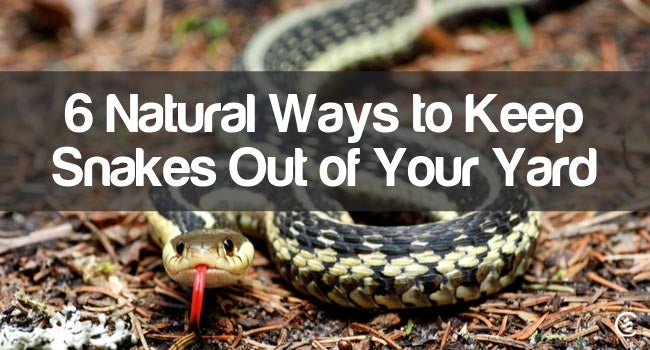
Image Source: cedarcide.com
How To Keep Snakes Out Of Your Yard Safely: Natural Deterrents & Prevention
Can you keep snakes out of your yard using natural methods? Yes, you can effectively deter snakes from your yard by focusing on eliminating their food sources and attractive habitats, and by employing natural repellents.
Snakes, whether they are the harmless garden variety or the venomous kind, can be a cause for concern for homeowners. The presence of snakes in our yards can evoke fear, anxiety, and a strong desire to reclaim our outdoor spaces. Fortunately, you don’t need harsh chemicals or extreme measures to manage snake populations. A proactive approach focused on home snake prevention and natural snake deterrents is both effective and environmentally friendly. This guide will delve into how to keep snakes out of your yard by addressing the root causes of their presence and introducing safe, natural solutions.
Eliminating Snake Habitat: The Foundation of Prevention
The most crucial step in snake proofing your yard is to make it an unattractive place for them to live and hunt. Snakes are primarily driven by two things: food and shelter. By removing these attractants, you significantly reduce the likelihood of encountering them.
The Importance of Rodent Control for Snakes
Snakes are opportunistic predators, and their diet consists mainly of rodents like mice and voles, as well as insects, birds, and other small creatures. Therefore, the most effective rodent control for snakes is to eliminate the rodents themselves.
- Seal Entry Points: Inspect your home and outbuildings for any gaps or holes that rodents can use to enter. Seal these with caulk, steel wool, or hardware cloth.
- Proper Food Storage: Store pet food and birdseed in rodent-proof containers. Clean up fallen birdseed regularly.
- Waste Management: Keep trash cans sealed tightly. Compost kitchen scraps only if you have a well-maintained compost bin that doesn’t attract rodents.
- Eliminate Water Sources: Fix leaky outdoor faucets and ensure there are no standing water sources in your yard.
Creating an Uninviting Environment: Shelters to Avoid
Snakes seek out dark, sheltered places to hide, rest, and ambush prey. Removing these hiding spots is a cornerstone of eliminating snake habitat.
- Yard Debris: Regularly clear away piles of leaves, grass clippings, brush, woodpiles, and rocks. These are prime real estate for snakes.
- Overgrown Vegetation: Keep your lawn mowed and trim back overgrown bushes and shrubs, especially those close to your house. Tall grass and dense foliage provide excellent cover.
- Rock Gardens and Mulch: While aesthetically pleasing, these can also offer shelter. Consider using gravel instead of mulch in areas where snakes might be a concern. If you use mulch, keep it to a minimum depth.
- Outdoor Structures: Inspect sheds, garages, decks, and patios for potential hiding places. Seal any cracks or openings. Store firewood off the ground and away from your home.
- Water Features: While some small water features are fine, large, stagnant ponds can attract both rodents and snakes. Ensure water features are well-maintained and don’t create damp, shadowy areas.
Natural Snake Deterrents: Gentle Yet Effective Repellents
Once you’ve made your yard less hospitable, you can further deter snakes with natural repellents. These substances work by disrupting their senses of smell or by creating an unpleasant environment. It’s important to note that while many natural deterrents are available, their effectiveness can vary, and they often require reapplication.
Scent-Based Deterrents
Snakes have a poor sense of smell, but they do rely on scent to find prey and navigate. Certain strong odors can be unpleasant for them.
- Essential Oils: Oils like cinnamon, clove, peppermint, and eucalyptus are often cited as natural snake deterrents. A common DIY approach involves mixing these oils with water and spraying them around the perimeter of your yard or in areas where you’ve seen snakes.
- Application Tips:
- Mix 10-15 drops of essential oil with a cup of water and a tablespoon of mild dish soap (to help the oil disperse).
- Spray generously around the foundation of your house, along fences, and near potential entry points.
- Reapply after rain or every few weeks during snake season.
- Application Tips:
- Garlic and Onion: The strong odor of garlic and onions can also be a deterrent. You can plant garlic and onions around your yard or create a spray using garlic powder or crushed onions mixed with water.
- Vinegar: White vinegar or apple cider vinegar can be sprayed around the yard’s perimeter. The strong scent can be off-putting to snakes. However, vinegar can also be harmful to plants, so use it with caution and avoid direct contact with vegetation.
Texture and Surface Deterrents
Some natural substances create an uncomfortable surface for snakes to cross.
- Diatomaceous Earth (Food Grade): This is a powdery substance made from fossilized algae. When used in its food-grade form, it’s generally safe for pets and humans. Diatomaceous earth has sharp edges at a microscopic level that can irritate a snake’s scales and skin, causing them to avoid areas treated with it.
- Application: Sprinkle a thin layer around the foundation of your home, along fences, and in any garden beds. Reapply after rain, as it loses its effectiveness when wet.
- Cinnamon: While often used for its scent, cinnamon can also be irritating to snake skin. Sprinkle cinnamon powder around your yard.
Plant-Based Deterrents
Certain plants are believed to naturally repel snakes. While scientific evidence for their complete effectiveness is sometimes limited, they can contribute to a less appealing snake environment.
- Marigolds: The scent of marigolds is thought to deter snakes. Planting them around your garden and home can be a good strategy.
- Garlic and Onions: As mentioned earlier, these can also be planted.
- Snakeroot (Crotalaria retusa): This plant is native to warmer regions and is sometimes called “rattlebox.” It’s known for its toxicity and is believed to repel snakes. However, it can also be toxic to livestock, so exercise caution.
- Mother-in-Law’s Tongue (Sansevieria trifasciata): This plant has sharp, sword-like leaves that can make it an unpleasant plant for a snake to navigate through.
Important Considerations for Natural Repellents
- Reapplication is Key: Natural deterrents degrade over time, especially with exposure to sun and rain. Consistent reapplication is crucial for maintaining their effectiveness.
- Combine Strategies: The best approach is often to combine multiple natural deterrents with habitat modification.
- Targeted Application: Focus your efforts on the perimeter of your property, around entry points to your home, and areas where you’ve previously encountered snakes.
Safe Snake Barriers: Physical Deterrents
Beyond repellents, physical barriers can also be very effective in snake proofing your yard. These are essentially fences designed to keep snakes out.
DIY Snake Exclusion and Safe Snake Barriers
- Hardware Cloth Fencing: This is one of the most effective safe snake barriers.
- Specifications: Use galvanized steel hardware cloth with a mesh size of 1/4 inch or less. This is small enough to prevent most snakes from squeezing through.
- Installation:
- The fence should be at least 3 feet high.
- Bury the bottom edge of the hardware cloth at least 6-8 inches into the ground to prevent snakes from burrowing underneath.
- Angle the top 6 inches of the fence outward at a 45-degree angle. This makes it difficult for snakes to climb over.
- Ensure there are no gaps or openings in the fence.
- Solid Fencing: Solid fencing like vinyl or wood can also be effective, but it must be properly installed.
- Height and Ground Clearance: Ensure it’s tall enough (at least 3 feet) and has no gaps at the bottom where snakes can enter.
- Maintenance: Regularly check for any damage or openings.
Garden Snake Control: Specific Yard Areas
When focusing on garden snake control, the principles remain the same: eliminate food and shelter.
- Raised Garden Beds: Consider using raised beds with solid sides that extend into the ground. This can create a barrier for burrowing snakes.
- Mulch Management: Use gravel or inorganic mulch around garden beds to make them less appealing to snakes.
- Watering Practices: Avoid overwatering your garden, which can create damp environments that attract amphibians and insects, which in turn attract snakes. Water in the morning so the soil can dry out during the day.
- Composting: If you compost, ensure your bin is well-maintained and away from frequently used areas.
When to Consider Professional Help
While natural methods are excellent for prevention and general deterrence, there are times when you might need to call in the experts.
- Venomous Snakes: If you have venomous snakes in your yard, your priority is safety. Do not attempt to handle them yourself. Contact a wildlife removal service or your local animal control.
- Persistent Problems: If you’ve implemented all the prevention strategies and are still experiencing a significant snake problem, a professional can help identify specific attractants or entry points you may have missed. They can also offer professional snake removal services.
- Large Infestations: For very large snake populations, professional intervention might be the most efficient and safest solution.
Frequently Asked Questions About Keeping Snakes Out of Your Yard
-
Q1: Will mothballs keep snakes away?
- A: While some people use mothballs, they are generally not recommended. Mothballs contain chemicals (naphthalene or paradichlorobenzene) that are toxic to humans, pets, and wildlife. Their effectiveness as a snake repellent is also questionable, and they can contaminate soil and water. Natural deterrents are a safer choice.
-
Q2: Are there any electronic devices that repel snakes?
- A: There are sonic or ultrasonic devices marketed to repel snakes. However, scientific evidence supporting their effectiveness is largely anecdotal and inconsistent. Snakes do not have external ears and are thought to detect vibrations through their jawbones, so the impact of these devices is debatable.
-
Q3: What should I do if I see a snake in my yard?
- A: The best course of action is to stay calm and give the snake plenty of space. Most snakes are harmless and will retreat if given the opportunity. Keep pets and children away from the area until the snake has moved on. If it’s a venomous snake or you feel unsafe, contact professional snake removal.
-
Q4: Can I trap snakes in my yard?
- A: Live trapping can be an option, but it requires careful consideration. You must ensure the trap is safe for non-target animals. Check local regulations regarding trapping and relocating wildlife. Often, relocation is not a long-term solution as other snakes may move into the vacated territory.
-
Q5: How can I make my yard less attractive to snakes in winter?
- A: Snakes hibernate in sheltered locations during colder months. Ensure you clear away potential hibernation spots like dense ground cover, woodpiles, and rodent burrows. Sealing up any cracks or openings in foundations and outbuildings is also crucial to prevent them from seeking refuge inside.
By adopting a comprehensive approach that combines eliminating snake habitat, employing natural snake deterrents, and installing safe snake barriers, you can significantly reduce the chances of snakes becoming unwanted visitors in your yard. Remember, consistent effort and an understanding of snake behavior are your best allies in home snake prevention and ensuring a safe outdoor environment for your family.