
What is the best way to keep deer away from my garden naturally and safely? The best approach involves a combination of strategies, focusing on creating a less inviting environment for deer and utilizing safe, natural deterrents.
Deer can be charming creatures, but for gardeners, they are often a source of frustration. These hungry herbivores have a particular fondness for tender, leafy vegetables, vibrant flowers, and young fruit trees. Protecting your precious plants from their nightly raids can feel like an uphill battle. Fortunately, you don’t need harsh chemicals or expensive, unsightly barriers to protect plants from deer. A well-planned strategy combining natural deer deterrents, smart planting choices, and effective deer proof garden techniques can significantly reduce damage and help you enjoy a thriving garden. This guide will walk you through various methods to keep deer from your garden, naturally and safely.
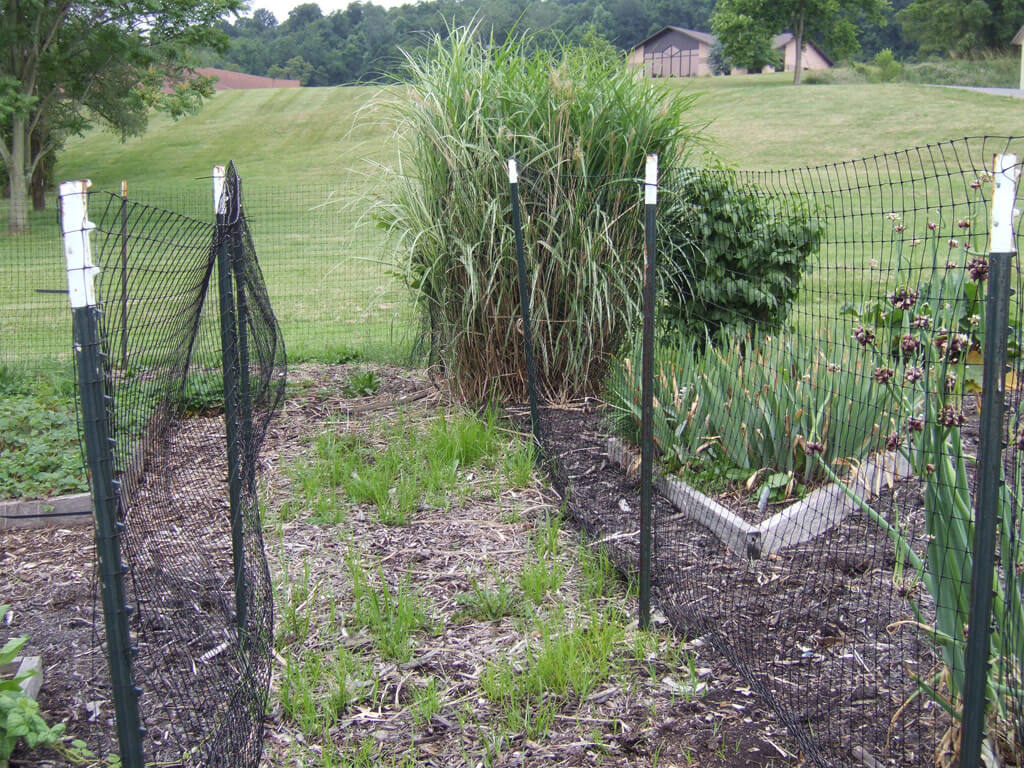
Image Source: cdn.shopify.com
Creating an Uninviting Environment: The First Line of Defense
Deer are creatures of habit and look for easy meals. By making your garden less appealing, you can significantly discourage them. This involves more than just planting. It’s about managing your landscape and creating subtle signals that tell deer this isn’t the place for them.
Site Selection and Garden Layout
The location of your garden plays a role. Deer prefer to feed in areas with cover nearby, allowing them to retreat quickly if startled.
- Proximity to Woods and Brush: If your garden is adjacent to wooded areas or thick brush, deer will feel more secure visiting. Consider placing your garden further from these natural hiding spots if possible.
- Visibility: Open, visible areas where deer feel exposed are less attractive. While you can’t always change your garden’s location, you can think about sightlines.
Garden Fencing for Deer: A Physical Barrier
While not strictly “natural” in terms of being a plant or scent, garden fencing for deer is one of the most effective ways to protect plants from deer. The key is choosing the right type of fencing and installing it correctly.
Types of Deer Fencing
- Height is Crucial: Deer can jump surprisingly high. For a single fence, aim for a minimum of 8 feet. This height deters most deer from attempting to leap over.
- Material Matters:
- Welded Wire Fencing: Durable and effective, especially when used in conjunction with other deterrents.
- Plastic Deer Netting: Lightweight and less expensive, but can be less durable and may require frequent repairs. It’s also less visually intrusive.
- Woven Wire Fencing: Strong and long-lasting, but can be more costly.
- Double Fencing: For serious deer pressure, consider a double-fence system. Two fences, spaced about 3-4 feet apart, are more effective. Deer tend to hesitate at the first fence, and the second fence acts as a further deterrent, making them less likely to attempt a leap.
- Angled Fencing: A 6-foot fence angled outwards at 30-45 degrees is another effective strategy. The outward angle makes it harder for deer to gauge the jump and land successfully. The outside of the fence should be supported by sturdy posts.
Deer Fencing Ideas for a Natural Look
- Natural Materials: Incorporate natural elements to soften the look of fencing. Plant climbing vines on wire fences or use wooden posts that blend with the landscape.
- Strategic Placement: Use fencing only where it’s most needed, around vulnerable beds or particularly tempting plants.
Natural Deer Deterrents: Scent and Taste Tactics
Deer rely heavily on their sense of smell and taste. Exploiting these senses with natural substances is a cornerstone of discouraging deer from garden activity.
Scent-Based Deterrents
Deer are sensitive to strong or unusual smells. These can signal danger or simply make an area unpleasant to be in.
- Strong-Smelling Soaps: Many gardeners swear by the effectiveness of strongly scented bar soaps.
- How to Use: Grate the soap and sprinkle it around the base of plants or tie small mesh bags filled with soap shavings onto branches. The rain can wash away the scent, so reapplication is often necessary, especially after wet weather. Brands with strong, musky scents like Irish Spring are often recommended.
- Garlic and Hot Pepper Sprays: The pungent aroma of garlic and the heat of peppers are natural repellents.
- Homemade Deer Repellent Recipe:
- Blend 1 whole bulb of garlic with 1 quart of water.
- Add 1-2 tablespoons of cayenne pepper or hot sauce.
- Let it steep for a day.
- Strain the mixture and add a few drops of mild liquid dish soap (acts as a surfactant to help the spray adhere to leaves).
- Pour into a spray bottle and apply to plants. Reapply weekly or after rain.
- Homemade Deer Repellent Recipe:
- Human Hair or Pet Fur: The scent of humans or predators can deter deer.
- How to Use: Scatter handfuls of human hair (from haircuts) or pet fur (dog or cat fur is best) around your garden beds. This requires frequent replenishment as the scent dissipates.
- Rotten Egg Spray: While unpleasant for humans too, the smell of rotten eggs is a strong deterrent for deer.
- Homemade Deer Repellent Recipe: Whisk 2-3 eggs with 1 quart of water. Add a tablespoon of corn oil (helps with adhesion) and spray on plants.
- Essential Oils: Certain essential oils have strong scents that deer dislike.
- Examples: Peppermint, rosemary, eucalyptus, and cedarwood oil.
- How to Use: Mix a few drops of essential oil with water and a little mild soap in a spray bottle. Apply to foliage. Be cautious with oils, as some can scorch leaves in direct sunlight if used in high concentrations. Test on a small area first.
- Commercial Deer Repellents: Many commercially available deer repellent products are based on these natural scents, often using ingredients like putrescent egg solids, predator urine (coyote or fox), or essential oils. Look for organic or EPA-approved options for safety.
Taste-Based Deterrents
These are substances that make plants taste unpleasant to deer.
- Bitter Sprays: Certain bitter substances can make plants unpalatable.
- How to Use: Diluted vinegar or citrus rinds can be used as mild deterrents. Some commercial products contain bittering agents.
- Ground Spices: Similar to scent deterrents, the taste of certain spices can discourage deer.
- How to Use: Sprinkle cinnamon or cayenne pepper around plants. This is less effective for foliage and better for ground application.
Planting Strategies: Deer-Resistant Choices
One of the most effective and aesthetically pleasing ways to protect plants from deer is to choose plants deer won’t eat. While no plant is truly deer-proof in areas of high deer population, some are much less appealing due to their texture, scent, or taste.
Understanding Deer Preferences
Deer tend to browse on young, tender growth, especially in the spring and fall. They often avoid plants that are:
- Fuzzy or Hairy: Plants with fuzzy leaves are generally less appealing.
- Thorny or Spiky: The natural defense mechanism of prickles and thorns can deter browsing.
- Aromatic: Plants with strong scents, like herbs, are often left alone.
- Leathery or Tough: Plants with tougher foliage are less desirable than soft, succulent leaves.
Lists of Deer-Resistant Plants
Here are some examples of plants that are generally considered deer-resistant. Remember that deer may resort to eating these if their preferred food sources are scarce.
Flowers
| Plant Name | Botanical Name | Characteristics |
|---|---|---|
| Bleeding Heart | Dicentra spectabilis | Poisonous if ingested, delicate heart-shaped flowers |
| Foxglove | Digitalis purpurea | Poisonous, tall spires of bell-shaped flowers |
| Lavender | Lavandula | Highly aromatic foliage, small flowers |
| Peony | Paeonia | Large, showy flowers, can be slightly toxic to deer |
| Coneflower | Echinacea | Coarse foliage, typically avoided |
| Bee Balm | Monarda | Aromatic foliage, tubular flowers |
| Salvia | Salvia | Aromatic foliage, often fuzzy |
| Yarrow | Achillea | Fern-like, aromatic foliage |
| Astilbe | Astilbe | Feathery plumes, deer generally ignore |
| Columbine | Aquilegia | Delicate flowers, foliage can be somewhat unappealing |
Herbs
Most herbs with strong aromas are usually safe from deer.
- Mint (Mentha spp.)
- Rosemary (Rosmarinus officinalis)
- Thyme (Thymus spp.)
- Sage (Salvia officinalis)
- Oregano (Origanum vulgare)
- Lavender (Lavandula spp.)
Vegetables
While fewer vegetables are completely deer-proof, some are less favored.
- Asparagus (Asparagus officinalis)
- Rhubarb (Rheum rhabarbarum) – Toxic to deer
- Tomatoes (Solanum lycopersicum) – Leaves are toxic to deer, but they might nibble the fruit.
- Onions and Garlic (Allium spp.) – Strong scent is a deterrent.
- Peppers (Capsicum annuum) – Deer dislike the spiciness.
Shrubs and Trees
- Boxwood (Buxus spp.)
- Forsythia (Forsythia spp.)
- Lilac (Syringa spp.)
- Holly (Ilex spp.)
- Azalea and Rhododendron (Rhododendron spp.) – Toxic to deer
- Barberry (Berberis spp.) – Thorny
- Spirea (Spiraea spp.)
- Blue Spruce (Picea pungens)
- Magnolia (Magnolia spp.)
Companion Planting
Some plants can act as natural deterrents when planted alongside more vulnerable crops.
- Marigolds: Their strong scent is thought to repel deer, as well as other pests.
- Garlic and Onions: As mentioned, their pungent odor is effective.
- Herbs: Planting rows of rosemary, thyme, or sage along the edges of your garden beds can create a scented barrier.
Other Natural and Safe Deterrent Methods
Beyond scent and planting choices, other natural deer deterrents can be employed.
Motion-Activated Sprinklers
These devices detect movement and emit a sudden burst of water, startling deer and sending them away. They are a humane and effective way of discouraging deer from garden entry.
- How they work: Typically triggered by a motion sensor, they provide a surprising but harmless deterrent.
- Placement: Position them strategically to cover entry points or areas where deer frequently appear.
- Considerations: Ensure they don’t spray onto neighbors’ property and be mindful of water usage.
Noise and Visual Deterrents
While less consistently effective than scent or physical barriers, these can sometimes work, especially when rotated to prevent deer from becoming accustomed to them.
- Aluminum Foil Strips: Shiny, crinkly foil can startle deer. Hang strips on stakes or tie them to plants.
- Wind Chimes or Tin Cans: Sudden noises can scare deer. Tie cans or chimes to branches so they move and make noise in the wind.
- Scarecrows or Reflective Objects: Flashing lights or moving objects can sometimes deter deer, but they often get used to stationary objects.
Predator Urine
The scent of natural predators like coyotes or foxes can make deer feel unsafe.
- Commercial Products: Available as granular or liquid sprays.
- How to Use: Apply around the perimeter of your garden or directly on plants. Reapply as directed, especially after rain.
The Best Deer Repellent Strategy: Combining Approaches
Often, the best deer repellent is not a single product or method, but a combination. This multi-pronged approach makes your garden truly uninviting.
Why Combination is Key
Deer are intelligent and adaptable. If they find one deterrent ineffective or become accustomed to it, they will continue to feed. By using multiple methods, you:
- Increase Effectiveness: Different deterrents work on different senses, creating a more robust barrier.
- Prevent Habituation: Regularly switching up your deterrents (e.g., changing the type of homemade spray or the location of scent bags) keeps deer guessing and less likely to become desensitized.
- Provide Layers of Protection: A physical fence might stop some, while a strong scent deters others, and resistant plants are a last resort.
Developing Your Deer Proof Garden Plan
- Assess Your Deer Pressure: How many deer do you have in your area? How aggressive are they? High-pressure areas will require more robust solutions.
- Identify Vulnerable Plants: Which of your plants are most attractive to deer? Focus your deterrent efforts here first.
- Choose Your Core Strategy: Will it be fencing, scent-based repellents, or a combination of both?
- Select Natural Deterrents: Select a few different scent or taste deterrents that you can rotate.
- Incorporate Deer-Resistant Plants: Gradually replace highly palatable plants with more resistant varieties.
- Maintain and Adapt: Regularly reapply deterrents, check fences for damage, and observe deer behavior to adjust your strategy as needed.
Frequently Asked Questions (FAQ)
Q1: How tall does a deer fence need to be?
A: For a single fence, it should be at least 8 feet tall. Deer can jump surprisingly high, so this height is necessary to deter most of them.
Q2: Are there any plants that deer will absolutely never eat?
A: While no plant is entirely deer-proof in areas of high deer population and scarcity of food, many plants are highly deer-resistant due to their texture, scent, or toxicity. Examples include lavender, rosemary, foxglove, and barberry.
Q3: How often do I need to reapply homemade deer repellent?
A: Homemade deer repellents, especially sprays, typically need to be reapplied every 7-14 days, and more often after rain or heavy dew, as the scent washes away.
Q4: Can I use my dog’s fur as a deer repellent?
A: Yes, the scent of predators like dogs can deter deer. Scattering dog fur around your garden beds is a common natural method, though it needs frequent replenishment.
Q5: What is the best time of year to protect my garden from deer?
A: Deer are often most problematic during spring and fall when new growth is abundant and food sources may be diminishing. However, they can be a problem year-round, especially in urban or suburban areas.
By employing these natural and safe methods, you can create a garden that is less appealing to deer, thereby protecting your plants and enjoying the beauty of your hard work. Consistency and a layered approach are your best allies in the ongoing effort to discourage deer from your garden.