
Do you love your garden but find yourself battling with neighbourhood cats who see it as their personal litter box or playground? Keeping cats out of garden spaces safely and naturally is a common concern for many gardeners. Fortunately, there are numerous effective methods to achieve this without causing harm to our feline friends.
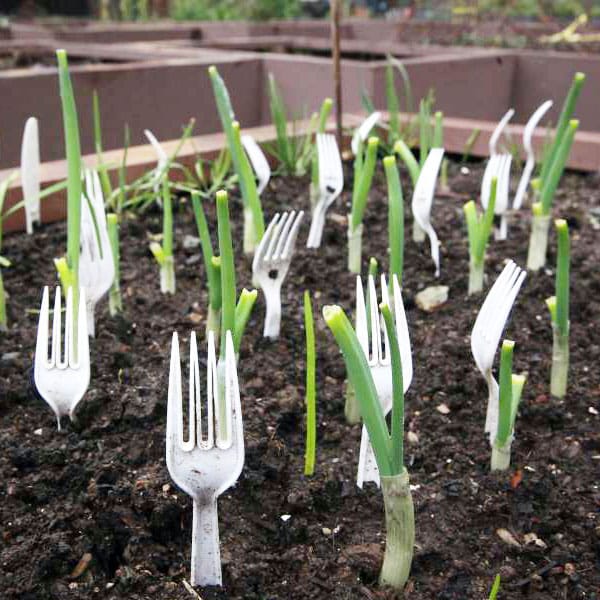
Image Source: brownthumbmama.com
Why Cats Love Gardens
Cats are drawn to gardens for a variety of reasons. The soft, loose soil is ideal for burying their waste, making your flower beds and vegetable patches an irresistible target. Gardens also offer a rich tapestry of scents and textures that stimulate their senses. Furthermore, a garden can be a fantastic hunting ground for small prey like mice and birds, appealing to a cat’s natural instincts. For many cats, a garden provides a safe and quiet place to rest and observe their surroundings, undisturbed by human activity.
Natural Deterrents: Harnessing Nature’s Power
One of the most effective ways to deter cats is by using natural scents and textures that they find unpleasant. These methods are safe for cats, children, and the environment, offering a humane approach to cat proofing your garden.
Scent-Based Deterrents
Cats have a highly developed sense of smell, and certain aromas are particularly offensive to them.
- Citrus Peels: Cats generally dislike the smell of citrus fruits. Scatter fresh orange, lemon, lime, or grapefruit peels around your garden beds, especially near plants you want to protect. This is a simple and effective natural cat repellent for garden use. Replace the peels regularly as they dry out.
- Coffee Grounds: Used coffee grounds have a strong aroma that many cats find off-putting. Sprinkle them around plants and pathways. They also act as a natural fertilizer, which is a bonus for your garden.
- Vinegar: The strong smell of vinegar can also deter cats. Soak rags in white vinegar and place them around the perimeter of your garden or in problem areas. Be cautious, however, as undiluted vinegar can harm plants. Dilute it with water or place it in containers that won’t directly touch the soil.
- Essential Oils: Certain essential oils are known to repel cats. Lavender, rosemary, citronella, eucalyptus, and peppermint oils can be effective. Mix a few drops of your chosen oil with water in a spray bottle and mist the affected areas. Reapply after rain. Ensure you use high-quality, pet-safe essential oils and avoid direct contact with cats.
- Herbs: Planting certain aromatic herbs can create a natural barrier. Cats tend to avoid plants like rue, pennyroyal, lavender, and rosemary. Consider planting these around the edges of your garden or near vulnerable plants.
Texture-Based Deterrents
Cats prefer soft surfaces for digging and resting. By introducing unpleasant textures, you can make your garden less appealing.
- Pine Cones and Prickly Mulch: Scatter pine cones, prickly mulch (like shredded bark or wood chips), or even gravel around your plants, particularly in areas where you are preventing cats from digging. The rough textures make it uncomfortable for cats to walk or dig in these spots.
- Chicken Wire or Netting: Lay chicken wire or plastic netting on the soil surface, especially in vegetable patches or flower beds. You can slightly bury it so it’s not unsightly. Cats dislike walking on these materials and will often seek softer ground. This is a great way to keep cats out of flower beds.
- Eggshells: Crushed eggshells create a sharp, uncomfortable surface for cats. Sprinkle them around your plants. This is a simple homemade cat repellent that also adds calcium to your soil.
Physical Barriers: Creating an Uninviting Space
Physical barriers can be very effective in preventing cats from entering your garden or specific areas within it.
Fencing and Borders
- Solid Fencing: A solid fence can be a deterrent, but cats are agile climbers. Ensure your fence is at least 6 feet high and consider adding a downward-facing angled section at the top to make climbing more difficult.
- Specialized Cat Fencing: There are specific types of cat-proof fencing available that are designed with rollers or angled tops to prevent cats from gaining purchase and climbing over. These are excellent for cat proofing your garden effectively.
Garden Bed Protection
- Row Covers and Netting: For vegetable gardens or delicate plants, row covers or fine netting can provide a physical barrier, preventing cats from accessing the soil and plants. Ensure these are secured well to the ground.
- Plant Guards: You can purchase or create plant guards that surround individual plants, making them less accessible and deterring digging or scratching. These are excellent safe cat deterrents for plants.
Motion-Activated Deterrents: Startling, Not Harming
Motion-activated devices can startle cats when they enter a protected area, teaching them to avoid your garden. These are considered humane cat deterrents as they rely on a brief, harmless surprise.
- Motion-Activated Sprinklers: These devices detect movement and release a short burst of water. Most cats dislike being sprayed with water and will quickly learn to avoid the area. This is a very effective garden cat repellent.
- Ultrasonic Devices: These emit high-frequency sound waves that are inaudible to humans but irritating to cats. When a cat enters the device’s range, it activates the sound. While some people find these effective, others report that cats can become accustomed to the sound over time.
Companion Planting: Using Other Plants to Your Advantage
Some plants naturally repel cats. Incorporating these into your garden design can help create a natural deterrent.
- Coleus Canina (Scaredy Cat Plant): This plant is specifically known for its ability to deter cats due to its strong, unpleasant odor.
- Rue: This herb has a pungent scent that many cats find objectionable.
- Pennyroyal: While effective as a repellent, pennyroyal can be toxic if ingested by pets, so use with caution and consider planting it in areas where cats are less likely to nibble.
Water: The Universal Cat Deterrent
While not a long-term solution on its own, water can be a very effective immediate deterrent.
- Gentle Spraying: If you see a cat in your garden, a gentle spray from a water bottle can often startle it and encourage it to leave. Avoid aggressive spraying that could frighten or injure the animal.
- Water Features: Some gardeners find that strategically placed water features can deter cats, as they might be wary of getting wet.
Commercial Cat Repellents: When Nature Needs a Little Help
If natural methods aren’t fully successful, there are several commercial cat repellent for garden options available. Look for products that are specifically designed for deterring cats from garden areas and that are formulated with natural ingredients like essential oils or predator urine.
- Granular Repellents: These are typically made from natural substances like castor bean oil or predator urine. Sprinkle them around your garden beds as directed.
- Spray Repellents: Many commercial sprays utilize a blend of essential oils and other natural ingredients to create an unpleasant scent for cats.
When choosing a commercial repellent, always read the label carefully to ensure it is safe for your plants, children, and other pets. Always follow the manufacturer’s instructions for application and reapplication.
Creating an Unappealing Environment: Making Your Garden Less Attractive
Beyond specific deterrents, you can also make your garden less appealing to cats by altering its general environment.
Eliminate Attractants
- Secure Trash Cans: Ensure your trash cans are tightly sealed to prevent the alluring smells of food waste from attracting cats.
- Clean Up Spills: If you feed birds or other wildlife, clean up any spilled food promptly, as this can also attract cats.
- Address Moisture Issues: Cats may seek out damp, cool areas to rest. Fixing leaky faucets or ensuring good drainage can help.
Provide Alternative Destinations
Sometimes, the best way to keep cats out of your garden is to provide them with a more appealing alternative.
- Designated “Cat Garden”: If you have the space, consider creating a small area with soft soil, sand, or catnip specifically for neighbourhood cats. This might redirect their attention away from your prized petunias.
- Outdoor Cat Furniture: Offering comfortable, cat-friendly resting spots in other areas of your yard might make your garden less desirable.
Common Questions About Cat Deterrents
Here are some frequently asked questions regarding keeping cats out of gardens.
What is the most effective humane cat deterrent?
The effectiveness of any deterrent can vary depending on the individual cat. However, motion-activated sprinklers are often considered highly effective as they provide an immediate, harmless surprise that cats learn to avoid. Scent-based deterrents using citrus peels or essential oils are also popular and generally humane.
Can I use coffee grounds to deter cats?
Yes, used coffee grounds are a safe and natural way to deter cats. Their strong smell is unpleasant to them, and they can also benefit your soil.
Are ultrasonic cat repellent devices safe?
Ultrasonic devices are generally considered safe for cats, humans, and other animals as they use high-frequency sound waves. However, their long-term effectiveness can be inconsistent, as some cats may get used to the sound.
How can I keep cats out of my vegetable garden?
To keep cats out of your vegetable garden, you can use a combination of methods. Physical barriers like netting or chicken wire are very effective. Scattering prickly mulch, pine cones, or crushed eggshells around the plants can also deter digging. Scent-based deterrents like citrus peels or coffee grounds can also be used.
What plants do cats dislike the smell of?
Cats generally dislike the smell of rue, lavender, rosemary, pennyroyal, and Coleus Canina (Scaredy Cat Plant). Planting these around the perimeter of your garden can help create a natural deterrent.
How often do I need to reapply natural cat repellents?
Natural repellents, especially scent-based ones, need to be reapplied regularly. Citrus peels should be replaced as they dry out, and essential oil sprays will need reapplication after rain or every few days, depending on the strength of the mixture and weather conditions.
Conclusion: A Gentle Approach for a Peaceful Garden
Keeping cats out of your garden doesn’t have to involve harsh chemicals or methods that could harm the animals. By employing a variety of natural deterrents, physical barriers, and environmental modifications, you can create a garden that is unappealing to cats while remaining a safe and beautiful space for you to enjoy. Experiment with different methods to find what works best for your specific situation and enjoy a cat-free, flourishing garden!