
Deer can be beautiful to watch, but they can also be a gardener’s worst nightmare, munching on your prize-winning vegetables and delicate flowers. So, how do you keep deer away from your garden safely? The best approach involves a combination of methods, including using effective deer repellent sprays, planting deer resistant plants, installing physical barriers like deer fencing, and employing scare tactics.
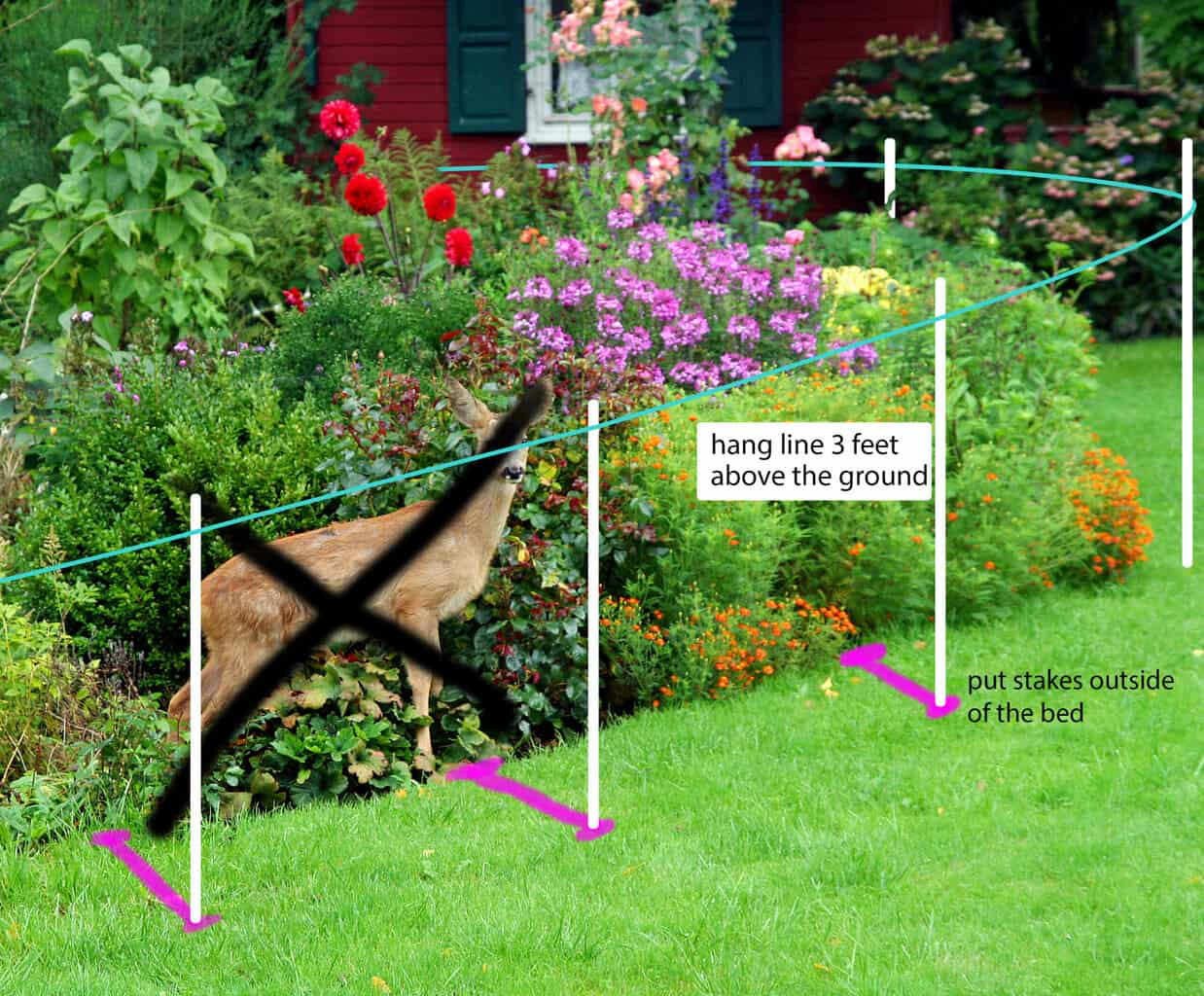
Image Source: www.tyrantfarms.com
Why Do Deer Visit Gardens?
Deer are drawn to gardens for several reasons, primarily food and water. Your carefully cultivated plants often provide a readily available buffet for them. Gardens offer a concentrated source of tender leaves, juicy fruits, and sweet vegetables that deer find irresistible. Especially in areas where natural food sources are scarce, like urban or suburban neighborhoods with less wild space, gardens become a prime target. The presence of water sources nearby, such as ponds or even bird baths, can also attract deer. Furthermore, the general safety and reduced predation risk in human-populated areas can make gardens an appealing place for deer to forage.
The Diet of a Deer
Understanding what deer like to eat is key to protecting your garden. Deer are herbivores with a varied diet that changes with the seasons.
- Spring: Tender new shoots, buds, and flowering plants are highly sought after. This is when your tulips, hostas, and young vegetable seedlings are most vulnerable.
- Summer: Deer continue to enjoy leafy greens, vegetables like beans, peas, and tomatoes, as well as fruits such as berries and apples.
- Autumn: They focus on nutrient-rich foods like acorns, fruits, and remaining garden crops. They are also building up fat reserves for winter.
- Winter: When natural food is scarce, deer will eat bark, twigs, evergreen needles, and any remaining hardy vegetation.
When Are Deer Most Active?
Deer are crepuscular, meaning they are most active during dawn and dusk. This is when they feel safest to venture out and feed. However, they will feed at other times of the day if they feel unthreatened or are particularly hungry. This means your garden could be at risk during these peak feeding times.
Effective Strategies for Deer Deterrence
Keeping deer out of your garden requires a multi-pronged approach. Relying on a single method is rarely sufficient. Combining various deterrents creates a layered defense that is more likely to succeed.
1. Physical Barriers: The Power of Fencing
One of the most reliable ways to keep deer out is through physical barriers.
Deer Fencing: A Robust Solution
Properly installed deer fencing is highly effective. The key is height and often, an outward slant.
- Height is Crucial: Deer can jump quite high, so fences need to be at least 8 feet tall to prevent them from leaping over.
- Double Fencing: For extreme protection, some gardeners use two fences, one about 3 feet high and another 5 feet away, also 8 feet high. Deer are hesitant to jump into an enclosed space without a clear escape route.
- Slanted Fencing: A fence slanted outwards at a 45-degree angle can also deter deer, as it makes their jump awkward and less likely to succeed.
- Material Matters: Woven wire, mesh, or sturdy plastic netting can be used. Ensure the mesh is small enough to prevent fawns from getting stuck.
- Gates: Ensure any gates are also tall and sturdy, and kept closed.
Other Physical Deterrents
While not as robust as fencing, other physical barriers can offer some protection:
- Netting: Lightweight netting can be draped over individual plants or small garden beds. This is a good option for protecting specific plants from browsing.
- Row Covers: Fabric row covers can protect young seedlings from early-season browsing.
2. Deer Repellent Sprays: The Scent and Taste Offensive
Deer have a keen sense of smell and are often deterred by strong or unpleasant odors and tastes. Many commercial and homemade deer repellent options work on this principle.
Commercial Deer Repellents
These products often contain ingredients that deer find offensive.
- Rotten Egg/Putrescent Egg Solids: The smell of decaying eggs is very off-putting to deer. These are often sold as liquid sprays or granules.
- Predator Urine: Urine from natural deer predators like coyotes or wolves can signal danger and make deer avoid the area.
- Essential Oils: Some repellents use strong-smelling essential oils such as peppermint, rosemary, or cedar.
- Thiram: A fungicide that also acts as a deer repellent by imparting an unpleasant taste.
Important Considerations for Commercial Repellents:
- Reapplication is Key: Repellents wash off in rain and break down over time, so regular reapplication is crucial, especially after rainfall or heavy dew.
- Targeted Application: Spray liberally on plants, especially the lower leaves and stems, and around the perimeter of the garden. Avoid spraying directly on edible parts of vegetables and fruits close to harvest.
- Rotate Repellents: Deer can become accustomed to a single repellent. Rotating between different types of repellents can increase their effectiveness.
Homemade Deer Repellent Recipes
You can create effective homemade deer repellent using common household ingredients. These are often more cost-effective and can be a good option for those who prefer natural solutions.
Cayenne Pepper Deer Repellent
The capsaicin in chili peppers is irritating to deer.
- Recipe:
- 1 tablespoon cayenne pepper powder
- 1 quart of water
- 1 teaspoon liquid dish soap (acts as a surfactant to help it stick)
- Instructions: Mix all ingredients in a spray bottle. Shake well before each use. Spray generously on plants. Be cautious not to inhale the spray.
Garlic Deer Repellent
The strong odor of garlic is a powerful deterrent.
- Recipe:
- 2-3 bulbs of garlic, minced or pureed
- 1 quart of water
- 1 teaspoon liquid dish soap
- Instructions: Blend garlic with a little water, then add the remaining water and dish soap. Let it steep for at least 24 hours, then strain through cheesecloth or a fine sieve. Pour into a spray bottle and apply to plants.
Soap Deer Repellent
Certain soaps, particularly those with strong, distinct scents like Irish Spring, can deter deer.
- Method 1 (Sprinkle): Shave or grate bars of strongly scented soap (e.g., Irish Spring) and sprinkle the shavings around the base of plants or hang sachets of shavings from branches.
- Method 2 (Spray): Dissolve grated soap in water and use as a spray.
- 1 bar of strongly scented soap, grated
- 1 quart of hot water
- 1 teaspoon vegetable oil (optional, helps it adhere)
- Instructions: Dissolve the grated soap in hot water. Once cooled, add oil if using. Pour into a spray bottle and apply to plants.
Safety Note for Homemade Repellents: Always test any homemade spray on a small part of a plant first to ensure it doesn’t cause damage before applying it broadly.
3. Planting Deer Resistant Plants
Choosing plants that deer are less likely to eat is a proactive and sustainable way to protect your garden. While no plant is truly “deer-proof,” some are significantly more resistant due to their texture, scent, or taste.
Categories of Deer Resistant Plants
Deer typically avoid plants that are:
- Strongly Scented: Plants with aromatic foliage often deter deer.
- Fuzzy or Prickly: Plants with hairy leaves, thorns, or spiny textures are generally unappetizing.
- Toxic: Some plants are naturally poisonous to deer.
- Leathery or Woody: Deer often prefer tender, succulent growth.
Examples of Deer Resistant Plants
Here are some examples across different categories:
| Category | Plant Examples | Description |
|---|---|---|
| Aromatic Herbs | Lavender, Rosemary, Sage, Thyme, Mint, Bee Balm (Monarda), Catmint (Nepeta) | Their strong fragrances are off-putting to deer. |
| Fuzzy/Textured | Lamb’s Ear (Stachys byzantina), Yarrow (Achillea), Russian Sage (Perovskia atriplicifolia), Coreopsis | Hairy or rough textures make them less appealing for browsing. |
| Prickly | Barberry, Holly, Roses (though buds and flowers can still be eaten), Columbine (Aquilegia), Bleeding Heart | Thorns and sharp edges deter casual nibbling. |
| Foliage Plants | Ferns, Ornamental Grasses, Hellebores (Lenten Rose), Bleeding Heart, Astilbe, Iris, Peonies (foliage) | Deer often bypass these in favor of softer plants. |
| Bulbs | Daffodils (Narcissus), Alliums (Ornamental Onions), Hyacinths, Snowdrops (Galanthus) | Many bulbs are toxic or have an unpleasant taste. Plant them in clusters for best effect. |
| Vegetables | Asparagus, Rhubarb, Potatoes, Onions, Garlic, Tomatoes (foliage), Squash, Corn, most herbs | While they will eat some, these are generally less preferred than leafy greens or flowers. |
Pro Tip: When planting, consider creating a “deer buffet” around the perimeter of your garden with less desirable plants to draw deer away from your prize specimens.
4. Scare Tactics: Visual and Auditory Deterrents
Deer are naturally cautious creatures and can be scared away by sudden movements, noises, or perceived threats.
Visual Deterrents
- Plastic Owl Deer Deterrent / Decoys: While a plastic owl deer deterrent might offer temporary relief, deer are smart and will quickly realize it’s not a real threat. Moving the decoy frequently or pairing it with other deterrents can increase its effectiveness. Other animal decoys like fake snakes or large dogs can also be used.
- Shiny Objects: Strips of aluminum foil, old CDs, or reflective tape hung from branches can catch the light and startle deer.
- Wind Chimes/Spinners: Sudden noises and movements from wind chimes or spinners can make deer nervous.
Auditory Deterrents
- Motion-Activated Sprinklers: A motion activated sprinkler deer deterrent is a very effective and humane way to scare deer. When deer enter the protected area, the sprinkler detects their movement and emits a sudden burst of water, startling them and sending them running. These work best when they are a surprise.
- Ultrasonic Devices: These devices emit high-frequency sounds that are unpleasant to deer but inaudible to humans. Their effectiveness can vary, and deer may get used to them over time.
- Radios: Leaving a radio on in the garden, especially tuned to talk stations, can create a sense of human presence and deter deer.
5. Biological and Cultural Control
These methods focus on altering the environment or using natural processes to deter deer.
- Habitat Modification: Reducing dense brush near your garden can make deer feel less secure. Keeping the grass mowed in surrounding areas also helps.
- Companion Planting: Some plants are thought to repel deer when planted near more desirable species. For example, planting marigolds around vegetable beds is a common practice.
Combining Methods for Maximum Impact
The most successful deer control strategies involve layering multiple deterrents. For instance:
- Fence your entire garden with an 8-foot deer fence.
- Plant deer-resistant plants as a border around your more vulnerable flowers and vegetables.
- Apply a rotating schedule of deer repellent sprays (both commercial and homemade) to the perimeter and on plants that are still being nibbled.
- Install a motion-activated sprinkler in a key area or near a common entry point.
- Place a few shiny objects or wind chimes on the edges of the garden.
By using a combination of these methods, you create a strong deterrent effect that makes your garden a less appealing and more hazardous place for deer.
Example Garden Protection Plan
Let’s say you have a vegetable garden and a flower border.
Vegetable Garden:
- Primary Defense: 8-foot deer fencing around the entire perimeter.
- Secondary Defense: Regular application of a garlic deer repellent or a cayenne pepper deer repellent on the inside of the fence and on the lower leaves of plants, especially before periods of high deer activity.
- Supplemental: If you notice deer are still trying to reach over the fence, consider adding a strand of electric wire about 2 feet from the top, angled outwards.
Flower Border:
- Primary Defense: A mix of deer resistant plants like lavender, rosemary, hostas (though deer do eat hostas, some varieties are more resistant than others), and daffodils.
- Secondary Defense: Spraying with a soap deer repellent or a commercial repellent containing rotten egg solids.
- Supplemental: Place a plastic owl deer deterrent in the flower bed and move it every few days, or use a motion activated sprinkler deer deterrent at one end of the border.
Frequently Asked Questions (FAQ)
Q1: How tall does a deer fence need to be?
A1: For most deer species, a fence needs to be at least 8 feet tall to effectively prevent them from jumping over.
Q2: Are there any plants that deer absolutely will not eat?
A2: While no plant is 100% deer-proof, some are highly resistant. Deer typically avoid plants that are toxic, have strong scents, or have prickly/fuzzy textures. However, in areas with high deer populations and limited food, they may resort to eating almost anything.
Q3: How often do I need to reapply deer repellent?
A3: Deer repellents need to be reapplied regularly. Typically, this means every few weeks, and always after rainfall or heavy dew, as these can wash the repellent off the plants.
Q4: Can I train deer to stay out of my garden?
A4: While you can’t “train” deer in the traditional sense, consistent and varied deterrents will teach them to associate your garden with unpleasant experiences, making them avoid it.
Q5: Is a motion-activated sprinkler a safe way to deter deer?
A5: Yes, a motion activated sprinkler deer deterrent is considered a safe and humane method. It simply startles the deer with a burst of water, encouraging them to flee without causing them harm.
Q6: What is the best homemade deer repellent?
A6: The effectiveness of homemade repellents can vary depending on the deer and your specific environment. However, recipes using garlic, cayenne pepper deer repellent, and strongly scented soaps are generally considered effective. It’s often best to try a few different types to see what works best for you.
By implementing these strategies, you can significantly reduce deer damage and enjoy a more bountiful and beautiful garden. Remember, persistence and variety are key to successful deer deterrence.