
Can you permanently get rid of stickers in your yard? Yes, with consistent effort and the right strategies, you can significantly reduce and, over time, eliminate stickers from your lawn. This guide will walk you through effective methods for weed removal, focusing on sticker varieties and offering comprehensive yard maintenance advice.
Stickers in the yard can be a major nuisance. These prickly plants, often characterized by their seed heads that cling to clothing, pets, and lawnmowers, can make spending time outdoors less enjoyable. Dealing with sticker weeds requires a multi-faceted approach, combining preventative measures with targeted removal techniques. This detailed guide will equip you with the knowledge to tackle these persistent plants and maintain a beautiful, sticker-free lawn.
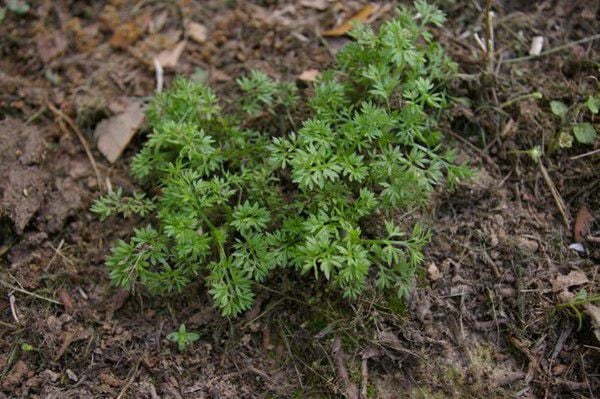
Image Source: bloximages.newyork1.vip.townnews.com
Identifying Your Sticker Weeds
Before you can effectively tackle sticker weeds, you need to know what you’re dealing with. Several common culprits can infest your lawn. Proper identification is the first step in effective weed removal.
Common Sticker Weeds
- Sandbur (Cenchrus spp.): Known for its spiny burrs that readily attach to anything that brushes past them. Sandbur is a grass that thrives in sandy, well-drained soils and often appears in late spring and summer.
- Bursage (Ambrosia spp.): While not all bursage species have prominent stickers, some, like common ragweed, produce pollen that causes allergies and have small, hooked seed heads.
- Marestail (Conyza canadensis): This tall weed can have a hairy stem and produces numerous small seeds, some of which can have a slightly sticky or irritating quality.
- Thistle (Cirsium spp. and Carduus spp.): Thistles are notoriously prickly, with sharp spines along their leaves and stems, and often produce fuzzy seed heads that can disperse easily. Thistle removal is a common challenge for many homeowners.
- Dandelion (Taraxacum officinale): While primarily known for its fluffy seed heads, young dandelion plants can have slightly sticky sap. Effective dandelion control is crucial for overall lawn health.
Knowing the specific type of sticker weed you are battling will help you choose the most effective weed killer or natural weed control method.
Strategies for Sticker Removal
Effective sticker removal involves a combination of methods, from manual pulling to chemical treatments and preventative care. A robust lawn care plan is key to keeping these unwelcome guests at bay.
Manual Removal Techniques
Manual weed removal is often the most satisfying and environmentally friendly approach, especially for smaller infestations.
Pulling Weeds by Hand
- Timing is Everything: The best time to pull sticker weeds is when the soil is moist, typically after rain or watering. This makes it easier to remove the entire plant, including the root system, which is crucial for preventing regrowth.
- Get the Roots: Ensure you grasp the weed at its base and pull steadily. If the root breaks off, the plant can often regrow. For tougher weeds like thistle removal, a trowel or weed-pulling tool can help loosen the soil around the roots.
- Protective Gear: Always wear thick gloves when handling sticker weeds to avoid their sharp spines.
Using Tools for Stubborn Weeds
- Dandelion Weeder: These tools are designed to reach deep into the soil and extract taproots, making them effective for dandelions and similar tap-rooted sticker weeds.
- Garden Fork or Trowel: For larger or more deeply rooted weeds, a garden fork or trowel can help loosen the soil around the base, making it easier to pull the entire plant.
Chemical Weed Control Options
When manual removal isn’t enough, chemical weed control can be a powerful tool. Choosing the right weed killer is important for targeting specific weeds without harming your lawn.
Pre-emergent Herbicides
Pre-emergent herbicides are applied to the soil before weed seeds germinate. They create a barrier that prevents new weed seedlings from establishing.
- How They Work: These herbicides disrupt the cell division of germinating seeds.
- Best Use Cases: Effective for preventing annual sticker weeds like sandbur from sprouting in the spring.
- Application Timing: Apply in early spring, before soil temperatures consistently reach the point where weed seeds typically germinate. Follow product instructions carefully for optimal timing.
Post-emergent Herbicides
Post-emergent herbicides are applied directly to actively growing weeds. They are designed to kill existing weeds.
- Selective vs. Non-selective:
- Selective Herbicides: Target specific types of weeds (e.g., broadleaf weeds) while leaving desirable grasses unharmed. This is ideal for lawn care.
- Non-selective Herbicides: Kill all plants they come into contact with. Use these with extreme caution, only on bare patches or areas where you want complete vegetation removal.
- Targeting Sticker Weeds: Many common broadleaf weeds that produce stickers can be controlled with broadleaf herbicides. For grassy sticker weeds like sandbur, a grass-specific herbicide might be necessary.
- Application: Apply directly to the foliage of actively growing weeds. The weed must be actively growing for the herbicide to be absorbed effectively.
- Important Considerations: Always read and follow the label instructions meticulously. This includes wearing appropriate protective gear, applying at the correct temperature, and ensuring it’s safe for your specific lawn type.
Natural Weed Control Methods
For those seeking a more environmentally friendly approach, several natural weed control methods can be effective. These methods are excellent additions to your gardening tips arsenal.
Vinegar-Based Weed Killers
Horticultural vinegar (acetic acid) can be effective as a contact killer for young weeds.
- How It Works: The acid burns the foliage of the plant.
- Effectiveness: Best on young, actively growing weeds. It may not kill the root system of mature or perennial weeds, leading to regrowth.
- Application: Spray directly onto the weeds on a sunny day. Be cautious as it can also damage desirable grass.
Boiling Water
A simple yet effective method for spot treatment.
- How It Works: The extreme heat destroys plant tissue.
- Effectiveness: Good for small areas or cracks in pavement. It will kill any plant it touches.
- Application: Carefully pour boiling water directly onto the weeds.
Corn Gluten Meal
This is a pre-emergent option that also acts as a natural fertilizer.
- How It Works: It inhibits root formation in germinating seeds.
- Effectiveness: Best applied in early spring before weed seeds sprout. It’s most effective against annual weeds.
- Application: Spread evenly over the lawn. It’s important to apply it at the right time, as it won’t affect established weeds.
Mulching
Proper mulching can suppress weed growth in garden beds.
- How It Works: A thick layer of mulch blocks sunlight, preventing weed seeds from germinating.
- Effectiveness: Highly effective in garden areas.
- Application: Apply a 2-3 inch layer of organic mulch around plants.
Long-Term Lawn Care and Prevention
Permanent sticker removal isn’t just about killing existing weeds; it’s about creating a healthy lawn that can outcompete them. This is where effective yard maintenance comes into play.
Promoting a Healthy Lawn
A dense, healthy lawn is your best defense against weeds.
Proper Mowing Practices
- Mow High: Set your mower to a higher setting. Taller grass shades the soil, preventing weed seeds from germinating. It also encourages deeper root growth in your grass.
- Sharp Mower Blades: Dull blades tear grass, making it susceptible to disease and stress. Sharp blades create clean cuts that promote faster healing.
- Don’t Mow Too Much: Avoid removing more than one-third of the grass blade height at a time.
Watering Wisely
- Deep and Infrequent Watering: Water your lawn deeply but less often. This encourages grass roots to grow deeper, making the grass more drought-tolerant and resilient.
- Avoid Shallow Watering: Frequent, shallow watering encourages shallow root systems, which makes grass more vulnerable to stress and weed invasion.
Fertilization
- Soil Testing: Conduct a soil test to determine the nutrient needs of your lawn.
- Balanced Fertilization: Apply fertilizer according to your soil test results and the needs of your grass type. Proper fertilization helps your grass grow thick and healthy, crowding out weeds.
- Timing: Fertilize at the appropriate times of the year for your grass type.
Aeration and Dethatching
- Aeration: This process removes small plugs of soil, allowing air, water, and nutrients to reach the grass roots more easily. It helps alleviate soil compaction, which can hinder grass growth.
- Dethatching: Thatch is a layer of dead grass stems and roots that can build up between the soil and the green grass blades. A thick thatch layer can prevent water and nutrients from reaching the roots and can harbor pests and diseases. Dethatching removes this buildup.
- Frequency: Aerate and dethatch when your lawn is actively growing, typically in the spring or fall.
Seeding and Overseeding
- Fill Bare Spots: Address any bare or thin areas of your lawn promptly by seeding. This prevents weeds from taking hold.
- Overseeding: In the fall, overseeding with a high-quality grass seed mixture appropriate for your climate can thicken your lawn and improve its overall density, naturally suppressing weeds.
Tackling Specific Sticker Weed Problems
Some sticker weeds require specific approaches. Dandelion control and thistle removal are common challenges.
Dandelion Control
Dandelions are persistent and can quickly spread throughout a lawn.
- Manual Removal: As mentioned, using a dandelion weeder to remove the entire taproot is effective for individual plants.
- Herbicides: Broadleaf herbicides are generally effective against dandelions. Applying them when the dandelions are young and actively growing will yield the best results.
- Preventative Measures: A healthy, dense lawn is the best preventative measure. Ensure proper mowing, watering, and fertilization to outcompete dandelions.
Thistle Removal
Thistles are known for their sharp spines and ability to spread via seeds and creeping roots.
- Manual Removal: For young thistles, hand-pulling with gloves and tools to get the root is effective. For mature plants, especially those with extensive root systems, this can be challenging.
- Herbicides: Specific broadleaf herbicides can control thistles, but repeat applications may be necessary, especially for perennial varieties. Look for products specifically labeled for thistle control.
- Timing: Apply herbicides when thistles are young and actively growing. Fall application can also be effective as the plants store energy in their roots for the winter.
- Cutting and Monitoring: For some perennial thistles, cutting the plant down to the ground just before it flowers and then immediately applying a targeted herbicide to the cut surface can be very effective. This method prevents seed production and allows the herbicide to be absorbed directly into the plant’s vascular system.
Dealing with Invasive Plants
Some sticker-producing plants are considered invasive, meaning they can aggressively spread and outcompete native vegetation.
Identification of Invasive Plants
- Research Local Invasive Species: Familiarize yourself with invasive plants common in your region that produce stickers.
- Observe Growth Patterns: Invasive plants often grow rapidly and spread aggressively, forming dense stands.
Control Methods for Invasive Plants
- Mechanical Removal: For some invasives, repeated cutting, digging, or pulling can suppress them, but often requires persistence to deplete root reserves.
- Chemical Control: Specific herbicides may be necessary for aggressive invasive plants. Consult local extension offices or agricultural experts for recommendations on the most effective and safest options.
- Prevention: Avoid planting invasive species in your garden. Properly identify plants before they become established.
Maintaining a Sticker-Free Yard Year-Round
Consistent yard maintenance is the key to permanent sticker removal.
Seasonal Lawn Care Tasks
- Spring: Apply pre-emergent herbicides if needed. Overseed bare patches. Begin regular mowing and watering.
- Summer: Continue proper mowing and watering. Monitor for active weed growth and spot-treat as necessary.
- Fall: Aerate and dethatch. Overseed. Apply fall fertilizers. This is also a good time for targeted herbicide applications for perennial weeds to weaken them for the following year.
- Winter: Plan for the next growing season. Clean up any fallen debris that could harbor weed seeds.
Tools for Effective Yard Maintenance
Having the right tools can make your yard maintenance tasks easier and more efficient.
- Gloves: Heavy-duty, puncture-resistant gloves.
- Weeding Tools: Dandelion weeders, hand trowels, garden forks.
- Sprayer: For applying liquid herbicides or natural weed control solutions.
- Wheelbarrow: For hauling weeds, mulch, or soil.
- Lawn Mower: Properly maintained and with sharp blades.
- Spreader: For applying granular fertilizers or pre-emergent herbicides evenly.
Frequently Asked Questions (FAQ)
What is the best time to remove sticker weeds?
The best time to remove sticker weeds is when the soil is moist and the weeds are young and actively growing. This makes them easier to pull, and you can get more of the root.
Can I use household vinegar to kill sticker weeds?
Household vinegar (5% acetic acid) can kill young weeds on contact, but it is not as strong as horticultural vinegar (10-20% acetic acid). It may require multiple applications, and it can also damage your grass.
How do I prevent stickers from coming back next year?
Prevention is key. Maintain a healthy, dense lawn through proper mowing, watering, and fertilization. Use pre-emergent herbicides in the spring to stop annual sticker weeds from germinating. Pull weeds before they go to seed to prevent them from spreading.
Are sticker weeds harmful to pets?
Yes, the prickly burrs of many sticker weeds can be painful and irritating to pets. They can get stuck in fur, paws, and even eyes. Always check your pets for stickers after they have been in the yard.
When should I apply weed killer for the best results?
For post-emergent weed killers, apply them when the weeds are actively growing and before they produce seeds. For pre-emergent weed killers, apply them in early spring before weed seeds germinate. Always read and follow the product label for specific timing recommendations.
By implementing these comprehensive strategies, you can effectively tackle sticker weeds and maintain a beautiful, enjoyable yard. Consistent effort in your lawn care and weed removal practices will lead to a more permanent solution. Remember that a healthy lawn is your best defense against unwanted plants.