
Can you get rid of snakes in your yard safely? Yes, you can get rid of snakes in your yard safely by using natural deterrents and by making your yard less appealing to them. This blog post will guide you through effective, eco-friendly methods for natural snake removal and snake proofing yard to keep snakes away.
Snakes are a natural part of our ecosystem. However, encountering them in our backyards can be unnerving for many people. Whether you have a phobia, are concerned for children or pets, or simply want to enjoy your outdoor space without unwanted reptilian visitors, there are humane and effective ways to address the issue. This guide focuses on safe practices and natural solutions for DIY snake control, promoting a balanced approach to wildlife control and pest prevention.
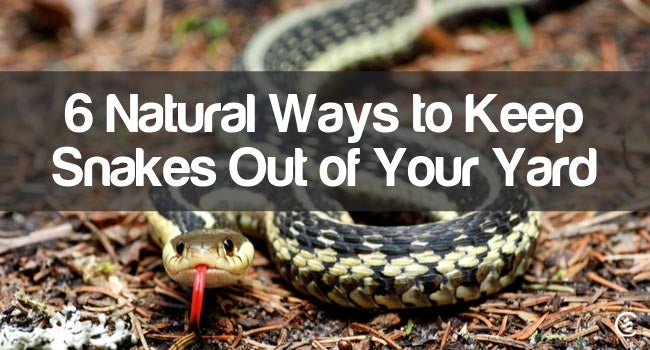
Image Source: cedarcide.com
Why Snakes Visit Your Yard
Before we explore how to remove snakes, it’s helpful to understand why they might be choosing your yard as their habitat. Snakes are primarily attracted to areas that offer food, water, and shelter.
Food Sources
The most common reason snakes are in your yard is the presence of their prey. This includes:
- Rodents: Mice, rats, and voles are a favorite food for many snake species.
- Insects: Larger insects like crickets and grasshoppers can attract smaller snakes.
- Amphibians: Frogs and toads are a primary food source for some snakes.
- Birds and eggs: Nesting birds and their eggs can be appealing.
Shelter and Hiding Places
Snakes seek out safe places to rest, digest food, and escape predators or harsh weather. These can include:
- Dense vegetation: Tall grass, overgrown bushes, and thick ground cover provide excellent hiding spots.
- Debris piles: Woodpiles, leaf litter, compost heaps, and rock piles offer shelter and attract prey.
- Water sources: Ponds, bird baths, and leaky faucets can attract snakes, especially in dry weather.
- Burrows: Abandoned rodent burrows or holes in the ground can be used by snakes.
- Structures: Gaps under sheds, decks, or foundations can serve as shelters.
Warmth
Snakes are cold-blooded and rely on external sources for warmth. Sunny spots, warm rocks, or heated surfaces like asphalt can be attractive.
Natural Snake Repellents: Making Your Yard Less Inviting
Several natural substances and methods can act as snake repellent and snake deterrents, making your yard a less desirable place for them to linger. These methods aim to disrupt their senses or create an uncomfortable environment.
Scent-Based Deterrents
Snakes rely heavily on their sense of smell, which is aided by their flicking tongues that collect scent particles. Certain strong smells can confuse or repel them.
-
Essential Oils: Oils like cinnamon, clove, peppermint, and eucalyptus are often cited as snake repellent. Mixing a few drops of these oils with water and spraying around the perimeter of your yard or in areas where you’ve seen snakes can be effective.
- Cinnamon Oil: Its strong scent can overwhelm a snake’s olfactory senses.
- Clove Oil: Similar to cinnamon, clove oil has a potent aroma that snakes dislike.
- Peppermint Oil: This invigorating scent is thought to be particularly off-putting to snakes.
- Eucalyptus Oil: Another strong-smelling oil that can deter snakes.
How to Use:
1. Mix 10-15 drops of your chosen essential oil (or a blend) with 1 cup of water.
2. Add a tablespoon of unscented dish soap to help the oil emulsify.
3. Pour the mixture into a spray bottle and shake well.
4. Spray generously around the foundation of your home, along fences, and in areas where snakes have been spotted. Reapply every few days, especially after rain. -
Vinegar: The strong acidity and smell of vinegar can act as a snake repellent.
- How to Use: Mix equal parts white vinegar and water. Spray this solution around your yard’s perimeter. The fumes can deter snakes. Be mindful that vinegar can also affect plant growth, so avoid spraying directly on delicate plants.
-
Garlic and Onion: The pungent smell of garlic and onions is believed to deter snakes.
- How to Use: You can plant garlic and onions around your yard. Alternatively, crush garlic cloves and onions and scatter them in areas where snakes are present. You can also make a spray by blending garlic cloves and onions with water, straining the mixture, and then spraying it around your property.
-
Naphthalene (Mothballs): While technically a chemical, it’s often considered a DIY approach. However, caution is advised.
- Caution: Mothballs contain naphthalene, which is toxic to pets and children. It can also be harmful to the environment if used excessively. Avoid using mothballs if you have pets or young children who frequent your yard, or if you are aiming for strictly natural solutions. If you choose to use them, place them in small, contained areas where animals cannot access them and where runoff is minimized.
Texture and Physical Deterrents
Certain textures and physical barriers can make it difficult or unpleasant for snakes to move through your yard.
-
Diatomaceous Earth (Food Grade): This natural powder, made from fossilized algae, has sharp edges that can irritate a snake’s scales, causing discomfort and dehydration.
- How to Use: Sprinkle a fine layer of food-grade diatomaceous earth around the perimeter of your yard, garden beds, and any entry points to your home. It is most effective when dry. Reapply after rain. Be aware that it can also affect beneficial insects, so use it strategically.
-
Coarse Materials: Creating borders of coarse, sharp materials can deter snakes from entering specific areas.
- Examples: Crushed eggshells, coarse sand, gravel, or wood chips can make it difficult for snakes to slither comfortably. Place these materials around garden beds or pathways.
Ultrasonic Devices
These electronic devices emit high-frequency sounds that are supposed to be unpleasant to snakes and rodents, potentially driving them away.
- Effectiveness: The effectiveness of ultrasonic devices is debated. Some studies suggest they can be effective for a limited range, while others find them to be a waste of money. They are generally considered safe for other wildlife.
Snake Proofing Your Yard: Eliminating Attractants
The most effective long-term strategy for snake proofing yard and keeping snakes away is to remove the elements that attract them in the first place. This involves a combination of landscaping changes and good housekeeping.
Habitat Modification
Making your yard less hospitable is key to pest prevention.
- Keep Grass Short: Regularly mow your lawn. Long, unkempt grass provides excellent cover for snakes and the rodents they prey on. Aim for grass no longer than 2-3 inches.
- Remove Debris:
- Woodpiles: Store firewood off the ground and away from your house. Keep them neatly stacked and away from any structures.
- Leaf Litter and Mulch: Rake leaves and remove excessive mulch, especially near your home. While mulch can be beneficial for gardens, thick layers can provide hiding places.
- Rock Piles and Debris: Avoid creating rock piles or leaving random debris like old tarps, tires, or construction materials in your yard. These are ideal snake shelters.
- Trim Vegetation:
- Shrubs and Bushes: Prune low-hanging branches and keep shrubs trimmed back from your house foundation.
- Ground Cover: Avoid dense, ground-hugging ground cover that snakes can easily disappear into.
- Manage Water Sources:
- Leaky Faucets and Hoses: Repair any leaks that create puddles or damp areas.
- Bird Baths: If you have a bird bath, ensure it doesn’t create a large, damp area around it. Empty and clean it regularly.
- Ponds: If you have a pond, maintain its edges and avoid excessive aquatic vegetation that can hide snakes.
Food Source Control
If you eliminate the food source, snakes will likely move on.
- Rodent Control: This is crucial for pest prevention.
- Secure Trash Cans: Use bins with tight-fitting lids to prevent rodents from accessing food scraps.
- Clean Up Spills: Promptly clean up any spilled birdseed or pet food.
- Harvest Garden Produce: Don’t leave ripe fruits and vegetables lying around.
- Consider Traps: If rodent populations are high, consider humane traps. Avoid poisons, as a poisoned rodent can be eaten by a snake, which can then be a danger to other animals or even humans.
- Bird Feeder Management:
- Placement: Place bird feeders away from your home and any dense vegetation where snakes can hide and wait for prey.
- Cleanup: Keep the area around feeders clean, as spilled seeds can attract rodents, which in turn attract snakes.
Seal Entry Points
Prevent snakes from entering your home or outbuildings.
- Foundations: Seal any cracks or holes in your foundation, walls, and basement windows.
- Doors and Windows: Ensure door sweeps are in good condition and screens on windows are intact.
- Vents and Pipes: Cover any vents or openings for pipes with fine mesh to prevent entry.
- Outbuildings: Pay attention to sheds, garages, and other structures that may offer shelter.
Natural Snake Removal: What to Do If You Find One
If you discover a snake in your yard, the goal is safe snake removal. Most snakes in residential areas are non-venomous and beneficial as they eat pests. However, it’s important to know how to handle the situation safely, whether you choose to remove it yourself or call for assistance.
Identifying the Snake
If you can safely identify the snake (from a distance!), it will help determine the best course of action. Many common yard snakes are harmless.
The “Leave it Alone” Approach
Often, the best and safest approach is to simply leave the snake alone. If it’s not bothering you, and it’s in an area where it’s unlikely to cause harm, it will likely move on to find food and shelter elsewhere. They are often just passing through.
DIY Snake Control: Gentle Relocation
If you are comfortable and the snake is not venomous, you can attempt gentle relocation. This is a form of natural snake removal.
- Tools: You will need a long-handled shovel, a broom, or a thick-walled trash can with a lid.
-
Method:
- Approach Slowly: Do not corner the snake.
- Gently Guide: Use the shovel or broom to gently encourage the snake into a trash can or away from your immediate living space. Avoid touching the snake directly.
- Transport: If you capture it in a trash can, secure the lid tightly. Transport the snake a few miles away to a natural area with appropriate habitat, such as a wooded area or field, where it can thrive. Do not release it back into your yard.
-
Important Considerations for DIY:
- Know Your Snakes: If you are unsure about the species, it is safer to call a professional. Misidentification can be dangerous.
- Safety First: Never try to capture or handle a snake if you feel threatened or unsure.
- Avoid Harm: The goal is safe snake removal, not to harm the animal.
When to Call Professionals
There are times when calling in experts is the best and safest option.
- Venomous Snakes: If you identify the snake as venomous (e.g., rattlesnake, copperhead, cottonmouth, coral snake), do not attempt to remove it yourself. Contact local animal control, wildlife removal services, or your state’s wildlife agency. They have the training and equipment for safe snake removal.
- Large or Aggressive Snakes: If the snake is very large, appears aggressive, or you are simply uncomfortable handling it, professional assistance is recommended.
- Invasive Species: In some regions, certain snake species are invasive and can disrupt the local ecosystem. Professionals can help with the appropriate removal of such species.
- Frequent Sightings: If you are consistently seeing snakes in your yard despite implementing preventative measures, a professional can help assess the situation and identify the root cause.
Natural Snake Repellent Plants
While the scientific evidence for some of these is limited, many gardeners swear by certain plants to deter snakes. The idea is that their strong scents or physical properties make them unappealing.
Here are some plants often recommended for their potential snake repellent qualities:
| Plant Name | Potential Deterrent Mechanism | Notes |
|---|---|---|
| Marigolds | Strong, pungent scent. Contains pyrethrum, a natural insecticide. | Easy to grow, widely available. Plant around garden beds and pathways. |
| Garlic | Pungent aroma. | Can be planted in garden beds. Garlic sprays are also effective. |
| Onions | Pungent aroma. | Similar to garlic, can be planted or used in sprays. |
| Cinnamon | Strong scent when crushed or in oil form. | Not typically planted directly, but cinnamon essential oil can be used as a spray. |
| Snake Plant | Sharp, sword-like leaves that might deter movement. | Popular houseplant, can be planted outdoors in suitable climates. |
| Rue | Strong, bitter scent. | Can be toxic if ingested, handle with care. Plant in areas away from children and pets. |
| Indian Jasmine | Strong, sweet scent. | May deter some animals with its potent fragrance. |
| King of the Forest (Mastic Tree/Pistacia lentiscus) | Strong, resinous scent. | Less common, but mentioned in some folklore as a deterrent. |
Important Note on Plants: While planting these can contribute to a less inviting environment, they are rarely a sole solution. They work best in conjunction with other snake proofing yard strategies and natural snake removal techniques.
Creating a Snake-Safe Yard: A Proactive Approach
A proactive approach to snake proofing yard is the most effective way to prevent problems before they start. This involves ongoing maintenance and vigilance.
Regular Yard Inspections
Make it a habit to inspect your yard regularly, especially in spring and fall when snakes are more active.
- Check under objects: Look under pots, planters, tarps, and any other items left on the ground.
- Inspect pathways: Clear away fallen leaves and debris from pathways and patios.
- Look for burrows: Fill in any small holes or burrows you find, as these can be used by snakes and their prey.
Maintaining a Clean Environment
A tidy yard is a less attractive yard for snakes.
- Compost Management: If you compost, manage your compost pile effectively. Keep it moist but not overly wet, and turn it regularly. Avoid adding meat scraps or oily foods, which can attract rodents.
- Pet Food: Do not leave pet food outdoors overnight. Store it in sealed containers.
- Bird Feeders: Clean up spilled seeds promptly and consider tube feeders that minimize spillage.
Education and Awareness
Educate yourself and your family about local snake species and how to behave if you encounter one. This is a critical part of responsible wildlife control.
- Teach Children: Instruct children never to approach or handle a snake, even if it appears to be dead or injured.
- Pet Safety: Keep pets on a leash when outdoors, especially in areas where snakes are common. Be aware of your surroundings and discourage pets from investigating holes or dense vegetation.
Frequently Asked Questions About Snake Control
Here are answers to common questions about managing snakes in your yard.
What is the most effective natural snake repellent?
While effectiveness varies, a combination of strategies is best. Many people find that strong-smelling essential oils like peppermint, clove, and cinnamon, along with maintaining a rodent-free environment and keeping grass short, are the most effective natural deterrents.
Can I use snake repellent granules?
Yes, there are various snake repellent granules available. Some are made from natural ingredients like essential oils or sulfur. Others contain chemicals. Always follow product instructions carefully and consider the impact on pets, children, and beneficial wildlife before choosing a product. Natural options are generally preferred for eco-friendly pest prevention.
How do I get rid of a snake in my basement?
If you find a snake in your basement, stay calm. Open any doors leading outside and then try to gently guide the snake towards the exit using a broom or long pole. If you are uncomfortable or it’s a venomous snake, call a professional for safe snake removal. Ensure all entry points into your basement are sealed.
Do commercial snake repellents really work?
The effectiveness of commercial snake repellent products is often debated. Some are effective for a short period, while others have limited impact. Many rely on strong odors that may temporarily deter snakes but are not a long-term solution if the attractants (food, shelter) remain. Natural methods combined with habitat modification are often more sustainable.
How do I snake proof my garden?
To snake proof your garden, focus on removing hiding places and food sources. Keep the area around your garden beds clear of debris. Use physical barriers like fine mesh fencing if necessary, especially for vulnerable plants. Plant deterrent plants like marigolds or garlic. Maintain a buffer zone around the garden where grass is kept short.
What should I do if my dog or cat encounters a snake?
Keep your pet on a leash when walking outdoors, especially in areas known for snakes. If your pet encounters a snake, pull them away immediately. If your pet is bitten, try to identify the snake (if possible, from a safe distance) and seek veterinary attention immediately. Know the signs of snakebite, such as swelling, pain, and lethargy.
Are all snakes bad?
No, not all snakes are bad. Most snakes are beneficial to the ecosystem as they help control rodent populations and other pests. Non-venomous snakes are generally harmless and often shy away from human interaction. It’s important to appreciate their role in the environment.
By implementing these natural solutions and preventative strategies, you can effectively manage snakes in your yard, ensuring a safer and more comfortable outdoor space for you and your family. Remember, a balanced approach that respects wildlife while ensuring your safety is always the best path.