
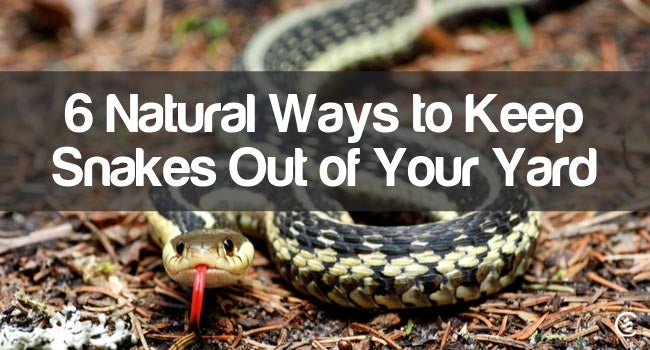
Image Source: cedarcide.com
Proven Methods How To Get Rid Of Snakes In Yard Safely
Can you get rid of snakes in your yard? Yes, you can get rid of snakes in your yard using a combination of prevention, deterrence, and safe removal techniques. What is the best way to get rid of snakes in your yard? The best way is to make your yard less appealing to them in the first place, address any existing snake presence with safe methods, and then maintain a snake-proof environment.
Snakes are a natural part of many ecosystems, but their presence in our yards can sometimes cause concern. Whether you have a fear of snakes or simply wish to keep them away from your home and family, knowing how to manage them safely and effectively is key. This comprehensive guide will explore proven methods for keeping snakes away from home and your garden, focusing on snake exclusion methods and natural snake deterrents to create a safer outdoor space. We’ll also touch upon snake identification chart resources, the importance of removing venomous snakes with professional help, and how to implement snake proofing your yard.
Making Your Yard Uninviting to Snakes
The most effective long-term strategy for dealing with snakes in your yard is to make it an undesirable habitat. Snakes are looking for three main things: food, water, and shelter. By eliminating these attractants, you significantly reduce the chances of snakes making your yard their home.
Eliminating Food Sources
Snakes primarily eat rodents, insects, amphibians, and other small creatures. If you have an abundance of these prey animals, you’re inadvertently attracting snakes.
- Rodent Control:
- Keep your grass mowed and trim back overgrown vegetation. Tall grass provides cover for rodents.
- Store garbage in sealed bins, especially those with tight-fitting lids.
- Clean up fallen fruits and seeds from trees.
- Avoid leaving pet food outdoors, as it can attract rodents.
- Consider using rodent-proof traps or natural rodent repellents in areas where they are a problem.
- Insect Control:
- Reduce outdoor lighting at night, as it attracts insects, which in turn attract insect-eating snakes.
- Fix any leaky outdoor faucets or hoses, as standing water attracts insects and amphibians.
- Bird Feeder Management:
- While bird feeders are lovely, they can also attract rodents and insects. Keep feeders clean, sweep up spilled seed regularly, and consider placing them away from your house.
Removing Shelter and Hiding Places
Snakes seek places to hide from predators and to regulate their body temperature. Removing these potential refuges is a crucial step in deterring them.
- Debris and Clutter:
- Clear away woodpiles, rock piles, leaf litter, and compost heaps, especially near your home. These are prime real estate for snakes.
- Organize and store firewood and other materials off the ground and away from structures.
- Vegetation Management:
- Trim shrubs and bushes so they don’t touch the ground. This eliminates low-lying cover.
- Keep your lawn mowed. Short grass offers less hiding potential.
- Remove dense ground cover plants that can serve as snake shelters.
- Structural Considerations:
- Seal any cracks or openings in your home’s foundation, walls, and around pipes or vents.
- Check for gaps under doors and around windows and install weather stripping.
- Ensure that crawl spaces and attics are properly sealed and maintained.
Addressing Water Sources
Like all living creatures, snakes need water. Eliminating unnecessary water sources can make your yard less appealing.
- Leaky Faucets and Hoses: Repair any leaks promptly.
- Standing Water: Empty bird baths regularly or ensure they are not stagnant. Eliminate any containers that collect rainwater.
Natural Snake Deterrents
Once you’ve made your yard less hospitable, you can supplement these efforts with natural snake deterrents. These methods aim to make your yard smell or feel unpleasant to snakes, encouraging them to move along.
Scent-Based Deterrents
Snakes rely heavily on their sense of smell, and certain strong scents can overwhelm or repel them.
- Essential Oils:
- Oils like cinnamon, clove, and peppermint are often cited as snake repellents. While scientific evidence for their long-term effectiveness is mixed, many people find success by soaking cotton balls in these oils and placing them around the perimeter of your yard or near entry points. Reapply regularly, especially after rain.
- Another popular option is to mix these oils with water and spray them around the yard.
- Ammonia:
- The strong smell of ammonia can mimic predator urine, which snakes tend to avoid. Soak rags or cotton balls in ammonia and place them in porous containers (like old yogurt cups with holes punched in them) around your yard. Be cautious, as ammonia can be harmful to plants.
- Vinegar:
- Similar to ammonia, the strong scent of vinegar can deter snakes. A mixture of vinegar and water can be sprayed around the yard. Again, test on a small area first to ensure it doesn’t harm your plants.
- Garlic and Onion:
- The strong odor of crushed garlic and onions is believed to be repulsive to snakes. You can plant garlic and onions around your garden beds or scatter crushed cloves and pieces around your property.
Texture and Physical Deterrents
Some substances can make an area physically uncomfortable for snakes to traverse.
- Diatomaceous Earth (DE):
- Food-grade DE is a natural powder made from fossilized aquatic organisms. It has sharp edges that can dehydrate and irritate a snake’s scales. Sprinkle a thin layer of DE around the perimeter of your yard or areas where you’ve seen snakes. It needs to be reapplied after rain. Important Note: While generally safe, DE can be dusty. Wear a mask when applying it outdoors.
- Cinnamon and Clove Powder:
- A mixture of cinnamon and clove powder sprinkled around your yard is another scent-based deterrent that can also create an irritating texture for snakes.
Table 1: Natural Snake Deterrents and Their Application
| Deterrent | Method of Application | Frequency of Reapplication | Cautions |
|---|---|---|---|
| Essential Oils | Cotton balls soaked and placed, or diluted spray | Weekly, after rain | Keep away from pets and children; test sprays on plants. |
| Ammonia | Rags/cotton balls in porous containers | Bi-weekly, after rain | Can damage plants; use sparingly. |
| Vinegar | Diluted spray around the perimeter | Weekly, after rain | Test on plants; can be strong for people too. |
| Garlic/Onion | Planted, or crushed pieces scattered | As needed | Minimal cautions, but strong smell. |
| Diatomaceous Earth (DE) | Thin layer sprinkled around borders/problem areas | After rain | Wear a mask when applying; can be irritating to skin and eyes if inhaled. |
| Cinnamon/Clove Powder | Sprinkled around borders/problem areas | As needed | Strong scent may be noticeable to humans. |
Homemade Snake Traps
While less focused on deterrence and more on capture, homemade snake traps can be an option for monitoring or removing snakes from specific areas. However, these should be used with extreme caution, especially if you suspect venomous snakes are present.
- Sticky Traps:
- Commercial sticky traps are available, but you can create your own. Large cardboard pieces coated with a strong, non-toxic adhesive (like Tanglefoot) can be placed along known snake paths.
- Ethical Consideration: These traps are controversial because they can inadvertently capture and harm non-target animals, including beneficial insects and small mammals. If you use them, check them very frequently (at least twice daily) and be prepared to release non-target animals safely or dispatch captured snakes humanely. This is not recommended for beginners or in areas with high wildlife traffic.
It is crucial to remember that snake traps, especially those that capture live animals, require responsible handling. If you capture a snake, especially a venomous one, contact your local wildlife authorities or a professional snake catcher for safe removal.
Snake Proofing Your Yard and Home
Snake proofing your yard involves creating physical barriers to prevent snakes from entering your property in the first place.
Fencing
A well-maintained fence is one of the most effective physical barriers.
- Height and Material: The fence should be at least 3-4 feet tall. It should be made of a material that snakes cannot easily climb or burrow under. Solid wood, vinyl, or tightly woven wire mesh (with openings no larger than 1/4 inch) are good options.
- Installation: The fence must be installed so that there are no gaps at the bottom. Bury the bottom edge of the fence at least 6 inches into the ground to prevent burrowing. Ensure there are no holes or openings in the fence itself.
- Regular Inspection: Periodically inspect your fence for any damage or gaps that snakes could exploit.
Sealing Entry Points
Focus on sealing any potential entry points into your home or outbuildings.
- Foundation and Walls: Seal cracks and holes in the foundation and walls using caulk, mortar, or expanding foam.
- Doors and Windows: Install door sweeps and ensure window screens are intact and fit snugly.
- Utility Lines: Seal any gaps around pipes, electrical conduits, and vents that enter your home.
Safe Snake Removal
When you find a snake in your yard, the approach to removal depends largely on whether it’s a venomous or non-venomous species.
Identifying Snakes
Knowing the types of snakes in your region is vital. A snake identification chart for your local area can be an invaluable resource. Familiarize yourself with common venomous species in your locale. Generally, venomous snakes in North America have triangular heads, elliptical pupils, and may have a rattle. However, some non-venomous snakes can mimic these features, so accurate identification is key.
Table 2: General Characteristics to Consider (Not Definitive Identification)
| Feature | Venomous Snakes (General North American) | Non-Venomous Snakes (General) |
|---|---|---|
| Head Shape | Usually triangular | Often more rounded or oval |
| Pupil Shape | Vertical, elliptical | Round |
| Heat Pits | Present (between nostril and eye) | Absent |
| Rattle | Present (on tail, if rattlesnake) | Absent (some have a “tail buzz”) |
| Body Build | Can be more robust | Varies, can be slender or robust |
| Behavior | May stand its ground, more defensive | Often flees, less confrontational |
Disclaimer: This table is a general guide. Always consult a local snake identification chart and be cautious. Never rely solely on these characteristics for identification.
Dealing with Non-Venomous Snakes
Non-venomous snakes are generally harmless and often beneficial as they help control rodent populations. If you encounter one and wish to remove it:
- Leave it Alone: If it’s not in an immediate danger zone, the best approach is often to leave it. It will likely move on by itself.
- Gentle Encouragement: You can try to gently encourage it to leave by spraying it with a hose from a distance.
- Safe Capture and Relocation: If you must capture it, use a long-handled shovel or broom to gently guide it into a bucket. Place a lid on the bucket and transport the snake a good distance away (at least a mile, if possible) to an appropriate habitat.
Dealing with Venomous Snakes
Removing venomous snakes from your yard requires extreme caution and often professional assistance.
- Do NOT Approach: Never try to handle, capture, or kill a venomous snake yourself. This is when most bites occur.
- Keep Children and Pets Away: Ensure children and pets are kept at a safe distance and are supervised.
- Contact Professionals: The safest safe snake removal method for venomous snakes is to call a professional wildlife removal service or your local animal control. They have the training, equipment, and knowledge to handle these animals safely. Some fire departments or local police departments may also offer assistance or referrals for safe snake removal.
What About Snake Repellents?
The market is flooded with products advertised as snake repellents. It’s important to approach these with a critical eye.
- Effectiveness: The scientific consensus on the effectiveness of most commercial snake repellents is largely negative. Many products contain ingredients like sulfur, naphthalene (mothballs), or essential oils. While these scents might temporarily deter snakes, they are rarely a long-term solution. Snakes may simply move around the treated area or become accustomed to the smell.
- Mothballs (Naphthalene): Mothballs are particularly problematic. They are toxic to humans, pets, and wildlife, and their use outdoors is often restricted or illegal. They can contaminate soil and water and pose significant health risks. Avoid using mothballs as a snake repellent.
- Natural Deterrents: As discussed earlier, some natural substances like essential oils and certain plants have anecdotal success, but their efficacy can be inconsistent and requires frequent reapplication.
The most reliable approach remains habitat modification and exclusion, rather than relying solely on chemical or scent-based repellents.
Preventing Snakes in Garden Areas
Gardens can be particularly attractive to snakes due to the abundance of insects and rodents, as well as the cover provided by plants. Preventing snakes in garden requires specific considerations:
- Raised Beds: Consider using raised garden beds. This elevates your plants and makes the area less appealing as a hiding spot.
- Clear Pathways: Maintain clear, weed-free pathways between garden beds.
- Mulch Wisely: While mulch can be beneficial for gardens, thick layers of dark mulch can provide excellent hiding places for snakes. Opt for lighter-colored mulches or use them sparingly around the edges of beds.
- Citronella and Marigolds: Some gardeners plant citronella and marigolds, believing their scents deter snakes. While the evidence is primarily anecdotal, they can contribute to an overall less inviting environment.
Frequently Asked Questions (FAQ)
- Q: Will ultrasonic snake repellents work?
- A: The scientific evidence supporting ultrasonic snake repellents is very limited, and most experts consider them ineffective. Snakes do not rely on hearing in the same way mammals do, and the vibrations from these devices are unlikely to consistently repel them.
- Q: What are common signs of snakes in my yard?
- A: Signs include actual sightings, shed snake skins (which can help with identification), snake droppings (which resemble bird droppings but often have a dried, coiled mass inside), and sightings of their prey like rodents or large insect populations.
- Q: Can I use homemade snake traps safely?
- A: Homemade snake traps, especially sticky traps, can be dangerous to non-target animals and require very frequent monitoring. For live capture, it’s best to consult with local wildlife authorities on best practices or opt for professional removal services.
- Q: Are all snakes dangerous?
- A: No, the vast majority of snakes are non-venomous and harmless to humans. Many are beneficial predators that help control pest populations. It’s crucial to learn how to identify venomous species in your area.
- Q: How often should I reapply natural snake deterrents?
- A: Natural deterrents, especially those based on scent or texture, are often washed away by rain or degrade over time. Reapplication is typically needed every few days to a week, and more frequently after rain.
By understanding snake behavior and implementing a multi-faceted approach that prioritizes habitat modification and exclusion, you can effectively manage and deter snakes from your yard, ensuring a safer and more enjoyable outdoor living space. Always prioritize safety and consult professionals when dealing with potentially venomous snakes.