
Can you get rid of rats in your yard permanently? While achieving absolute permanent eradication can be challenging due to the adaptable nature of rats and their ability to reproduce quickly, a comprehensive and consistent approach to rodent control can significantly reduce and maintain rat populations in your yard, effectively making them a non-issue. This involves a multi-faceted strategy focusing on elimination, prevention, and environmental management.
Dealing with a rat infestation in your yard can be a frustrating and persistent problem. These intelligent and resourceful creatures can quickly find food, water, and shelter, turning your outdoor space into their own. From chewing on garden hoses and damaging plants to potentially spreading diseases, rats are unwelcome guests. This guide will delve deep into effective strategies for outdoor rodent removal, helping you reclaim your yard and keep it rat-free. We’ll explore various rat extermination methods, humane rat traps, natural rat deterrents, and the crucial step of rat proofing your yard.
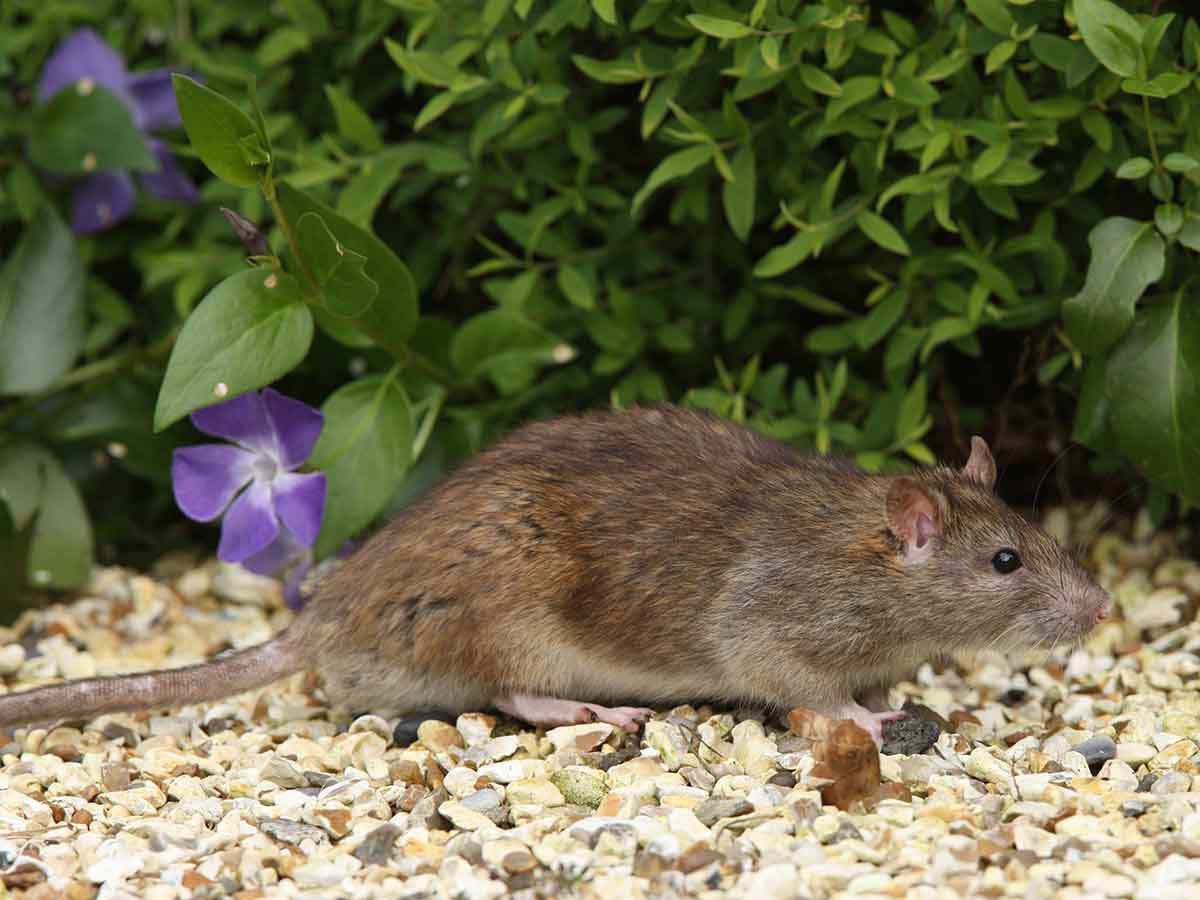
Image Source: thebugmaster.com
Deciphering Rat Behavior and Habits
To effectively combat rats, it’s vital to grasp their fundamental behaviors. Rats are primarily nocturnal, meaning they are most active from dusk till dawn. They are omnivores with a varied diet, readily consuming grains, fruits, vegetables, insects, and even meat. Their keen sense of smell helps them locate food sources, and their strong incisors allow them to gnaw through various materials, including wood, plastic, and even soft metals.
Key Rat Behaviors:
- Nocturnal Activity: Rats are most active at night, which is why you might not see them during the day, but their presence is often evident through their damage.
- Neophobia: Rats can be wary of new objects in their environment, including traps or food sources. This means it might take time for them to approach and interact with them.
- Burrowing: Rats often create burrows for shelter and nesting. These are typically found in soft soil, under structures, or in dense vegetation.
- Travel Paths: Rats tend to follow established pathways or “runways” along walls, fences, or under dense cover. Identifying these paths can be crucial for trap placement.
- Social Structure: While often seen alone, rats live in social groups, meaning if you see one, there are likely more.
Identifying Signs of a Rat Infestation
Before you can implement effective pest control for rats, you need to confirm their presence. Look for these common signs:
- Droppings: Rat droppings are dark, pellet-shaped, and about ½ to ¾ inch long. You’ll often find them near food sources, along runways, or in nesting areas.
- Gnaw Marks: Rats’ teeth grow continuously, so they must gnaw to keep them trimmed. Look for gnaw marks on wooden structures, electrical wires, plastic items, and even seeds or pet food bags.
- Tracks and Rub Marks: In dusty areas, you might see paw prints. Along their travel paths, rats can leave greasy rub marks from their fur against surfaces.
- Burrows: These are small holes, typically 2-4 inches in diameter, often found at the base of walls, under sheds, decks, or in overgrown areas.
- Nests: Rats build nests from shredded materials like paper, fabric, or insulation. These are often found in hidden, sheltered locations.
- Sounds: Scratching or scurrying noises in walls, attics, or under decks, especially at night, can indicate rat activity.
- Unusual Pet Behavior: Dogs or cats may become agitated, bark, or scratch at specific areas if they sense rats nearby.
Strategic Approaches to Outdoor Rodent Removal
Controlling backyard rats requires a multifaceted strategy. Simply eliminating a few won’t solve a persistent rat infestation. The goal is to make your yard inhospitable and remove existing populations.
1. Environmental Modifications: Making Your Yard Less Attractive
The most sustainable way to keep rats away is to remove what attracts them: food, water, and shelter. This is a cornerstone of effective rat proofing yard strategies.
Food Source Elimination
- Secure Garbage Cans: Use bins with tight-fitting lids. If lids aren’t secure, consider metal garbage cans. Avoid overfilling them. If you have curbside pickup, ensure bins are only placed out on collection day, not overnight.
- Clean Up Spills: Promptly clean up any food spills, especially from outdoor BBQs or picnics.
- Pet Food Management: Do not leave pet food outdoors overnight. Feed pets at specific times and remove any uneaten food. Store pet food in sealed, rodent-proof containers.
- Bird Feeders: While intended for birds, feeders can be a major attractant for rats.
- Elevate Feeders: Hang feeders at least 5 feet off the ground and away from trees or structures rats can use to climb.
- Use Catch Trays: Install a tray beneath feeders to catch spilled seeds.
- Choose Seed Types: Some seeds are less appealing to rats, though this is not a foolproof method.
- Cleanliness is Key: Regularly clean up spilled seed and fallen debris under feeders.
- Composting: If you compost, use a rodent-proof compost bin with a lid. Avoid adding meat scraps or greasy foods. Turn the compost regularly.
- Fallen Fruit and Vegetables: Promptly collect any fallen fruit or vegetables from trees and gardens.
Water Source Elimination
Rats, like all living creatures, need water. Eliminating easy access can deter them.
- Fix Leaky Faucets and Pipes: Repair any dripping outdoor faucets or leaky irrigation systems.
- Empty Standing Water: Remove or empty any containers that collect rainwater, such as buckets, old tires, or plant saucers.
- Water Bowls for Pets: Bring pet water bowls inside at night.
Shelter and Harborage Reduction
Rats love to hide and nest in secluded, protected areas. Reducing these hiding spots is critical for controlling backyard rats.
- Yard Debris: Clear away piles of leaves, wood, rocks, or junk. These provide excellent nesting sites.
- Vegetation Management: Trim overgrown bushes, shrubs, and tree branches, especially those that touch your house or fences. Maintain a clearance of at least 2-3 feet between vegetation and structures.
- Vines on Walls: Remove ivy or other vines growing on your house walls, as rats can use them to climb.
- Outdoor Structures:
- Decks and Sheds: Seal any openings or gaps underneath decks and in sheds. Store items neatly off the ground and away from walls.
- Woodpiles: If you have woodpiles, store them at least 18 inches off the ground and 12 inches away from any structures. Cover them loosely to allow airflow but prevent easy access.
- Home Exterior: Inspect the exterior of your home for any cracks, holes, or gaps in foundations, walls, and rooflines. Seal these entry points.
2. Trapping Strategies: Humane and Effective Removal
Trapping is a direct method for removing existing rat populations. There are various types of traps available, each with its pros and cons.
Humane Rat Traps (Live Traps)
Humane rat traps capture rats without killing them. These are ideal if you prefer a non-lethal approach.
- How they work: These traps typically have a one-way door that allows the rat to enter to reach the bait but prevents its escape.
- Placement: Place traps along known rat runways, near droppings, or at the entrances of burrows.
- Baiting: Use attractive baits like peanut butter, nuts, dried fruit, or seeds. Secure the bait so the rat has to fully enter the trap to get it.
- Checking Regularly: It is crucial to check humane traps at least once or twice a day. Leaving a trapped animal for extended periods can cause stress, dehydration, or death.
- Relocation: Once captured, relocate the rat at least 5 miles away from your property to prevent it from returning. Ensure you are following local regulations regarding wildlife relocation.
Snap Traps
Snap traps are a classic and effective rat extermination method. They are designed to kill the rat quickly.
- Types: Traditional wooden snap traps and more modern plastic snap traps are available. Plastic traps are often easier to set and clean.
- Baiting: Use similar baits as with humane traps. Peanut butter is a favorite.
- Placement: Place snap traps along walls, fences, and near signs of activity. Ensure the trigger is facing the direction the rat is likely to travel.
- Multiple Traps: Use multiple traps, spaced about 10-15 feet apart, as rats often travel in groups.
- Safety: Keep snap traps away from children and pets. Consider placing them in bait stations or covered areas for safety and to protect them from the elements.
Glue Traps
Glue traps use a strong adhesive to trap rats.
- Effectiveness: While they can catch rats, they are often considered inhumane as the animal may suffer for an extended period before dying from exhaustion, starvation, or dehydration.
- Considerations: Due to the potential for suffering, glue traps are not recommended by many pest control professionals or animal welfare organizations. If used, check them very frequently.
Electronic Traps
These traps deliver a lethal electric shock to the rat when it enters.
- How they work: Rats enter a chamber and trigger a mechanism that delivers a high-voltage shock.
- Advantages: They are considered a quick and clean method. Many are designed to indicate when a rat has been caught.
- Power: They usually run on batteries.
3. Rat Repellent and Deterrents: Natural and Chemical Options
Using a rat repellent can be a supplementary method to discourage rats from entering or lingering in your yard.
Natural Rat Deterrents
Many people prefer natural rat deterrents to avoid chemicals. While their effectiveness can vary, they can be part of a broader strategy.
- Peppermint Oil: Rats are said to dislike the strong scent of peppermint.
- Application: Soak cotton balls in pure peppermint essential oil and place them in areas where you’ve seen rat activity, near burrows, or entry points. Reapply regularly as the scent fades.
- Spray: Mix peppermint oil with water and a drop of dish soap in a spray bottle and mist around the yard perimeter and known activity areas.
- Ammonia: The strong smell of ammonia can mimic predator urine.
- Application: Place small containers of ammonia in affected areas. Be cautious as ammonia is a strong chemical and should be handled with care, ensuring it doesn’t come into contact with plants you want to keep.
- Predator Urine: Urine from predators like foxes or cats can deter rats. You can purchase synthetic versions.
- Application: Sprinkle or spray in strategic locations.
- Cayenne Pepper/Chili Powder: The capsaicin in chili peppers can irritate rats.
- Application: Sprinkle generously around garden beds, potential entry points, or along pathways. Reapply after rain.
- Garlic and Onions: The strong odor of garlic and onions may also repel rats.
- Application: Place cloves of garlic or chopped onions in affected areas.
- Professional Grade Repellents: Some commercial rodent repellents are derived from natural sources and are specifically formulated for outdoor use.
Chemical Rat Repellents
Chemical repellents are available but should be used with caution, especially in yards with children and pets. Always follow product instructions carefully.
- Types: These can include sprays, granules, or pellets.
- Effectiveness: Their effectiveness can be limited, and rats may become accustomed to them. They are generally less effective than eliminating attractants or using traps.
4. Rat Proofing Your Yard: Sealing Entry Points
This is a crucial step for long-term control. If rats can’t get in, they can’t cause problems.
- Foundation: Inspect the foundation of your house and any outbuildings for cracks or holes. Seal these with caulk, steel wool (rats can’t chew through it easily), or concrete.
- Vents and Pipes: Cover any vents or pipe openings with sturdy hardware cloth (1/4-inch mesh).
- Doors and Windows: Ensure doors and windows seal tightly. Install door sweeps to prevent rodents from entering under doors.
- Garages and Sheds: Seal any gaps where walls meet foundations or where utilities enter.
5. Professional Pest Control for Rats
If you’re struggling with a severe rat infestation or finding it difficult to manage on your own, consider hiring a professional pest control service.
- Expertise: Professionals have the knowledge and experience to identify the extent of the infestation, locate entry points, and implement the most effective rat extermination methods.
- Integrated Pest Management (IPM): Reputable pest control companies use IPM strategies that combine various methods for effective and sustainable control.
- Safety: They can safely use rodenticides if necessary and ensure proper placement and containment.
Long-Term Rat Control Strategies
Achieving permanent eradication requires ongoing vigilance.
- Regular Inspections: Periodically inspect your yard and home for signs of rat activity.
- Consistent Maintenance: Keep up with yard cleanliness, garbage management, and structural repairs.
- Monitor Bait Stations: If using bait stations, check them regularly and refill as needed.
- Adapt Your Approach: If one method isn’t working, be prepared to try another or combine strategies.
Table: Pros and Cons of Different Rat Control Methods
| Method | Pros | Cons | Best For |
|---|---|---|---|
| Environmental Changes | Sustainable, non-toxic, prevents future infestations | Requires consistent effort, may not eliminate existing population immediately | Long-term prevention, reducing attractants |
| Humane Traps | Non-lethal, ethical, allows for relocation | Requires frequent checking, trapped animals can die of stress, relocation can be difficult | Individuals who prefer non-lethal methods, localized trapping |
| Snap Traps | Effective, quick kill, relatively inexpensive | Can be messy, requires careful placement to avoid injury to non-target animals, can be unsightly | Eliminating existing population quickly, smaller infestations |
| Glue Traps | Simple to use, effective at catching | Considered inhumane, animals suffer, can catch non-target species | Limited use, often discouraged due to animal welfare concerns |
| Electronic Traps | Quick kill, clean disposal, often indicate catch | More expensive, requires batteries, might not work for very large rats | Efficient removal, people who prefer a cleaner, quick kill |
| Natural Deterrents | Non-toxic, safe for pets and children, environmentally friendly | Effectiveness can vary, requires frequent reapplication, may not be enough for severe infestations | Supplementary control, discouraging minor activity |
| Professional Services | Expert knowledge, comprehensive approach, efficient and effective | Costly, may involve chemical use depending on the method | Severe infestations, difficult-to-manage situations, when DIY methods fail |
Frequently Asked Questions About Backyard Rats
Q1: How do I know if I have rats or mice?
Rat droppings are larger (about ½ to ¾ inch) and capsule-shaped, while mouse droppings are much smaller (about ¼ inch) and pointed at the ends. Rats are also larger animals.
Q2: Can rats carry diseases into my yard?
Yes, rats can carry diseases that can be transmitted to humans and pets through their droppings, urine, saliva, or by ectoparasites like fleas and ticks they may carry. Proper hygiene and avoiding direct contact are essential.
Q3: How quickly can rats reproduce?
Rats are prolific breeders. A single female rat can have several litters per year, with each litter containing 6-10 pups. This rapid reproduction is why a small problem can quickly escalate into a significant infestation.
Q4: What are the best times to set traps?
Traps are generally most effective when set in the evening, as rats are primarily nocturnal. However, check them regularly throughout the day.
Q5: Are there any deterrents that work long-term?
Long-term deterrence is primarily achieved through consistent environmental management – removing food, water, and shelter. While some natural deterrents like peppermint oil can help, their scent fades, requiring frequent reapplication. Combining multiple strategies is key.
Q6: Should I use rodenticides (rat poison) in my yard?
Rodenticides can be effective but carry significant risks. They can harm pets, wildlife, and even children if ingested. Secondary poisoning can also occur if a predator eats a poisoned rat. If you choose to use rodenticides, always use them in tamper-proof bait stations and follow label instructions precisely. Many experts recommend traps as a safer alternative for outdoor rodent removal.
By implementing these strategies, you can significantly improve your chances of controlling and permanently getting rid of rats in your yard. It requires a commitment to consistent effort and a thorough approach to make your outdoor space unwelcome to these persistent pests.