
Do you see mushrooms popping up in your yard after it rains? You’re not alone. Many homeowners wonder, “Can I eat mushrooms from my lawn?” The answer is a resounding no. Most lawn mushrooms are not edible and can be poisonous to pets and children, making them a significant concern. This guide will walk you through how to get rid of mushrooms in your lawn for good, addressing your yard mushroom problems comprehensively. We’ll cover everything from identifying the causes to implementing effective lawn care for fungus and ensuring mushroom control in grass.
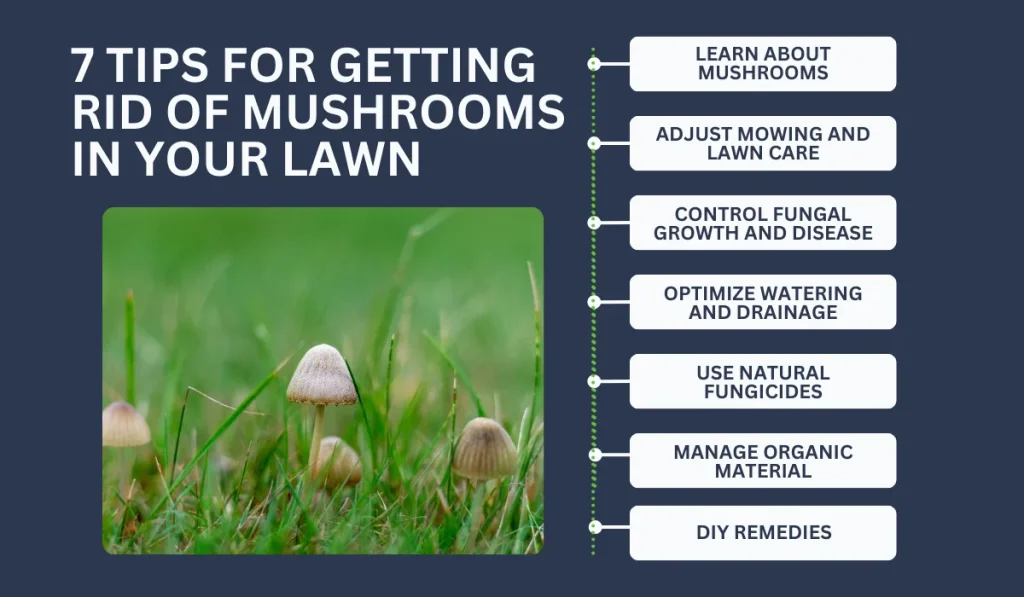
Image Source: sodlawn.com
Deciphering Why Mushrooms Appear in Your Lawn
Mushrooms, often referred to as toadstools or fungi, are merely the fruiting bodies of a larger organism living beneath the soil. They are nature’s way of reproducing and spreading spores. Seeing them in your lawn usually indicates underlying conditions that favor fungal growth. The best way to remove lawn mushrooms starts with knowing why they are there in the first place.
Common Causes of Lawn Mushrooms
- Excessive Moisture: Fungi thrive in damp environments. Overwatering, poor drainage, or prolonged periods of rain create the perfect breeding ground for these organisms.
- Decomposing Organic Matter: Mushrooms feed on decaying materials. This can include thatch buildup, buried tree roots, dead leaves, animal droppings, or even old mulch.
- Shady Conditions: Areas of your lawn that receive little direct sunlight tend to stay moist longer, encouraging fungal growth.
- Poor Air Circulation: Dense grass, overgrown shrubs, or compacted soil can lead to poor airflow, trapping moisture and promoting fungus.
- Thatch Buildup: A thick layer of dead grass and organic material on the soil surface (thatch) can hold moisture and nutrients, ideal for mushroom development.
- Nutrient Imbalances: While fungi are decomposers, certain nutrient imbalances in the soil can inadvertently support their growth.
- Mycelium Networks: The mushrooms you see are just the tip of the iceberg. A vast underground network of mycelium, the vegetative part of the fungus, is present in the soil.
Practical Steps for Lawn Mushroom Removal
Getting rid of mushrooms involves a multi-pronged approach that tackles both the visible problem and the root causes. Effective lawn mushroom removal requires consistent effort and proper lawn disease treatment strategies.
Step 1: Identify and Remove Visible Mushrooms
The most immediate action you can take is to remove the mushrooms you see. This prevents them from releasing spores and spreading further.
- Hand-pulling: Gently pull the mushrooms, including their stems, from the ground. Try to get as much of the root system (mycelium) as possible.
- Bagging and Disposal: Place the removed mushrooms in a sealed plastic bag and dispose of them in the trash. Do not compost them, as this can spread spores to other areas.
- Avoid Mowing Over Them: Mowing over mushrooms will simply chop them up and spread their spores far and wide, worsening the problem.
While removing visible mushrooms offers immediate relief, it’s crucial to remember this is a temporary fix. The underlying problem remains.
Step 2: Address Drainage and Moisture Issues
Excessive moisture is a primary driver for getting rid of fungi on lawn. Improving drainage can significantly reduce the conditions that favor mushroom growth.
- Review Watering Habits: Water your lawn deeply but less frequently. Aim for about an inch of water per week, applied in the early morning to allow the grass to dry before evening.
- Aeration: Core aeration is vital. It helps to relieve soil compaction, improving water penetration and air circulation. This is a key aspect of controlling lawn mushrooms.
- Improve Soil Drainage: If your soil is heavy clay, consider amending it with organic matter like compost. For persistent drainage issues, you might need to install drainage systems or French drains in problem areas.
- Trim Overhanging Branches: Prune trees and shrubs that cast dense shade and impede airflow and sunlight reaching the lawn.
Step 3: Manage Thatch Buildup
A thick thatch layer can be a buffet for fungi. Regular dethatching is crucial for lawn care for fungus.
- Dethatching: Use a power rake or a dethatching machine to remove the accumulated thatch. Do this in the spring or early fall when the grass is actively growing.
- Frequency: Dethatch when the thatch layer exceeds 1/2 inch.
Step 4: Improve Soil Health and Aeration
Healthy soil supports a robust lawn that can naturally resist fungal invasions.
- Core Aeration: As mentioned earlier, this is critical. It allows air, water, and nutrients to reach the grass roots and helps break up the mycelium networks.
- Topdressing: After aeration, spread a thin layer of compost or a quality topsoil mix over the lawn. This helps improve soil structure and provides beneficial microbes that can compete with fungi.
- Soil Testing: Conduct a soil test to check for nutrient deficiencies or imbalances. Correct any issues with appropriate fertilizers.
Step 5: Natural Mushroom Removal Lawn Strategies
For those seeking environmentally friendly solutions, several natural mushroom removal lawn methods can be effective.
Using Vinegar
Vinegar is a mild acid that can help kill fungi.
- Solution: Mix one part white vinegar with four parts water.
- Application: Spray directly onto the mushrooms and the surrounding affected area.
- Caution: Test on a small patch first, as vinegar can also affect grass if applied too strongly or in direct sunlight. Repeat as needed.
Baking Soda
Baking soda can alter the soil’s pH, making it less hospitable to certain fungi.
- Solution: Mix one tablespoon of baking soda with a gallon of water.
- Application: Water your lawn with this solution, focusing on areas with mushroom growth.
- Frequency: Apply weekly for a few weeks.
Hydrogen Peroxide
Hydrogen peroxide acts as an oxidizer and can help kill fungal spores.
- Solution: Mix a 3% hydrogen peroxide solution with water in a 1:1 ratio.
- Application: Spray directly onto the mushrooms.
- Caution: Similar to vinegar, test in a small area first.
Reducing Fertilization
While some fertilizers can help grass grow strong, over-fertilization, especially with nitrogen, can sometimes encourage fungal growth.
- Balanced Fertilization: Use a balanced fertilizer according to soil test recommendations.
- Timing: Avoid fertilizing during periods of excessive heat or prolonged wet weather.
Step 6: Chemical Treatments (Use with Caution)
In severe cases, chemical fungicides might be necessary. However, these should be a last resort due to potential environmental impacts and the risk of harming beneficial soil organisms.
- Identify the Fungus: If possible, try to identify the specific type of fungus causing the mushrooms. This can help in selecting the most effective fungicide.
- Fungicide Application: Follow product instructions meticulously. Apply only to affected areas.
- Read Labels Carefully: Ensure the fungicide is safe for your specific grass type and safe for use around children and pets. Always wear protective gear.
- Timing is Key: Fungicides are often more effective when applied preventatively or at the very first signs of disease, not when mushrooms are already abundant.
This approach often falls under the umbrella of mushroom control in grass when natural methods aren’t sufficient.
Addressing Specific Fungal Issues That Cause Mushrooms
Mushrooms are often symptoms of larger fungal problems in the lawn, such as “fairy rings” or “puffballs.” Understanding these specific issues can aid in effective lawn disease treatment.
Fairy Rings
Fairy rings are circles or arcs of darker green grass, mushrooms, or a combination of both. They are caused by various fungi that grow outwards in a circular pattern beneath the soil.
How to Combat Fairy Rings
- Improve Drainage and Aeration: These are paramount for breaking up the mycelial network causing the ring.
- Dethatch: Removing thatch helps reduce the food source for the fungi.
- Watering: Consistent watering can help reduce the visual effect of the ring, but doesn’t eliminate the fungus.
- Topdressing with Compost: Introducing beneficial microbes through compost can help compete with the fairy ring fungi.
- Fungicides: In severe cases, specific fungicides might be recommended, applied deeply into the soil along the outer edge of the ring where the fungus is most active.
Puffballs and Other Mushroom Types
Other types of mushrooms, like puffballs or small toadstools, often appear in clusters and indicate a rich source of decomposing organic matter in the soil.
How to Manage Puffballs and Clusters
- Remove Visible Mushrooms: Always the first step.
- Identify and Remove Decomposing Matter: Dig up and remove any buried wood, roots, or animal waste.
- Dethatch and Aerate: These are critical for breaking up the underground fungal network.
- Improve Sunlight and Airflow: Prune surrounding trees and shrubs if necessary.
Long-Term Strategies for a Mushroom-Free Lawn
Preventing future mushroom growth is as important as removing existing ones. This involves maintaining a healthy, resilient lawn.
Lawn Health is Key
- Proper Mowing: Mow your lawn at the highest recommended setting for your grass type. Taller grass shades the soil, keeping it cooler and moister, which can paradoxically help prevent some surface drying and cracking that can lead to other issues, but more importantly, it outcompetes weeds and fosters deeper roots. However, in the context of mushrooms, ensuring good airflow and not letting grass get too dense is also important. It’s a balance.
- Overseeding: Fill in bare spots with grass seed to prevent weeds and keep the turf dense and healthy.
- Regular Fertilization: Fertilize your lawn based on a soil test to ensure it has the nutrients it needs to thrive.
- Water Wisely: Avoid overwatering and ensure water penetrates deeply.
Seasonal Lawn Care for Fungus Prevention
- Spring: Aerate and dethatch to prepare the lawn for the growing season and remove overwintered debris.
- Summer: Monitor for signs of fungal activity, especially during periods of heat and humidity. Adjust watering as needed.
- Fall: Aerate and overseed if necessary. Apply a fall fertilizer to help the grass store energy for winter. Continue to remove fallen leaves promptly.
- Winter: While less active, fungal issues can persist. Ensure good drainage before winter sets in.
Frequently Asked Questions (FAQ)
Here are some common questions people have about getting rid of fungi on lawn and mushroom control in grass.
Q1: Can I just ignore the mushrooms?
A1: While it might be tempting, ignoring mushrooms isn’t recommended, especially if you have pets or small children, as some species can be toxic. They are also a sign of underlying issues that can weaken your lawn over time.
Q2: Will mowing my lawn get rid of mushrooms?
A2: No, mowing over mushrooms will not eliminate them. It will only chop them up and spread their spores, potentially leading to more mushrooms in other areas.
Q3: Are lawn mushrooms harmful to my grass?
A3: The mushrooms themselves are not directly harmful to the grass. However, the fungi that produce them can weaken the grass by decaying organic matter in the soil and can be a sign of other lawn diseases or poor lawn health.
Q4: How long does it take to get rid of lawn mushrooms permanently?
A4: Eliminate mushrooms from lawn permanently requires consistent effort and addressing the root causes. It can take several seasons to see a significant reduction, as you’ll need to improve soil health and drainage over time.
Q5: What is the best way to remove lawn mushrooms?
A5: The best way to remove lawn mushrooms is a combination of physically removing the visible mushrooms, addressing underlying moisture and thatch issues, improving soil health through aeration and topdressing, and maintaining a healthy, dense turf.
Q6: Can I use salt to kill mushrooms?
A6: While salt can kill fungi, it is also very harmful to grass and soil. It can lead to dead patches and long-term soil degradation, so it is not a recommended solution for mushroom control in grass.
Q7: Why do mushrooms appear after I fertilize my lawn?
A7: Some fertilizers, especially those high in nitrogen, can provide a boost of nutrients that encourages fungal growth if other conditions (like moisture) are favorable. It’s important to fertilize based on soil test results and during appropriate times of the year.
By diligently following these steps and focusing on overall lawn health, you can effectively tackle your yard mushroom problems and work towards a healthier, more resilient lawn, free from unsightly and potentially harmful fungi. Remember that consistent lawn care for fungus is the key to long-term success in controlling lawn mushrooms.