
Moss can be a real nuisance in your lawn. It looks unsightly, feels spongy, and can even make your grass unhealthy. So, can you get rid of moss in your lawn for good? Yes, with the right approach and consistent lawn care, you can effectively remove moss and keep it from coming back. This guide will walk you through everything you need to know about dealing with this green invader.
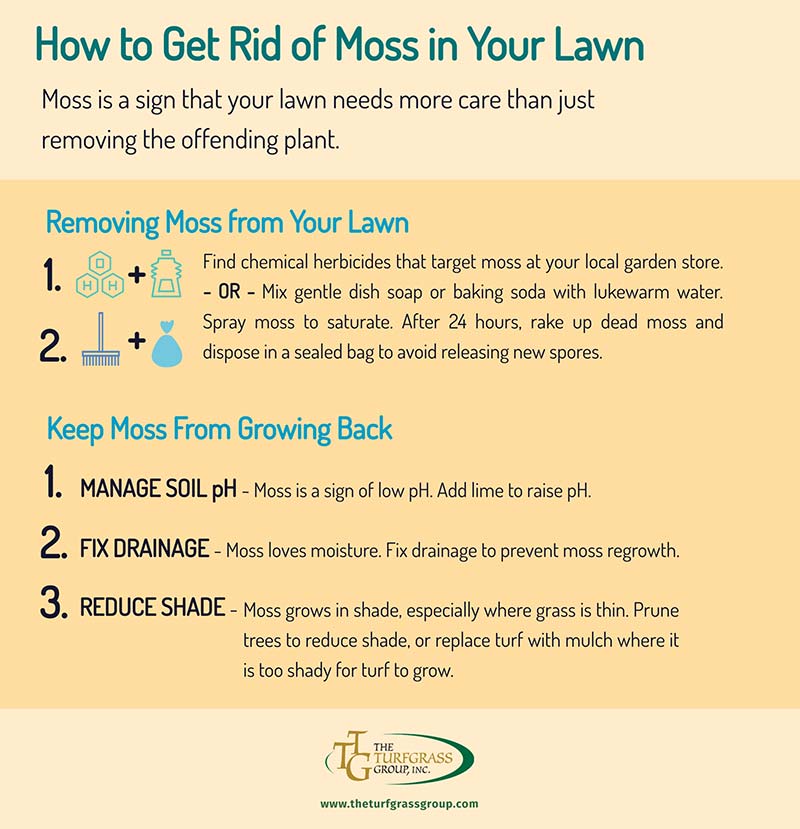
Image Source: theturfgrassgroup.com
Why Does Moss Appear in My Lawn?
Moss thrives in conditions that grass struggles with. It doesn’t need soil to grow; it just needs moisture and shade. If your lawn has moss, it’s usually a sign of underlying issues.
Common Culprits Behind Moss Growth
- Poor Drainage: Moss loves damp conditions. If water pools on your lawn or drains slowly, moss will likely find a happy home.
- Heavy Shade: Grass needs sunlight to grow strong. In shady areas, grass struggles, creating an open invitation for moss.
- Compacted Soil: Compacted soil prevents water and air from reaching grass roots. This weakens the grass and makes it susceptible to moss.
- Low Soil Fertility: Grass needs nutrients to grow vigorously. If your soil is lacking in essential nutrients, the grass will be weak, and moss can take over.
- Low pH (Acidic Soil): Most lawn grasses prefer a slightly acidic to neutral soil pH. If your soil is too acidic, moss can outcompete the grass.
- Over-watering: Ironically, giving your lawn too much water can also create the damp conditions moss loves.
Effective Methods for Removing Moss
Getting rid of moss involves a multi-step process. You’ll need to remove the existing moss and then address the conditions that allowed it to grow in the first place.
Step 1: Assess the Situation
Before you start any moss treatment, take a good look at your lawn. Identify the areas with the most moss and try to figure out why it’s growing there. Is it a particularly shady spot? Does it stay wet after rain? This assessment will guide your treatment plan.
Step 2: Manual Removal
For smaller patches or when you first notice moss, manual removal can be effective.
Tools for Manual Removal:
- Stiff-bristled brush: A wire or stiff-bristled broom can be used to scrape moss away.
- Turf rake: A specialized rake with sharp tines can pull out moss and thatch.
- Hoe or spade: For stubborn, thick patches, you might need a hoe or spade to lift it out.
The Process:
- Wet the moss: Lightly dampen the mossy areas. This makes it easier to pull out.
- Scrape or rake: Use your chosen tool to vigorously scrape or rake the moss from the lawn. Try to get as much of the root system as possible.
- Collect and dispose: Gather all the removed moss and dispose of it properly. Don’t leave it lying around, as it can re-infest.
Step 3: Chemical Moss Killers
For more widespread moss problems, a chemical moss killer is often necessary. These products are designed to kill the moss, making it easier to remove.
Popular Moss Killer Options:
- Iron Sulfate (Ferrous Sulfate): This is a common and effective ingredient in many moss killers. It kills moss on contact and also helps to fertilize the lawn with iron, which can improve grass color.
- Detergents: Some household detergents can be used as a DIY moss killer, but they can also harm grass if not used carefully.
- Commercial Moss Control Products: Many garden centers offer specific moss killer formulations. Always follow the product instructions carefully.
How to Use a Moss Killer:
- Choose the right time: Apply moss killer when the moss is actively growing, usually in spring or autumn. Avoid applying during very hot or dry weather, as this can stress your lawn.
- Follow product instructions: Each product will have specific dilution rates and application methods. Read and follow them precisely.
- Apply evenly: Use a sprayer or spreader to ensure even coverage over the affected areas.
- Wait and rake: Allow the moss killer to work for a few days. The moss will typically turn black or brown. Once dead, rake it out of the lawn as described in the manual removal step.
Step 4: Raking and Dethatching
After killing the moss, thorough raking is crucial. This removes the dead moss and also helps to loosen any compacted thatch.
What is Dethatching?
Dethatching is the process of removing the layer of dead grass and organic matter that builds up between the soil and the actively growing grass blades. This layer, called thatch, can become dense and prevent air, water, and nutrients from reaching the soil. Moss loves to grow in thatch.
Dethatching Tools:
- Dethatching rake: Similar to a turf rake, but often with stiffer, more angled tines.
- Power dethatcher/scarifier: For larger lawns, a motorized machine can make the job much easier.
The Dethatching Process:
- Dethatch after killing moss: This is best done once the moss has been treated and is dead.
- Work in two directions: Rake or use the dethatcher in one direction, then go over the same area at a 90-degree angle. This ensures all the thatch and dead moss is lifted.
- Clear away debris: Rake up all the loosened material and dispose of it.
Step 5: Lawn Aeration
Lawn aeration is a vital step in preventing moss by addressing compacted soil. It involves creating small holes in the soil to allow air, water, and nutrients to penetrate more easily.
Benefits of Aeration:
- Reduces soil compaction: This is key to allowing grass roots to grow deeper and stronger.
- Improves drainage: Helps water to soak into the ground rather than sitting on the surface.
- Enhances nutrient uptake: Allows fertilizers to reach the root zone.
- Promotes healthy root growth: Stronger roots lead to a more resilient lawn.
Aeration Methods:
- Core Aeration: This is the most effective method. It uses a machine to pull out plugs of soil. These plugs break down naturally, further improving soil structure.
- Spike Aeration: This method uses spikes to poke holes in the soil. It’s less effective than core aeration but can be a good option for very light compaction.
When to Aerate:
The best times for aeration are during the active growing seasons for your grass type – spring or autumn for cool-season grasses, and late spring or early summer for warm-season grasses. Aerating after dethatching is also a good practice.
Preventing Moss from Returning
Removing moss is only half the battle. The real goal is to create a lawn environment where moss cannot thrive. This means improving the overall health of your grass.
1. Improve Sunlight Exposure
- Prune overhanging branches: Trim trees and shrubs that are casting heavy shade on your lawn.
- Consider shade-tolerant grass varieties: If you have persistently shady areas, you might need to overseed with grass types that tolerate shade better.
2. Enhance Drainage
- Address low spots: Fill in any depressions in your lawn where water tends to collect.
- Improve soil structure: Aeration and adding organic matter (like compost) can significantly improve drainage over time.
- Consider French drains: For severe drainage problems, you might need to install a drainage system.
3. Correct Soil pH
- Test your soil: Get a soil test from your local extension office or use a home testing kit. This will tell you the pH level.
- Adjust pH if necessary:
- To raise pH (make less acidic): Apply agricultural lime.
- To lower pH (make less alkaline): Apply elemental sulfur.
- Always follow the recommendations from your soil test for application rates.
4. Fertilize Properly
- Feed your grass: A well-fed lawn is a strong lawn that can outcompete moss.
- Use a balanced fertilizer: Apply fertilizer according to your soil test recommendations and the season.
- Avoid over-fertilizing: Too much fertilizer, especially nitrogen, can make grass grow too quickly and weakly, making it more susceptible to problems.
5. Water Wisely
- Water deeply and infrequently: Encourage grass roots to grow deeper by watering thoroughly only when the lawn needs it.
- Avoid frequent, shallow watering: This keeps the surface soil moist, which moss loves.
- Water in the morning: This allows the grass blades to dry off during the day, reducing the risk of fungal diseases and moss growth.
6. Overseed Sparse Areas
- Fill in the gaps: If your lawn has thin or bare patches, moss will quickly move in. Overseeding these areas with a quality grass seed will create a denser lawn that is more resistant to moss.
- Choose the right seed: Select a grass seed variety that is suited to your climate and the light conditions in your yard.
7. Regular Lawn Care Maintenance
Consistent lawn care is your best defense against moss. This includes:
- Mowing at the correct height: Taller grass shades the soil, keeping it cooler and moister, which is good for the grass roots but can also encourage moss in some conditions. However, cutting grass too short stresses it and makes it vulnerable. Aim for the higher end of the recommended mowing height for your grass type.
- Regular dethatching and aeration: As mentioned, these are crucial for preventing the conditions that moss likes.
- Weeding: Remove weeds as they appear, as they can also create bare spots where moss can establish.
Dealing with Moss on Hard Surfaces
Moss doesn’t just grow on lawns; it can also be a problem on patios, pathways, and driveways.
Methods for Hard Surfaces:
- Scrubbing: A stiff brush and soapy water can remove moss from hard surfaces.
- Boiling water: Pouring boiling water over moss can kill it. Be careful not to splash yourself.
- Vinegar solution: A mixture of white vinegar and water can be sprayed on moss. It’s a natural moss treatment, but it can also affect the pH of surrounding soil.
- Commercial cleaners: There are specific moss and algae cleaners available for hard surfaces.
- Pressure washing: This is very effective for removing moss from patios and driveways, but use a low-pressure setting on delicate surfaces to avoid damage.
Timeline for Moss Removal and Prevention
Getting rid of moss and keeping it away is a process, not a quick fix. Here’s a general timeline:
| Stage | Activity | Timing |
|---|---|---|
| Initial Removal | Manual removal, application of moss killer, raking/dethatching | Spring or Autumn |
| Soil Improvement | Aeration, soil testing, pH adjustment, adding organic matter | After initial removal, during growing season |
| Prevention | Overseeding, proper watering, fertilization, branch pruning, ongoing monitoring | Throughout the year, especially Spring/Autumn |
Troubleshooting Common Moss Issues
| Problem | Possible Cause | Solution |
|---|---|---|
| Moss returns quickly | Underlying conditions (shade, moisture, compaction) not addressed. | Re-evaluate and address the root causes. Ensure thorough dethatching and aeration. |
| Grass is damaged by moss killer | Over-application, wrong product, or applied in extreme weather. | Always follow product instructions. Test in a small area first. Water the lawn thoroughly after applying if heavy rain isn’t expected. |
| Moss is still present after treatment | Incomplete removal or product wasn’t effective. | Reapply moss killer if necessary (following instructions). Ensure thorough raking to remove dead moss. Consider a different type of moss killer. |
| Moss is only in shady areas | Natural preference for shade. | Trim trees/shrubs to increase light. Consider shade-tolerant grass seed for these areas. |
| Moss in compacted, bare spots | Lack of grass cover allows moss to establish. | Aerate the soil. Overseed with appropriate grass seed. Water and fertilize to encourage growth. |
Frequently Asked Questions (FAQ)
Q1: Will moss kill my grass?
While moss doesn’t directly kill grass, it can weaken it by competing for light, water, and nutrients. More importantly, the conditions that allow moss to thrive (like shade, poor drainage, and compaction) are what truly harm your grass.
Q2: Can I use bleach to kill moss in my lawn?
It is generally not recommended to use bleach on your lawn. While it can kill moss, it can also severely damage or kill your grass and harm beneficial soil microorganisms. It’s better to use products specifically designed for moss control or natural alternatives like vinegar (used cautiously).
Q3: How often should I aerate my lawn?
For most lawns, aerating once a year is sufficient. If you have particularly heavy clay soil or severe compaction issues, you might aerate twice a year. Always aim to aerate during the active growing seasons.
Q4: What is the best time of year to get rid of moss?
The best times to treat moss are typically spring and autumn. These are periods when the moss is actively growing, and your grass is also actively growing, making it more resilient to treatment and better able to recover.
Q5: Is moss a sign of unhealthy soil?
Yes, moss is often a strong indicator that there are underlying problems with your soil or lawn environment. These problems typically include poor drainage, soil compaction, low soil fertility, or excessive shade. Addressing these issues is key to long-term moss control.
Q6: How long does it take for moss killer to work?
Most moss killers will show results within a few days to a week. The moss will typically turn black or brown and then needs to be raked out of the lawn.
By consistently applying these lawn care practices and addressing the underlying causes of moss growth, you can create a lush, green, and healthy lawn that is free from moss for good. Remember, preventing moss is always easier than constantly removing it. Good garden maintenance is your best ally.