
Can you get rid of clover from a lawn? Yes, you absolutely can! Dealing with clover in your grass can be a common frustration for many homeowners. This small, three-leaved plant, often with white flowers, can quickly spread and outcompete your desired turf. But don’t despair, there are many effective ways to tackle clover and reclaim a healthy, lush lawn. This guide will walk you through various strategies for clover removal, from gentle natural methods to more robust chemical solutions, helping you achieve a beautiful lawn through smart lawn care clover practices.
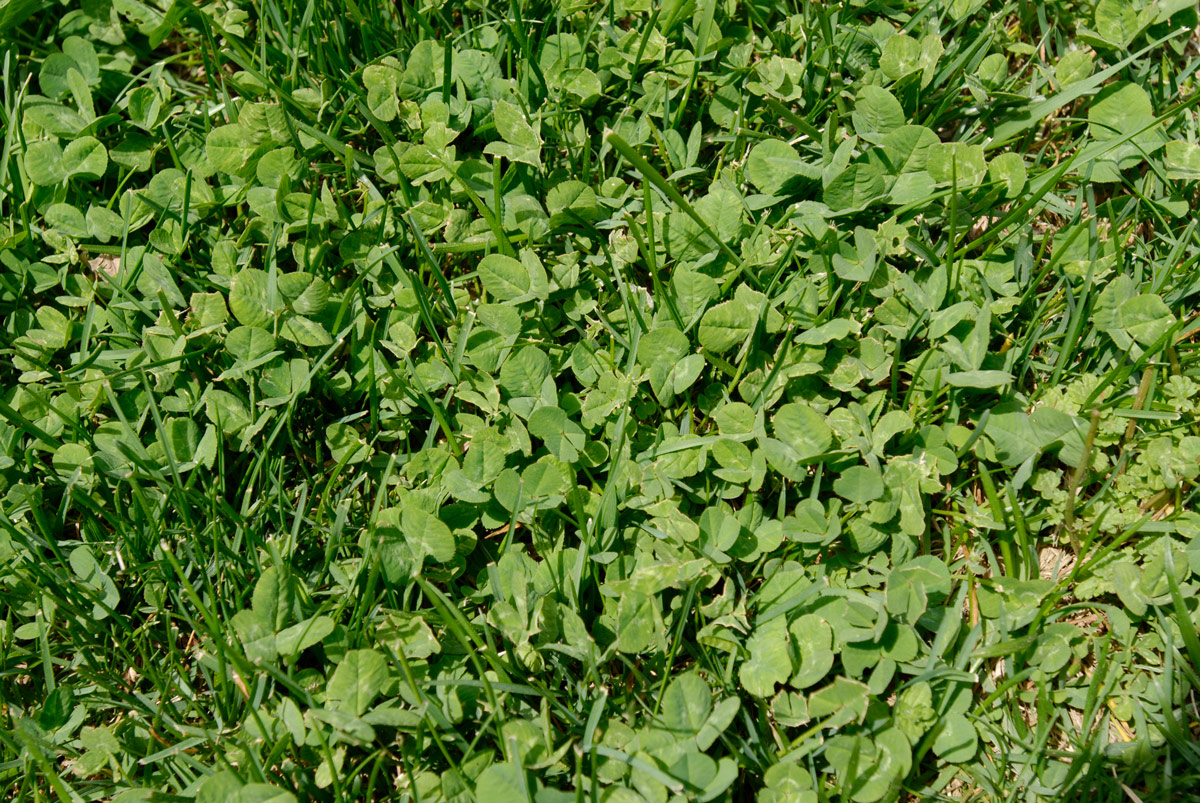
Image Source: naturalawn.com
Why Does Clover Like Your Lawn?
Before we dive into how to get rid of clover, it’s helpful to understand why it thrives in certain lawn conditions. Clover, specifically white clover (Trifolium repens), is a nitrogen-fixing plant. This means it can pull nitrogen from the air and convert it into a form that plants can use. While this is beneficial for clover, it also signals something about your soil.
Common reasons clover thrives:
- Low Nitrogen Levels: Your grass might be struggling due to a lack of nitrogen. Clover steps in to fill this void.
- Compacted Soil: Heavily compacted soil makes it hard for grass roots to grow deeply. Clover has shallow roots and can tolerate these conditions better.
- Poor Drainage: Areas that stay wet can also favor clover growth.
- Mowing Too Short: Cutting your grass too low weakens it, making it susceptible to weeds like clover.
- Drought Stress: When grass is stressed by dry conditions, it becomes weaker, and clover, being more resilient, can take over.
Strategies for Clover Removal
There are several approaches you can take to eliminate clover from your lawn. The best method often depends on the severity of the infestation, your preference for organic or chemical solutions, and the overall health of your lawn.
Manual Clover Removal
For small patches of clover, manual removal can be quite effective. This is a great option for those who prefer a natural clover removal approach and want immediate results for isolated spots.
How to Manually Remove Clover:
- Timing is Key: The best time to pull clover is when the soil is moist, making it easier to get the entire root system. After a good rain or watering is ideal.
- Use the Right Tools: A weeding tool with a narrow blade or a dandelion digger is very useful. These tools help you get deep into the soil to loosen the roots.
- Get the Root: Carefully slide the tool around the clover plant, aiming to loosen the soil around the taproot.
- Pull Gently: Once the root is loosened, gently pull the clover plant straight up. Try to remove as much of the root system as possible.
- Dispose Properly: Place the removed clover in a bag and dispose of it in your compost or trash. This prevents seeds from spreading.
- Repair the Spot: After removing the clover, you might have a bare patch of soil. Fill this with a bit of compost or topsoil and reseed with your grass type. Keep the area moist until the new grass establishes.
Pros of Manual Removal:
- Completely natural and eco-friendly.
- No chemicals used, safe for pets and children.
- Precise removal of individual plants.
- Immediate visual improvement in targeted areas.
Cons of Manual Removal:
- Time-consuming and labor-intensive, especially for large infestations.
- May not remove all root fragments, leading to regrowth.
- Can disturb the surrounding grass if not done carefully.
Natural Clover Removal Methods
If you’re looking for natural clover removal options, there are several effective strategies that avoid harsh chemicals. These methods focus on improving your lawn’s health so it can naturally outcompete the clover.
Improve Lawn Health: The Best Defense
The most sustainable way to get rid of clover is to make your lawn less hospitable to it. This involves addressing the underlying issues that allow clover to thrive.
- Fertilize Appropriately: A healthy lawn with adequate nitrogen is the best defense against clover. Use a balanced fertilizer specifically designed for lawns. Apply it according to the product’s instructions, typically in the spring and fall. This provides the nutrients your grass needs to grow thick and strong.
- Mow at the Correct Height: Aim to mow your grass at a height of 3-4 inches. Longer grass blades shade the soil, preventing weed seeds from germinating and making it harder for low-growing clover to get sunlight.
- Water Deeply and Infrequently: Water your lawn deeply a few times a week, rather than lightly every day. This encourages grass roots to grow deeper, making the lawn more drought-tolerant and less susceptible to the conditions clover prefers.
- Aerate Compacted Soil: If your soil is compacted, aerating the lawn can help. Aeration involves removing small plugs of soil, which allows air, water, and nutrients to reach the grass roots and helps break up the dense conditions that favor clover.
- Overseed Thin Areas: If your lawn has bare or thin spots, overseeding with a quality grass seed appropriate for your region can help fill in these areas, leaving less room for clover to establish.
Other Natural Treatments
- Corn Gluten Meal: This is a pre-emergent weed suppressant that can also be used as a natural fertilizer. It works by inhibiting root formation in germinating seeds. Apply corn gluten meal in early spring before clover seeds (or grass seeds) have a chance to sprout. It’s important to note that this is a preventative measure and will not kill existing clover.
- Vinegar (Horticultural Strength): While household vinegar (5% acetic acid) has limited effectiveness and can damage grass, horticultural vinegar (10-20% acetic acid) can be used as a spot treatment for clover. Caution: This is a contact killer and will brown any plant it touches, including your grass. Use it very carefully on a sunny, windless day, directly on the clover. It may require repeat applications and is best for small, contained patches.
Chemical Clover Treatment (Herbicides)
For more persistent or widespread clover infestations, chemical herbicides can be an effective solution. When using herbicides, it’s crucial to follow label instructions carefully to ensure safety and efficacy. Look for a clover killer that targets broadleaf weeds.
Types of Herbicides for Clover Control:
- Broadleaf Herbicides: These are designed to kill broadleaf weeds like clover without harming grasses. Many selective herbicides contain active ingredients such as 2,4-D, MCPP (mecoprop), and dicamba. These are commonly found in “weed and feed” products, although applying fertilizer and herbicide separately often allows for better timing and control.
- Post-Emergent Herbicides: These are applied to actively growing weeds. For effective weed control clover, apply a post-emergent herbicide when clover is young and actively growing, ideally in late spring or early fall when temperatures are mild (between 60-85°F) and there’s no rain expected for at least 24-48 hours.
How to Apply Herbicides for Clover:
- Identify the Right Product: Choose a herbicide specifically labeled for clover control and safe for your lawn type (e.g., fescue, bluegrass, rye). Read the label carefully.
- Timing is Crucial: Apply when clover is young and actively growing, and grass is also healthy and well-established. Avoid applying during hot, dry weather or when rain is imminent.
- Application Method: Herbicides are available in liquid concentrates (requiring dilution and spraying) and granular forms (applied with a spreader).
- Liquid Sprays: Mix according to label directions. Use a sprayer with a fan nozzle to ensure even coverage. Avoid overlapping passes, which can lead to over-application.
- Granular Applications: Use a calibrated spreader to ensure even distribution.
- Coverage: Aim for thorough coverage of the clover patches. Most selective herbicides work by being absorbed through the leaves.
- Follow-Up: Some clover may require a second application a few weeks later to ensure complete clover removal.
- Post-Application Care: Keep pets and children off the lawn until the spray has dried. Water your lawn a few days after application to help the grass recover and absorb any remaining herbicide.
Important Considerations for Chemical Treatment:
- Read the Label: Always, always read and follow the product label instructions. This includes application rates, safety precautions, and re-entry times.
- Weather Conditions: Avoid applying on windy days to prevent drift onto desirable plants. Do not apply when temperatures are above 85°F.
- Lawn Type: Ensure the herbicide is safe for your specific grass type.
- Environmental Impact: Consider the potential impact on pollinators and other beneficial insects.
What is Clover?
Clover is a low-growing, herbaceous plant belonging to the legume family. The most common type found in lawns is white clover (Trifolium repens), characterized by its trifoliate leaves (three leaflets) and small, white, pom-pom-like flower heads. Clover is a nitrogen-fixer, meaning it converts atmospheric nitrogen into a form usable by plants, which is why it often thrives in soils deficient in nitrogen, while simultaneously enriching the soil for itself.
Can I Spot Treat Clover?
Yes, you can absolutely spot treat clover! Spot treatment is an excellent strategy for managing clover when it’s not widespread across your entire lawn. This approach saves on chemical costs, reduces the amount of herbicide used in your yard, and minimizes the impact on your healthy grass. Manual removal and targeted spraying of herbicides are both effective spot treatment methods.
Clover in Grass: Best Practices for Lawn Care Clover
Managing clover in grass effectively is about creating a healthy environment for your turf so it can naturally outcompete the clover. This involves a consistent approach to lawn care clover management.
Key Practices:
- Consistent Fertilization: Feed your lawn with a balanced fertilizer in the spring and fall to ensure it has adequate nitrogen. This promotes vigorous growth, making the grass dense and able to shade out clover.
- Proper Mowing: Maintain a mowing height of 3-4 inches. This longer grass shades the soil, preventing weed seeds from germinating and stressing the clover.
- Adequate Watering: Deep, infrequent watering encourages strong, deep root systems in your grass, making it more resilient to drought and competition.
- Soil Aeration: Periodically aerate your lawn, especially if you have clay soil or notice compaction. This improves air, water, and nutrient penetration to the grass roots.
- Overseeding: In the fall, consider overseeding any thin or bare areas with a high-quality grass seed. This helps fill in gaps where clover might otherwise establish.
Effective Clover Treatment Options
When you need a direct clover treatment, choosing the right product and application method is key.
- Selective Broadleaf Herbicides: These are your best bet for targeting clover without harming most lawn grasses. Look for products containing a combination of active ingredients for broader spectrum control.
- Timing of Application: Apply herbicides when clover is actively growing, typically in late spring or early fall. Avoid applying during extreme heat or drought, as this can stress your lawn and reduce herbicide effectiveness.
- Follow-Up Treatments: Be prepared for the possibility of a second application. Clover can be persistent, and a follow-up treatment a few weeks later may be necessary to completely eliminate clover.
Getting Rid of Clover: A Step-by-Step Approach
Here’s a general plan to help you get rid of clover:
- Assess the Infestation: Determine how widespread the clover is. Are there just a few patches, or is it covering a significant portion of your lawn?
- Choose Your Method: Decide whether you’ll use manual removal, natural methods, or chemical herbicides based on your assessment and preferences.
- Prepare the Lawn: Mow your lawn a day or two before applying any treatment. If using manual removal, water the area beforehand.
- Execute the Treatment:
- Manual: Pull out as much clover as possible, ensuring you get the roots.
- Natural: Apply corn gluten meal in spring or focus on improving lawn health practices.
- Chemical: Apply a selective broadleaf herbicide according to the product label.
- Repair and Re-seed: Fill any bare spots with topsoil and reseed with grass. Keep the new seed moist until it germinates and establishes.
- Monitor and Maintain: Keep an eye on your lawn for any returning clover and address it promptly. Continue with good lawn care practices to prevent future infestations.
Clover Removal: Factors to Consider
When planning your clover removal strategy, several factors can influence your success.
- Soil pH: Clover prefers slightly acidic to neutral soil. If your soil is too acidic, applying lime can help raise the pH, making it less favorable for clover and more favorable for some grass types.
- Soil Compaction: As mentioned earlier, compacted soil is a haven for clover. Aerating your lawn annually or bianually can make a significant difference.
- Mowing Practices: Never scalp your lawn. Set your mower to the highest recommended setting for your grass type.
- Watering Habits: Overwatering or underwatering can both stress your grass and give clover an advantage. Aim for deep, infrequent watering.
Table: Comparing Clover Removal Methods
| Method | Pros | Cons | Best For |
|---|---|---|---|
| Manual Removal | Natural, no chemicals, precise, immediate results | Labor-intensive, may miss roots, can disturb grass | Small, isolated patches |
| Improve Lawn Health | Sustainable, prevents future growth, eco-friendly | Takes time, requires consistent effort, may not eliminate existing clover | Proactive approach, mild infestations |
| Corn Gluten Meal | Natural pre-emergent, fertilizer | Won’t kill existing clover, effectiveness can vary | Preventing new clover growth |
| Horticultural Vinegar | Natural contact killer | Kills grass on contact, requires careful application, repeat treatments | Very small, contained patches |
| Selective Herbicides | Effective on large infestations, targets clover specifically | Chemicals used, potential impact on environment, requires careful timing | Moderate to severe infestations |
Frequently Asked Questions (FAQ)
Q1: Will clover eventually die out on its own?
While clover can go dormant in very cold or very dry conditions, it’s a perennial plant and will likely return and spread unless its growth conditions are addressed or it’s actively removed. It doesn’t typically die out on its own without intervention.
Q2: Is clover bad for my lawn?
Clover isn’t inherently “bad” for a lawn in the sense that it’s a toxic plant. In fact, its nitrogen-fixing properties can benefit the soil. However, it’s considered a weed because it spreads aggressively, can choke out desirable grass species, and creates an uneven appearance with its white flowers. For most homeowners aiming for a uniformly green, manicured lawn, clover is unwanted.
Q3: How quickly can I expect to see results after applying a clover killer?
Results from chemical clover killer products typically become visible within a few days to a couple of weeks, depending on the product, weather conditions, and the clover’s growth stage. Natural methods, especially those focused on improving lawn health, may take a full growing season to show significant impact.
Q4: Should I remove clover before or after fertilizing?
For chemical treatments, it’s often best to apply the herbicide first when clover is actively growing. Wait for the herbicide to take effect (check the product label for recommended waiting times) before applying fertilizer. If you’re focusing on improving lawn health as your primary clover treatment, fertilizing is a key step that should be done when your grass is actively growing.
Q5: Can I use the same method to get rid of clover in a flower bed?
No, methods for clover removal in lawns are generally not suitable for flower beds. Lawn herbicides are specifically formulated for grass and can severely damage or kill ornamental plants. Manual removal is the safest method for clover in flower beds.
Conclusion
Getting rid of clover from your lawn is a achievable goal with the right approach. Whether you opt for meticulous manual clover removal, focus on building a healthier lawn that naturally outcompetes weeds, or decide to use a targeted chemical treatment, consistent effort is key. By understanding why clover thrives and implementing a tailored lawn care clover strategy, you can successfully eliminate clover and enjoy a lush, green, and weed-free lawn. Remember to always read product labels carefully and prioritize the health of your turf for long-term success.