
So, you’re wondering, “How do I get rid of my old lawn mower?” The most straightforward answer is that there are several options, ranging from selling and donating to proper recycling and professional disposal services. This guide will walk you through each method, ensuring you handle your lawn mower disposal responsibly and efficiently.
As your trusty mower reaches the end of its lifespan, you might find yourself asking, “What do I do with this old lawn mower?” or “Can I just throw my mower away?” The answer to the latter is generally no, especially if it contains hazardous materials like gasoline and oil. Improper disposal can harm the environment and may even lead to fines. This comprehensive guide will equip you with all the information you need to navigate old lawn mower removal with ease. We’ll cover everything from finding a buyer to understanding recycling programs, and even when to consider junk lawn mower pickup.
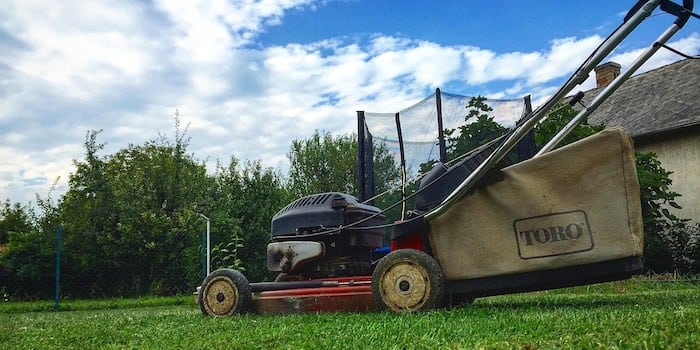
Image Source: goloadup.com
Deciding on the Best Disposal Method
Before you can say goodbye to your old mower, it’s essential to consider the best approach. Several factors will influence your decision, including the mower’s condition, your local regulations, and your personal preferences. Let’s explore the most common and responsible ways to handle your old mower.
Selling Your Old Mower
Is your mower still functional, even if it’s a bit dated? Then selling it is a fantastic way to recoup some of its original cost and give it a second life. Many people are looking for affordable lawn care equipment, and a working mower is always in demand.
Where to Sell Your Mower
- Online Marketplaces: Platforms like Craigslist, Facebook Marketplace, eBay, and local classifieds are excellent places to list your mower. Be sure to include clear photos, a detailed description of its condition, features, and any recent maintenance.
- Local Hardware Stores or Repair Shops: Some smaller shops may be willing to take gently used mowers on consignment or offer a trade-in value.
- Garage Sales: If you’re decluttering your entire property, a garage sale can be a good opportunity to sell your mower along with other unwanted items.
Tips for a Successful Sale
- Clean it Up: A little elbow grease goes a long way. Clean off dirt, grass clippings, and oil. A clean mower looks much more appealing.
- Perform Basic Maintenance: Change the oil, sharpen the blade, and ensure it starts and runs smoothly. This significantly increases its value and appeal.
- Be Honest About Condition: Disclose any known issues or necessary repairs. Buyers appreciate transparency.
- Price it Right: Research similar mowers in your area to set a competitive price.
- Drain Fluids: For safety and environmental reasons, it’s best to drain the gasoline and oil before a potential buyer picks it up, or if you’re shipping it (though local pickup is usually preferred for mowers).
Donating Your Lawn Mower
If selling isn’t an option or you simply want to contribute to a good cause, donating your mower is a commendable choice. Many organizations can benefit from functional lawn care equipment.
Where to Donate Your Mower
- Local Charities: Organizations that support low-income families, community gardens, or offer job training programs that involve landscaping might accept mower donations.
- Schools or Community Centers: Vocational schools or community centers with landscaping programs could use a working mower for training purposes.
- Habitat for Humanity ReStores: Some ReStore locations accept donated tools and equipment, including lawn mowers.
- Churches or Religious Organizations: Many churches have groundskeeping needs and might appreciate a donated mower.
What to Consider When Donating
- Ensure it Works: Most organizations prefer working equipment. If your mower needs minor repairs, consider fixing it before donating.
- Check Donation Policies: Before dropping off your mower, call the organization to confirm they accept lawn mowers and inquire about their specific donation procedures.
- Get a Receipt: For tax purposes, always ask for a donation receipt. Document the mower’s condition and estimated value.
Recycling Your Lawn Mower
When a mower is beyond repair or resale, recycling is the most environmentally responsible option. Lawn mowers contain metal, plastic, and potentially hazardous fluids, all of which can be processed and repurposed.
Why Recycle Your Mower?
- Environmental Protection: Proper recycling prevents harmful fluids like oil and gasoline from leaking into the soil and water.
- Resource Conservation: Recycling salvures valuable materials like steel and aluminum, reducing the need for virgin resources.
- Waste Reduction: Keeps bulky items out of landfills, which are already overburdened.
How to Recycle Your Mower
- Local Recycling Centers: Many municipal recycling facilities or private recycling centers accept scrap metal and appliances. Some may specialize in yard equipment.
- Scrap Metal Yards: These businesses specifically deal with recycling metal. They will often pay you by weight for the metal components. You’ll likely need to drain all fluids and remove non-metal parts like plastic casings and engines (which may require separate handling).
- Local Hazardous Waste Facilities: If your mower has residual fuel or oil, some hazardous waste collection sites might accept it, or they can advise you on the proper disposal of these components.
- Mower Manufacturers or Retailers: Occasionally, manufacturers or large retailers offer take-back or recycling programs, especially when purchasing a new mower.
Preparing Your Mower for Recycling
This is a crucial step for responsible mower disposal.
- Drain All Fluids:
- Gasoline: Carefully drain the fuel tank into an approved container. Never pour gasoline into drains or onto the ground. Take it to a household hazardous waste collection site or a facility that accepts used motor oil and gasoline.
- Oil: Tilt the mower to drain the engine oil into a leak-proof container. Similar to gasoline, used motor oil should be taken to a designated collection point.
- Remove Batteries (if applicable): Electric mowers with batteries will need the battery removed. Batteries often have their own recycling streams. Check with your local recycling center for battery disposal guidelines.
- Check for Other Hazardous Materials: Some older mowers might contain other materials that require special handling.
Hiring Mower Disposal Services
If you prefer a hassle-free experience or lack the time or means to handle the disposal yourself, specialized mower disposal services are available. These companies handle everything from pickup to responsible disposal or recycling.
When to Use a Disposal Service
- Mower is Non-Functional: If the mower is broken and you don’t want to deal with draining fluids or transporting it.
- Lack of Transportation: You don’t have a truck or trailer to move the mower.
- Convenience: You simply want someone else to take care of it.
- Bulk Disposal: If you’re clearing out a property and have multiple items to remove.
Types of Disposal Services
- Junk Removal Companies: These companies offer general junk lawn mower pickup and disposal. They typically charge a fee based on the volume of items they remove and their labor.
- Waste Management Companies: Some local waste management providers offer bulk item pickup services for a fee.
- Scrap Metal Haulers: If you’ve already drained fluids and done some basic dismantling, you might find services that specialize in picking up scrap metal for recycling.
What to Expect from a Disposal Service
- Quote: Most services will provide a quote based on the item’s size, weight, and your location.
- Scheduling: You’ll schedule a time for them to pick up the mower.
- Pickup: The service will arrive, load the mower, and haul it away.
- Disposal Method: Reputable services will inform you about how they plan to dispose of or recycle the mower. Ask about their environmental practices.
Specific Disposal Scenarios and Considerations
Let’s delve deeper into some common situations and specific details to make your lawn mower disposal process even smoother.
Riding Mowers and Zero-Turn Mowers
Larger mowers like riding mowers and zero-turn mowers present a slightly different challenge due to their size and weight.
- Selling/Donating: The same principles apply, but be prepared for buyers or donation recipients who can transport it. Mentioning “needs pickup” is crucial.
- Recycling: These are often easier to sell to scrap metal yards because they contain a significant amount of metal. However, draining fluids is even more critical due to larger fuel tanks and hydraulic systems. Removing the engine might be necessary for some scrap yards.
- Disposal Services: Due to their size, hiring a junk lawn mower pickup service is often the most practical option if you don’t have the means to transport it.
Electric and Battery-Powered Mowers
The disposal of electric mowers differs slightly, primarily due to the battery.
- Battery Disposal: Lithium-ion and other types of mower batteries are considered hazardous waste and require special handling. Many electronics recycling centers or battery retailers accept them. Never throw batteries in the regular trash.
- Recycling the Mower: Once the battery is removed, the remaining mower can be recycled similarly to gas-powered ones, focusing on metal and plastic components.
Considerations for Hazardous Materials
This is perhaps the most critical aspect of responsible mower disposal.
- Gasoline and Oil: As mentioned, these must be handled with care. Local auto parts stores, service stations, or dedicated hazardous waste facilities are your best bet for disposing of drained gasoline and used motor oil.
- Other Fluids: Some older mowers might have hydraulic fluids or other lubricants that also need proper disposal. Consult your local waste authority for guidance.
Planning Your Mower Disposal: A Step-by-Step Approach
To make the process straightforward, follow these steps:
- Assess the Mower’s Condition:
- Is it working?
- Does it need minor repairs?
- Is it completely broken down?
- Research Local Options:
- Search online for “lawn mower recycling near me,” “scrap metal yards,” “donate lawn mower,” or “junk removal services.”
- Check your city or county government website for information on waste disposal and recycling programs.
- Prepare the Mower:
- If selling or donating, clean and perform basic maintenance.
- If recycling, drain all fluids (gas, oil) safely and responsibly. Remove the battery if it’s an electric model.
- Choose Your Method:
- Sell: List it online or locally.
- Donate: Contact organizations that accept mowers.
- Recycle: Transport it to a recycling center or scrap yard.
- Hire a Service: Arrange for junk lawn mower pickup.
- Execute the Disposal:
- Coordinate pickup or drop-off.
- Ensure all paperwork (if any) is completed.
FAQs About Lawn Mower Disposal
Here are answers to some common questions about getting rid of your old mower.
What is the most eco-friendly way to dispose of a lawn mower?
The most eco-friendly way to dispose of a lawn mower is to recycle lawn mower components. This involves draining all hazardous fluids responsibly and taking the mower to a scrap metal facility or an appliance recycling center that handles such items.
Can I leave my old lawn mower on the curb for trash collection?
In most areas, you cannot simply leave an old lawn mower on the curb for regular trash collection, especially if it contains fluids like gasoline or oil. Many municipalities have specific rules for bulk item disposal and hazardous waste. Check with your local sanitation department for their guidelines.
How do I drain gasoline from my lawn mower?
To drain gasoline, ensure the mower is off and cool. Place an approved container under the fuel tank and unscrew the drain plug or use a siphon pump to extract the fuel. Never pour gasoline down drains or on the ground. Take used gasoline to a household hazardous waste collection site.
What should I do with used motor oil from my lawn mower?
Used motor oil is a hazardous waste and should be collected in a sealed container. Most auto parts stores, service stations, and local recycling centers have collection points for used motor oil.
Is it illegal to dispose of a lawn mower improperly?
Yes, it can be illegal and harmful to the environment to dispose of a lawn mower improperly, particularly by leaving hazardous fluids in the landfill or dumping them. Many local ordinances carry fines for such actions.
What if my old lawn mower is broken?
If your old lawn mower is broken, your best options are typically recycling it at a scrap metal yard or using a junk lawn mower pickup service. Selling it “as-is” for parts might also be an option for those who can repair it.
How can I find a local scrap metal yard that accepts lawn mowers?
You can find local scrap metal yards by searching online for “scrap metal yards near me” or “where to sell scrap metal.” It’s advisable to call ahead to confirm they accept lawn mowers and to inquire about their preparation requirements (like draining fluids).
Can I donate a lawn mower that needs some repairs?
Some organizations might accept a mower needing minor repairs, but it’s best to call them first. For significant or costly repairs, selling it for parts or recycling might be a better option.
What are the benefits of using a mower disposal service?
Using a mower disposal service offers convenience, saves you time, and ensures the mower is handled responsibly. They often have the necessary equipment for transport and understand proper disposal procedures, saving you the hassle.
How much does it cost to dispose of a lawn mower?
The cost varies significantly. Selling or donating a working mower can earn you money or be free. Recycling at a scrap yard might yield a small payment or have a minimal drop-off fee. Hiring a professional junk lawn mower pickup service can cost anywhere from $50 to $200 or more, depending on your location and the service provider.
By following this comprehensive guide, you can confidently manage your old lawn mower removal in a way that is both convenient for you and beneficial for the environment. Whether you choose to sell old mower, donate lawn mower, recycle lawn mower, or enlist mower disposal services, you’re making a responsible choice for how to get rid of mower.