
Wondering how much a yard of mulch costs? The price for one yard of mulch typically ranges from $25 to $75, depending on the type of mulch, where you buy it, and if you need delivery. This guide will help you figure out the exact cost for your project.
Mulch is a gardener’s best friend. It makes flower beds look neat, helps plants grow, and keeps weeds away. But before you can enjoy these benefits, you need to know how much mulch to buy and how much it will cost. Let’s dive in!
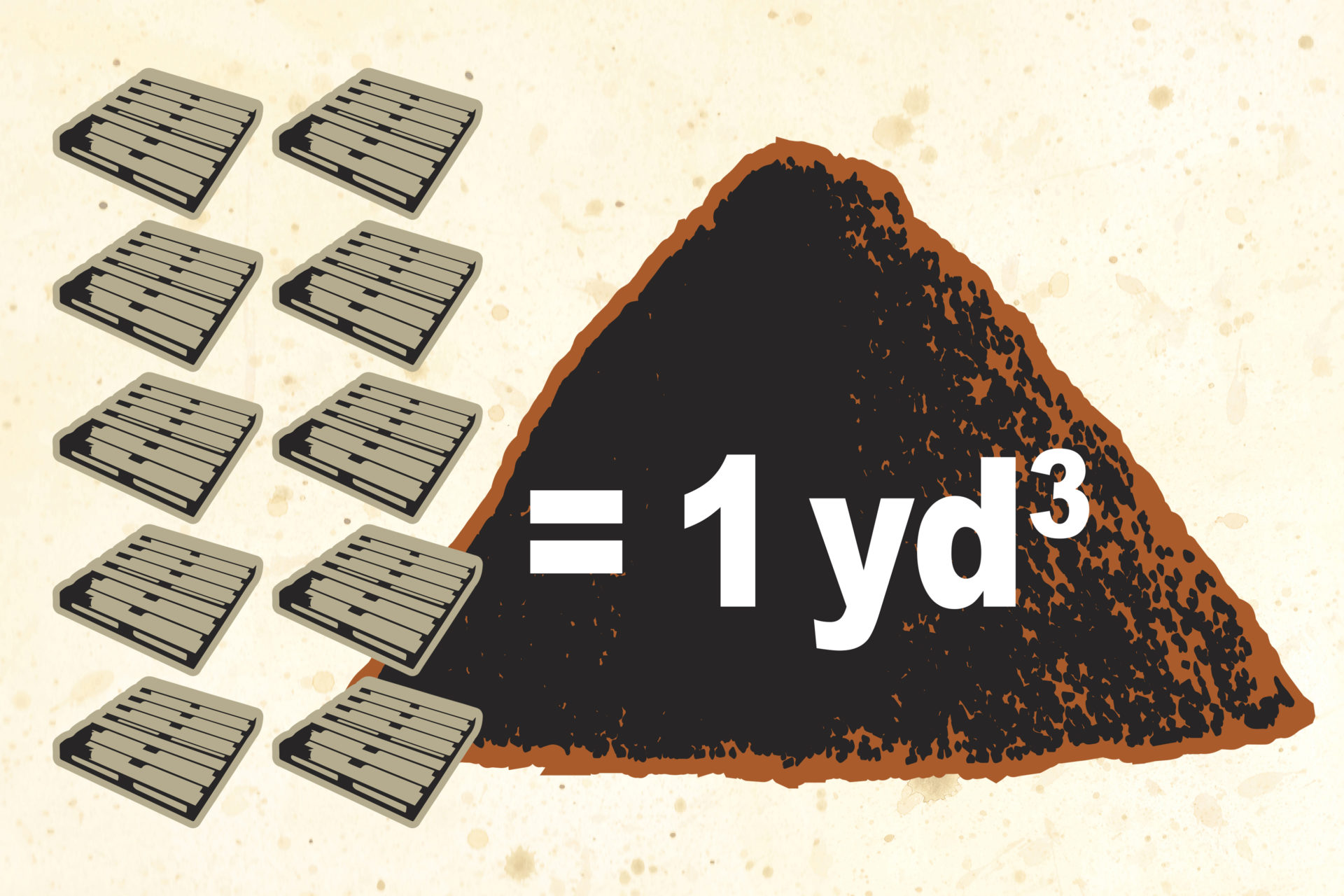
Image Source: www.rotochopper.com
Figuring Out How Much Mulch You Need
Before you can ask “how much is 1 yard of mulch?”, you need to know how many yards you need. This is where a bit of simple math and a mulch volume calculator come in handy.
Measuring Your Mulch Area
The first step is to measure the area you want to cover. You’ll need a tape measure for this.
- Measure the Length: Use your tape measure to find the length of the area.
- Measure the Width: Measure the width of the area.
- Calculate Square Footage: Multiply the length by the width. This gives you the square footage of your project area.
Example: If your flower bed is 10 feet long and 5 feet wide, the area is 10 ft * 5 ft = 50 square feet.
Determining Mulch Depth
Mulch should generally be applied at a depth of 2 to 4 inches. For most applications, 3 inches is a good target. This depth helps suppress weeds and retain moisture effectively.
Converting Depth to Feet
Since you’re calculating area in square feet and mulch is sold in cubic yards, you need to convert your desired depth from inches to feet.
- 1 inch = 0.0833 feet (1 divided by 12)
- 3 inches = 0.25 feet (3 divided by 12)
Calculating Cubic Feet
Now, multiply your area in square feet by your desired depth in feet to get the volume in cubic feet.
Formula: Area (sq ft) x Depth (ft) = Volume (cubic ft)
Example: For our 50 sq ft flower bed with a 3-inch (0.25 ft) depth: 50 sq ft * 0.25 ft = 12.5 cubic feet.
Converting Cubic Feet to Cubic Yards
Mulch is sold by the cubic yard. There are 27 cubic feet in 1 cubic yard (3 ft x 3 ft x 3 ft = 27 cubic ft). To find out how many cubic yards you need, divide your total cubic feet by 27.
Formula: Volume (cubic ft) / 27 = Volume (cubic yards)
Example: For our 12.5 cubic feet of mulch: 12.5 cubic ft / 27 = 0.46 cubic yards.
Since you can’t buy fractions of a yard easily, you’ll likely round up to the nearest whole or half yard. In this case, you’d need about 0.5 cubic yards of mulch. It’s always good to buy a little extra to account for settling and any areas you might have missed.
Using a Mulch Calculator
Many online stores and gardening websites offer a mulch calculator. These tools make the process much easier. You simply enter your dimensions (length, width, and desired depth), and the calculator does the rest, telling you exactly how many cubic yards you need. This is a great way to avoid guesswork.
The Cost of Mulch: What Influences the Price?
So, you know how much you need. Now, let’s talk about the cost of mulch. The price of mulch can vary significantly based on several factors.
Mulch Prices by Type
The type of material used for mulch is the biggest driver of price. Different materials offer different aesthetic qualities, longevity, and benefits.
Wood Mulches
Wood mulches are very popular due to their natural look and longevity.
- Shredded Bark Mulch: Often made from pine, cedar, or cypress. It’s long-lasting and has a pleasant aroma. Prices can range from $30 to $60 per cubic yard.
- Wood Chips: These are larger pieces of wood, often from recycled pallets or trees. They are durable and cost-effective. Expect to pay $25 to $50 per cubic yard.
- Cypress Mulch: Known for its resistance to decay and insects, cypress mulch is a premium choice. This can push the price higher, often in the $40 to $70 per cubic yard range.
- Cedar Mulch: Similar to cypress in its durability and insect-repelling properties, cedar mulch is also on the pricier side, typically $40 to $65 per cubic yard.
- Pine Bark Mulch: A common and attractive option, pine bark mulch is generally more affordable, ranging from $30 to $55 per cubic yard. It decomposes faster than cedar or cypress.
- Black or Red Mulch (Dyed Mulch): These mulches are typically made from wood products that are dyed for a more vibrant appearance. The dyeing process adds to the cost. Prices can be similar to or slightly higher than natural wood mulches, often $35 to $65 per cubic yard. The dye can sometimes fade over time or stain surfaces.
Other Mulch Types
Beyond wood, other materials are used for mulching, each with its own price point.
- Compost Mulch: Made from decomposed organic matter, compost is excellent for improving soil health. It’s often priced similarly to basic wood mulches, around $30 to $50 per cubic yard.
- Shredded Leaf Mulch: A very eco-friendly option, often made from yard waste. It’s generally inexpensive, sometimes available for $20 to $40 per cubic yard, or even free from local municipal composting facilities. It decomposes relatively quickly.
- Rubber Mulch: Made from recycled tires, this mulch is very durable and doesn’t decompose. It’s good for playgrounds and some landscaping but can be more expensive upfront. Expect $50 to $100 per cubic yard.
- Straw Mulch: A common choice for vegetable gardens to retain moisture and suppress weeds. It’s usually sold in bales rather than cubic yards, but if calculated, it’s one of the cheapest options, around $15 to $30 per cubic yard. It decomposes quickly and can sometimes introduce weed seeds.
Bagged Mulch vs. Bulk Mulch
The way mulch is sold also affects the price per yard.
-
Bagged Mulch: Mulch is typically sold in bags that contain about 2 cubic feet. To get a cubic yard (27 cubic feet), you would need approximately 13.5 bags (27 / 2 = 13.5).
- Cost per Bag: Bags usually range from $3 to $8 each.
- Cost per Cubic Yard (Bagged): This works out to roughly $39 to $108 per cubic yard ($3 x 13.5 = $40.50; $8 x 13.5 = $108).
- Pros: Convenient for small projects, easy to transport if you have a car or small truck, you buy exactly what you need.
- Cons: More expensive per cubic yard than bulk, more plastic waste, can be heavy to carry.
-
Bulk Mulch: Mulch bought in large quantities, usually delivered by a truck. This is generally the most economical option for larger projects.
- Cost per Cubic Yard (Bulk): As we’ve seen, this typically ranges from $25 to $75.
- Pros: Much cheaper per cubic yard, less packaging waste, convenient if a lot of mulch is needed.
- Cons: Requires a truck or trailer for pickup, delivery fees can apply, you often have to buy a minimum amount.
When comparing bagged mulch vs bulk, bulk is almost always the more cost-effective choice if you need more than about 3-4 cubic yards.
Where You Buy Mulch
The retail location can also influence mulch per cubic yard pricing.
- Garden Centers and Nurseries: These often have a wide selection of high-quality mulches and knowledgeable staff. Prices might be slightly higher due to overhead and premium products.
- Big Box Home Improvement Stores (e.g., Home Depot, Lowe’s): These stores typically offer competitive pricing, especially on bagged mulch and common bulk varieties. They are a good option for both small and medium-sized projects.
- Landscape Supply Yards: These are your go-to for bulk mulch. They cater to professionals but welcome DIYers. You’ll find the best prices for bulk mulch cost here.
- Online Retailers: Some online stores offer mulch delivery, but shipping costs can significantly increase the overall price. It’s often best to buy from local suppliers.
Mulch Delivery Cost
If you buy mulch in bulk and don’t have a way to transport it yourself, you’ll need to consider mulch delivery cost.
- Delivery Fees: These can vary greatly depending on the supplier and your location. Some companies offer free delivery for large orders, while others charge a flat fee or a per-mile rate.
- Minimum Order: Many suppliers have a minimum order quantity for delivery, often around 2 or 3 cubic yards.
- Calculating Delivery: It’s crucial to ask about delivery charges when you get a quote. A $40/yard mulch could end up costing more than $60/yard if delivery fees are high.
Example: If mulch is $40/yard and delivery is $50, and you order 3 yards:
Total Cost = (3 yards * $40/yard) + $50 delivery = $120 + $50 = $170.
This makes the cost per yard $170 / 3 = $56.67.
Other Potential Costs
- Labor: If you’re not doing the work yourself, the cost of labor for spreading mulch needs to be factored in.
- Tools: You might need a wheelbarrow, shovel, and rake.
Price Breakdown: How Much is 1 Yard of Mulch?
Let’s consolidate the pricing to give you a clearer picture of how much is 1 yard of mulch.
| Mulch Type | Typical Price Range (per Cubic Yard) | Notes |
|---|---|---|
| Basic Wood Chips | $25 – $45 | Durable, cost-effective, natural look. |
| Shredded Bark | $30 – $55 | Attractive, good longevity, variety of wood types. |
| Compost Mulch | $30 – $50 | Improves soil health, natural, decomposes faster. |
| Dyed Mulch | $35 – $65 | Vibrant color, can fade or stain, typically wood-based. |
| Pine Bark Mulch | $30 – $55 | Common, attractive, decomposes moderately fast. |
| Cedar Mulch | $40 – $65 | Durable, insect-repelling, pleasant aroma. |
| Cypress Mulch | $40 – $70 | Very durable, pest-resistant, premium option. |
| Shredded Leaf Mulch | $20 – $40 | Eco-friendly, decomposes quickly, can be very inexpensive. |
| Rubber Mulch | $50 – $100 | Very durable, no decomposition, good for playgrounds, can be expensive. |
| Straw Bales | $15 – $30 (equivalent per yard) | Very cheap, for vegetable gardens, decomposes quickly. |
Prices are estimates and can vary by region and retailer.
Bagged vs. Bulk: A Cost Comparison
Let’s visualize the cost difference for a common project requiring 3 cubic yards of mulch.
| Item | Bagged Mulch (Approx. 13.5 bags) | Bulk Mulch (3 Cubic Yards) |
|---|---|---|
| Mulch Cost | $40.50 – $108.00 | $75.00 – $225.00 |
| Delivery Cost | N/A (you transport) | $50.00 – $150.00 |
| Total Cost | $40.50 – $108.00 | $125.00 – $375.00 |
| Cost per Yard | $13.50 – $36.00 | $25.00 – $62.50 |
Note: This comparison assumes the lower end of bagged mulch cost ($3/bag) and higher end of bulk mulch ($75/yard) plus delivery ($150 for 3 yards, i.e. $50/yard).
As you can see, even with delivery, bulk mulch often becomes more cost-effective per cubic yard when you need a significant amount. The convenience of bagged mulch comes at a premium.
Tips for Buying Mulch
To get the best value and the right mulch for your needs:
- Buy in Bulk for Larger Projects: If you need more than 3-4 cubic yards, buying in bulk will save you money.
- Shop Around: Get quotes from several local landscape supply yards and compare prices, including delivery fees.
- Consider the Source: Some suppliers offer mulch made from local, sustainable sources.
- Check for Quality: Look at the mulch before you buy. Good quality mulch should be consistent in size and color, and free from excessive dust or debris.
- Don’t Go Too Cheap: The cheapest mulch might decompose very quickly, contain weed seeds, or not look as good. Investing a little more in quality mulch can save you work and money in the long run.
- Ask About Sales: Many suppliers have seasonal sales or discounts for large orders.
- If Buying Bagged: Look for sales and compare prices per cubic foot (or per bag, then do the math to see which is cheaper per yard).
Frequently Asked Questions (FAQ)
How many bags of mulch make a cubic yard?
You need about 13.5 bags of mulch to equal one cubic yard, assuming each bag contains 2 cubic feet.
What is the average cost of 1 yard of mulch delivered?
The average cost for delivered mulch can range from $60 to $100 per cubic yard, factoring in the mulch price and delivery fees.
Is bulk mulch cheaper than bagged mulch?
Yes, generally, bulk mulch is significantly cheaper per cubic yard than bagged mulch, especially for larger quantities.
How deep should mulch be?
For most garden beds, a depth of 2 to 4 inches is recommended. Three inches is a common and effective depth.
Can I get mulch for free?
Sometimes! Local municipal composting facilities or tree trimming services may offer free mulch made from yard waste or tree debris. You’ll usually need to pick it up yourself.
How do I calculate how much mulch I need for a certain area?
You need to measure the length and width of your area to get the square footage. Then, multiply by your desired depth (converted to feet) to get cubic feet. Finally, divide by 27 to convert to cubic yards. Using an online mulch calculator is the easiest way.
What’s the best type of mulch for vegetable gardens?
Organic mulches like straw, shredded leaves, or compost are excellent for vegetable gardens as they break down and add nutrients to the soil. They also help retain moisture and suppress weeds.
Does dyed mulch harm plants?
Generally, dyed mulches are safe for plants. The dyes used are typically non-toxic. However, very dark dyes can sometimes absorb more heat, which might affect plants in very hot climates. It’s always a good idea to check the product information.
By following this guide, you should have a clear idea of how much mulch you need and the associated costs. Whether you’re looking for the cheapest option or a premium look, knowing the mulch prices by type and the difference between bagged mulch vs bulk will help you make the best choice for your garden and your wallet. Happy mulching!