
What is the average time it takes for a lawn to grow? A new lawn can take anywhere from 2 weeks to 6 months to fully establish, depending on the method used, grass type, and growing conditions.
Growing a healthy, lush lawn is a rewarding experience, but it requires patience and the right approach. Many factors influence how quickly your lawn develops, from the initial seeding time to the ongoing care it receives. Whether you’re starting from scratch with seeds, laying down sod, or reviving an existing lawn, knowing the typical timelines will help you set realistic expectations and achieve your desired green space. This guide will walk you through the various stages of lawn growth, providing a clear roadmap for your lawn care journey.
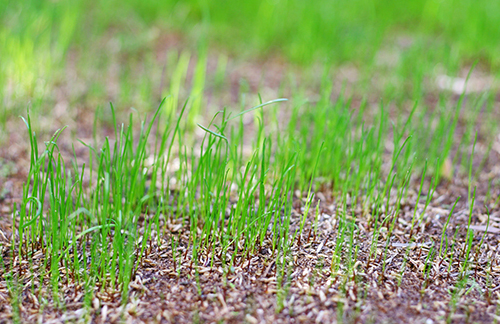
Image Source: www.thegrassmaster.com
The Journey From Seed to Lush Green: A Detailed Look
Initial Seed Germination: The First Signs of Life
The time to germinate is a crucial first step in growing a lawn from seed. This is when the seed sprouts and sends out its first root and shoot. The speed of germination varies greatly depending on the grass species you choose.
- Cool-Season Grasses: These types, like Kentucky bluegrass, perennial ryegrass, and fescues, typically germinate faster.
- Kentucky Bluegrass: Can take 7 to 21 days to germinate.
- Perennial Ryegrass: Often germinates quickly, sometimes within 5 to 10 days.
- Fine Fescues: Generally germinate in 7 to 14 days.
- Warm-Season Grasses: These, such as Bermuda grass, Zoysia grass, and St. Augustine grass, require warmer soil temperatures to sprout.
- Bermuda Grass: Can take 7 to 21 days, but needs soil temperatures above 65°F (18°C).
- Zoysia Grass: Takes longer, often 14 to 30 days, and thrives in warmer conditions.
- St. Augustine Grass: Similar to Zoysia, germinating in 14 to 21 days when conditions are ideal.
Factors Affecting Germination Time:
- Soil Temperature: This is perhaps the most critical factor. Seeds need the right temperature to wake up and start growing.
- Moisture: Consistent moisture is essential. The soil should be kept damp, but not waterlogged.
- Seed Quality: High-quality seeds from reputable sources are more likely to germinate successfully and quickly.
- Depth of Planting: Seeds planted too deep or too shallow may struggle to emerge.
- Sunlight: While seeds don’t need light to germinate, the soil temperature is influenced by sunlight.
Early Growth and Seedling Development: The Tender Stage
Once the seeds have germinated, the seedlings enter a vulnerable stage. This is where the grass growth rate becomes noticeable, but the young plants are still delicate.
- First Mowing: You can typically mow your new lawn when the grass reaches about one-third taller than your mower’s lowest setting. For most cool-season grasses, this is around 3 inches (7.5 cm). For warm-season grasses, it might be slightly higher.
- Importance of Gentle Mowing: Always use a sharp mower blade and set it to a higher setting. Avoid cutting more than one-third of the grass blade at a time. This helps the young grass develop a stronger root system and prevents stress.
- Watering: Continue to water regularly, but less frequently than during germination. Aim for deep watering to encourage roots to grow downwards.
Lawn Establishment: Building a Solid Foundation
Lawn establishment refers to the period when the grass plants develop a robust root system and can withstand more stress, including mowing and light foot traffic. This is a critical phase that determines the long-term health of your lawn.
- Timeline for Establishment (from seed): For most grass types, full lawn establishment typically takes 4 to 6 weeks after germination. This means the grass is well-rooted and can handle normal lawn activities.
- Signs of Establishment: You’ll notice the grass is thicker, greener, and more uniform. It will bounce back quickly after being stepped on.
Achieving Lawn Maturity: The Full, Lush Landscape
Lawn maturity is the stage where your grass has reached its full potential in terms of density, color, and resilience. This takes time and consistent care.
- Time to Maturity (from seed): A lawn seeded in ideal conditions can reach a good level of maturity in 1 to 2 years. During this time, the grass plants spread, fill in bare spots, and develop a deep, strong root system.
- Continued Care for Maturity: Ongoing proper mowing, watering, fertilization, and weed control are essential for promoting lawn maturity.
The Sod Advantage: Speeding Up the Process
Laying sod is a popular alternative to seeding for those who desire an instant lawn. It involves transplanting mature grass already grown in a nursery. The sod installation time and establishment process differ significantly from seeding.
Sod Installation: The Quick Transformation
- The Process: Sod comes in rolls or slabs of turf, complete with roots and soil attached. It’s laid directly onto prepared soil.
- Immediate Impact: The transformation is almost instant. Once laid, you have a green lawn.
Sod to Root Time: Encouraging Adhesion
While the lawn looks complete immediately after sod installation time, the grass is not yet truly established. The critical phase is for the sod to root into the underlying soil.
- Initial Watering: Immediately after installation, the sod needs thorough watering to settle it and eliminate air pockets.
- Rooting Period: The sod to root time typically ranges from 2 to 4 weeks. During this period, the grass roots will begin to grow into your soil.
- Care During Rooting:
- Watering: Water daily, or even twice daily in hot weather, to keep the sod and the soil beneath moist.
- Mowing: Wait until the grass is about one-third taller than your mower’s lowest setting. Avoid scalping.
- Traffic: Limit foot traffic as much as possible to allow the roots to establish without disturbance.
Sod Establishment and Maturity: A Faster Track
- Sod Establishment: The lawn is considered established once the sod is firmly rooted and resistant to being pulled up. This usually occurs within 4 to 6 weeks after installation.
- Lawn Maturity (from sod): A lawn established from sod can reach a good level of maturity much faster than a seeded lawn, typically within one growing season. With proper care, it can achieve full lawn maturity within its first year.
Lawn Repair and Overseeding: Revitalizing Existing Lawns
Sometimes, the goal isn’t a brand new lawn but improving an existing one. This involves lawn repair time and overseeding timelines.
Lawn Repair: Addressing Bare Spots and Thin Areas
Lawn repair time can vary significantly depending on the extent of the damage and the method used. Small bare patches can be fixed relatively quickly.
- Spot Seeding: For small bare spots, you can simply loosen the soil, add a bit of compost, sprinkle grass seed, and keep the area moist.
- Germination to Patch Coverage: This can take 2 to 4 weeks to show significant growth and another 2 to 4 weeks to blend with the surrounding lawn.
- Addressing Larger Problems: For more extensive damage (e.g., from grubs, disease, or heavy traffic), a broader approach may be needed.
Overseeding: Filling in Thin Lawns
Overseeding is the process of sowing grass seed over an existing lawn to improve its density and appearance. It’s an excellent way to enhance the grass growth rate and fill in thin areas.
- Best Time for Overseeding: The ideal overseeding timeline is during the active growing seasons for your grass type:
- Cool-Season Grasses: Fall (late August to early October) is generally best, as cooler temperatures and adequate moisture promote germination and establishment. Spring is a secondary option.
- Warm-Season Grasses: Late spring or early summer is the best time, when temperatures are consistently warm and there is good moisture.
- Overseeding Process:
- Mow Low: Mow the existing lawn short.
- Aerate: Aeration helps the new seeds reach the soil and improves water and nutrient penetration.
- Overseed: Spread the seeds evenly.
- Rake: Gently rake the seeds into the soil to ensure good seed-to-soil contact.
- Water: Keep the area consistently moist until the seeds germinate and the new grass is established.
- Overseeding Timeline:
- Germination: Similar to initial seeding, typically 1 to 3 weeks.
- Establishment: The newly germinated grass will start to fill in thin areas within 4 to 6 weeks.
- Visible Improvement: A noticeably thicker lawn can be seen within 6 to 8 weeks, with continued improvement over the next few months.
Factors Influencing Your Lawn’s Growth Timeline
Several elements can either speed up or slow down your lawn’s journey to maturity.
Grass Type: The Genetic Blueprint
As we’ve seen, different grass species have inherently different grass growth rates and time to germinate.
- Fast-Growing Grasses: Perennial ryegrass and some fescues are known for their rapid germination and establishment.
- Slow-Growing Grasses: Kentucky bluegrass and Zoysia grass can take longer to establish but often result in a denser, more resilient lawn once mature.
Soil Health and Preparation: The Foundation for Growth
The condition of your soil plays a pivotal role in how quickly and healthily your lawn grows.
- Soil Type: Sandy soils drain quickly and may need more frequent watering, while clay soils can become compacted and may require aeration.
- Soil pH: Grass prefers a slightly acidic to neutral pH (6.0-7.0). If your soil is too acidic or alkaline, it can hinder nutrient uptake and slow growth.
- Nutrients: Healthy soil is rich in essential nutrients like nitrogen, phosphorus, and potassium. A soil test can help identify deficiencies.
- Preparation: Proper soil preparation before seeding or sodding (tilling, amending with compost, leveling) is crucial for establishing a strong root system.
Climate and Weather Conditions: The Environmental Influence
The weather is a significant driver of grass growth rate.
- Temperature: Cool-season grasses thrive in moderate temperatures (60-75°F or 15-24°C), while warm-season grasses prefer heat (80-95°F or 27-35°C).
- Sunlight: Most grasses need at least 4-6 hours of direct sunlight per day. Shady areas will grow slower and may require shade-tolerant grass varieties.
- Rainfall: Adequate and consistent rainfall is vital, especially during the germination and establishment phases. Drought conditions will significantly slow or halt growth.
Maintenance Practices: Ongoing Care and Nurturing
Consistent and proper lawn care is essential for achieving and maintaining a healthy, mature lawn.
- Watering: Deep, infrequent watering encourages deep root growth. Shallow, frequent watering leads to shallow roots, making the lawn more susceptible to drought and disease.
- Mowing: Mowing at the correct height for your grass type and keeping mower blades sharp prevents stress and promotes healthy growth.
- Fertilization: Applying the right type and amount of fertilizer at the correct times provides the necessary nutrients for vigorous growth.
- Weed and Pest Control: Unchecked weeds and pests compete for resources and can weaken your lawn, slowing its overall development.
A Comparative Timeline Summary
Here’s a quick look at the different new lawn timeframe possibilities:
| Method | Germination/Rooting | Establishment | Visible Maturity | Full Maturity (Ideal) |
|---|---|---|---|---|
| Seeding | 1-3 weeks | 4-6 weeks | 6-12 weeks | 1-2 years |
| Sod Installation | 2-4 weeks (rooting) | 4-6 weeks | 6-12 weeks | 1 year |
| Overseeding | 1-3 weeks | 4-6 weeks | 6-8 weeks | Ongoing improvement |
| Lawn Repair (Spot) | 1-3 weeks | 4-6 weeks (patch) | 4-8 weeks | Ongoing improvement |
Frequently Asked Questions (FAQ)
Q1: Can I walk on my new lawn?
A1: It’s best to avoid walking on your lawn as much as possible during the first lawn establishment period. Once the grass is firmly rooted (sod to root time complete, or seeded lawn established), light foot traffic is generally okay.
Q2: How often should I water my new lawn?
A2: For newly seeded lawns, keep the top inch of soil consistently moist, which might mean light watering several times a day in hot weather. For sod, water deeply immediately after installation and keep it moist for the first sod to root time of 2-4 weeks. Once established, switch to deep, infrequent watering.
Q3: When is the best time of year for seeding a lawn?
A3: For cool-season grasses, fall is ideal due to cooler temperatures and moisture. For warm-season grasses, late spring or early summer is best when the soil is warm.
Q4: My new lawn is growing unevenly. What should I do?
A4: Uneven growth can be due to variations in soil, sunlight, or moisture. Ensure you’re watering and fertilizing consistently. You may need to adjust your mowing height in different areas or consider spot treatment for thin patches.
Q5: How long until I can fertilize my new lawn?
A5: For seeded lawns, wait until after the first mowing, typically 4 to 6 weeks after germination, to apply fertilizer. For sod, you can usually fertilize after the sod to root time of 4 weeks, provided the sod is well-established. Always follow fertilizer instructions.
Q6: What is the average grass growth rate?
A6: The average grass growth rate can vary widely, but many common lawn grasses grow between 0.5 to 2 inches per week during their peak growing season.
Q7: How long does it take for a lawn repair to look good?
A7: For small repairs, you can expect to see good results within 4 to 8 weeks, depending on how quickly the new grass germinates and fills in.
Q8: My lawn is still thin after a year. What could be wrong?
A8: Thinness after a year could be due to poor soil conditions, insufficient sunlight, incorrect watering or fertilization, or pests and diseases. Consider a soil test and review your lawn care practices. You might also need to consider overseeding timeline to improve density.
Embarking on the journey of growing a lawn is a process that rewards diligence and patience. By understanding the various stages, from time to germinate to full lawn maturity, and by recognizing the impact of factors like grass growth rate and proper seeding time or sod installation time, you can cultivate a beautiful and healthy lawn that enhances your outdoor living space. Whether you choose the gradual approach of seeding or the immediate impact of sod, consistent care tailored to your specific grass type and environmental conditions will pave the way for a thriving new lawn timeframe and a lasting green carpet.