
A new lawn can take anywhere from a few weeks to several months to become fully established and mature. This timeframe is influenced by numerous factors, including the type of grass, the method of installation (seeding or sodding), weather conditions, and ongoing care.
Deciding to grow a new lawn is an exciting step towards a more beautiful and functional outdoor space. Whether you’re starting from scratch with grass seed or opting for the speed of sod, the question on everyone’s mind is: “How long will it actually take?” The answer isn’t a simple number, as many variables play a role in the journey from bare earth to lush green carpet. This in-depth guide will walk you through the entire process, from seed germination time to grass maturity rate, helping you set realistic expectations and achieve the lawn of your dreams.
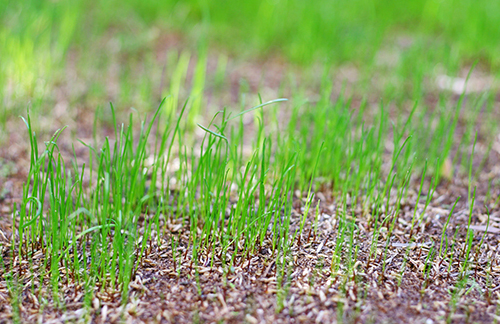
Image Source: www.thegrassmaster.com
The Seed to Sprout Journey: Lawn Seeding Timeline
Planting grass seed is often the most cost-effective way to establish a new lawn. However, it also requires the most patience. The lawn seeding timeline begins with preparing the soil and ends with a lawn that can withstand regular foot traffic.
Step 1: Soil Preparation – The Foundation of Growth
Before any seed hits the ground, proper soil preparation is crucial. This involves:
- Clearing the Area: Remove any existing vegetation, weeds, rocks, and debris.
- Soil Testing: A soil test will tell you the pH and nutrient levels. This guides you on what amendments are needed.
- Aeration: If your soil is compacted, aeration helps air, water, and nutrients reach the grass roots.
- Tilling and Leveling: Loosen the soil to a depth of at least 4-6 inches. Rake the area smooth to create an even surface.
- Adding Amendments: Based on your soil test, incorporate compost, topsoil, or fertilizers to enrich the soil and improve drainage.
This preparation phase can take 1-3 days, depending on the size of the area and the amount of work needed.
Step 2: Seeding – The Moment of Truth
Choosing the right grass seed for your climate and desired lawn type is vital. Cool-season grasses (like fescue, bluegrass, and ryegrass) and warm-season grasses (like Bermuda, zoysia, and St. Augustine) have different growth habits and preferred temperatures.
- Timing is Key: The best time to seed is usually in the fall for cool-season grasses and late spring/early summer for warm-season grasses. This aligns with their natural growth periods.
- Spreading the Seed: Use a spreader for even distribution. Follow the recommended seeding rates for your chosen grass type.
- Raking and Rolling: Lightly rake the seeds into the top 1/4 inch of soil. Then, gently roll the area to ensure good seed-to-soil contact.
Step 3: Germination – The First Signs of Life
This is where the waiting game truly begins. The seed germination time varies significantly by grass type.
- Fast Germinators: Annual Ryegrass and Perennial Ryegrass can germinate in as little as 5-10 days.
- Medium Germinators: Fine Fescues and Tall Fescues typically germinate in 10-20 days.
- Slow Germinators: Kentucky Bluegrass can take 14-30 days, and some Bentgrass varieties can take even longer, up to 30 days or more.
During this period, consistent moisture is paramount. The soil surface should be kept consistently moist but not waterlogged. Watering lightly several times a day is often necessary, especially in dry or windy conditions.
Step 4: Early Growth and Development – The Tender Stage
Once seedlings emerge, they are vulnerable. This phase of new lawn development requires careful attention.
- First Mowing: Wait until the grass reaches about 3 inches tall before the first mowing. Use a sharp mower blade and set it to a higher setting (around 2.5-3 inches). Never remove more than one-third of the blade length at a time.
- Watering: As the grass grows, you can gradually reduce the frequency of watering but increase the depth. Aim for about 1 inch of water per week, applied in one or two sessions.
- Fertilizing: Once the grass has been mowed a few times, you can apply a starter fertilizer to promote root development and healthy growth.
This stage, from germination to the first mowing, can take 2-4 weeks.
Step 5: Establishment – Building Strength
The grass establishment period is when the grass starts to spread and thicken.
- Continued Watering and Mowing: Maintain a consistent watering schedule and mowing practices.
- Weed Control: At this stage, it’s important to address any weeds that appear. However, avoid using herbicides until the grass is well-established (typically 4-6 weeks after germination), as they can damage young grass.
- Traffic Restrictions: Limit foot traffic and heavy activity on the new lawn to allow the roots to develop fully.
The establishment phase can take 4-8 weeks. By the end of this period, the grass will be growing more vigorously and should be able to tolerate moderate use.
Step 6: Maturity – The Time to Full Lawn
Achieving a time to full lawn means the grass is dense, healthy, and can withstand normal use.
- Continued Care: Consistent mowing, watering, and occasional fertilization will contribute to the lawn’s maturity.
- Overseeding (if needed): If some areas are thin, you might consider overseeding in the fall to fill them in.
A newly seeded lawn can typically be considered fully established and mature within 3-6 months, depending on the grass type and growing conditions. Some slow-growing grasses might take even longer to reach their full potential.
The Speedy Solution: Sod Installation Growth
For those who desire an instant lawn, sod installation growth is the way to go. Sod, which is mature grass held together by its root system and a layer of soil, provides an immediate aesthetic appeal. However, it still needs time to establish and integrate with the underlying soil.
Step 1: Site Preparation – Similar to Seeding
The preparation for sod installation is very similar to that for seeding.
- Clearing and Leveling: Remove all debris and ensure the ground is smooth and free of lumps.
- Soil Amendment: Improving the soil with compost and necessary nutrients is critical for the sod to thrive.
- Grading: Proper grading is essential for drainage and to prevent water from pooling, which can damage the sod.
This preparation can take 1-2 days.
Step 2: Sod Installation – Laying the Green Carpet
Sod is typically laid in a staggered pattern, like bricks, to ensure good coverage and prevent gaps.
- Starting Point: Begin laying sod along a straight edge, such as a driveway or sidewalk.
- Fitting: Ensure each piece of sod is butted up tightly against the next, without overlapping or leaving gaps. You may need to cut sod to fit around curves or obstacles.
- Walking: Walk on the sod as you lay it to press it firmly into the soil.
Installation itself can be done quickly, often within 1-2 days for an average-sized lawn, by a professional or a dedicated DIYer.
Step 3: Initial Watering – Quenching the Thirst
Immediately after installation, the sod needs a thorough watering.
- Deep Soak: Water deeply enough to moisten the underlying soil, typically to a depth of 4-6 inches. This helps the sod meld with the ground.
Step 4: Establishment Period – Rooting Down
Even though the lawn looks complete, the sod needs time to establish its root system into the new soil. This grass establishment period is crucial for long-term health.
- Frequent Watering: For the first 1-2 weeks, water daily, or even twice daily, depending on the weather. The goal is to keep the sod and the top inch of soil consistently moist.
- Light Foot Traffic: Keep foot traffic to a minimum during the establishment phase.
- First Mowing: Wait until the sod has rooted firmly into the soil, usually after 1-2 weeks, before the first mowing. You should not be able to pull up a piece of sod easily. Mow at a normal height, removing no more than one-third of the blade.
The establishment period for sod is significantly shorter than for seed, typically 2-3 weeks before it can tolerate light walking and normal mowing.
Step 5: Maturity – Full Integration
A sodded lawn is considered mature and fully integrated when its roots have grown into the underlying soil and it can withstand regular use.
- Continued Care: Maintain a regular watering schedule, adjusting for rainfall and temperature. Continue mowing at the appropriate height.
- Fertilization: Once established, you can fertilize your sodded lawn according to its needs and the season.
A sodded lawn can generally be considered fully mature and ready for regular use within 3-4 weeks of installation, provided optimal conditions are met. This is considerably faster than a seeded lawn.
Factors Affecting Grass Growth: What Influences Speed?
Several factors affecting grass growth can significantly alter the time it takes for your lawn to develop. Understanding these elements can help you optimize your approach.
Grass Type
As mentioned, different grass species have inherently different growth rates and grass maturity rates.
| Grass Type (Cool Season) | Germination Time | Establishment Time | Maturity Time |
|---|---|---|---|
| Perennial Ryegrass | 5-10 days | 4-6 weeks | 3-4 months |
| Fine Fescue | 10-20 days | 6-8 weeks | 4-6 months |
| Tall Fescue | 10-20 days | 6-8 weeks | 4-6 months |
| Kentucky Bluegrass | 14-30 days | 8-10 weeks | 6-12 months |
| Grass Type (Warm Season) | Germination Time (if seeded) | Establishment Time (from seed) | Establishment Time (from sod) | Maturity Time (from seed) |
|---|---|---|---|---|
| Zoysia Grass | 14-21 days | 8-12 weeks | 2-3 weeks | 1-2 years |
| Bermuda Grass | 7-21 days | 6-10 weeks | 2-3 weeks | 6-12 months |
| St. Augustine Grass | N/A (rarely seeded) | N/A | 2-3 weeks | 6-12 months |
Note: Maturity time for warm-season grasses seeded can be significantly longer as they spread by rhizomes and stolons.
Climate and Temperature
Temperature plays a critical role in grass growth.
- Optimal Growing Conditions: Grass thrives within specific temperature ranges. Cool-season grasses prefer temperatures between 60-75°F (15-24°C), while warm-season grasses flourish in temperatures between 80-95°F (27-35°C).
- Seasonal Growth Patterns: Growth slows down significantly when temperatures are outside the optimal range, during extreme heat, or in winter. This means lawns planted during less ideal seasons will take longer to establish.
Moisture and Water Availability
Consistent and adequate moisture is vital for seed germination and root development.
- Too Little Water: Leads to slow germination, weak seedlings, and potential die-off.
- Too Much Water: Can lead to fungal diseases and shallow root systems.
- Rainfall vs. Irrigation: Natural rainfall is beneficial, but supplemental irrigation is often necessary, especially during dry spells.
Soil Quality and Nutrients
Healthy soil provides the essential nutrients and structure for strong root growth.
- Soil Type: Sandy soils drain quickly and may require more frequent watering. Clay soils retain moisture but can become compacted.
- Nutrient Levels: Proper fertilization provides the nitrogen, phosphorus, and potassium needed for healthy growth. A lack of nutrients will stunt development.
Sunlight Exposure
Most grass types require at least 4-6 hours of direct sunlight per day to grow well. Shady areas may require specialized shade-tolerant grass varieties or will grow much slower.
Mowing Practices
- Mowing Height: Mowing too short stresses the grass and reduces its ability to photosynthesize.
- Blade Sharpness: Dull mower blades tear grass, leaving it susceptible to disease.
- Frequency: Regular mowing at the correct height encourages thicker growth.
Pest and Disease Control
Infestations of pests like grubs or diseases like fungus can damage or kill young grass, significantly delaying the new lawn development process.
Frequently Asked Questions About Lawn Growth
Q1: How long does it take for grass seed to sprout?
A1: Seed germination time varies by grass type, but most common lawn grasses will sprout within 5 to 30 days under ideal conditions.
Q2: Can I walk on a newly seeded lawn?
A2: It’s best to avoid walking on a newly seeded lawn as much as possible, especially before germination. Once seedlings are a few inches tall, light foot traffic is generally acceptable, but avoid heavy activity until the lawn is more established.
Q3: How often should I water a new lawn?
A3: For newly seeded lawns, keep the soil surface consistently moist by watering lightly several times a day for the first 2-4 weeks. For sod, water deeply once or twice a day for the first week, then gradually reduce frequency.
Q4: When can I mow a new lawn?
A4: Wait until the grass reaches approximately 3 inches in height. Always use a sharp mower blade and remove no more than one-third of the grass blade at a time.
Q5: What is the difference in growth time between seeding and sodding?
A5: Seeding a lawn takes significantly longer, with a grass establishment period of several weeks to months before it’s fully mature. Sod installation provides an instant green appearance, but it still requires 2-3 weeks for initial rooting and a few months for full maturity.
Q6: Will my lawn grow faster in the summer?
A6: This depends on the grass type. Warm-season grasses grow fastest in the summer, while cool-season grasses may slow down during excessive heat. Seasonal growth patterns are crucial to consider.
Q7: How long until my lawn is completely grown in and looks thick?
A7: The time to full lawn typically takes 3-6 months for seeded lawns, and about 3-4 weeks for initial establishment of sod, with full maturity developing over a year or more for some types.
Q8: What are optimal growing conditions for most lawns?
A8: Optimal growing conditions generally include adequate sunlight (4-6+ hours daily), well-draining soil rich in nutrients, consistent moisture (about 1 inch of water per week), and appropriate temperatures for the specific grass type.
Q9: How long does sod installation growth take to look established?
A9: Sod installation growth allows the turf to look established immediately. However, for the roots to integrate with the soil and for it to be truly “established,” it typically takes about 2-3 weeks of consistent watering.
Q10: What is a typical lawn seeding timeline?
A10: A typical lawn seeding timeline involves 1-3 days for preparation, 5-30 days for germination, another 2-4 weeks for initial growth, and 4-8 weeks for establishment, leading to a mature lawn within 3-6 months.
By carefully preparing your soil, choosing the right grass, and providing consistent care, you can cultivate a beautiful, healthy lawn that will enhance your outdoor living space for years to come. Remember that patience is a virtue when it comes to growing a lawn, and understanding the factors that influence growth will lead to greater success.