
Image Source: www.saferbrand.com
How to Kill Lawn Grubs Safely and Effectively: Natural & Quick Control Methods
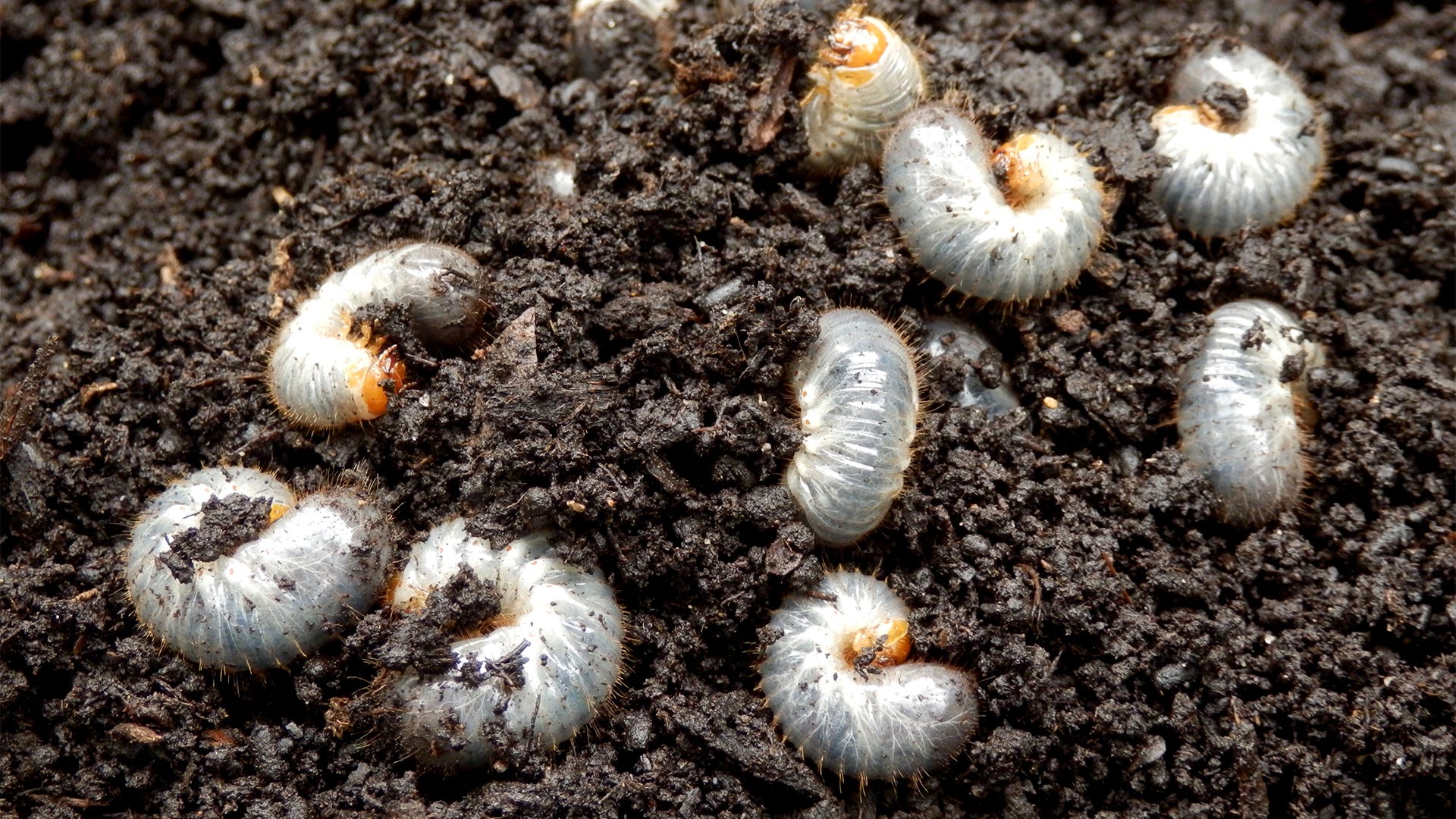
What are lawn grubs? Lawn grubs are the C-shaped, white larvae of various beetles, most commonly the Japanese beetle, European chafer, and masked chafer. Can I get rid of lawn grubs permanently? While complete permanent eradication is difficult, consistent management and preventative measures can significantly reduce grub populations and minimize damage. Who is most affected by lawn grubs? Lawns, particularly newly seeded or established turfgrass, are most susceptible to significant damage from grub infestations.
Dealing with lawn grubs can be a frustrating experience for any homeowner. These underground pests can wreak havoc on your otherwise pristine lawn, leaving behind brown, dead patches that are a tell-tale sign of their presence. Fortunately, you don’t have to resort to harsh chemicals to reclaim your yard. This comprehensive guide will explore effective and safe ways to tackle grub infestations, from quick fixes to long-term natural solutions. We’ll cover how to get rid of grubs, discuss various grub control methods, and provide essential grub prevention tips to keep your lawn healthy and vibrant.
Identifying Lawn Grubs and Their Damage
Before you can effectively combat these pests, it’s crucial to know what you’re dealing with. Identifying lawn grubs is the first step in a successful lawn grub treatment plan.
Grub Damage Symptoms
Grub damage often appears as irregular brown patches of dead grass that may spread. In severe cases, large sections of your lawn can die. Here are some key indicators:
- Spongy Feel: When you walk on an infested area, the turf may feel spongy and lift up easily, almost like a carpet. This is because the grubs have eaten the grass roots, detaching the turf from the soil.
- Increased Bird and Animal Activity: Birds, raccoons, skunks, and moles are attracted to grubs as a food source. You might notice increased digging or tunneling in your lawn, another sign of a grub problem.
- Wilting Grass: Even with adequate watering, the grass may appear wilted and discolored due to the lack of root systems to absorb moisture.
Physical Characteristics of Grubs
When you dig into the affected soil, you’ll likely find the grubs themselves. They are typically:
- Creamy white in color.
- Soft-bodied and C-shaped.
- Have three pairs of legs near their head.
- Their heads are usually darker and more sclerotized than their bodies.
The size of the grubs can vary depending on the species and their life stage, but they generally range from a quarter of an inch to over an inch in length.
Natural Grub Killers: Gentle Yet Potent Solutions
For those seeking organic grub control or wanting to minimize chemical exposure, several natural methods offer effective grub control methods. These options are safer for pets, children, and the environment.
Beneficial Nematodes for Grubs
One of the most effective natural grub killers is the use of beneficial nematodes. These microscopic roundworms are naturally occurring organisms that prey on various soil-dwelling insects, including grubs.
How Beneficial Nematodes Work
- Parasitic Action: When applied to the lawn, beneficial nematodes seek out grubs in the soil.
- Entry: They enter the grub through its natural openings (mouth, anus, or spiracles).
- Replication: Once inside, the nematodes multiply and feed on the grub’s tissues, releasing bacteria that quickly kill the host.
- Search for More: The newly hatched nematodes then emerge from the dead grub and search for more prey.
Application of Beneficial Nematodes
- Timing is Key: Apply nematodes when soil temperatures are between 50°F and 85°F (10°C to 29°C) and grubs are present. This is typically in late summer to early fall or during spring.
- Moist Soil: Water your lawn thoroughly before application. The soil should be moist, but not saturated.
- Application Method: Nematodes are usually mixed with water and applied using a hose-end sprayer or a watering can. Ensure even distribution.
- Post-Application Watering: Water again after application to help the nematodes move into the soil.
Milky Spore for Grubs
Milky spore is a naturally occurring soil bacterium ( Paenibacillus popilliae) that specifically targets and kills Japanese beetle grubs. It is a long-term grub prevention tip rather than an immediate knockdown solution.
How Milky Spore Works
- Ingestion: Grubs ingest the milky spore bacteria when they feed on grass roots.
- Infection: Once inside the grub’s digestive system, the bacteria multiply and produce spores.
- Spore Formation: The grub turns milky white and eventually dies, releasing millions of spores into the soil.
- Persistence: These spores can remain dormant in the soil for many years, providing a continuous barrier against Japanese beetle grubs.
Application of Milky Spore
- Timing: Apply in late summer or early fall when the grubs are actively feeding. Multiple applications over several years are often necessary for optimal results.
- Application Method: Milky spore is typically sold as a granular product and can be spread using a broadcast spreader.
- Soil Contact: It’s essential for the spores to come into direct contact with the soil, so application on bare soil or very short grass is ideal.
Other Natural Grub Control Methods
- Diatomaceous Earth: This finely ground powder made from fossilized aquatic organisms can be applied to the soil surface. When grubs ingest or come into contact with it, the sharp particles damage their exoskeletons, causing dehydration. It is most effective on younger grubs.
- Neem Oil: Extracted from the neem tree, neem oil disrupts the growth and development of grubs. It acts as an antifeedant and growth regulator. It can be applied as a drench to the soil.
- Composting and Healthy Soil: A healthy lawn is more resistant to pest infestations. Improving soil health through proper composting and aeration can create an environment less hospitable to grubs and better able to withstand minor damage.
Quick Control Methods: Tackling Active Infestations
While natural methods are excellent for long-term control, you might need faster solutions for significant infestations. Here are some quick lawn grub treatment options.
Quick-Acting Chemical Treatments
If you’re facing a severe infestation and need immediate results, certain chemical insecticides can be effective. However, it’s crucial to use these responsibly and follow label instructions precisely.
Types of Chemical Insecticides
- Contact Insecticides: These kill grubs on contact. They are often applied to the soil surface. Examples include products containing permethrin or bifenthrin.
- Systemic Insecticides: These are absorbed by the grass roots and translocated throughout the plant. Grubs ingest the treated roots and are killed. Products containing imidacloprid or chlorantraniliprole are examples.
Application of Chemical Insecticides
- Watering: Most chemical treatments require watering the lawn before and after application to ensure the product reaches the grubs in the soil.
- Timing: Apply when grubs are actively feeding, typically during the late summer and fall.
- Targeted Application: Focus application on areas showing the most damage.
- Safety Precautions: Always wear protective clothing (gloves, long sleeves, pants) and avoid application when children or pets are present. Keep people and pets off the treated area until it is dry and safe.
Aeration and Overseeding
While not a direct killing method, aerating your lawn and overseeding can help it recover from grub damage more quickly.
- Aeration: This process involves creating small holes in the soil, which improves air circulation, water penetration, and nutrient uptake. This helps stressed grass recover.
- Overseeding: Introducing new grass seed to the lawn can fill in any bare or thin patches caused by grub damage, leading to a thicker, more resilient turf.
Grub Prevention Tips: Stopping Them Before They Start
The best lawn grub treatment is often prevention. Implementing these grub prevention tips can significantly reduce the chances of a future infestation.
Proper Mowing and Watering
- Mowing Height: Keep your grass at a slightly higher mowing height (around 3 inches). Taller grass shades the soil, making it less attractive to egg-laying adult beetles.
- Watering Habits: Avoid overwatering, especially during peak beetle activity. Grubs prefer moist soil, so allowing the top inch of soil to dry out periodically can deter them. Water deeply and less frequently to encourage deeper root growth, making the grass more resilient.
Healthy Lawn Practices
- Soil Health: Regularly amend your soil with compost. Healthy, nutrient-rich soil supports strong grass with robust root systems, making it better able to withstand minor pest damage.
- Overseeding: Regularly overseed your lawn to maintain a thick, dense turf. This makes it harder for grubs to find bare patches to damage and makes the overall lawn more resilient.
Monitoring and Early Detection
- Regular Inspections: Periodically inspect your lawn for the tell-tale signs of grub damage or the presence of adult beetles.
- Larvicide Application (Preventative): Some insecticides, particularly systemic ones like imidacloprid or chlorantraniliprole, can be applied in late spring or early summer before grubs hatch. This provides a protective barrier when the young grubs begin feeding.
Understanding the Grub Life Cycle: Timing Your Treatment
To effectively apply lawn grub treatment and prevention, it’s essential to grasp the grub life cycle. Different stages require different approaches.
Adult Beetles
Adult beetles, like Japanese beetles, emerge from the soil in the summer. They feed on the foliage of plants and then mate and lay eggs in the soil, typically in July or August.
Eggs
The eggs are laid in small clusters in the soil and hatch in about 10-14 days.
Larvae (Grubs)
This is the stage where grubs cause the most damage to lawns. Young grubs feed on grass roots and organic matter in the soil. As they mature, they grow larger and consume more roots. This feeding typically occurs from late summer through fall. As temperatures drop, grubs burrow deeper into the soil to overwinter. They become active again in the spring and continue to feed until pupation.
Pupae
In the spring, the grubs pupate, transforming into adult beetles.
Ideal Treatment Times:
- Prevention (Systemic Insecticides): Late spring to early summer, targeting newly hatched grubs before they cause significant damage.
- Active Treatment (Contact Insecticides, Nematodes, Milky Spore): Late summer through fall, when grubs are actively feeding near the soil surface. Spring treatment can also be effective for overwintered grubs.
Choosing the Right Grub Control Methods
When deciding on your lawn grub treatment, consider the severity of the infestation, your environmental concerns, and the desired speed of action.
| Method | Type | Speed of Action | Effectiveness | Environmental Impact | Best For |
|---|---|---|---|---|---|
| Beneficial Nematodes | Natural/Biological | Moderate | Good | Low | Late summer/fall infestations, preventative |
| Milky Spore | Natural/Biological | Slow (long-term) | Good (Japanese) | Very Low | Japanese beetle prevention, long-term control |
| Neem Oil | Natural/Organic | Moderate | Moderate | Low | Mild infestations, organic approach |
| Diatomaceous Earth | Natural/Organic | Moderate | Moderate | Low | Young grubs, topical application |
| Chemical Insecticides | Chemical | Fast | High | Moderate to High | Severe infestations, rapid knockdown |
| Aeration & Overseeding | Cultural | Slow (recovery) | Indirect | Very Low | Lawn recovery, strengthening turf |
Frequently Asked Questions (FAQ)
Q1: How long does it take for natural grub killers to work?
A1: Natural methods generally take longer to show results compared to chemical treatments. Beneficial nematodes can start working within days to weeks, while milky spore can take several years to establish and become fully effective.
Q2: Can I treat my lawn for grubs if I have pets?
A2: Yes, you can treat your lawn for grubs while having pets, but caution is advised. Natural methods like beneficial nematodes and milky spore are generally safe. If using chemical treatments, always follow label instructions regarding re-entry times for pets and children, and ensure the product is specifically labeled as safe for use around animals.
Q3: How do I know if I have grubs or something else?
A3: The “spongy carpet” feel and the ability to easily lift turf patches are strong indicators of grub damage. Also, digging into the soil in affected areas will reveal the C-shaped larvae. Other lawn issues might cause browning, but the root damage characteristic of grubs is a key differentiator.
Q4: When is the best time to apply grub control?
A4: The best time for lawn grub treatment depends on the method and the grub’s life cycle. For preventative control, early summer is ideal. For active infestations, late summer and fall are prime times as grubs are feeding closer to the surface. Spring can also be effective for overwintered grubs.
Q5: Will one application of grub treatment be enough?
A5: For severe infestations, multiple treatments might be necessary, especially with natural methods. Continuous grub prevention tips and regular monitoring are key to maintaining a grub-free lawn.
By employing a combination of these methods, you can effectively manage and eliminate lawn grubs, ensuring your turf remains healthy and vibrant. Remember that consistency and timely action are crucial for successful grub control methods.