
Can you start a lawn care business with little money? Yes, you can. This guide will show you how.
Starting a lawn care business is a great way to build your own company. Many people wonder how do you start a lawn care business, and the answer involves planning, hard work, and knowing what you’re doing. This comprehensive guide will walk you through every step of your lawn care startup, from the initial idea to making your first dollar. We’ll cover everything you need to know about beginning lawn care business operations, helping you build a solid foundation for success.
Image Source: greenpal-production.s3.amazonaws.com
Laying the Groundwork: Your Lawn Service Business Plan
Every successful venture starts with a plan. A lawn service business plan is your roadmap. It helps you think through all aspects of your business and identify potential challenges and opportunities.
What Needs to Be in Your Plan?
Your plan should be clear and concise. It doesn’t need to be a hundred pages long, but it should cover key areas.
- Executive Summary: A brief overview of your business.
- Company Description: What your business is, its mission, and its vision.
- Market Analysis: Who are your customers? Who are your competitors?
- Services Offered: What specific lawn care services will you provide?
- Marketing and Sales Strategy: How will you get customers?
- Management Team: Who is running the show?
- Financial Projections: How much money do you need? How will you make money?
Why is a Plan So Important?
- It forces you to think about every detail.
- It helps you secure funding if needed.
- It keeps you focused on your goals.
- It guides your decisions as you grow.
Getting Down to Business: The Lawn Care Company Launch
Launching your lawn care company launch requires more than just a desire to mow lawns. You need to set up the right structure and get the necessary permits.
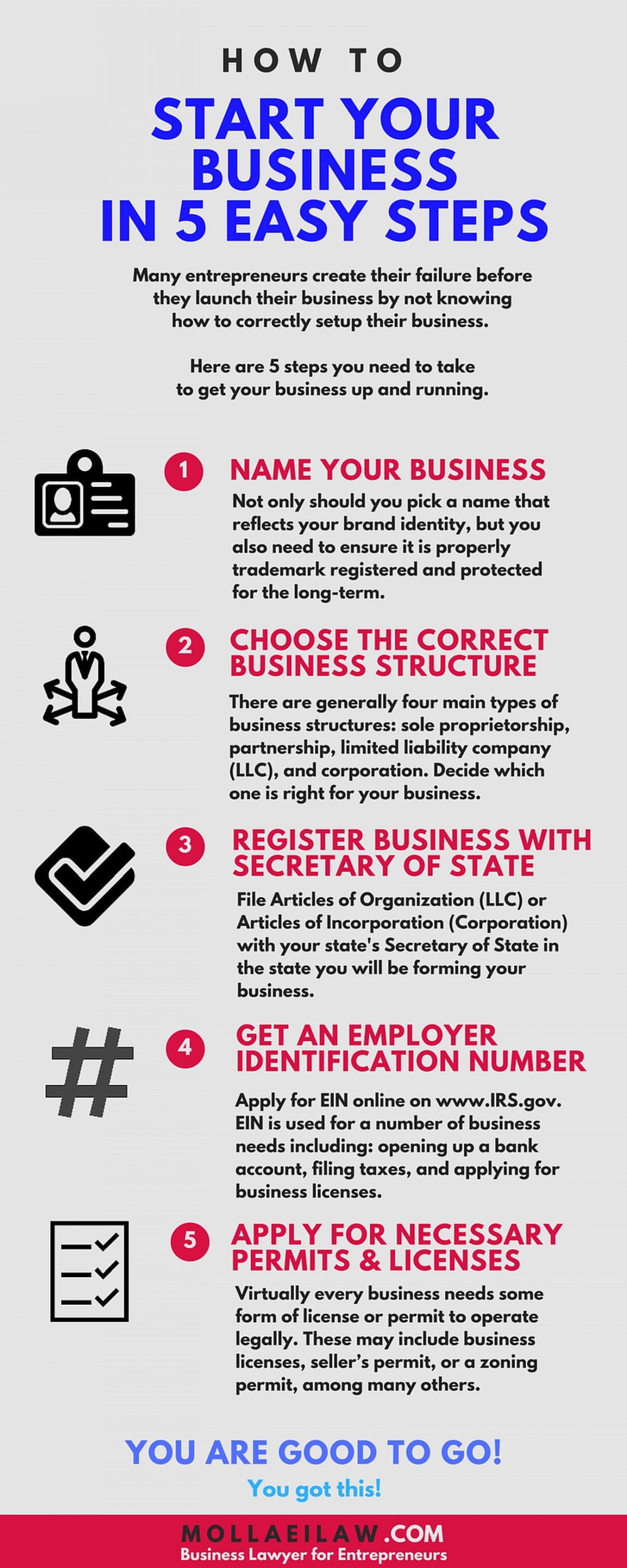
Choosing a Business Structure
There are several ways to structure your business. Each has its pros and cons.
- Sole Proprietorship: Simple to set up. You are the business. Easy taxes, but you are personally liable for debts.
- Partnership: If you have a partner. Similar to sole proprietorship but with shared liability and profits.
- Limited Liability Company (LLC): Offers personal liability protection. This is often a good choice for new businesses.
- Corporation: More complex and costly to set up. Offers the strongest liability protection.
Registering Your Business
You’ll need to register your business name. This is often called a “Doing Business As” (DBA) or fictitious name. You’ll also need to get an Employer Identification Number (EIN) from the IRS, even if you don’t plan to hire employees right away.
Licenses and Permits
Requirements vary by state and local government. You might need:
- Business License: A general license to operate.
- Pesticard/Pest Control License: If you offer pesticide application.
- Arborist License: If you offer tree services.
Check with your local city hall or county clerk’s office.
Essential Equipment for Your Lawn Mowing Business Startup
To get your lawn mowing business startup off the ground, you’ll need reliable equipment. Start with the basics and upgrade as you grow.
The Must-Haves
- Lawn Mower: A commercial-grade mower is best. Consider a walk-behind or a zero-turn mower.
- String Trimmer (Weed Eater): For edging and trimming around obstacles.
- Blower: To clear grass clippings from walkways and driveways.
- Edger: For clean, crisp lines along sidewalks and flower beds.
- Hedge Trimmers: If you plan to offer shrub trimming.
- Safety Gear: Eye protection, ear protection, gloves, sturdy boots.
- Vehicle: A truck or trailer to transport your equipment.
Equipment Considerations
- Reliability: Invest in good quality equipment that won’t break down.
- Maintenance: Keep your equipment clean and well-maintained.
- Power Source: Consider gas-powered or battery-powered options. Gas is usually more powerful for commercial use.
Pricing Your Services: Making Money in Lawn Care
Smart pricing is crucial for a profitable lawn care business essentials. You need to cover your costs and make a profit.
Factors to Consider When Pricing
- Your Costs: Equipment, fuel, insurance, labor, marketing.
- Time: How long will each job take?
- Lawn Size: Larger lawns take more time and effort.
- Complexity: Steep slopes, obstacles, or unusual shapes.
- Services Provided: Basic mowing vs. full-service maintenance.
- Market Rates: What are competitors charging?
Common Pricing Methods
- Per Job Pricing: Quoting a set price for each specific service.
- Hourly Rate: Charging a fixed rate for every hour worked.
- Square Footage Pricing: Based on the size of the area to be mowed.
Table: Sample Pricing Structure (Illustrative)
| Service | Estimated Time (Small Yard) | Estimated Time (Medium Yard) | Estimated Time (Large Yard) | Price Range (Small) | Price Range (Medium) | Price Range (Large) |
|---|---|---|---|---|---|---|
| Mowing & Trimming | 30-45 minutes | 45-75 minutes | 75-120 minutes | $40 – $60 | $60 – $90 | $90 – $150+ |
| Edging | 15-20 minutes | 20-30 minutes | 30-45 minutes | $20 – $35 | $30 – $45 | $45 – $70+ |
| Blowing | 5-10 minutes | 10-15 minutes | 15-20 minutes | $10 – $20 | $15 – $25 | $25 – $40+ |
| Basic Package (Mow, Trim, Edge, Blow) | 50-75 minutes | 75-120 minutes | 120-185 minutes | $70 – $115 | $105 – $160 | $160 – $260+ |
Note: These are example prices and can vary greatly by location and other factors.
Marketing Your Lawn Care Business: Finding Customers
Even with great service, you need customers. Marketing is key to a successful lawn care business basics.
Strategies for Getting the Word Out
- Local Networking: Talk to neighbors, friends, and family.
- Flyers and Door Hangers: Target specific neighborhoods.
- Local Online Directories: Google My Business, Yelp, etc.
- Social Media: Facebook, Instagram, Nextdoor. Post before-and-after photos!
- Yard Signs: Place signs on properties you service (with permission).
- Referral Program: Offer discounts for customers who refer new clients.
- Vehicle Wraps: Turn your company vehicle into a mobile billboard.
Building a Brand
Your brand is what people think of when they hear your company name.
- Professionalism: Arrive on time, wear a uniform (even a branded t-shirt), and be polite.
- Quality Service: Consistently deliver excellent results.
- Communication: Keep customers informed and respond promptly.
Insurance and Legalities: Protecting Your Business
This is a critical part of how to run a lawn care business. Don’t skip this step!
Why Insurance is Non-Negotiable
- General Liability Insurance: Covers property damage or bodily injury to third parties. If you damage a client’s property or accidentally injure someone, this policy helps cover costs.
- Workers’ Compensation Insurance: If you hire employees, this covers their medical expenses and lost wages if they get injured on the job.
- Commercial Auto Insurance: Covers vehicles used for your business.
Contracts and Agreements
- Client Contracts: Outline the scope of work, pricing, payment terms, and cancellation policies. This protects both you and the client.
Expanding Your Services: More Than Just Mowing
Once you’ve mastered the basics of lawn maintenance business setup, you can offer more services to increase revenue.
Popular Add-On Services
- Fertilization and Weed Control: Requires specific licenses and knowledge.
- Aeration and Dethatching: Improves soil health and lawn appearance.
- Mulching: For flower beds and around trees.
- Seasonal Cleanups: Spring and fall leaf removal, debris clearing.
- Hedge and Shrub Trimming: For a complete landscape look.
- Planting Flowers and Shrubs: Adding color and life to yards.
- Pest and Disease Control: Again, licensing is usually required.
Managing Your Business: Day-to-Day Operations
Running a lawn care business essentials involves more than just being good at mowing. You need to manage your finances, schedule, and customers.
Scheduling and Routing
- Efficiency is Key: Plan your routes to minimize travel time and fuel costs.
- Scheduling Software: Consider using apps or software to manage appointments and routes.
Customer Relationship Management (CRM)
- Keep Track of Clients: Store customer contact information, service history, and preferences.
- Communication: Send reminders for appointments, invoices, and thank-you notes.
Financial Management
- Bookkeeping: Keep accurate records of income and expenses.
- Invoicing: Send professional invoices promptly.
- Payment Collection: Have a clear system for receiving payments.
- Budgeting: Create and stick to a budget.
Growing Your Business: From Startup to Success
Starting landscaping business aspirations can grow into something much bigger with the right strategy.
Scaling Up
- Hire Employees: When you have more work than you can handle, hire reliable help.
- Invest in Better Equipment: Upgrade your mowers, trucks, and other tools.
- Expand Your Service Area: Take on clients in neighboring towns or cities.
- Offer More Advanced Services: Tree care, irrigation systems, hardscaping.
Staying Competitive
- Continuous Learning: Keep up with new techniques and technologies in the industry.
- Customer Feedback: Actively seek and respond to customer feedback to improve your services.
- Adaptability: Be willing to change and adapt to market demands.
Frequently Asked Questions (FAQ)
Q1: How much money do I need to start a lawn care business?
A1: You can start a very basic lawn mowing business with as little as $500-$2,000 for essential equipment like a mower, trimmer, and blower, plus insurance and basic marketing materials. More comprehensive services and professional equipment will increase this initial investment.
Q2: What are the most important lawn care business essentials?
A2: The most important essentials are reliable equipment, adequate insurance, a solid business plan, marketing to find clients, and excellent customer service.
Q3: Do I need a license to start a lawn care business?
A3: You will likely need a general business license. If you plan to apply fertilizers, pesticides, or herbicides, you will almost certainly need specific licenses and certifications, which vary by state and local regulations.
Q4: How do I find my first lawn care clients?
A4: Start with your network (friends, family, neighbors), distribute flyers in your target neighborhoods, and create a Google My Business profile to appear in local searches. Offering introductory discounts can also help attract initial clients.
Q5: Is lawn care a profitable business?
A5: Yes, lawn care can be a very profitable business, especially if managed efficiently. Profitability depends on pricing, operational costs, customer retention, and the ability to scale your services. Many successful lawn care businesses start small and grow significantly over time.
By following these steps and dedicating yourself to providing quality service, you can successfully launch and grow your own lawn care business. Good luck!