
Image Source: cdn.mos.cms.futurecdn.net
How Can I Get Rid Of Ants In The Garden: Natural Solutions
Yes, you can effectively get rid of ants in your garden using natural solutions. Many effective methods exist to manage ant infestations without resorting to harsh chemicals, making them safe for your plants, beneficial insects, and the environment.
Ants are a common sight in gardens. While they can be beneficial by aerating soil and preying on other pests, large numbers can signal an infestation that might harm your plants or lead to unwanted invaders in your home. Fortunately, you don’t need potent chemicals for garden pest control. This guide explores a variety of natural ant deterrents and organic pest solutions to help you achieve garden ant removal and preventing ant problems effectively. We’ll delve into home remedies for ants and safe ant treatments that focus on eliminating ants naturally.
Why Ants Come to Your Garden
Before we tackle how to get rid of ants, let’s briefly look at why they’re attracted to your garden in the first place. Understanding their motivations helps us implement more targeted strategies.
- Food Sources: Ants are primarily looking for food. This can include:
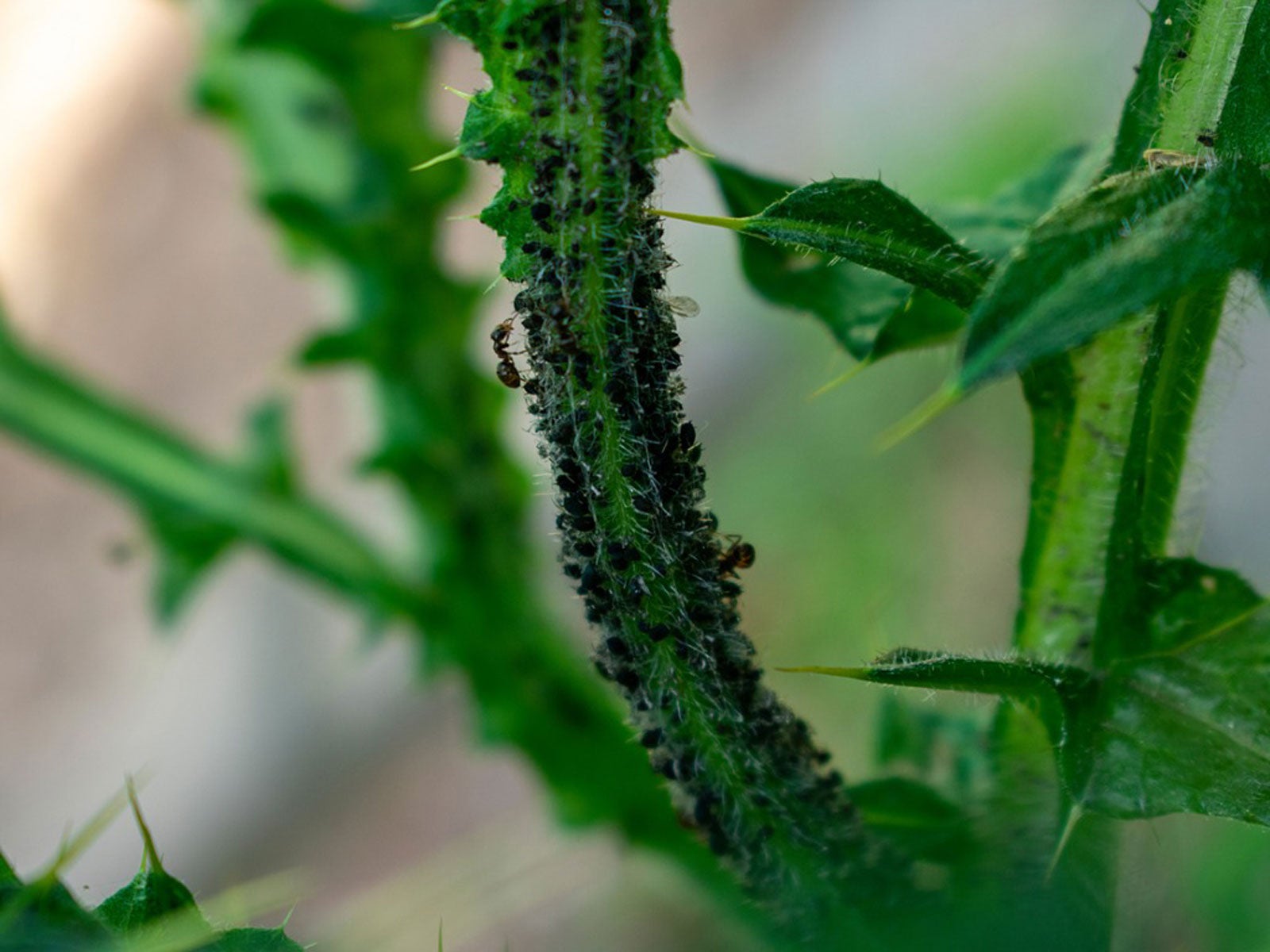
- Honeydew: A sugary substance secreted by aphids, scale insects, and mealybugs. Ants “farm” these pests for their honeydew, so controlling these sap-sucking insects is crucial.
- Sweetness: Fallen fruits, nectar from flowers, or even spilled sugary drinks can attract ants.
- Proteins and Fats: Some ant species also seek out insects, larvae, or decaying organic matter.
- Shelter: Ants may build nests in loose soil, under rocks, or within dead wood, seeking protection from the elements and predators.
- Water: During dry periods, ants might be drawn to moist areas in your garden.
Natural Strategies for Garden Ant Removal
Here are several effective, natural methods to tackle ant infestations in your garden. These approaches focus on disrupting their colonies, repelling them, and eliminating their food sources.
1. Addressing the Root Cause: Eliminating Food Sources
The most sustainable way to manage ants is to remove what’s attracting them.
- Control Aphids and Other Sap-Suckers: This is paramount.
- Water Spray: A strong jet of water from a hose can dislodge many aphids.
- Insecticidal Soap: Mix a mild liquid soap (like Dr. Bronner’s unscented castile soap) with water. Spray directly on the affected plants. The soap breaks down their outer coating.
- Neem Oil: A natural insecticide and repellent derived from the neem tree. Mix according to package directions and spray on plants, focusing on the undersides of leaves.
- Introduce Beneficial Insects: Ladybugs, lacewings, and hoverflies are natural predators of aphids. You can attract them by planting companion plants like dill, fennel, or yarrow.
- Clean Up Fallen Fruit and Debris: Regularly clear away fallen fruits and any dead organic matter from your garden beds. This removes potential food sources and hiding spots.
- Manage Sweet Residues: If you’ve had picnics or outdoor eating, ensure any sugary spills are cleaned up promptly.
2. Creating Natural Barriers: Keeping Ants at Bay
Physical barriers can prevent ants from reaching sensitive plants or entering your home from the garden.
- Diatomaceous Earth (Food Grade):
- How it Works: This is a powder made from fossilized aquatic organisms. Its sharp edges scratch the exoskeletons of insects, causing them to dehydrate and die.
- Application: Sprinkle a thin layer around the base of plants you want to protect, or along ant trails.
- Caution: While natural, it can harm beneficial insects too, so use it sparingly and only where necessary. It’s most effective when dry. Reapply after rain.
- Cinnamon:
- How it Works: Ants dislike the strong scent of cinnamon. It can disrupt their scent trails, making it hard for them to navigate.
- Application: Sprinkle ground cinnamon around plants or along ant paths.
- Cornmeal:
- How it Works: The theory is that ants eat cornmeal, but they cannot digest it properly and it expands, causing them to die. While debated, many gardeners find it effective.
- Application: Sprinkle cornmeal in areas where you see heavy ant activity.
- Chalk:
- How it Works: Similar to diatomaceous earth, chalk contains calcium carbonate, which is abrasive to ants’ exoskeletons.
- Application: Draw a chalk line around plants or garden areas. Ants are reluctant to cross it.
- Coffee Grounds:
- How it Works: The strong scent and slightly acidic nature of coffee grounds can deter ants.
- Application: Sprinkle used coffee grounds around plants. They also act as a natural fertilizer.
- Vinegar:
- How it Works: Diluted vinegar disrupts ant scent trails and is toxic to them on contact.
- Application: Mix equal parts white vinegar and water in a spray bottle. Spray directly onto ant trails and nests. Be cautious when spraying directly on plants, as high concentrations can damage them. Test on a small area first.
3. Disrupting Ant Colonies: Home Remedies for Ants
For more direct action against the colony, these home remedies for ants can be quite effective.
- Boiling Water:
- How it Works: A direct and immediate way to kill ants in their nests.
- Application: Locate ant nests, usually visible as small mounds of disturbed soil. Carefully pour boiling water directly onto the nest openings.
- Caution: Be extremely careful when handling boiling water. Avoid pouring it on desirable plants, as it will kill them. This is best for nests located away from your prize-winning blooms.
- Borax and Sugar Bait:
- How it Works: Borax is a naturally occurring mineral that acts as a stomach poison for ants. When mixed with sugar, ants are attracted to the bait, carry it back to the colony, and share it with others, including the queen.
- Recipe: Mix 1 part Borax with 3 parts powdered sugar. Add a small amount of water to create a paste or a thick liquid.
- Application: Place small amounts of this bait on cardboard or in shallow containers near ant trails, but out of reach of children and pets. The ants will consume it and take it back to their nest.
- Important: Use Borax responsibly and with caution. Ensure it does not contaminate water sources or get into the soil where it could harm beneficial organisms.
- Baking Soda and Powdered Sugar:
- How it Works: Similar to the Borax method, ants are attracted to the sugar, and the baking soda is thought to react with their digestive acids, creating gas that kills them.
- Recipe: Mix equal parts baking soda and powdered sugar.
- Application: Place small piles of this mixture in areas with ant activity. Again, keep away from children and pets.
4. Attracting Ant Predators
Encouraging natural predators into your garden is a fantastic long-term solution for garden pest control.
- Beneficial Insects: Ladybugs, praying mantises, and spiders are all natural predators of ants. Planting flowers that attract these beneficials (like dill, cilantro, yarrow, and cosmos) can help keep ant populations in check.
- Birds: Many bird species also eat ants. Providing a bird bath and bird-friendly plants can increase their presence in your garden.
Specific Scenarios and Solutions
Let’s consider some common ant infestations and how to tackle them with natural ant deterrents.
Ants on Rose Bushes
Rose bushes are particularly susceptible to aphids, which attract ants.
- Primary Focus: Control the aphids. Use the water spray, insecticidal soap, or neem oil methods described earlier.
- Barrier: Apply a ring of diatomaceous earth or cinnamon around the base of the rose bush.
- Tree Wrap: Wrap the base of the rose bush stems with a sticky barrier like Tanglefoot (ensure it’s applied to a protective wrap, not directly to the plant).
Ants in Vegetable Gardens
While ants can be a nuisance to your vegetables, they can also prey on other garden pests. However, if they’re damaging young seedlings or farming aphids on your crops, intervention is needed.
- Identify the Target: Are they after honeydew from pests, or are they directly damaging plants?
- Pest Control First: If pests are the issue, address them naturally.
- Repellents: Use coffee grounds or cinnamon around vulnerable plants.
- Nematodes: Beneficial nematodes can be used in the soil to control ant larvae and other soil-dwelling pests.
Ants Near Your Home’s Foundation
Preventing ants from entering your home from the garden is key.
- Ant Barriers: Create a barrier around your foundation using diatomaceous earth, cinnamon, or chalk.
- Trim Vegetation: Keep plants and tree branches trimmed away from your house, as these can act as bridges for ants.
- Seal Entry Points: Inspect your home’s foundation and seal any cracks or gaps where ants might enter.
Table: Natural Ant Deterrents and Their Effectiveness
| Deterrent/Method | How it Works | Best For | Caution |
|---|---|---|---|
| Aphid Control | Removes ant food source | All plants with sap-sucking insects | Requires diligent monitoring of plant health. |
| Diatomaceous Earth | Dehydrates insects via exoskeleton damage | Ant trails, garden perimeter, around plants | Can harm beneficial insects; reapply after rain. |
| Cinnamon | Disrupts scent trails, strong repellent | Ant trails, around plants, garden perimeter | Effectiveness can vary; needs reapplication. |
| Vinegar (Diluted) | Disrupts scent trails, toxic on contact | Ant trails, near nests (away from plants) | Can damage plants if too concentrated; test first. |
| Boiling Water | Kills ants and colony directly | Ant nests | Use extreme caution; will kill any plant it contacts. |
| Borax & Sugar Bait | Stomach poison; carried back to colony | Ant trails, near nests | Keep away from children and pets; use sparingly. |
| Baking Soda & Sugar Bait | Disrupts digestion, kills ants | Ant trails, near nests | Keep away from children and pets. |
| Coffee Grounds | Repellent scent, slightly acidic | Around plants, garden beds | May slightly acidify soil over time. |
| Cornmeal | Disrupts digestion (theory) | Ant trails, garden areas | Effectiveness is anecdotal; may attract other pests if not managed. |
| Chalk | Abrasive to exoskeleton, deterrent | Garden perimeter, around plants | Can be washed away by rain. |
| Beneficial Insects | Natural predation | Overall garden ecosystem | Takes time to establish; requires planting attractive flora. |
Tips for Success in Eliminating Ants Naturally
- Patience is Key: Natural methods often take more time than chemical treatments. Be consistent with your efforts.
- Observe Ant Behavior: Watch where the ants are coming from and going to. This helps you locate nests and trails for more effective treatment.
- Targeted Application: Apply deterrents and baits directly to ant trails and nests rather than broadcasting them throughout the garden. This minimizes impact on beneficial organisms.
- Combine Methods: Often, the most successful approach involves combining several natural strategies. For example, controlling aphids and using a cinnamon barrier.
- Regular Monitoring: Keep an eye on your garden for signs of ant activity. Early detection makes eradication much easier.
- Protect Pollinators: Be mindful of where you place baits, especially those containing Borax, to avoid harming bees and other pollinators.
Preventing Ant Problems: A Long-Term View
The best way to deal with ant infestations is to prevent them from becoming a problem in the first place.
- Healthy Soil: Healthy soil supports healthy plants, which are less susceptible to pests that attract ants. Improve your soil with compost.
- Companion Planting: Certain plants, like mint and pennyroyal, are known to repel ants. Plant them strategically around your garden.
- Water Management: Avoid overwatering, which can create attractive, damp nesting sites for ants. Ensure good drainage.
- Sanitation: Maintain a clean garden environment by removing fallen leaves, dead plants, and other organic debris promptly.
- Check New Plants: Inspect new plants for any signs of pests or ant activity before introducing them to your garden.
Frequently Asked Questions (FAQ)
- Q1: Are ants always bad for my garden?
- A1: Not at all! Ants can be beneficial by aerating soil and preying on other garden pests like caterpillars. However, when their numbers become very high, or if they are farming aphids, they can become a problem.
- Q2: Will boiling water kill my plants if I pour it on their nests?
- A2: Yes, boiling water will kill any plant it comes into contact with. It’s best used for nests located away from your prized plants or in areas like pathways.
- Q3: Is diatomaceous earth safe for my pets?
- A3: Food-grade diatomaceous earth is generally considered safe if ingested in small amounts. However, avoid letting pets inhale the dust, as it can be irritating to their lungs. Always supervise pets when using it.
- Q4: How often do I need to reapply natural ant deterrents?
- A4: This depends on the method and weather. Barriers like cinnamon or chalk may need reapplication every few days, especially after rain. Baits will need replenishment as they are consumed. Controlling aphids is an ongoing task.
- Q5: Can I use essential oils to get rid of ants?
- A5: Yes, certain essential oils like peppermint, tea tree, and citrus oils can act as natural ant deterrents. Mix a few drops with water in a spray bottle and apply to ant trails. Be cautious, as some oils can be phytotoxic (harmful to plants) if used in high concentrations.
By employing these organic pest solutions and natural ant deterrents, you can effectively manage ant infestations and achieve garden ant removal without compromising the health of your garden ecosystem. Remember that consistency and a focus on preventing ant problems through good garden hygiene and pest management are your strongest allies in eliminating ants naturally and maintaining a thriving garden.