
Dealing with ants in your lawn can be a frustrating experience. To get rid of ants in your lawn effectively, you need a multi-pronged approach combining identification, targeted treatments, and preventative measures.
Ants in your lawn can be more than just an annoyance; they can signal underlying soil issues or even damage grass roots. Fathoming why these tiny invaders have made your otherwise pristine yard their home is the first step toward effective ant control. This guide will walk you through comprehensive strategies for lawn pest removal, from identifying the culprits to implementing lasting outdoor ant solutions. Whether you prefer natural ant deterrents or proven chemical ant treatment methods, we’ll cover how to reclaim your lawn. We’ll also touch upon general lawn care and home pest control principles that contribute to a healthy, ant-resistant environment.
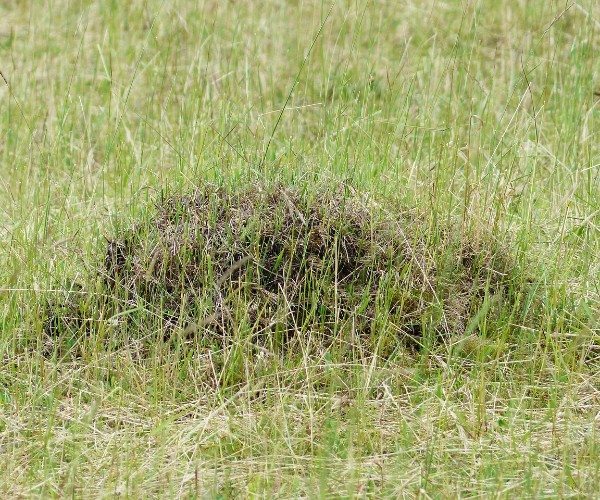
Image Source: www.georgedaviesturf.co.uk
Identifying Your Ant Invaders
Before you can effectively banish ants from your lawn, it’s crucial to know what you’re dealing with. Different ant species require slightly different approaches to ant extermination.
Common Lawn Ant Species
- Odorous House Ants: These tiny, dark brown to black ants are often found nesting in soil, under rocks, and near foundations. They get their name from the unpleasant smell they emit when crushed, often likened to rotten coconut.
- Fire Ants: Known for their painful, burning sting, fire ants (both imported and native) are a significant concern. They build visible mounds of soil in open, sunny areas of the lawn. Their aggressive nature and potent venom make them a priority for removal.
- Carpenter Ants: While they prefer to nest in moist or decaying wood, carpenter ants will forage for food in lawns. They are larger than most other ant species and can be black, red, or a combination of both. Their presence in the lawn might indicate a larger infestation problem nearby.
- Pavement Ants: These small, dark brown to black ants typically nest under sidewalks, patios, and driveways, but they readily forage in lawns for food. You’ll often see them creating small piles of soil near cracks.
Signs of an Ant Infestation
- Ant Mounds: Visible mounds of freshly turned soil are a clear sign of ant activity. The size and location of these mounds can give clues to the species and the extent of the infestation. Fire ants, for instance, create large, distinctive mounds.
- Trails of Ants: Ants often follow scent trails to and from their nests, especially when foraging for food. You might see these trails leading across your lawn, to plants, or towards your home.
- Damaged Grass: In severe cases, ant activity, particularly by certain species like fire ants, can disrupt grass roots, leading to brown patches or weakened turf.
- Presence of Aphids: Some ant species have a symbiotic relationship with aphids. Ants “farm” aphids for their sweet honeydew, protecting them from predators. An increase in aphids on your lawn plants could indirectly indicate an ant problem.
Strategies for Effective Ant Control
Achieving successful ant control requires a systematic approach. We’ll explore various methods, from immediate solutions to long-term prevention.
Direct Treatment of Ant Mounds
When you spot an ant mound, direct treatment is often the most efficient way to tackle that specific colony.
Granular Ant Killer
Granular ant killer products are a popular choice for broad-area treatment. These granules are spread over the lawn and watered in, allowing the active ingredient to seep into the soil and reach ant nests.
- How it Works: The granules contain an insecticide that ants carry back to their colony, often poisoning the queen and other ants. Some formulations are contact killers, while others act as stomach poisons.
- Application: Follow product instructions carefully. Typically, you’ll use a broadcast spreader for even distribution. Water the lawn after application to activate the granules.
- Benefits: Effective for large areas, can provide residual protection, and is relatively easy to apply.
- Considerations: Choose products specifically labeled for lawn use. Some granules may require reapplication after rain or heavy watering.
Liquid Ant Treatments
Liquid concentrates can be mixed with water and applied using a hose-end sprayer or a watering can. This method allows for precise application directly onto mounds or ant trails.
- How it Works: Similar to granules, liquids can act as contact killers or be carried back to the nest.
- Application: Mix the concentrate according to the label directions. Apply directly to ant mounds and any visible ant activity.
- Benefits: Can offer a faster kill than some granular products and allows for targeted application.
- Considerations: Ensure the product is safe for your specific lawn type. Avoid applying during hot, sunny periods when grass can be stressed.
Insecticidal Dusts
For stubborn mounds, insecticidal dusts can be highly effective. These fine powders are puffed directly into the mound entrance.
- How it Works: The dust adheres to the ants as they enter and exit, and they carry it into the nest.
- Application: Use a puffer or duster to apply the dust directly into and around the ant mound entrance.
- Benefits: Concentrated application directly targets the nest, often leading to rapid results.
- Considerations: Can be messy. Be sure to use a product labeled for ant control and follow safety precautions.
Utilizing Ant Bait Stations
Ant bait stations are a cornerstone of effective ant extermination, particularly for ants that forage for food. They work by providing a slow-acting poison mixed with an attractant.
- How it Works: Ants are drawn to the bait, consume it, and carry it back to the colony to share. This “domino effect” can eliminate the entire colony, including the queen, over time.
- Placement: Place bait stations in areas of high ant activity, along their trails, and near their suspected nest entrances. Avoid placing them directly on top of mounds, as this can deter foraging ants.
- Types of Bait:
- Sweet Baits: Effective for ants that prefer sugary substances.
- Protein/Grease Baits: Useful for ants that feed on insects or fats.
- Combination Baits: Offer a mix to attract a wider range of ant species.
- Benefits: Target the source of the infestation, are generally safer for pets and children when used as directed (as the poison is contained), and can provide long-term control.
- Considerations: Be patient; it can take several days to weeks to see significant results. Do not spray insecticides near bait stations, as this can deter ants from taking the bait.
Natural Ant Deterrents and Treatments
For those seeking more eco-friendly options, several natural ant deterrents can be employed as part of your home pest control strategy.
Diatomaceous Earth (Food Grade)
Diatomaceous earth (DE) is a natural powder made from fossilized aquatic organisms. When crushed, these organisms leave behind sharp edges that damage the exoskeletons of insects, causing them to dehydrate.
- How it Works: DE acts as a physical abrasive, scratching the ants’ exoskeletons and leading to dehydration.
- Application: Sprinkle a thin layer of food-grade DE around ant mounds, along trails, and near entry points.
- Benefits: Non-toxic to humans and pets (when food-grade), environmentally friendly.
- Considerations: It is most effective when dry. Rain will wash it away, requiring reapplication. Avoid inhaling the dust.
Boric Acid and Sugar Mix
A classic DIY solution involves mixing boric acid with a sweet attractant like sugar, honey, or corn syrup.
- How it Works: Ants are attracted to the sweetness, ingest the boric acid, and carry it back to the colony. Boric acid is a stomach poison that disrupts their digestive system.
- Application: Mix 1 part boric acid with 3 parts sugar. Add a small amount of water to create a paste or syrup. Place small amounts of this bait in shallow containers (like bottle caps) in areas of ant activity.
- Benefits: Inexpensive and can be effective.
- Considerations: Boric acid can be toxic if ingested by pets or children, so place it strategically and out of reach. It takes time to work as ants need to consume enough to affect the colony.
Essential Oils
Certain essential oils can act as ant repellents.
- Examples: Peppermint oil, tea tree oil, citrus oils (lemon, orange), and cinnamon oil are often cited.
- How it Works: These oils can disrupt ant scent trails and irritate their nervous systems, causing them to avoid treated areas.
- Application: Mix a few drops of essential oil with water in a spray bottle. Spray around the perimeter of your lawn, ant trails, and near potential entry points.
- Benefits: Natural and can leave a pleasant scent.
- Considerations: Repellents only deter ants; they don’t eliminate the colony. You’ll need to reapply regularly, especially after rain.
Vinegar Solution
A mixture of white vinegar and water can disrupt ant scent trails and act as a mild repellent.
- How it Works: Vinegar’s acidity breaks down the pheromone trails that ants follow.
- Application: Mix equal parts white vinegar and water in a spray bottle. Spray directly on ant trails and mounds.
- Benefits: Cheap, readily available, and safe for most plants.
- Considerations: Primarily a repellent and trail disruptor, not a colony killer. The smell can be strong but dissipates.
Integrated Pest Management for Long-Term Lawn Health
Effective lawn care isn’t just about eradicating pests; it’s about creating a healthy environment that discourages them in the first place. An integrated approach to home pest control is key.
Maintaining a Healthy Lawn
A strong, healthy lawn is naturally more resistant to pest infestations.
- Proper Watering: Water deeply and less frequently to encourage deep root growth. Overwatering can create moist conditions attractive to ants.
- Appropriate Mowing: Mow at the correct height for your grass type. Taller grass shades the soil, keeping it cooler and moister, which can be less appealing to some ant species that prefer dry, sun-baked soil.
- Fertilization: Use a balanced fertilizer to promote healthy grass growth. Avoid over-fertilizing, which can lead to weak, lush growth susceptible to pests.
- Aeration and Dethatching: These practices improve soil health, water penetration, and air circulation, all contributing to a more resilient lawn.
Eliminating Food and Water Sources
Ants are driven by the need for food and water, just like any living creature. Reducing these attractants can significantly decrease their presence.
- Clean Up Debris: Remove fallen leaves, grass clippings, and other organic debris from your lawn. These can provide shelter and food sources for ants and the insects they prey on.
- Secure Trash Cans: Ensure outdoor trash cans have tight-fitting lids to prevent ants from accessing discarded food.
- Address Leaks: Fix any leaky outdoor faucets or irrigation systems, as standing water can attract ants.
- Manage Other Pests: Control other insect populations in your lawn, such as aphids, which can be a food source for ants.
Sealing Entry Points to Your Home
While focusing on the lawn, remember that ants often seek to enter your home. Preventative measures at your home’s foundation are crucial for overall home pest control.
- Inspect Foundation: Look for cracks and crevices in your home’s foundation and seal them with caulk or appropriate sealant.
- Trim Vegetation: Keep tree branches and shrubs trimmed back from your home’s exterior, as these can act as bridges for ants to reach your house.
- Manage Pet Food: If you feed pets outdoors, clean up any leftover food promptly.
Chemical Ant Treatment Options and Considerations
While natural methods are appealing, sometimes a more potent chemical ant treatment is necessary for severe infestations.
Types of Chemical Treatments
- Contact Killers: These products kill ants on contact but usually have little to no residual effect. They are good for immediate knockdown but won’t solve the root problem.
- Residual Insecticides: These are applied to the lawn and continue to kill ants for a period after application. They can be in granular, liquid, or spray form.
- Baits: As discussed earlier, ant bait stations and granular baits containing slow-acting poisons are highly effective for colony elimination.
Popular Active Ingredients in Lawn Ant Treatments
When choosing a product, look for active ingredients known for their effectiveness against ants.
| Active Ingredient | Type of Control | Mechanism of Action | Duration of Control |
|---|---|---|---|
| Fipronil | Residual, Bait | Neurotoxin; disrupts nervous system | Weeks to Months |
| Imidacloprid | Residual, Bait | Systemic insecticide; affects nerve signals | Weeks to Months |
| Bifenthrin | Residual | Pyrethroid; disrupts nerve function | Weeks to Months |
| Permethrin | Residual | Pyrethroid; disrupts nerve function | Weeks |
| Boric Acid | Bait | Stomach poison; disrupts digestion | Days to Weeks |
| Hydramethylnon | Bait | Slow-acting stomach poison | Weeks to Months |
Safety Precautions for Chemical Treatments
- Read and Follow Label Instructions: This is the most critical step. Labels provide vital information on application rates, safety precautions, and target pests.
- Protective Gear: Wear gloves, long sleeves, pants, and eye protection when applying chemicals.
- Pet and Child Safety: Keep pets and children away from treated areas until the product has dried or is no longer detectable.
- Environmental Impact: Choose products labeled as safer for beneficial insects and pollinators if possible. Avoid applying during blooming periods when pollinators are active.
- Timing: Apply treatments when ants are most active, typically in the morning or early evening. Avoid applying during high winds or before expected rainfall, which can wash the product away.
When to Call a Professional
While this guide provides many DIY solutions for lawn pest removal, there are instances when professional help is warranted.
Signs You Need Professional Help
- Persistent Infestations: If you’ve tried multiple methods and still have a significant ant problem, a professional pest control service may have access to stronger, more targeted treatments.
- Aggressive Species: Dealing with aggressive species like fire ants, especially if you have allergies or young children, can be dangerous. Professionals are equipped to handle these situations safely.
- Large Infestations: For widespread and extensive ant colonies across a large property, professional application can be more efficient and effective.
- Uncertainty about Species: If you’re unsure of the ant species or the extent of the problem, a professional can conduct an assessment and recommend the best course of action.
Frequently Asked Questions (FAQ)
Q1: How long does it take for ant baits to work?
A1: Ant baits typically take several days to a couple of weeks to eliminate a colony. Ants need time to consume the bait and carry it back to share with others, including the queen. Patience is key.
Q2: Can I use the same treatment for all types of ants in my lawn?
A2: While some treatments are broadly effective, different ant species have different feeding habits and nesting behaviors. For instance, fire ants may require mound treatments, while other ants might be better controlled with baits. Identifying the ant species can help you choose the most effective treatment.
Q3: Is it safe to use chemical treatments on my lawn if I have pets or children?
A3: Safety depends on the specific product and its application. Always read and strictly follow the label instructions. Many products require keeping pets and children away from the treated area until it is completely dry. Opt for bait stations whenever possible, as the insecticide is contained. Consider natural deterrents if pets and children are a significant concern.
Q4: Will rain wash away granular ant killer?
A4: Some granular products are designed to be activated by watering and can withstand light rain once absorbed. However, heavy rainfall shortly after application can reduce their effectiveness. Check the product label for specific instructions regarding rain and watering. Reapplication may be necessary after significant rainfall.
Q5: How can I prevent ants from returning to my lawn after treatment?
A5: Prevention involves consistent lawn care practices. Maintain a healthy lawn by watering and mowing properly, removing potential food and water sources (like debris and standing water), and sealing any entry points into your home. Regularly inspecting your lawn for early signs of infestation and taking action promptly can also help prevent larger problems.