
The question of how long should I water my lawn? is best answered by the grass itself, with optimal watering times varying based on grass type, soil, and weather. Generally, aim for deep, infrequent watering rather than short, frequent sprinklings. This encourages deeper root growth, making your lawn more resilient.
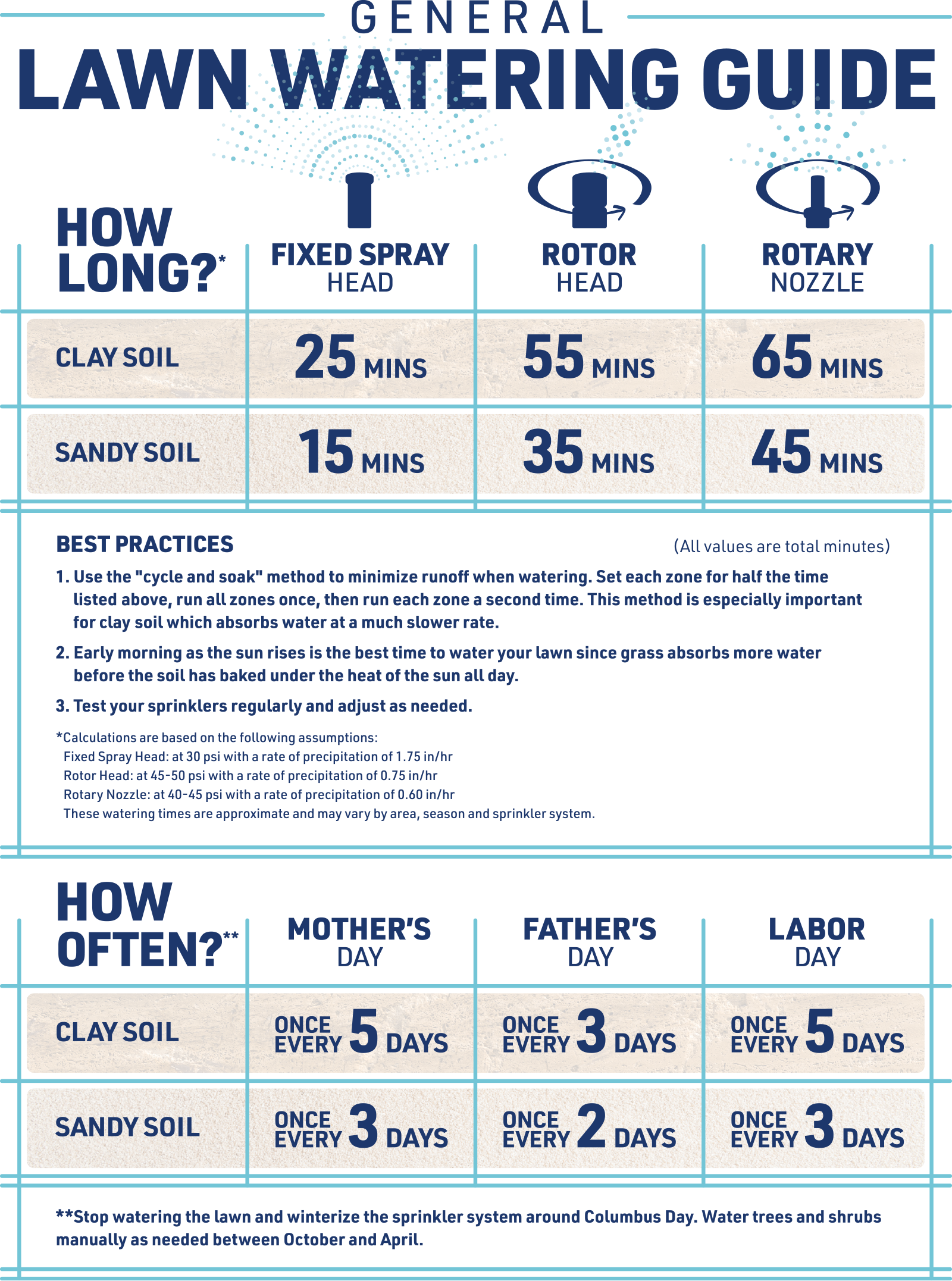
Image Source: grow.ifa.coop
The Art of Lawn Hydration: Achieving a Lush, Healthy Yard
A vibrant, green lawn is the envy of any neighborhood, but achieving and maintaining it can feel like a daunting task. A crucial element of lawn care, often misunderstood, is proper watering. Many homeowners wonder, “How long should I water my lawn?” or “How often to water grass?” The answer isn’t a one-size-fits-all directive; it’s a dynamic process influenced by several factors. This in-depth guide will equip you with the knowledge to water your lawn effectively, promoting deep root development and overall plant health. We’ll delve into the science behind watering, explore seasonal considerations, and provide practical tips for various lawn scenarios, including watering new sod and watering drought tolerant grass.
Deciphering Your Lawn’s Thirst: Key Indicators
Before you even turn on the sprinkler, learn to read your lawn. Healthy grass is a good indicator, but subtle signs can tell you when it’s time to water.
Signs Your Lawn Needs Water:
- Color Change: Grass blades will begin to lose their vibrant green hue and take on a duller, grayish-green or bluish-gray tint. This is often the first visible sign of stress.
- Footprint Retention: Walk across your lawn. If your footprints remain visible for an extended period as the grass blades stay flattened, it means the blades lack the moisture to spring back up.
- Wilting or Curling Blades: In more advanced stages of thirst, individual grass blades may start to curl or fold lengthwise.
The Science of Deep Watering: Why It Matters
The fundamental principle behind effective lawn watering is encouraging deep root growth. Shallow watering leads to shallow roots, making your grass susceptible to drought, heat stress, and disease.
The Benefits of Deep, Infrequent Watering:
- Stronger Roots: When water penetrates the soil deeply, grass roots are stimulated to grow deeper in search of moisture. Deeper roots anchor the plant better and access water resources lower in the soil profile.
- Drought Resistance: A lawn with a well-developed root system can withstand dry spells more effectively. It can tap into moisture reserves that shallower-rooted lawns cannot reach.
- Reduced Weed Growth: Deeply watered turf is denser and healthier, which naturally crowds out and outcompetes weeds for sunlight, water, and nutrients.
- Improved Soil Aeration: Watering less often, but more deeply, allows the soil to dry out between waterings. This promotes beneficial microbial activity and helps prevent soil compaction.
How Long and How Deep to Water Your Lawn: The Golden Rule
So, to the crucial question: how deep to water lawn? The general recommendation is to moisten the soil to a depth of 4 to 6 inches. For most established lawns, this translates to about 1 to 1.5 inches of water per watering session.
Measuring Your Watering: The Tuna Can Test
- Place: Scatter several empty tuna cans or similar shallow containers around your lawn, ensuring they are within the spray pattern of your sprinkler.
- Time: Turn on your sprinklers and time how long it takes for the water level in the cans to reach 1 inch.
- Adjust: This will give you a baseline for how long to water your lawn to achieve that 1-inch mark. Remember that different sprinkler types and head coverage can affect watering times.
Water Depth Considerations:
- Sandy Soils: Sandy soils drain quickly. You might need to water for shorter durations more frequently to achieve the desired depth without excessive runoff.
- Clay Soils: Clay soils absorb water slowly. Water in shorter bursts, allowing it to soak in, to prevent puddling and runoff.
How Often to Water Grass: Finding the Right Frequency
The lawn watering frequency depends heavily on your specific grass type, soil, and the prevailing weather conditions. Overwatering can be just as detrimental as underwatering, leading to fungal diseases and shallow roots.
General Guidelines for Watering Frequency:
- Established Lawns: Most established lawns thrive when watered deeply once or twice a week, allowing the soil to dry out somewhat between waterings.
- New Lawns/Sod: Watering new sod requires a different approach. It needs consistent moisture to establish its root system. This usually means light, frequent watering for the first few weeks.
Seasonal Watering Strategies: Adapting to the Year
Your lawn’s watering needs change dramatically throughout the year.
Watering Lawn in Spring:
Spring is a time of growth and recovery for your lawn.
- Focus: As temperatures begin to warm, your grass will start to actively grow. Monitor your lawn for signs of thirst.
- Frequency: You may need to start watering once a week, but pay attention to rainfall. Aim for the 1-1.5 inch target per session.
- Timing: Early morning is ideal to allow the grass to dry before nightfall, reducing disease risk.
Watering Lawn in Summer:
Summer presents the greatest watering challenge due to heat and increased evaporation.
- Focus: This is when deep, infrequent watering is most critical. Avoid frequent, light sprinklings, which encourage shallow roots that are easily scorched.
- Frequency: Aim for 1-1.5 inches of water once or twice a week, depending on the heat and your grass type. Water deeply to reach those crucial root zones.
- Best Time to Water Lawn: The best time to water lawn in summer is early morning (between 4 AM and 10 AM). This minimizes water loss through evaporation and allows the grass to absorb moisture before the heat of the day sets in. Watering in the evening can leave the grass wet overnight, increasing the risk of fungal diseases.
- Signs of Stress: Be vigilant for signs of stress. If temperatures soar above 90°F (32°C), your lawn might require a light “sips” of water in the afternoon to cool down, but avoid saturating the soil.
Watering Lawn in Fall:
Fall is another crucial period for lawn health, as the grass prepares for winter dormancy.
- Focus: Continue watering deeply, but you can gradually reduce the frequency as temperatures cool and rainfall becomes more common.
- Frequency: Water once every 7-10 days, or as needed based on rainfall and soil moisture.
- Importance: Deep watering in the fall helps the grass store moisture for the winter and ensures it has adequate reserves to survive the cold and emerge healthy in the spring.
Watering Lawn in Winter:
In most climates with freezing temperatures, you will not need to water your lawn during winter dormancy. However, in regions with mild winters and no snow cover, occasional watering may be necessary if there’s a prolonged dry spell. Water only when the ground is not frozen.
Special Watering Scenarios: Tailoring Your Approach
Not all lawns are the same, and some require specific watering strategies.
Watering New Sod:
When you lay new sod, the grass is essentially a fragile transplant without an established root system.
- Initial Watering: Immediately after laying sod, water it thoroughly until the soil beneath is moist.
- Frequent Light Waterings: For the first week or two, you’ll need to water daily or even twice daily, keeping the top 1-2 inches of soil consistently moist. This is a departure from the deep watering rule for established lawns.
- Gradual Transition: As the sod begins to root (you can test this by gently tugging on a piece; if it resists, roots are forming), gradually decrease the frequency and increase the duration of watering, moving towards the deep, infrequent watering schedule.
Watering Drought Tolerant Grass:
Some grass varieties are naturally more resistant to drought.
- Establishment: Even drought-tolerant grasses require consistent moisture during their establishment phase.
- Maturity: Once established, these grasses require less frequent watering. They can often go for longer periods between watering sessions, relying on their deeper root systems and efficient water usage.
- Observation: Continue to monitor for signs of stress, but be patient. They may wilt slightly during extreme heat and recover when temperatures cool or when they receive a good soaking.
Optimizing Your Watering System: Efficiency is Key
Beyond knowing how long to water, using an efficient watering system can save water and ensure your lawn receives the moisture it needs.
Sprinkler Types and Their Effectiveness:
- Impact Sprinklers: These are common but can be inefficient due to wind drift and evaporation. Adjust them to water your lawn, not the sidewalk.
- Oscillating Sprinklers: These provide a more even coverage than impact sprinklers but can still be affected by wind.
- Rotor Sprinklers: Often used for larger areas, they deliver water in a rotating stream.
- Drip Irrigation (for flower beds and shrubs, but principles apply): While not typically used for the entire lawn, the concept of delivering water directly to the root zone is highly efficient. Consider “bubblers” or low-angle spray heads for targeted lawn areas.
Tips for Efficient Watering:
- Water Early: As mentioned, early morning is best to reduce evaporation.
- Avoid Watering on Windy Days: Wind can blow water off course, leading to uneven watering and wasted water.
- Group Plants by Water Needs: If you have different types of grass or landscaping, group them so you can water each area appropriately.
- Check for Leaks: Regularly inspect your sprinkler system for leaks or broken heads.
- Use a Rain Gauge: Monitor rainfall to avoid overwatering. Many sprinkler systems have rain sensors that automatically shut them off when it rains.
- Consider a Smart Controller: These advanced controllers adjust watering schedules based on weather data, soil moisture sensors, and plant needs.
Common Watering Mistakes to Avoid
Even with good intentions, many people make mistakes that harm their lawns.
Overwatering:
- Symptoms: Yellowing grass, moss growth, fungal diseases, shallow root systems, and waterlogged soil.
- Why it happens: Watering too frequently or for too long.
Underwatering:
- Symptoms: Wilting, browning, and thinning grass.
- Why it happens: Not watering deeply enough or often enough during dry periods.
Watering at the Wrong Time:
- Symptoms: Water loss through evaporation, increased risk of fungal diseases (if watering in the evening).
- Why it happens: Watering during the hottest part of the day or late at night.
Shallow Watering:
- Symptoms: Weak, shallow root systems, increased susceptibility to drought and heat.
- Why it happens: Short, frequent watering sessions that don’t penetrate the soil deeply.
Frequently Asked Questions (FAQ)
How long does it take for water to soak into my lawn?
This depends on your soil type. Sandy soils absorb water quickly (minutes), while clay soils absorb it very slowly (hours). If you see water pooling, you’re watering too fast for your soil type.
Can I water my lawn during a drought?
During severe drought, water restrictions may be in place. If permitted, water very sparingly, focusing on the deepest watering possible to encourage roots to seek moisture. Prioritize established trees and shrubs. Consider switching to drought-tolerant landscaping if drought is a recurring issue.
Is it okay to water my lawn when it’s hot?
It’s best to water in the early morning. If you must water during the day in extreme heat, do so lightly and only if the grass shows severe signs of wilting, to help cool it down. Avoid prolonged watering during peak heat hours to minimize evaporation.
How can I tell if my grass is getting too much water?
Signs include yellowing grass, fungal spots or patches, a spongy feel underfoot, and visible moss or algae. The soil might also remain constantly wet.
What is the best way to water a sloped lawn?
Sloped lawns are prone to runoff. Water in short cycles, allowing the water to soak in between cycles (cycle and soak method). Consider installing a more efficient sprinkler system with lower precipitation rates.
By following these guidelines, you can move beyond simply watering your lawn to nurturing it. Observing your grass, adapting to the seasons, and using your watering system wisely will lead to a healthier, more beautiful lawn that requires less effort in the long run. Remember, a well-watered lawn is a cornerstone of a healthy landscape.