
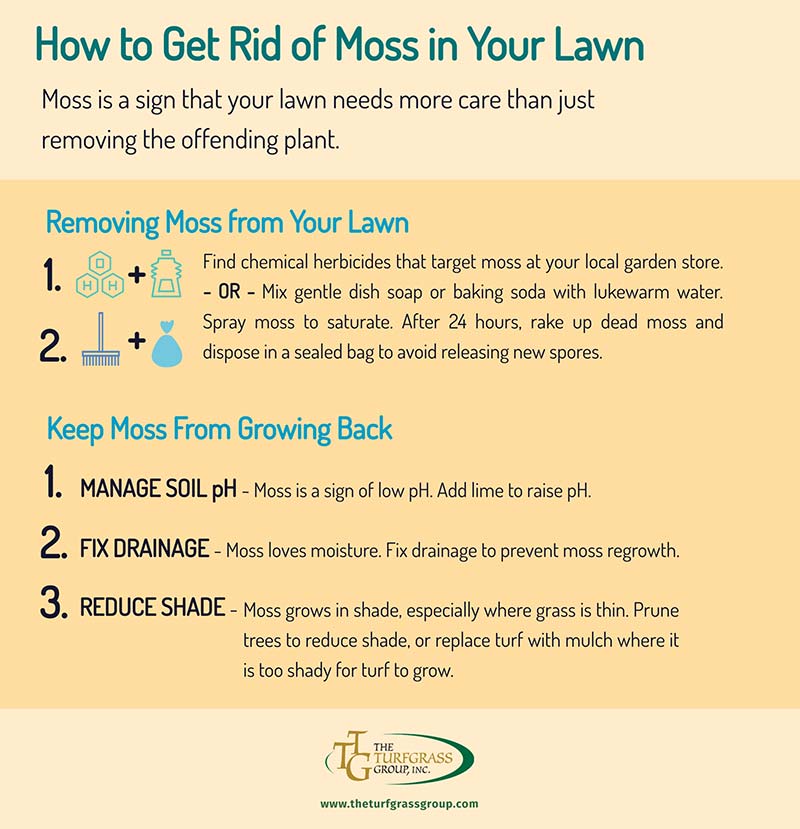
Image Source: theturfgrassgroup.com
Expert Tips: How To Get Rid Of The Moss In Lawn
Can you get rid of moss in your lawn? Yes, you can effectively get rid of moss in your lawn by addressing the underlying causes and implementing the right moss control for lawns strategies. Moss often thrives in shaded, damp, and compacted areas where grass struggles to grow. This comprehensive guide will equip you with the knowledge and practical steps to tackle moss removal and restore a healthy, vibrant lawn. We’ll cover everything from identifying the reasons for moss growth to choosing the best moss killer and preventing its return.
Why Does Moss Grow in My Lawn?
Moss isn’t a weed in the traditional sense; it’s a small, flowerless plant that forms a dense, green carpet. It doesn’t have a root system like grass, but rather rhizoids that anchor it. Moss thrives in conditions that grass dislikes:
- Shade: Most grasses need at least 4-6 hours of direct sunlight daily. Areas that are constantly shaded by trees, buildings, or fences create an ideal environment for moss.
- Poor Drainage: Waterlogged soil keeps the ground consistently moist, which is perfect for moss. This can be due to heavy clay soil, poor grading, or excessive watering.
- Soil Compaction: Compacted soil restricts air and water circulation, making it difficult for grass roots to grow and encouraging moss to take hold.
- Low Soil Fertility: Grass needs nutrients to grow strongly and outcompete moss. Lawns that lack essential nutrients are more susceptible to moss invasion.
- Low pH (Acidic Soil): Moss generally prefers slightly acidic soil, while most desirable lawn grasses prefer a more neutral pH.
- Over-Seeding: Sometimes, if you overseed too densely, the new grass can struggle, and moss can fill in the gaps.
Tackling the Moss: A Step-by-Step Approach
Getting rid of moss involves more than just killing what’s there. It’s about creating an environment where grass can flourish and outcompete the moss. This means a multi-pronged approach to lawn care for moss.
Step 1: Identify the Root Cause
Before you can effectively kill moss in grass, you need to figure out why it’s growing. Walk around your lawn and observe.
- Sunlight: Are there areas that get very little sun?
- Moisture: Do certain spots stay wet after rain or watering? Is your soil heavy clay?
- Traffic: Is there a path where people or pets walk frequently, causing compaction?
- Soil: Does your soil feel hard and dense?
Addressing these issues is crucial for long-term success.
Step 2: Prepare for Moss Removal
Once you’ve identified the causes, you can prepare for the physical removal.
Manual Moss Removal
For smaller patches or before applying a treatment, manual moss removal is effective.
- Tools: Use a stiff-bristled broom, a garden rake with stiff tines, or a specialized moss rake. For very stubborn moss, a garden fork can help lift it.
- Technique: Vigorously brush or rake the moss. Work in the direction that feels most effective. You want to pull out as much of the moss and its rhizoids as possible. This process can be a bit messy, but it’s a good start.
- Collection: Gather the removed moss and dispose of it away from your lawn to prevent its spread.
Step 3: Apply a Moss Killer
There are several options for lawn moss treatment. You can choose between chemical treatments and natural moss killer solutions.
Chemical Moss Killers
These products are designed to kill moss in grass quickly. They often contain active ingredients like iron sulfate (ferrous sulfate) or potassium salts of fatty acids.
- Iron Sulfate (Ferrous Sulfate): This is a common and effective ingredient. It kills moss by drying it out and turning it black. It also helps to green up the lawn by providing iron.
- Application: Follow the manufacturer’s instructions carefully. Typically, you’ll mix a granular or liquid form with water and apply it evenly across the affected area.
- Caution: Iron sulfate can stain patios, concrete, and clothing. Protect surrounding areas. It also temporarily turns the moss black, which you will need to rake out.
- Potassium Salts of Fatty Acids: These are often considered a gentler, more eco-friendly option. They work by breaking down the moss’s cell walls.
- Application: Similar to iron sulfate, follow product instructions. They are generally faster acting than iron sulfate.
- Other Chemical Options: Some products contain other chemicals like copper sulfate or specific herbicides that can kill moss. Always read labels and understand the potential impact on your grass and the environment.
Natural Moss Killer Options
If you prefer to avoid chemicals, several natural moss killer alternatives can work:
- Vinegar (Acetic Acid): Household vinegar (5% acetic acid) can be used, but a stronger horticultural vinegar (10-20% acetic acid) is more effective.
- Application: Spray directly onto the moss. It works by desiccating (drying out) the moss.
- Caution: Vinegar is non-selective, meaning it can also harm your grass if not applied carefully. It works best on a sunny day. Multiple applications may be needed.
- Baking Soda (Sodium Bicarbonate): Baking soda can alter the soil’s pH, making it less favorable for moss.
- Application: Sprinkle baking soda directly onto the moss.
- Caution: Too much baking soda can harm grass, so use it sparingly and only on the moss patches.
- Boiling Water: Pouring boiling water over moss patches can kill it.
- Application: Carefully pour boiling water directly onto the moss.
- Caution: This is a simple method but can also damage or kill the grass immediately surrounding the moss. It’s best for small, isolated patches.
Step 4: Rake Out the Dead Moss
After applying your chosen moss killer, wait a few days to a week. You should see the moss turn black or brown.
- Tools: Use a stiff-bristled broom or a metal rake to thoroughly rake out the dead moss.
- Purpose: This step is crucial to remove the dead material and allow air and sunlight to reach the soil, preparing it for reseeding.
Step 5: Improve the Lawn’s Conditions
This is the most important long-term step to prevent moss growth.
Aeration
Aeration is key to combating soil compaction. It involves creating small holes in the soil to allow air, water, and nutrients to penetrate.
- When to Aerate: The best times are during the active growing seasons for your grass type – spring or early autumn for cool-season grasses, and late spring or early summer for warm-season grasses.
- Methods:
- Core Aeration: This is the most effective method. It uses a machine to pull out plugs of soil.
- Spike Aeration: This involves pushing spikes into the soil. It’s less effective than core aeration but can be done with a garden fork or specialized tools.
Dethatching
A thick layer of thatch (dead grass and organic matter) can also contribute to moss growth by holding moisture.
- When to Dethatch: Similar to aeration, do it during active growth periods.
- Methods: Use a dethatching rake or a power dethatcher. Rake vigorously to pull out the thatch.
Improve Drainage
If poor drainage is the culprit:
- Amend Soil: For heavy clay soils, incorporate organic matter like compost to improve drainage and structure.
- Leveling: If the lawn has low spots where water collects, consider adding topsoil to level the area.
- French Drains: For persistent severe drainage issues, consider installing French drains.
Address Shade
- Prune Trees: Trim back the lower branches of trees to allow more sunlight to reach the lawn.
- Remove Overhanging Branches: Thin out dense canopies.
- Consider Shade-Tolerant Grasses: If shade is unavoidable, consider overseeding with grass varieties that tolerate shade better.
Adjust Soil pH
- Test Your Soil: Get a soil test to determine the pH. Most lawn grasses prefer a pH between 6.0 and 7.0.
- Lime for Acidic Soil: If your soil is too acidic (low pH), apply lime according to soil test recommendations. Do this in the fall.
- Sulfur for Alkaline Soil: If your soil is too alkaline (high pH), apply elemental sulfur to lower the pH.
Fertilize Properly
- Nutrient Boost: Use a balanced lawn fertilizer according to your grass type’s needs and the season. Healthy, well-fed grass is more resilient against moss.
- Avoid Over-Fertilizing: Excessive nitrogen can lead to weak, fast-growing grass that is more susceptible to problems.
Step 6: Reseed or Overseed
After cleaning out the dead moss and improving soil conditions, it’s time to give your grass a chance to regrow.
- Timing: The best time to reseed is when the weather is mild and there’s good moisture – usually spring or early fall.
- Choose the Right Seed: Select a grass seed mix that is suited to your climate and the specific conditions of your lawn (sunlight, soil type). For shady areas, look for shade-tolerant varieties.
- Application: Spread the seed evenly over the prepared soil. Rake it in lightly to ensure good seed-to-soil contact.
- Watering: Keep the newly seeded areas consistently moist until the grass is established.
Preventing Moss Recurrence: Long-Term Strategies
Prevent moss growth by maintaining a healthy lawn and addressing the environmental factors that encourage moss.
- Regular Aeration and Dethatching: Make these part of your annual lawn care for moss routine.
- Proper Watering: Water deeply and less frequently to encourage deeper grass root growth. Avoid letting the soil stay constantly soggy.
- Adequate Sunlight: Trim trees and shrubs to allow more light to reach the lawn.
- Good Soil Health: Continue to amend your soil with compost annually if needed.
- Choose Resilient Grass Varieties: If you’re establishing a new lawn or overseeding, select grass types known for their hardiness and adaptability to your conditions.
- Monitor Soil pH: Periodically retest your soil to ensure it remains in the optimal range for grass growth.
Choosing the Best Moss Killer
The best moss killer depends on your priorities – speed, environmental impact, and ease of use.
| Moss Killer Type | Pros | Cons | Best For |
|---|---|---|---|
| Iron Sulfate | Effective, provides iron to grass, relatively inexpensive. | Can stain surfaces, temporarily turns moss black, needs raking out. | General moss control, improving lawn color. |
| Potassium Salts of Fatty Acids | Fast-acting, biodegradable, generally safe for grass if used correctly. | May require more frequent application than iron sulfate. | Quick knockdown of moss, environmentally conscious users. |
| Horticultural Vinegar | Natural, readily available. | Non-selective (can harm grass), requires careful application, may need multiple treatments. | Small, isolated patches where precision is possible. |
| Baking Soda | Natural, helps adjust pH. | Limited effectiveness on its own, can harm grass if overused. | Minor moss patches, supporting pH adjustment efforts. |
| Manual Removal | No chemicals, immediate physical removal. | Labor-intensive, can be difficult on large or established patches. | Small patches, preparing for treatment, sensitive areas. |
Frequently Asked Questions (FAQ) About Lawn Moss
Q1: How quickly can I expect to see results after applying a moss killer?
A1: This varies depending on the product and weather conditions. Some chemical treatments start showing results within 24-48 hours, with moss turning black or brown. Natural methods like vinegar or boiling water are often faster acting but may require repeat applications.
Q2: Can I kill moss in my lawn during the summer?
A2: It’s generally best to avoid treating moss during hot, dry summer months. The stress on the grass can exacerbate the problem. Spring and autumn are the ideal times for moss control when both the grass and the moss are actively growing but conditions are milder.
Q3: Will moss come back even after I’ve treated it?
A3: Moss can return if the underlying conditions that favor its growth are not addressed. Consistent lawn care for moss, including aeration, proper watering, and ensuring adequate sunlight, is essential for long-term prevention.
Q4: Is it safe to use a moss killer on my lawn if I have pets or children?
A4: Always read the product label carefully. Many moss killers, especially those containing iron sulfate or potassium salts of fatty acids, are considered safe for pets and children once the lawn has dried after application. However, it’s always a good practice to keep them off the lawn until it’s completely dry. Natural options like vinegar should be applied with caution and the area kept clear until dry.
Q5: What is the difference between manual moss removal and using a moss killer?
A5: Manual moss removal involves physically scraping or raking the moss out of the lawn. A moss killer, on the other hand, is a chemical or natural substance applied to the moss to kill it, after which it is typically raked out. Often, both methods are used in conjunction for the most effective moss removal.
Q6: Can I just overseed my lawn without removing the moss first?
A6: While you can overseed, it’s not ideal. The moss will compete with the new grass seeds for nutrients, water, and light. It’s much more effective to remove the existing moss first to give your new grass the best chance to establish and thrive. This is a key part of how to eradicate moss from lawn effectively.
Q7: What are the signs of compacted soil?
A7: Signs of compacted soil include grass that struggles to grow, water pooling on the surface for extended periods after rain, and a generally hard, dense feel to the soil when you try to push a garden fork into it.
By understanding the causes and applying a consistent lawn care for moss strategy, you can successfully eradicate moss from lawn and cultivate a healthier, greener, and more resilient turf. Remember, patience and persistence are key to achieving a beautiful, moss-free lawn.